REVIEW · BRUSSELS
Private tour : Treasures of Flanders Ghent and Bruges from Brussels Full day
Book on Viator →Operated by YS BELGIUM LIMOUSINE · Bookable on Viator
Bruges and Ghent in one tight private day. You get door-to-door pickup from Brussels, then a guided sweep through classic Flemish landmarks—canals, squares, churches, and big-name art—without the stress of buses and schedules. I particularly like how you’re not locked into a one-size route; the guide can adjust the pace to what you care about most.
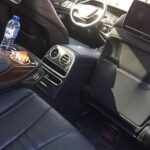
My other favorite part is the practical comfort: an air-conditioned minivan plus bottled water and onboard WiFi. That sounds small, but it matters when you’re crisscrossing between cities and trying to keep everyone happy. The main drawback to plan around is value: at $808.24 per person, you’ll want a strong guide and clear communication, because some days can feel more rushed than you’d expect.
If you’re lucky with your team, it can be outstanding. I’ve seen examples of guides like Sebastian with detailed explanations and even a driver like Aasma who helped make things right when items were left behind. Just make sure you confirm English comfort and pickup timing before you go, especially if you’re pairing this with a tight travel schedule.
In This Review
- Key takeaways before you go
- Bruges and Ghent together: what you really get from a private day
- Pickup, van comfort, and keeping the day on track
- Minnewaterbrug: the love-and-water start that sets the tone
- Ten Wijngaarde beguinage: UNESCO peace in the middle of the city
- Bruges photo moments and the power of short stops
- Basilica of the Holy Blood and Burg Square: medieval power in two flavors
- Canal boat time: included in your imagination, not in your ticket
- St Michael’s Church and Graslei & Korenlei: the postcard Bruges you can explain
- Gravensteen in Ghent: a castle stop that hits with less effort than you’d think
- St Bavo’s Abbey and the Mystic Lamb altarpiece: the art payoff
- Customization: how to make this tour feel like yours
- What’s not included (and why it matters for your budget)
- Who this tour is best for
- Should you book this Treasures of Flanders private tour?
- FAQ
- Is this tour private?
- How long is the full-day trip?
- Where do you pick up from in Brussels?
- Is the canal boat ride included?
- Are entrance fees included for every stop?
- Is lunch included?
- Is the tour in English?
- Is WiFi and bottled water included?
- What if I need to cancel?
- Is this suitable for children and service animals?
Key takeaways before you go
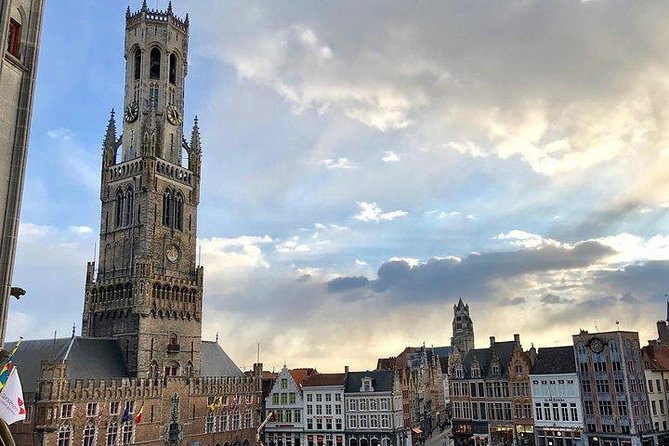
- Private, English-speaking guide: you can ask for the kind of history and viewpoints you want, not just follow a script.
- Brussels pickup makes it easy: “any address in Brussels” means you spend less time hunting meeting points.
- Bruges canals come in two modes: photo stops and a canal boat ride (boat ticket not included).
- Ghent is the art-heavy payoff: the big cathedral stop includes major works, including the Van Eyck altarpiece.
- Time is limited, so you’ll walk fast: many stops are 30–40 minutes each, so save longer meals for breaks you’re given.
- Expect entrance fees only where needed: some key stops are listed as free, but other museum and the boat ride cost extra.
Bruges and Ghent together: what you really get from a private day
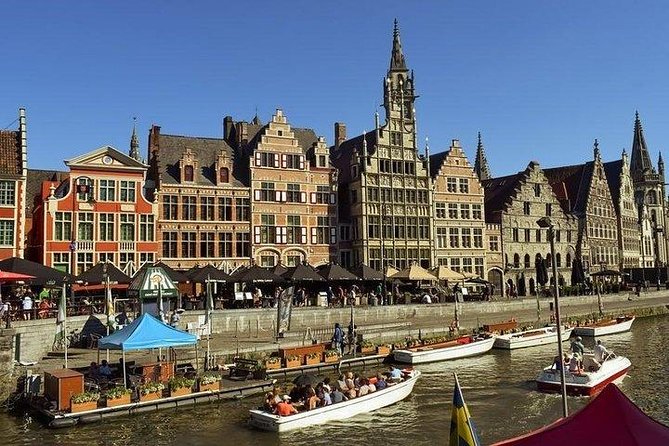
This is a true one-day sampler of Flemish life. You’ll be moving between two cities that feel medieval at street level, but very different in mood and layout. Bruges leans romantic and canal-focused. Ghent feels bigger and more “city alive,” with its cathedral and the weight of centuries built into the streets.
Because it’s private, you’re not stuck with strangers’ preferences. You can nudge the guide toward architecture details, photo moments, or art context. Still, the tour is timed. Even with a private setup, you’re looking at a day that runs roughly 7 to 8 hours, with multiple 30–40 minute stops.
The price is the big conversation. At $808.24 per person, this is not a budget day trip. The value only shows up if you (1) enjoy guided storytelling, (2) want someone to handle transport, and (3) use the day efficiently so you don’t waste hours getting around on your own. If you prefer to wander slowly with no schedule, a flexible ticketed tour or two separate half-days can feel like better money.
You can also read our reviews of more private tours in Brussels

Pickup, van comfort, and keeping the day on track
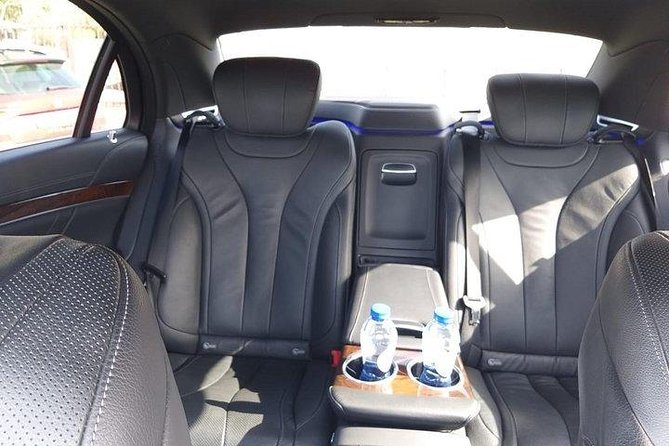
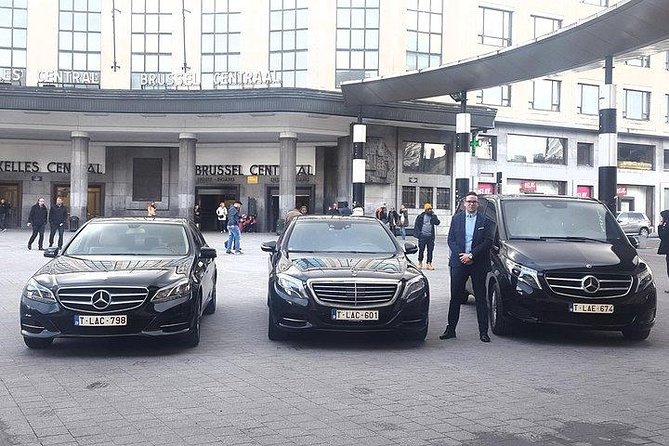
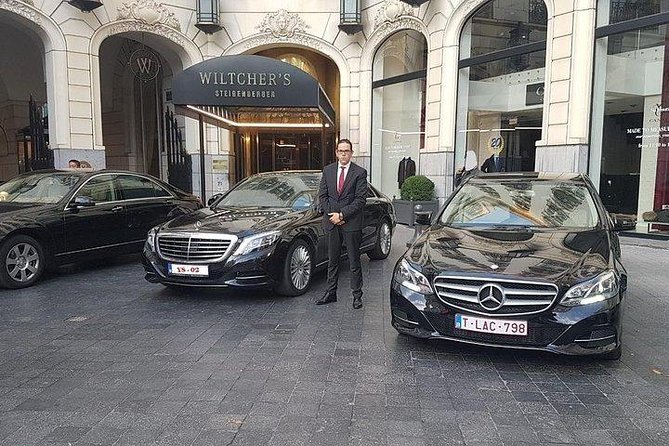
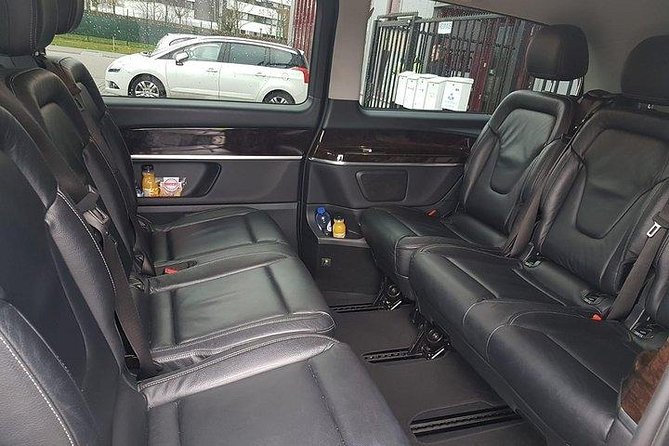
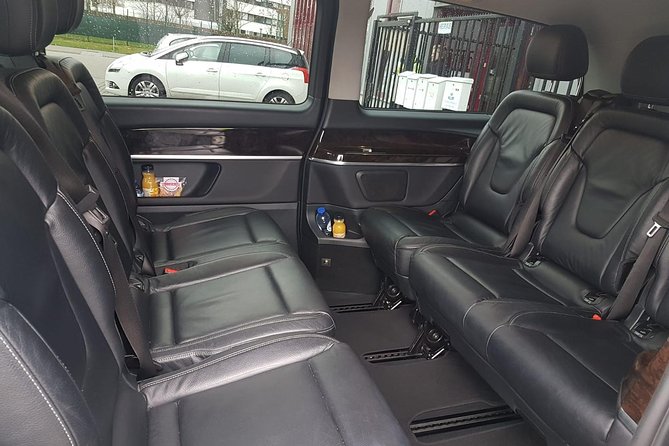
The provider includes hotel pickup and drop-off anywhere in Brussels, plus travel by air-conditioned minivan, bottled water, and onboard WiFi. That’s a real help if you’re staying outside the city center or you’re traveling with a phone-heavy itinerary and don’t want to burn data.
Here’s the practical thing to watch: pickup timing and pacing can make or break a day. Some people report that their day felt shorter than the expected 8–9 hours when pickup time changed. Ask the booking message for the expected pickup window (and be ready to be flexible if the team adjusts it on the day). If you have a dinner reservation in Brussels, give yourself a buffer.
English is listed as offered. In real life, English quality can vary by guide. If language clarity matters to you, send a quick message asking for a guide who can speak English comfortably and loudly enough for full explanations.
Minnewaterbrug: the love-and-water start that sets the tone
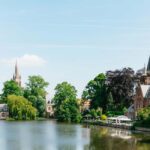
Your first stop is Minnewaterbrug, at the lake called Minnewater. The word itself is explained in a way I like: it’s tied to both community and love, and it connects to the old port life of Bruges. Even if you don’t care about etymology, it works as a gentle “orientation moment” before the heavier sights.
This is also a good place to get your bearings fast. The lake area gives you a calm contrast to what comes next—so you don’t feel like you’re sprinting from one big landmark to the next. Plan for a short stroll and photos, not a long break.
Time on site is about 30 minutes, and the experience is light: this stop is more about context and atmosphere than doing anything ticketed.
Ten Wijngaarde beguinage: UNESCO peace in the middle of the city
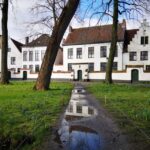
Next up is the Princely Beguinage Ten Wijngaarde. This is one of Bruges’ most representative beguinage complexes, and it’s recognized as a UNESCO World Heritage Site. In plain terms: it’s a quiet medieval pocket that shows you how people lived with faith, rules, and routine—without the bustle of the main streets right outside.
You get about 40 minutes, which is enough to walk the area slowly and read the vibe. If you like small-scale history—courtyards, gentle streets, a slower rhythm—this is one of the stops that makes the day feel like more than postcards.
Because the beguinage is calm, keep your phone down for a minute and look around. The details you’ll notice here are the kind that don’t scream for attention, but they’re what make Bruges feel real.
Bruges photo moments and the power of short stops
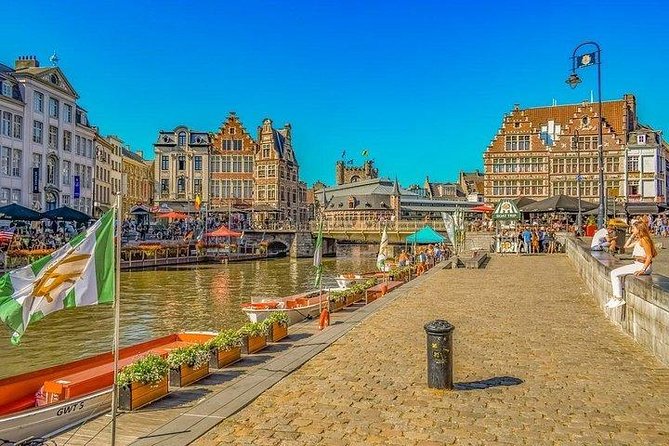
You’ll have a chance for photos from a small bridge. The key tip here is simple: don’t treat every photo stop like a separate attraction. The bridge moment is quick, designed to give you a view and then move on so the schedule holds.
If you’re traveling with someone who takes photos seriously, set expectations early. Tell them exactly what you want from the stop—one wide shot of the canal scene, then back on the move.
This is one of those points where the private format helps: you can ask for an extra minute for your best angle, as long as you’re not dragging the whole day.
You can also read our reviews of more tours and experiences in Brussels
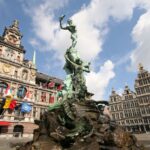
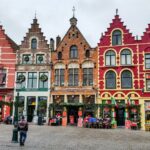
Basilica of the Holy Blood and Burg Square: medieval power in two flavors
The Basilica of the Holy Blood is one of Bruges’ signature religious sites. You’ll hear that it has a lower and upper chapel: the lower chapel is described as a darker Romanesque space, and the upper chapel is Gothic rebuilt later and renovated in the 19th century in Gothic Revival style. The relic connection is the point—this is where devotion shaped the building’s history.
What I like about pairing this with Burg Square is contrast. Burg Square is the political center of Bruges, and you can read the city’s power structure through the architecture around you. Different styles piled over more than a thousand years means you’re not just looking at one period. You’re seeing layers.
Both stops are listed as about 30 minutes each and admission is free for these parts as shown in the plan. That makes them ideal for a tightly scheduled day: big payoff without waiting for ticket hassles.
Canal boat time: included in your imagination, not in your ticket
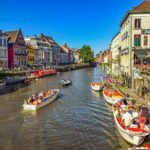
You’ll have a boat tour through Bruges canals. It’s about 40 minutes, but importantly, the boat ticket is not included in the tour price. That means you should either budget for it separately or decide ahead of time whether you want it.
If you’re on the fence, here’s the honest advice: canals are Bruges’ signature. Even if you’ve seen canal photos already, the boat gives you a perspective you can’t fully recreate from streets and bridges. Still, if you dislike guided time on the water, you could use the space in your day for extra walking on land instead.
Also, plan your timing so you’re not scrambling for the right departure moment. With limited hours, smooth transitions are everything.
St Michael’s Church and Graslei & Korenlei: the postcard Bruges you can explain
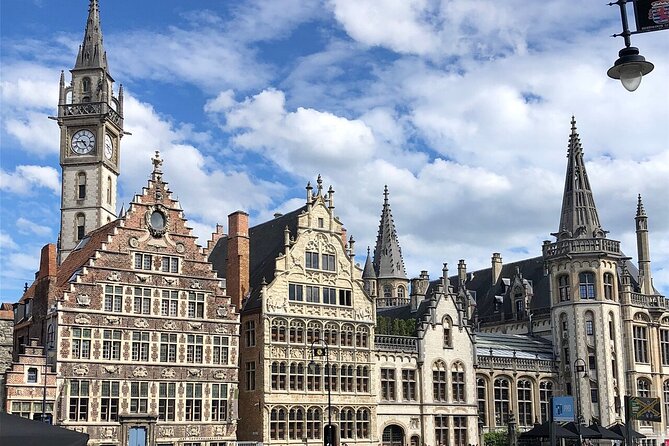
St Michael’s Church is another stop where the guide’s storytelling matters. Even if you’re not a church superfan, this kind of stop gives you context for why buildings in Bruges look the way they do and what “center of gravity” meant historically.
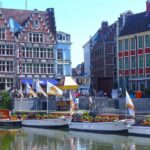
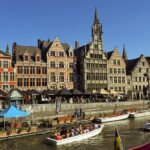
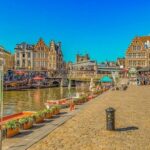
Then you move to Graslei and Korenlei, described as the old harbor area. This is where your guide can help you connect trade, sailor stories, and the medieval facade you see today. It’s a great place for photos because the architecture lines up for symmetry and reflections.
You get around 30 minutes here. Don’t overstay. The value of this stop is capturing the big view and then letting the guide’s trade context anchor what you’re seeing.
Gravensteen in Ghent: a castle stop that hits with less effort than you’d think
The day shifts to Ghent with Gravensteen, a landmark castle that helps explain how the structure and control of power shaped the surrounding area. You’ll spend about 30 minutes at this stop.
This is a smart choice in a one-day tour because it gives you something visually strong and easy to “get” even without deep background. A castle reads fast: defend, control, rule. From there, it’s easier to connect to Ghent’s larger cathedral story later.
If you’re traveling with active kids or you don’t want to do another long church interior, this kind of landmark tends to break up the schedule nicely.
St Bavo’s Abbey and the Mystic Lamb altarpiece: the art payoff
Your Ghent finale is St Bavo’s Abbey. The description you’ll hear covers Romanesque, baroque, and Gothic facades, and it frames the site as a repository of valuable art treasures. The plan specifically notes works by artists like Rubens and Laurent Delvaux, with the showpiece being the Van Eyck brothers’ world-renowned 24-panel altarpiece, The Adoration of the Mystic Lamb.
This stop is listed as 30 minutes and the admission is not included. That means you’re paying for access at the time of the visit, so it’s worth asking the guide for any practical advice on timing, ticketing, and how much you’ll be able to see in the allotted slot.
Why does this matter for you? Because in a day trip, the temptation is to treat museums like checklist items. A guided explanation here can make the altarpiece feel understandable instead of just impressive. And if you’re someone who loves religious art, you’ll likely leave with more than a photo—you’ll have a reference point for what you saw.
Customization: how to make this tour feel like yours
The tour highlights say the guide can customize based on your interests. In practice, that means you should arrive with quick choices ready.
For example, decide in advance if you want to prioritize:
- Canals and viewpoints over interiors
- Church architecture over squares and bridges
- Art context in Ghent over extra time on Bruges streets
Then, tell the guide early in the day. The better the guide understands your priorities, the better the pacing will feel when you’re juggling multiple stops.
This is also where private format helps most. If you’re a slow walker or you need more time to catch your breath, say so up front. You might not get a full rework of the schedule, but you can often shift minutes from a lighter stop to a heavier one.
What’s not included (and why it matters for your budget)
Even though several stops list free admission, the day still has extra costs:
- Boat tour is not included
- St Bavo’s Abbey admission is not included
- Any mentioned entrance fees like Memling and Groeningen are listed as not included
- Lunch is not included
- Tips are not included
So yes, the tour price gets you guide, transport, and the guided structure. But it doesn’t erase your travel spending. If you want the boat and the abbey entry, add those to your mental math now so you don’t get surprised later.
Also plan for lunch in whatever city you’re in when the schedule allows. If you prefer long lunches, you’ll need to fit them into the time the guide provides, because the stop durations are short.
Who this tour is best for
This works best for:
- First-timers who want a guided fast track through Bruges and Ghent
- People who value interpretation—churches, squares, and art explained clearly
- Anyone staying in Brussels who doesn’t want to manage transit between cities
It can be less satisfying for:
- Travelers who want lots of downtime and slow wandering
- People who don’t care much about guided context
- Groups who need very clear, comfortable English at all times—because guide language quality can vary
If your priority is just seeing the main sights and you’re okay with public transport, the high per-person cost might feel heavy. If your priority is a smooth, explained day with pickup and comfort, the price starts to make more sense.
Should you book this Treasures of Flanders private tour?
I’d book it if you want the convenience of pickup plus a guide to connect the dots between canals, medieval politics, and major art. It’s a smart use of time, especially if you only have one day from Brussels and you don’t want logistics to eat your schedule.
I’d pause and ask questions first if you’re price-sensitive or you care deeply about pacing. Confirm pickup window and English comfort, and decide whether you truly want the canal boat and paid abbey entry. If those extras are must-dos, you’ll get a fuller day. If they’re optional, you might want a cheaper tour format.
FAQ
Is this tour private?
Yes. It’s a private tour/activity, and only your group participates.
How long is the full-day trip?
It runs about 7 to 8 hours (approximately).
Where do you pick up from in Brussels?
Pickup is offered from any address in Brussels.
Is the canal boat ride included?
No. The boat tour admission is listed as not included.
Are entrance fees included for every stop?
No. Entrance fees are not included overall, though several stops in the plan are listed as free.
Is lunch included?
No. Lunch is not included.
Is the tour in English?
The tour is offered in English.
Is WiFi and bottled water included?
Yes. Bottled water and WiFi on board are included.
What if I need to cancel?
You can cancel for a full refund up to 24 hours in advance of the experience start time.
Is this suitable for children and service animals?
Service animals are allowed. Children must be accompanied by an adult.