A city walk that feels personal. This private Brussels route is built around your pace and your interests, guided by a local who knows where the stories live, not just where the photos are. I like the pre-tour questionnaire that shapes the day, and I also love how you can change the plan on the go instead of being herded.
What stands out is the balance: big-icon Brussels, but also the quieter streets and modern corners people often miss. Guides like Francis and Patrick are praised for making the walk feel friendly and tailored, and guides like Sebastian and Chloe are noted for food and sight suggestions that fit the group.
One consideration: this is a walking tour, so you’ll cover a lot of ground, and extras like tickets, food, drinks, and possible public transport costs aren’t included. Also, some interiors may be limited depending on access hours.
In This Review
- Key Highlights That Matter
- Why a Private Local Guide Changes the Brussels Experience
- Starting at Grand Place: The UNESCO Scene-Setter
- Manneken Pis: The Tiny Statue With a Big Backstory
- Royal Palace Gardens and Palace of Justice-Style Stops
- A Residential Side of Brussels: When the City Slows Down
- Passion Chocolat Stop: Chocolate You Can Shop, Not Just Hear About
- Beer Culture in a Real Café: Trappist and Craft, Your Way
- Atomium: The 1958 World Expo Landmark That Looks Like the Future
- Street Art Rotation and Art-Lover Detours
- The EU Quarter: Politics in Glass, Plus a Smaller Twist
- How Long Should You Choose: 3 Hours vs 8 Hours
- Price and Value: What $95.66 Buys You
- Practical Tips That Make This Walk Go Smooth
- Should You Book This Brussels Private Highlights Tour?
- FAQ
- Is this a private tour?
- How long is the tour?
- Where do I meet the guide?
- Do I need tickets or pay for attractions during the tour?
- Is transportation included?
- Will the itinerary be personalized?
Key Highlights That Matter
- Private, one-on-one walking time so you can linger when something catches your eye
- A tailored itinerary set by a questionnaire and direct messages with your host
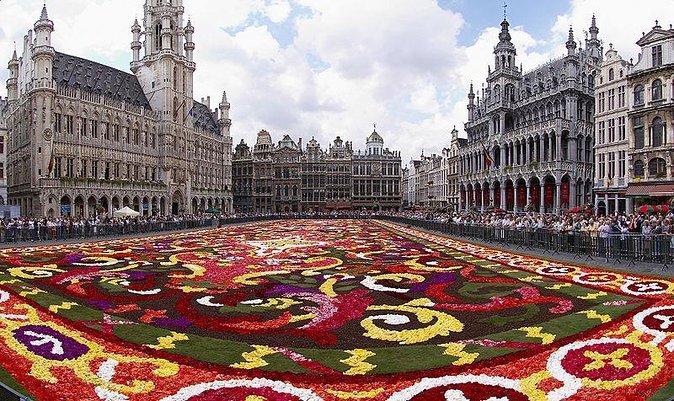
- UNESCO Grand Place + Manneken Pis for the essentials, with context you’ll actually remember
- Chocolate and beer stops guided by what you like, not a forced tasting parade
- Atomium and EU Quarter for the “why Brussels is different” story across decades
- A mix of art and everyday neighborhoods including a rotating street art wall
Why a Private Local Guide Changes the Brussels Experience
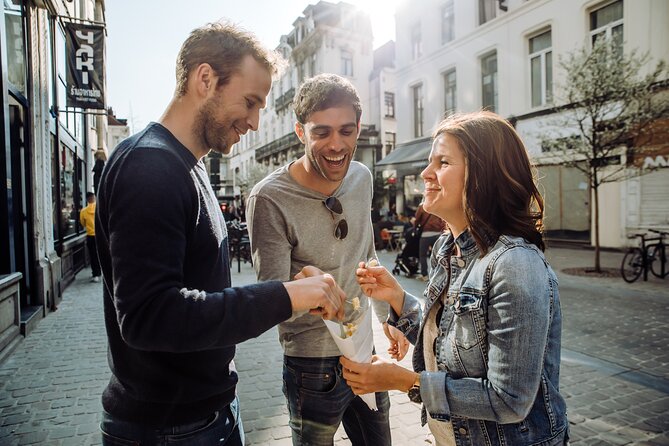
This tour is private, so it works more like a conversation than a script. Before you start, you answer a short questionnaire, and your host reaches out to shape the day around what you care about most—landmarks, local flavors, or slower time for photos and questions.
I think that flexibility is the real value. You can slow down for a church window, speed up if you’re on a tight schedule, or swap the order if your energy level changes mid-walk.
You also get a guide who can steer you toward the city’s rhythm. In practice, that means you’re not just seeing Brussels—you’re learning how locals think about it.
You can also read our reviews of more guided tours in Brussels

Starting at Grand Place: The UNESCO Scene-Setter
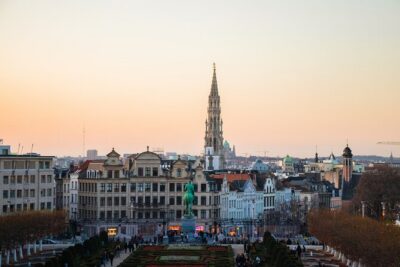
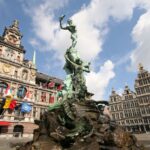
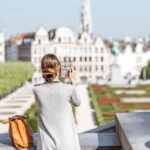
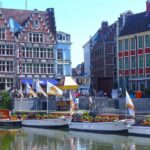
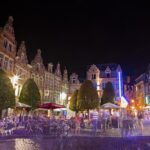
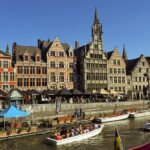
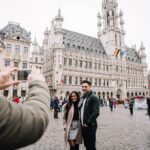
Most first-time visitors hit Grand Place and snap a few photos. What makes it better here is the way it’s explained: ornate guildhalls, historic facades, and the square’s role in shaping the city’s identity.
Your host helps you read what you’re looking at, so details make sense instead of floating by. This is a great opener because it gives you visual and historical footing right away—then the rest of the walk feels more connected.
If you’re the kind of traveler who likes architecture, this stop alone is worth showing up early. If you’re not, it still works because you’ll get stories that make the square feel less like a postcard and more like a lived-in place.
Manneken Pis: The Tiny Statue With a Big Backstory
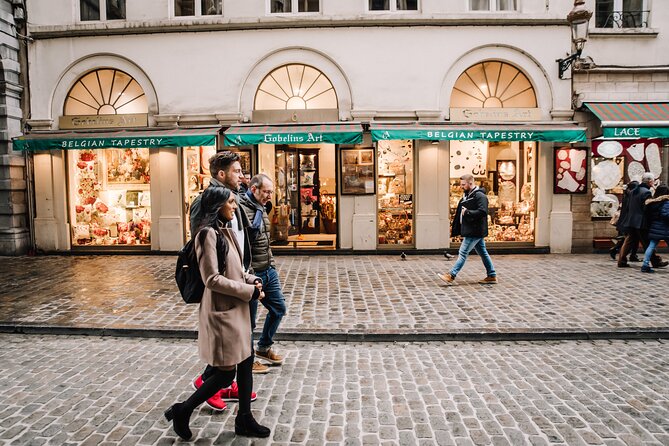
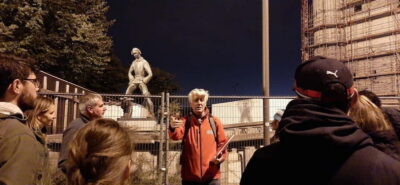
Manneken Pis is small, but it carries plenty of character. The tour frames it as more than a quirky photo stop, with a focus on how the figure’s costumes and the legends around it have become part of Brussels’ playful identity.
I like this stop because it’s fast, fun, and you get context. You don’t have to stand there for long, but you walk away knowing why it matters to the city.
This is also the kind of moment that’s easy to work into a busy day. Even if you choose a shorter duration, you’ll likely fit it in without feeling rushed.
Royal Palace Gardens and Palace of Justice-Style Stops
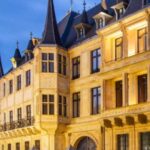
You’ll have time around the Royal Palace area, with neoclassical architecture taking center stage. Even when the interior isn’t available, the gardens and surrounding square can still deliver great photos, and your host shares insights into Belgium’s royal heritage.
Some guides also guide you toward other major landmarks in the center, including the huge Brussels Palace of Justice building that’s often seen from the outside. If your interests lean toward architecture and symbolism, these “look up and notice details” stops can become the emotional payoff of the walk.
The trade-off is simple: you’re outside for much of it. If you want hours inside museums or palaces, you’ll need to plan extra time beyond a walking tour.
A Residential Side of Brussels: When the City Slows Down
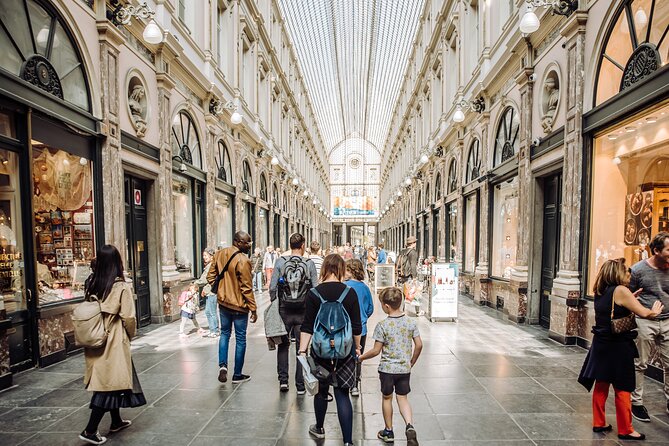
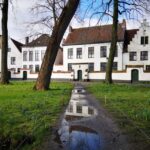
After the icons, the route can shift into a quieter, village-like residential suburb. That change in scenery is underrated. Brussels can feel dense and compressed when you stay only in the central tourist lanes, and this part gives you breathing room.
You’ll see green spaces, charming streets, and artisanal shops—more everyday than stage-set. I find this is where the city starts to feel real, because you’re watching daily life, not only major monuments.
It’s also a smart break if you’re traveling with teenagers. A pace shift from “monument sprint” to “neighborhood wandering” can reset attention.
You can also read our reviews of more private tours in Brussels


Passion Chocolat Stop: Chocolate You Can Shop, Not Just Hear About
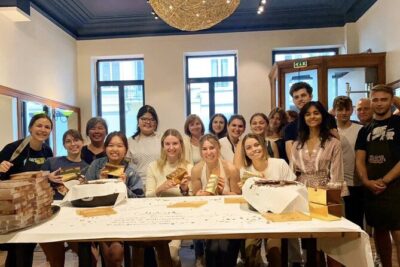
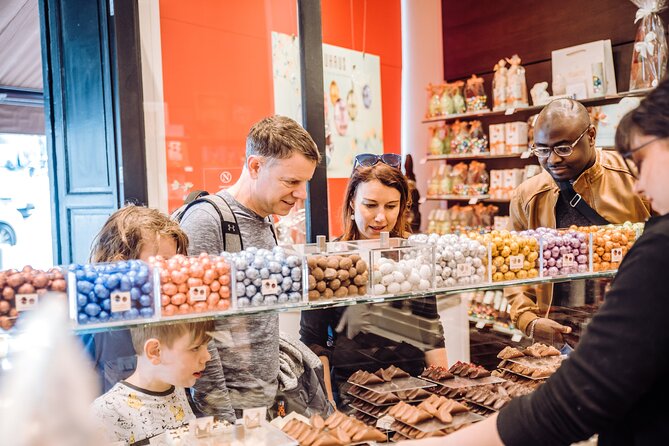
Chocolate is one of the reasons people come to Brussels, and this tour includes a stop at Passion Chocolat. Your host can point out why it’s a standout artisanal choice, and you can sample or buy based on what sounds good to you.
Here’s the practical part: the tour doesn’t include food or drinks, so you’ll pay on-site if you want tastings or boxes. But you’ll be better informed shopping, because your guide helps you narrow down what to choose instead of grabbing the first thing that looks pretty.
If you’re buying gifts, this is the time to do it. You’ll be in the right mood after seeing the city’s iconic sights, and you’ll have a local voice guiding your choices.
Beer Culture in a Real Café: Trappist and Craft, Your Way
Brussels is famous for beer culture, and this tour takes you to a welcoming café where you can explore both classic Trappist beers and innovative craft options. The key is that your host helps you navigate based on your preferences.
This is a great stop if you like trying one or two different styles, rather than treating it like a checklist. It also helps you avoid the classic mistake: ordering something that sounds impressive but doesn’t match your taste.
Like the chocolate stop, you’ll pay for what you drink. But the “value” here is guidance—so you don’t waste money on a beer you won’t finish.
Atomium: The 1958 World Expo Landmark That Looks Like the Future
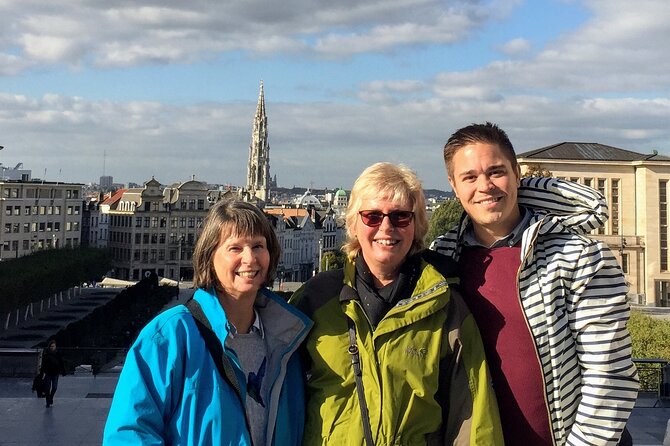
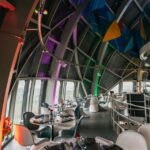
Then comes Atomium, originally built for the 1958 World Expo. It’s one of Brussels’ most unique, futuristic landmarks, and your host explains what makes it architecturally significant and how it connects to that post-war Expo era.
If you want more than exterior photos, you can explore the exhibitions and panoramic views, depending on what you’re in the mood for and what’s open. This stop is where the tour can stretch longer, especially if you choose a bigger time slot.
I like Atomium for a simple reason: it breaks the “history only” pattern. You get a sense of Brussels as a city that also thinks about modern identity and big ideas.
Street Art Rotation and Art-Lover Detours
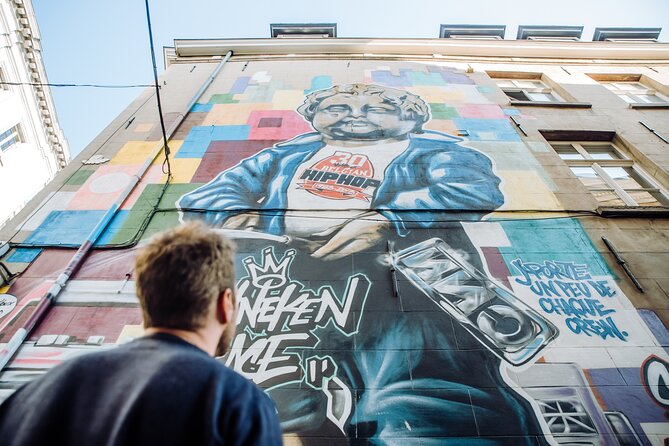
For street art lovers, the rotating urban art wall is a standout. Since the display changes, it gives Brussels a sense of momentum—art that doesn’t stay stuck in the past.
Your host can help you look more carefully at what you’re seeing, connecting it to the city’s current creative scene. It’s a good reminder that Brussels isn’t just medieval squares and royal buildings.
Some routes also include nearby art-world moments, like a look at the Magritte Museum area from the outside. If surrealism and Belgian pop culture are your thing, tell your host up front and you’ll likely get more art-focused time.
The EU Quarter: Politics in Glass, Plus a Smaller Twist
If you want to understand why Brussels matters beyond Belgium, the European Quarter is where that clicks. You’ll explore the institutions that shape the EU, with time around the sleek glass architecture.
Your host can help you connect the look of the district with what happens there day to day. If you want, you can include the Parliamentarium for a structured introduction, or you can keep it more architectural and walk the outer areas for photos and stories.
One extra angle: you’ll uncover a lesser-known neighborhood tucked within the modern landscape. That matters, because it prevents the EU district from feeling like one more corporate office park.
How Long Should You Choose: 3 Hours vs 8 Hours
This tour gives you a range of duration, roughly 3 to 8 hours, and that’s a big deal in Brussels. Three hours can work if you want a strong highlight loop and a couple of stops like chocolate or beer. You’ll still get a guided narrative, just with fewer layers.
Around four to five hours often hits the sweet spot. You can cover the major sights, allow for bathroom and drink breaks, and still have time for your guide to add a few “only-in-Brussels” moments.
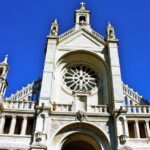
If you choose closer to eight hours, you can slow down more. That’s when neighborhood time, extra architecture stops, and longer looks at Atomium or churches with stained-glass windows can fit in without feeling like you’re speed-walking.
Price and Value: What $95.66 Buys You
At about $95.66 per person, this is not a budget group tour. The value comes from privacy and customization, not from included entry tickets.
You’re paying for:
- A local guide matched to your interests
- Flexible routing and pacing
- Time with someone who can explain what you’re seeing
- Practical recommendations for food, beer, and what to do next
What’s not included is just as important. Tickets to attractions, and food and drinks, are extra. Transportation can also cost extra if you need public transport between longer distances.
If you’re in Brussels for a short visit, the price often makes sense because it helps you avoid wasted time. If you’re staying longer and already know your priorities, you may choose cheaper self-guided options—but you’d give up the personal “what should I focus on” factor.
Practical Tips That Make This Walk Go Smooth
This is a walking tour, so wear comfortable shoes. Brussels can include cobbles and uneven sidewalks, and you’ll be moving between central landmarks and farther stops.
Since the tour can shift based on your interests, come with at least a few anchors in mind. If you’re into stained glass, EU politics, chocolate shopping, or beer tastings, say it early. Guides like Francis and Patrick are known for steering the day toward what the group actually wants, with added surprises when there’s time.
Also, plan for a bit of spending at the chocolate and beer parts. The tour helps you pick what to buy or drink, but you’re responsible for the menu.
Finally, meet-up is set at a central landmark: Starbucks Grand Place 4, 1000 Bruxelles. It’s easy to find, and it puts you right where the day’s story starts.
Should You Book This Brussels Private Highlights Tour?
I’d book this if you want Brussels to feel connected. It’s best for first-timers who want the major icons without losing context, and it’s also great for families and solo travelers who appreciate one-on-one pacing.
Choose it if you like a guide who can explain architecture and also point you to real food and drink choices, like the Passion Chocolat stop and the café beer session. And if you enjoy art and modern culture, the Atomium plus rotating street art wall plus EU Quarter gives you a well-rounded day without needing to plan separate activities.
Skip it if you want a tour packed with included museum tickets and long indoor time. This is built for walking, stories, and flexible stops, with extras added by your choices.
FAQ
Is this a private tour?
Yes. It’s a private walking experience, and only your group participates.
How long is the tour?
The duration is about 3 to 8 hours, and you pick your preferred length when you book.
Where do I meet the guide?
The tour starts at Starbucks Grand Place 4, 1000 Bruxelles, Belgium. The meeting point can also be coordinated by selecting a hotel (if listed) or a central landmark.
Do I need tickets or pay for attractions during the tour?
Food, drinks, and tickets to attractions are not included, so you’d pay for any entries you choose.
Is transportation included?
No private vehicle is included. Since it’s a walking tour, public transport may be used for longer distances, and any transport costs can be discussed and settled on the day.
Will the itinerary be personalized?
Yes. You’ll fill out a short pre-tour questionnaire and communicate directly with your host to tailor the itinerary to your interests.