REVIEW · BRUSSELS
From Brussels: Bruges and Ghent Full-Day Trip by Train
Book on GetYourGuide →Operated by Bravo Discovery · Bookable on GetYourGuide
Medieval Flanders in one long day. This guided trip gives you Bruges canals and Ghent’s old-port churches with a proper local rhythm, not just a photo-bus loop. The trade-off: it’s a lot of walking packed into 10 hours, so you’ll want solid shoes and realistic expectations.
I especially like the way the day mixes guided sights with breathing room—Bruges starts with a 2.5-hour walking tour, then you get 2 hours to snack, shop, and choose an optional canal boat. In Ghent, you’ll hit the big architectural hits in sequence: Saint Bavo Cathedral, the city’s civic center, and the dramatic views at Graslei before the Castle of Gravensteen.
One possible drawback is time compression. If you want museums like Hans Memling’s collection or the Van Eyck Mystic Lamb experience in a slow, deep way, the schedule pushes you toward choosing one or two extras rather than doing everything.
In This Review
- Key highlights to know before you go
- A 10-hour Bruges and Ghent plan that actually makes sense
- Brussels meeting point: Grand Place, white umbrella, Sunday-only start
- Bruges first: canals, Beguinage, and the sights that define the city
- Brewery De Halve Maan and Old St John’s Hospital: two Bruges stories in one route
- Our Lady of Bruges and the tower views you’ll feel in your feet
- Markt, Belfort, and Groeninge Museum: how your guide strings the city together
- Bruges free time: 2 hours for chocolate, moules frites, and the optional canal boat
- Ghent starts with Saint Bavo Cathedral: Gothic drama, Baroque flourishes, and famous art
- The optional Mystic Lamb: when you should pay the extra €4
- Ghent’s civic center: City Hall and Market Hall/Belfort tower
- Graslei to Gravensteen: old port views and a fortress feel in the middle of town
- Patershol and Great Butchers’ Hall: where to eat like you’re local
- Price and value: what €82 buys you in a full-day train format
- Who should book this Bruges and Ghent day trip (and who should skip it)
- The guide experience: languages and the difference between good and great guidance
- FAQ
- Where does the tour meet in Brussels?
- What days does the tour run?
- How long is the trip?
- What time do we return to Brussels?
- What’s included in the price?
- What are the main optional costs?
- Is there free time in Bruges?
- What languages are the guides available in?
- Is the tour wheelchair accessible?
- What should I bring?
- Should you book this Bruges and Ghent train day trip?
Key highlights to know before you go
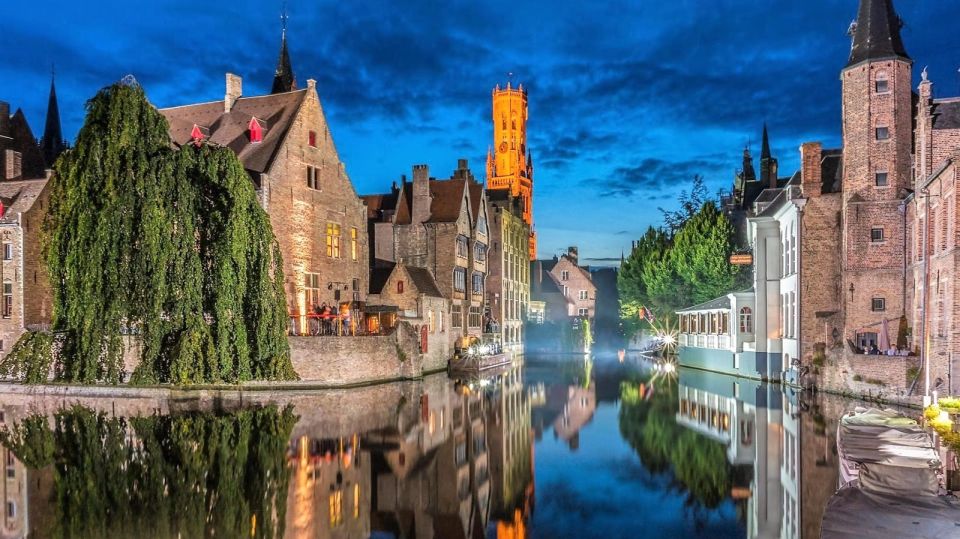
- The “Venice of the North” canal walk in Bruges with time built in for photos and wandering
- Saint Bavo Cathedral in Ghent: Gothic church drama plus Baroque ornamentation and famous art
- Old port views at Graslei with medieval guildhalls lining the river Leie
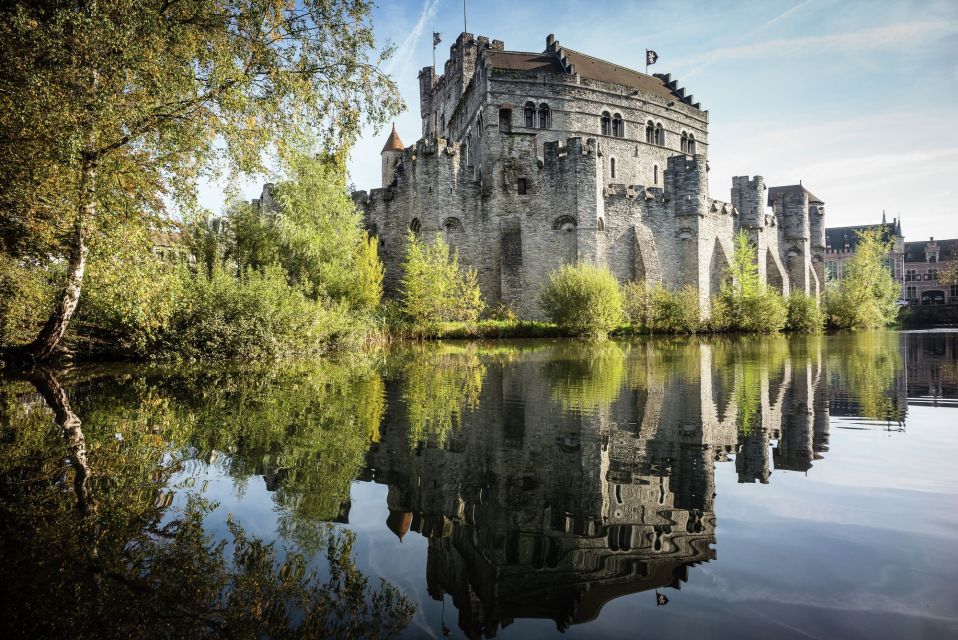
- Castle of Gravensteen: a fortress feel right in the middle of the story
- Tastes baked into the route: Belgian chocolates, moules frites, and beer during your free time
- A guide who works the details (and keeps you moving) in English, Spanish, or French
A 10-hour Bruges and Ghent plan that actually makes sense
This is the kind of day trip I recommend when you’ve got limited time in Belgium but still want medieval atmosphere, not just a checklist. You’ll ride train from Brussels, meet your guide, and spend roughly the whole day between two of Flanders’ most popular cities.
The biggest value is pacing by design. You don’t get only “stand here and listen” moments. You get an early guided foundation in Bruges, then a genuine free-time window to eat and browse. In Ghent, the guidance keeps the route coherent, so you’re not stuck zigzagging across neighborhoods trying to connect the dots.
Still, it’s a full day. You should expect uneven pavement and plenty of stair-adjacent corners. If you’re the type who hates feeling rushed, plan to treat this as a highlights sampler and save deeper museum time for a return visit.
You can also read our reviews of more tours and experiences in Brussels
Brussels meeting point: Grand Place, white umbrella, Sunday-only start
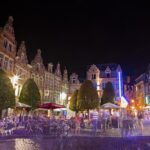
Your day starts in central Brussels at the Grand Place. You meet at 08:30 in front of the Tourist Information Office, and your guide will be holding a white umbrella.
The trip departure is 9:30 AM only on Sunday, so double-check the day before you book. You’ll be back in Brussels on schedule—return set for 17:00, arrival about 18:00 with your guide.
If you’re in a small group, there’s a useful option: you may be able to choose either to return with the guide at the scheduled time or stay longer and head back later by yourselves. That’s the kind of flexibility that can turn a tight schedule into something more comfortable.
Bruges first: canals, Beguinage, and the sights that define the city
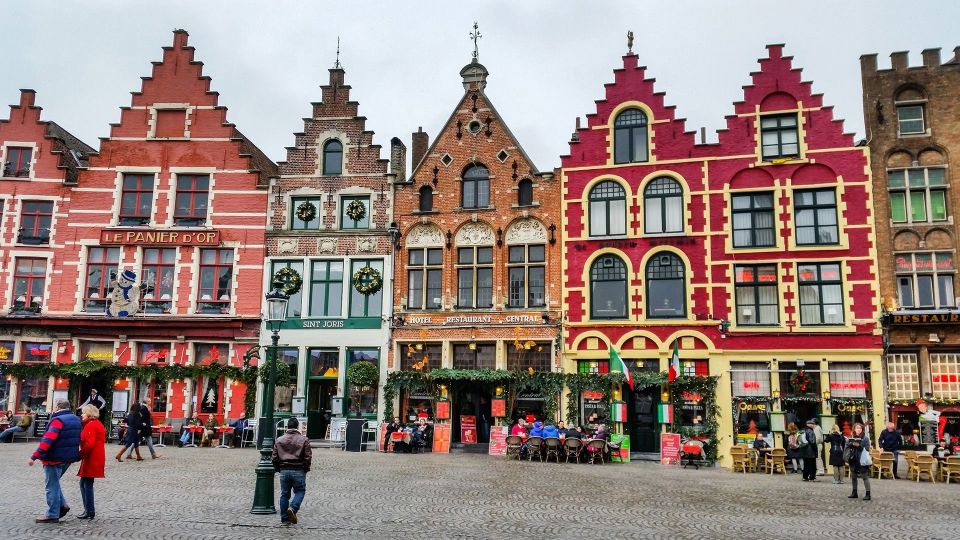
Bruges is the warm-up and the big visual wow. Once you arrive at the central station, your walking tour lasts 2.5 hours through the historic heart—car-free, canal-side, and packed with medieval landmarks.
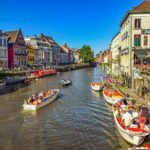
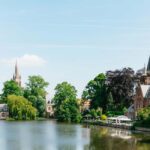
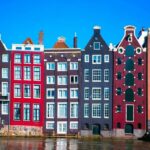
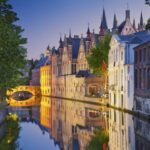
You’ll walk by canals in the UNESCO-listed core, which is how Bruges earns its nickname. The waterways aren’t just scenery; they connect the city’s identity to its trading past. It’s also the fastest way to understand why so many buildings face the water instead of turning inward.
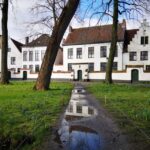
A standout stop is the Beguinage, one of the best-preserved examples of the medieval gated communities where only women could live. It’s a quietly moving contrast to the busier squares nearby—more tucked-in and human-scaled.
You also visit the park area tied to the canal system, including the Lake of Love, a key water reservoir that once helped nourish the canals. Even if you don’t know the technical details, standing there makes the city’s water logic click.
Brewery De Halve Maan and Old St John’s Hospital: two Bruges stories in one route
One of my favorite parts of this day is that it doesn’t treat Bruges like a frozen museum. You’ll see Brewery De Halve Maan, the only brewery still operating in the city center. That matters because it keeps the city alive in a practical way, not just postcard-perfect.
After that comes Old St John’s Hospital, one of the oldest hospitals in Europe. The stop isn’t just architectural; it’s time-travel scale. If you want extra art, there’s an optional museum visit connected with Hans Memling—the schedule gives you the choice, but you’ll need to be selective because the day keeps moving.
Our Lady of Bruges and the tower views you’ll feel in your feet
Next up is Our Lady of Bruges. This is one of those churches where the tower dominates the skyline, and the climb is optional depending on your pace and your group.
You’ll admire the church’s art treasures, including Michelangelo’s Madonna with the Child (optional). Even if you skip the optional look-ins, the structure and the setting are a reminder that Bruges wasn’t just merchants and guildhalls—it also funded serious religious art.
Between the church and the markets, you’ll pass classic Bruges squares where guild life once shaped everything. You’ll stop at VisMarkt (fishmarket) and Tanners’ Square, both among the oldest squares in the city, surrounded by guildhalls and cafés.
You can also read our reviews of more tours and experiences in Brussels

Markt, Belfort, and Groeninge Museum: how your guide strings the city together
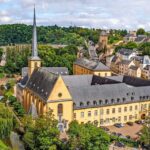
Your tour continues through Bruges’ key civic and economic nodes, including Groeninge Museum, Burg Square, and Markt Square. You’ll also see the Belfort tower, a famous Gothic landmark in Belgium.
What I like about having a guide here is the order. It helps you connect what you’re seeing: churches for faith and power, guildhalls for trade, and the tower for civic identity. Without that structure, Bruges can feel like you’re just collecting pretty sights. With it, it becomes a readable story.
Bruges free time: 2 hours for chocolate, moules frites, and the optional canal boat
After the walking tour, you get 2 hours of free time for food, souvenirs, and an optional boat trip. The canal boat is €8, paid while you embark.
This is the moment to choose how you want to experience Bruges:
- If you want the classic view, do the canal boat. It’s also a smart way to rest your legs while still seeing the city’s canal geometry.
- If you want local flavors, look for Belgian chocolates, plus the national dish moules frites and a solid beer—these fit perfectly into a stop-and-snack rhythm.
Your guide will likely steer you toward practical areas, but you still get freedom. That’s important in Bruges, where every turn can feel like a new postcard.
Tip for your comfort: during your guided route, keep some energy in reserve for this free window. The day is long, and Bruges tempts you to keep wandering.
Ghent starts with Saint Bavo Cathedral: Gothic drama, Baroque flourishes, and famous art
Once you head to Ghent, you’ll start at Saint Bavo Cathedral. This church is a one-stop lesson in how Ghent layers eras on top of each other—spectacular Gothic structure with Baroque ornamentation.
Inside, you’ll step into areas with marble choir and private chapels, plus art highlights such as a painting of Saint Bavo Enters the Convent at Ghent by Rubens and a Rococo pulpit. You’ll also see the Romanesque crypt with frescoes.
This stop is a big reason the trip works. You’re not just outdoors sightseeing; you’re learning how the city’s wealth and taste changed over centuries. If you’re into architecture, this is where your brain feels fully engaged.
The optional Mystic Lamb: when you should pay the extra €4
Your route includes the altarpiece The Adoration of the Mystic Lamb by the Van Eyck brothers. There’s a small extra fee of €4 to visit it.
I like that the tour offers this as an option rather than forcing it on everyone. My practical advice: if you’re an art person, pay the €4 and plan to spend real time there. If you’re more into streets and rivers, skip it and use your time for Graslei and the castle views, which you’ll get outdoors and in the best photo light.
Ghent’s civic center: City Hall and Market Hall/Belfort tower
Next you’ll go to City Hall, where the architecture mix—Gothic, Renaissance, and Baroque—shows Ghent’s shifting styles. Then you’ll see the Market Hall and the Belfort Tower from the area around it.
These civic spots do two jobs on your day. They keep you grounded in the city’s public life, and they act as landmarks so you can orient yourself as you move between neighborhoods.
Around the same general orbit, you’ll also see reminders of medieval Ghent through churches such as Saint Nicholas, Saint James, and Saint Michael. Even if you don’t go inside, they help you recognize the city’s medieval grammar.
Graslei to Gravensteen: old port views and a fortress feel in the middle of town
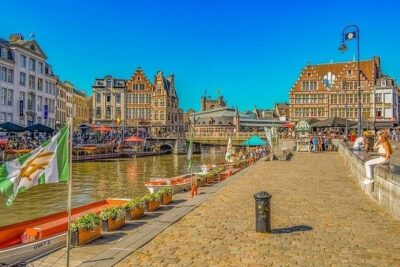
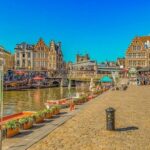
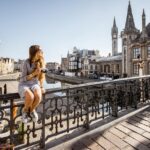
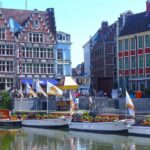
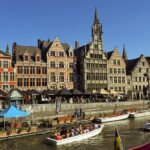
The route then targets the emotional high point: the old port district Graslei, where you get beautiful views along the river Leie and the lineup of old guildhalls.
This is one of those places where a guide helps even more than usual. They point out what you’re looking at, and suddenly the buildings make sense as a system—trade, wealth, and status tied to water access.
After Graslei comes Gravensteen, the medieval castle where the counts of Flanders used to live. The castle’s presence changes the atmosphere instantly. You’re no longer just watching history; you’re standing near the kind of power that made that history possible.
Patershol and Great Butchers’ Hall: where to eat like you’re local
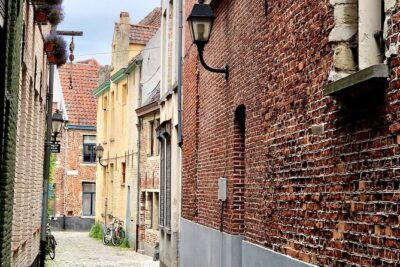
After the castle, you’ll head to Patershol, a charming district with brick facades and a strong restaurant and café vibe. This is also where you can connect the day’s sightseeing to real food choices. It’s a good place to hunt for Flemish meals after a long walk.
Then you’ll visit Great Butchers’ Hall, a 15th-century meat market. It’s an easy stop to enjoy because it’s specific. You’re not just learning about art and architecture—you’re seeing how daily life and commerce worked.
And since the day already nudges you toward Belgian food (chocolate, moules frites, beer), this is where it all feels coherent.
Price and value: what €82 buys you in a full-day train format
The price is $82 per person for a guided, full-day trip from Brussels that includes transportation and a guide. That’s good value if you’re doing this as a time-saver.
You’re not paying only for narration. You’re paying for:
- a scheduled day that gets you from Brussels to two cities without you planning every step
- guidance that keeps you from getting lost in medieval details
- the structure that makes Bruges and Ghent feel connected instead of chaotic
The main extras are optional. The boat trip in Bruges costs €8, and the Van Eyck Mystic Lamb entrance costs €4. In other words, you can control how much you spend on top based on your interests.
If you want a deep museum day, this isn’t the cheapest way to get every detail. If you want a strong overview with enough time to eat and browse, this price-to-time ratio is pretty fair.
Who should book this Bruges and Ghent day trip (and who should skip it)
Book it if you:
- want two major medieval cities without planning the route yourself
- like a guided approach, especially for interpreting churches, civic buildings, and art
- can handle a packed itinerary and still enjoy walking in your own time afterward
- want that classic Bruges canal experience, with the optional boat
Consider skipping or adjusting your expectations if you:
- hate long days of uneven walking
- need lots of museum time (this day lets you see highlights, not a slow gallery crawl)
- want a no-extras approach; optional paid stops exist, and the schedule nudges choices
Also, this tour is a good fit for first-timers. For repeat visitors, you might find the experience more about orientation than about discovery.
The guide experience: languages and the difference between good and great guidance
The trip is offered with a live guide in Spanish, English, or French. The meeting setup makes it easy to find your person: white umbrella at the Grand Place.
In the feedback, one name comes up repeatedly: guides like Louisa (also spelled Louise in some accounts) get high marks for staying organized, making the story clear, and keeping things moving even when the group is a bit varied. If you’re picking between guides (when possible), you’d do well to be friendly and stay close early. The best tours feel smooth because everyone helps the group rhythm stay intact.
And yes, you’ll hear the practical reminder: bring comfortable shoes. This day is built on walking.
FAQ
Where does the tour meet in Brussels?
You meet at the Grand Place in front of the Tourist Information Office at 08:30, and your guide will be holding a white umbrella.
What days does the tour run?
Departure from the Grand Place at 9:30 AM is only on Sunday.
How long is the trip?
The guided day runs for about 10 hours.
What time do we return to Brussels?
The scheduled return to Brussels is at 17:00, with arrival at about 18:00 with your guide.
What’s included in the price?
The tour includes a guided tour with a local guide and transportation from and to Brussels.
What are the main optional costs?
The Bruges boat trip costs €8. The Van Eyck altarpiece The Adoration of the Mystic Lamb costs €4 if you choose to visit.
Is there free time in Bruges?
Yes. After a 2.5-hour walking tour in Bruges, you get about 2 hours of free time for eating, souvenirs, and an optional boat trip.
What languages are the guides available in?
The guide is available in Spanish, English, or French.
Is the tour wheelchair accessible?
Yes, the tour is listed as wheelchair accessible.
What should I bring?
Bring comfortable shoes, since there is a lot of walking and uneven surfaces.
Should you book this Bruges and Ghent train day trip?
If you want a high-impact first look at medieval Bruges and Ghent with real city context, I’d book it—especially if you’re traveling on a Sunday and you like having a guide connect the art, churches, civic spaces, and rivers.
If you hate long days or you’re planning to return to Belgium anyway, you might treat this as a taster and then plan a separate, slower visit for museums and optional paid sights.