REVIEW · BRUSSELS
THE MOST COMPLETE TOUR of BRUSSELS! + PDF tour guide
Book on GetYourGuide →Operated by AdvenToursBe · Bookable on GetYourGuide
Brussels can feel like a jigsaw puzzle, and this tour helps it click fast. You’ll walk a tight loop through the city’s top landmarks with a PDF tour guide and live explanations in Spanish or English. I like that the tour mixes big-sight stops with smaller curiosities, plus a few little surprises along the way.
Two things I really appreciate: you cover major must-sees like Grand Place and Manneken Pis, and you also get context for the stories behind them, not just photos. The one catch is practical: there are no toilets on the tour, and you only get a short chance to stock up on liquids around the Church of Notre-Dame de Sablon.
In This Review
- Key highlights to know before you go
- Getting your bearings on Brussels’ most walkable sights
- Price that’s low on paper, but don’t forget the end tip
- Where the tour starts: Grand Place meeting point
- Stop-by-stop: what each landmark gives you
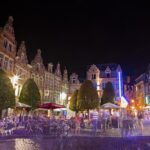
- Grand Place: the city’s postcard, with real context
- Everard t’Serclaes Monument: a statue with a backstory
- Tintin Mural: pop culture you can actually photograph
- Manneken Pis: yes, it’s small. No, it’s not minor
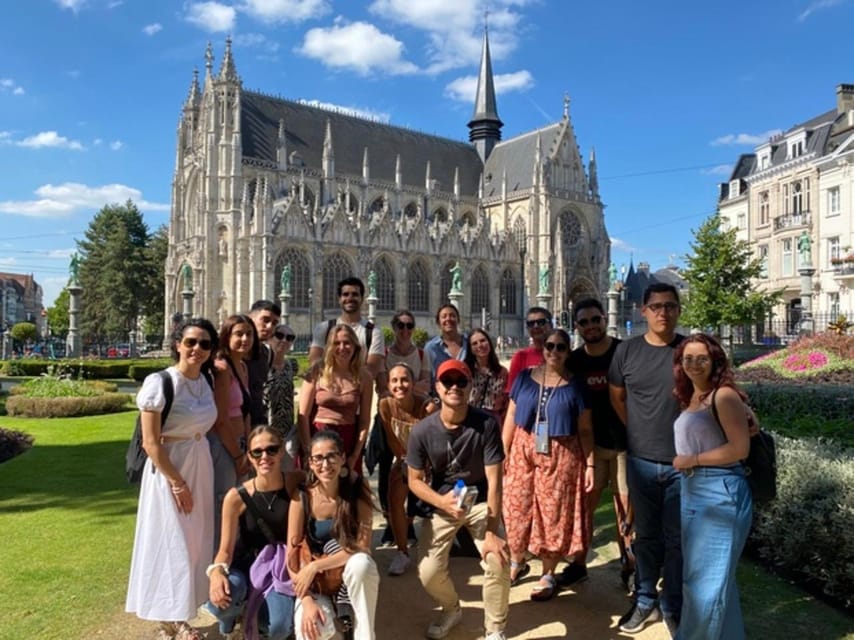
- Church of Notre-Dame de Sablon: your best break (and a short interior moment)
- Palace of Justice: a big stone statement
- Petit Sablon park and Square area: a calmer pocket
- Musical Instrument Museum: culture with a practical payoff
- Mont des Arts and the Carillon Clock: photos, views, and sound
- St. Michael and St. Gudula Cathedral: the finish that feels like a reward
- Galeries Royales Saint-Hubert: end in a stylish corridor
- The guide factor: humor, questions, and recommendations
- Practical planning: water, no bathroom, and short stops
- Payment options and what’s actually included
- Who this Brussels walk suits best
- Should you book this tour?
- FAQ
- Where do I meet the guide?
- What are the main sights on the tour?
- How long is the walking tour?
- What languages are offered?
- What’s included, and is the church entrance always covered?
- Is there a bathroom on the tour?
Key highlights to know before you go
- A 2.5-hour route that hits Brussels essentials efficiently
- PDF tour guide with city and country info, plus food and chocolate tips
- Major landmarks in one walk: Grand Place, Sablon, Mont des Arts, cathedrals, Royal Galleries
- Short interior time at the Church of Notre-Dame de Sablon (if the schedule fits)
- A guide-led mix of history, curiosities, gastronomy, and humor
- No toilets during the walk, so plan water and breaks wisely
Getting your bearings on Brussels’ most walkable sights
If you’re landing in Brussels and want the city to make sense quickly, this is built for that moment. The route stays in the center, and it threads together the visual “greatest hits” with the little background details that turn landmarks into living places.
A huge advantage is the PDF guide that you receive. Even if you’re not a big reader during a trip, this kind of extra material helps you connect dots later. The PDF is described as including information about the city and country, plus the kinds of recommendations people actually use: where to eat, where to try Belgian chocolate, and even nearby cities to visit next.
And the vibe matters. Multiple guides are cited in the feedback, including Estraf and Ariel, and they’re described as funny and engaging while answering questions with enthusiasm. That matters on a walking tour, because you’re paying for momentum and clarity, not just standing still.
You can also read our reviews of more guided tours in Brussels

Price that’s low on paper, but don’t forget the end tip
The listed price is $3.39 per person for a 2.5-hour guided walk. On its own, that number sounds almost unreal for a live guide, and that’s likely why this tour earns such a strong overall score (5/5 across 73 reviews).
But here’s the important balancing act: the tour data also says there’s an end contribution for the guide of 10–25€. That’s not optional in the sense of “you can skip it,” so you should treat it as part of the real cost of the experience.
If you plan for both, you’ll feel good about value. You’ll get a tight route, a professional guide, a PDF packed with practical ideas, and entrance included for the Church of Notre-Dame de Sablon for schedules where it applies.
Where the tour starts: Grand Place meeting point
You meet at the door of Hôtel de Ville on Grand Place, and the guide is easy to spot: a red hat with a Spanish drape. That’s one of those small logistics choices that make a city tour go smoothly. Less wandering means more time enjoying the route.
From the start, you’re positioned in the heart of Brussels. That matters because Grand Place isn’t just scenic; it’s the city’s stage. As soon as you begin, you’ll understand why Brussels feels like it’s built on showmanship.
Stop-by-stop: what each landmark gives you
Below is what you can expect at the main stops, and why each one belongs in a “first-time” Brussels loop.
Grand Place: the city’s postcard, with real context
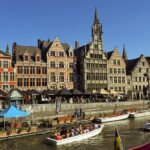
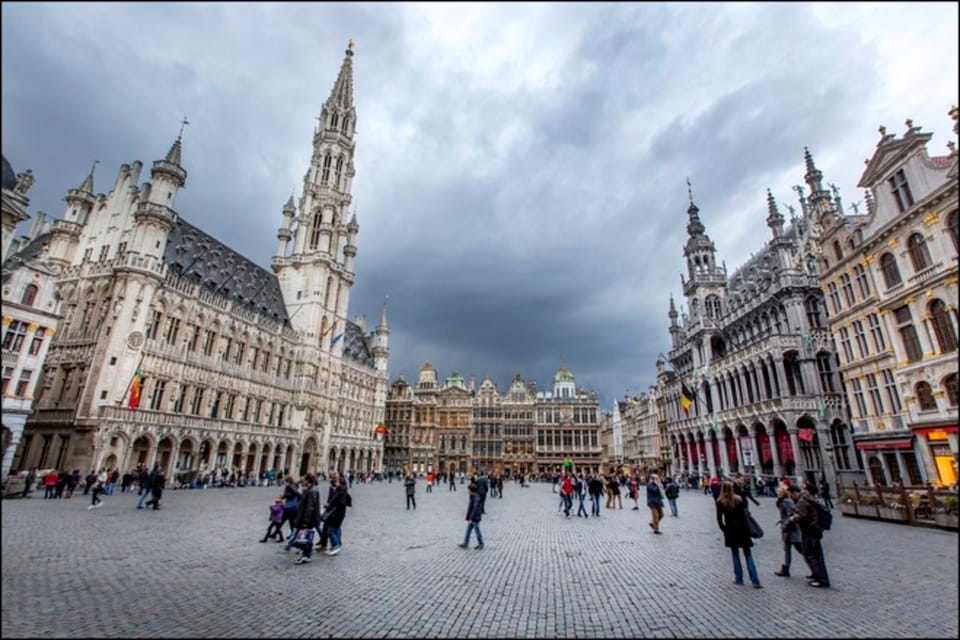
The tour begins at Grand Place and includes a visit there. This is the obvious highlight, but the value is in what you learn while you’re standing among the buildings. Grand Place isn’t only pretty; it’s the symbol of civic power and prosperity that Brussels projected outward for centuries.
I like that this stop is early. You see the atmosphere when your legs are fresh and you can focus on details without rushing.

Everard t’Serclaes Monument: a statue with a backstory
Next comes the Everard t’Serclaes Monument. You’ll get the kind of explanation that turns a random monument into a clue about local identity. Brussels has plenty of decorative sights; it also has moments that hint at political courage and legend.
The drawback here is timing. If you’re hoping for long stops to read everything, a walking tour keeps things moving. You’ll get the key ideas, but you may still want to come back later for slower exploring.
Tintin Mural: pop culture you can actually photograph
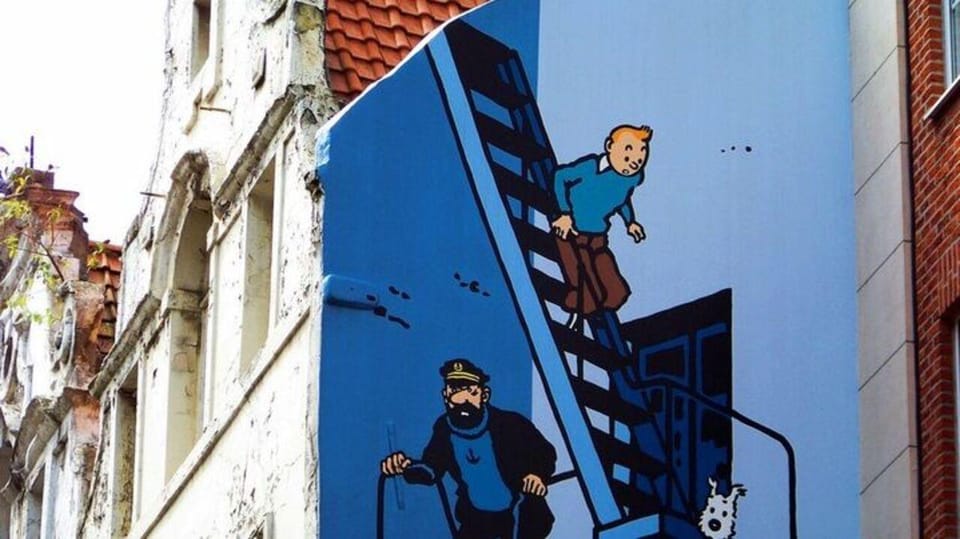
Then the tour heads to the Tintin mural. This is a fun, modern pivot from the older center. It works because Tintin is instantly recognizable, so even if you’re new to Belgian culture, you’ll feel oriented fast.
Bring your camera. The mural is a quick win, and it’s the kind of stop you’ll appreciate even if you’re not a comics person.
Manneken Pis: yes, it’s small. No, it’s not minor
After that: Manneken Pis. It’s tiny compared to how it’s talked about worldwide, but that’s exactly why it’s worth a guided stop. A good guide explains the symbolism and the traditions tied to this famous figure, instead of treating it like a must-see without meaning.
One practical thought: this is one of those places that tends to attract crowds. Your timing is handled by the tour flow, which helps you avoid wasting time standing in a line with no plan.
Church of Notre-Dame de Sablon: your best break (and a short interior moment)
The Church of Our Blessed Lady of Sablon (Notre-Dame de Sablon) is both a major sight and your break time. The tour includes a short break and also mentions a free interior visit for about 5–10 minutes (timing depends on the schedule). Entrance to the church is listed as included, though it “may not apply to the 5:00 p.m. schedule.”
This stop is also where the tour builds in one of the few chances to pause for liquids. That matters because the tour data clearly states: there are no toilets on the tour. If you’re going in summer, this is your cue to bring water and use that brief stop wisely.
Even if your interior time is short, it’s enough to appreciate the shift in mood you get when you step into a quieter, more reflective space.
Palace of Justice: a big stone statement
The itinerary includes Palace of Justice. This is the “scale” stop. You’ll see how Brussels can feel monumental and serious, like the city is making an argument with architecture.
If you like photo angles, this is one of those places where the guide’s orientation helps. You don’t have to guess where the dramatic perspective is.
Petit Sablon park and Square area: a calmer pocket
Next up: Place du Petit Sablon, Brussels. It’s tied to the church area, and it gives you a breather between grand buildings. Even on a tight tour, these open-air pockets matter. They let you reset your pace and look around without feeling like you’re always “on.”
Musical Instrument Museum: culture with a practical payoff
The tour includes the Museum of Musical Instruments. This is a smart stop because it’s not just visual landmark tourism. It adds a sense of Belgian creativity and craft, and it gives you something to think about beyond stones and façades.
That said, museum time on a walking itinerary tends to be more “see and appreciate” than “deep study.” If you want to linger longer, plan on returning later with your own schedule.
Mont des Arts and the Carillon Clock: photos, views, and sound
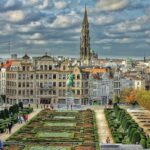
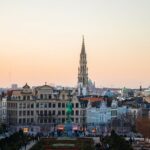
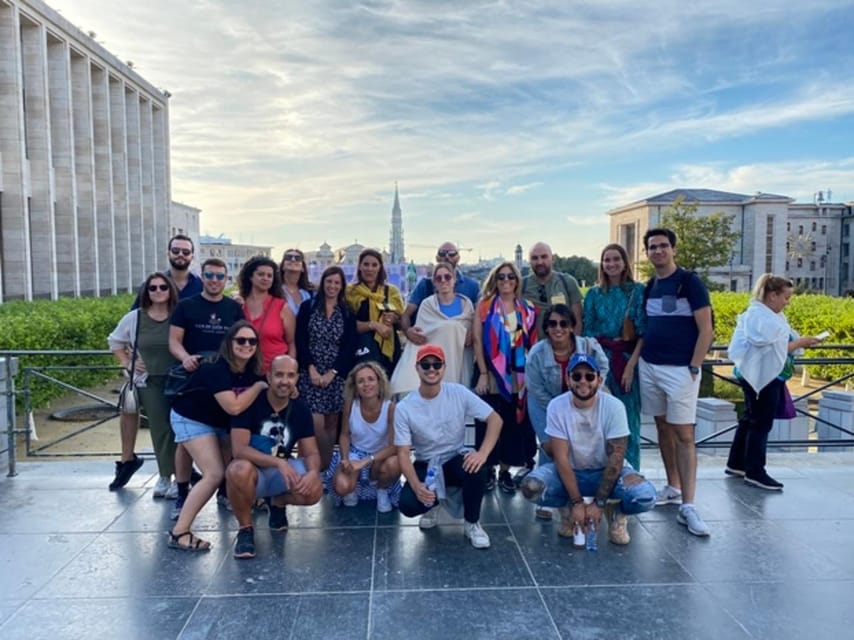
Then you hit Mont des Arts and the Carillon of the Mont des Arts. The tour includes a break for photos and a short visit, followed by time around the carillon.
This is where the route becomes satisfying even for people who don’t know much about the city yet. The Mont des Arts area gives you angles and sightlines you don’t get from street level, and the carillon is the kind of detail that makes Brussels feel European and specific.
The one consideration: sound and timing can be unpredictable. If you’re going at a busy hour, you may not hear everything clearly depending on crowds and what’s happening at that moment.
St. Michael and St. Gudula Cathedral: the finish that feels like a reward
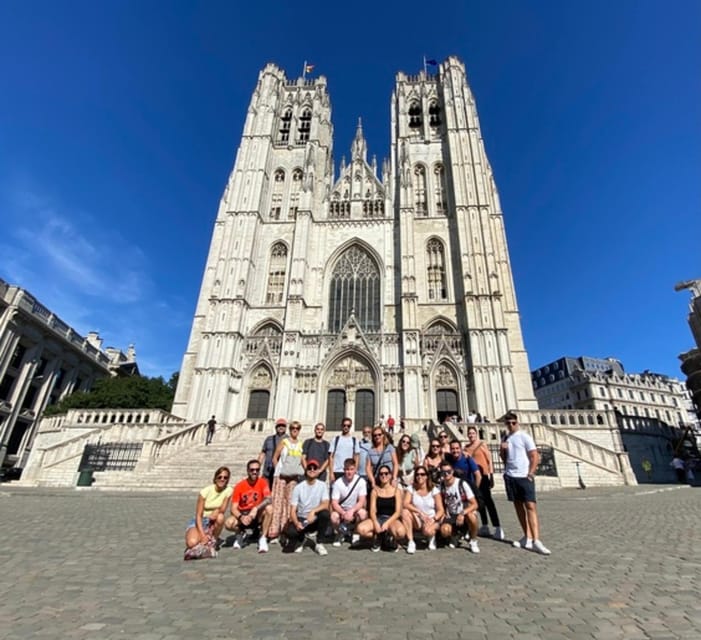
Finally, you reach St. Michael and St. Gudula Cathedral. This is a classic finishing point for a center-walk because it tends to feel grand without being scattered across the city.
A guide-led stop helps here, too. Even if you only have a short visit, you can catch the themes that make the cathedral important locally, and why it fits the whole story you’ve been building from Grand Place onward.
Galeries Royales Saint-Hubert: end in a stylish corridor
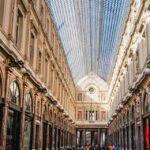
The tour ends at Galeries Royales Saint Hubert. This is a fitting close: it’s elegant, central, and easy to use as your base for the rest of the evening. It’s the kind of place where you can keep exploring after the tour without needing transport.
It also makes sense for logistics. You’ve finished in a central hub, so your next step can be food, chocolate, shopping, or just walking off the route.
The guide factor: humor, questions, and recommendations
What repeatedly stands out in the feedback is how guides handle the room. People cite guides like Estraf and Ariel for being funny and for giving recommendations that actually help once you’re out the door.
That’s not a small thing. A walking tour can either be a lecture you tolerate or a story you follow. Here, the tone described is relaxed and fun while still packed with information. You get answers to questions, not just a one-way script.
And the “gastronomy and best Belgian chocolate” angle is useful. The PDF is meant to back it up, so you’re not stuck guessing where to go next.
Practical planning: water, no bathroom, and short stops
This tour moves at a steady walking pace. The main practical rules are simple, and they’re worth repeating because they affect comfort:
- Bring water. Brussels gets hot in summer, and dehydration ruins city walking.
- Use the Sablon area break smartly. The tour states there are no toilets on the tour, and the only stop listed for liquids is around the Church of Notre-Dame de Sablon.
- Expect short visits. This is a 2.5-hour loop, so you’ll be guided to the right spots, but you won’t have hours at each landmark.
If you’re the type who likes to read every plaque and take your time, you’ll still enjoy the tour, but it’s best as your “first bearings” experience. Then come back later for longer self-guided time.
Payment options and what’s actually included
From the information provided, the tour accepts virtual payments including Bizum and PayConiq, plus all types of cards. Cash is always accepted, too.
What’s included:
- A professional tour guide
- A PDF tour guide for Brussels/Belgium
- Entrance to the Church of Notre-Dame de Sablon, which may not apply to the 5:00 p.m. schedule
What’s not included:
- The end contribution for the guide (10–25€)
One more small note: the itinerary mentions a “Palace of Justice” visit and a museum stop, but it doesn’t specify extra museum ticket inclusions beyond the church entrance. If you care about exact museum access and timing, double-check your schedule before you go.
Who this Brussels walk suits best
This tour fits you if:
- You want a quick, central route that covers the essentials without hopping around town.
- You like a guide who connects history, curiosities, and food into a single narrative.
- You’ll actually use a PDF guide later to plan the rest of your trip, including chocolate stops and nearby city ideas.
It may not be ideal if:
- You want long, unhurried time inside museums and churches.
- You need frequent toilet access during a walk (since the tour says there are no toilets on the tour).
Should you book this tour?
I think it’s a strong choice for a first Brussels visit. The combination of a compact route, a PDF that supports your planning, and a guide style described as funny and question-friendly gives it real practical value. It’s also priced low on paper, and when you factor in the required end contribution, it still comes out as a reasonable way to cover a lot of the city’s top sights in one go.
If you want the city to click quickly, start here. Then use the remaining hours of your day for slower returns to the places you liked most.
FAQ
Where do I meet the guide?
You meet the guide at the door of the Hôtel de Ville on Grand Place. The guide is described as wearing a red hat with a Spanish drape.
What are the main sights on the tour?
The stops include Grand Place, Everard t’Serclaes Monument, Tintin mural, Manneken Pis, Church of Notre-Dame de Sablon, Petit Sablon Park/Place du Petit Sablon, Palace of Justice, Musical Instrument Museum, Mont des Arts and its carillon clock, St. Michael and St. Gudula Cathedral, and ends at Galeries Royales Saint Hubert.
How long is the walking tour?
The duration is 2.5 hours (starting times depend on availability).
What languages are offered?
The live tour guide offers Spanish and English.
What’s included, and is the church entrance always covered?
You get a professional guide plus a PDF tour guide. Entrance to the Church of Notre-Dame de Sablon is included, but it may not apply to the 5:00 p.m. schedule.
Is there a bathroom on the tour?
The tour data says there are no toilets on the tour. It also mentions only one stop to stock up on liquids around the Church of Notre-Dame de Sablon.