REVIEW · BRUSSELS
Ghent and Bruges Full Day Tour from Brussels
Book on Viator →Operated by Al Tahadi Dubai · Bookable on Viator
Two medieval cities in one packed day. I like that this Brussels tour gives you Ghent and Bruges in a single run, with a guide steering you toward the big architectural hits and the stories behind them. It’s built for people who want history on the clock, plus enough free time to actually enjoy the streets.
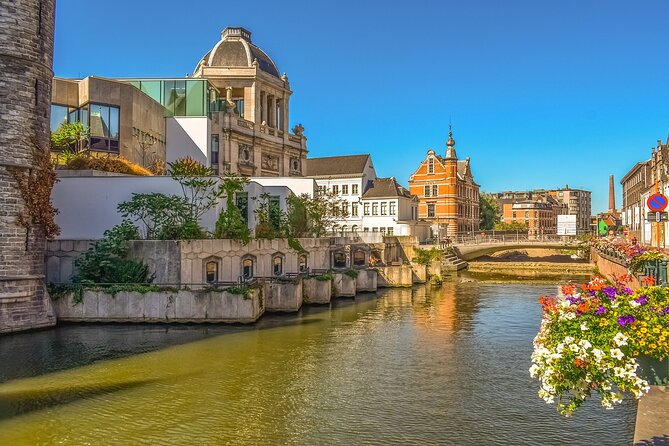
I especially like the hands-on landmark route in Ghent, from St Bavo’s Cathedral and the City Hall to the Belfry and St Nicholas’ Church, with a stop at the medieval harbour and the fortress tied to the Counts of Flanders. And in Bruges, I like how the focus stays on the recognizable must-sees—Minnewater, the Beguinage, Basilica of the Holy Blood, Bell Tower, Church of Our Lady, and St John’s Hospital—so you leave with a clean picture of what makes the city tick.
One thing to consider: the tour format can feel a bit less interactive than some small-group tours, with a microphone setup and headsets, and the pacing depends on the English/French flow. If you want lots of Q&A and back-and-forth, you may find it a little lecture-like.
In This Review
- Key things I’d pay attention to
- Price and Logistics: does this Ghent and Bruges day trip feel like value?
- Your Brussels pickup and the day’s timing (9:00 start, then back again)
- Ghent in 5 hours: cathedral, belfry, harbour, and the Counts of Flanders fortress
- Bruges after lunch: Minnewater, the Beguinage, and the whole greatest-hits loop
- How the canal boat option fits (and when it’s worth adding)
- Group size, guide style, and the headset reality
- Walking comfort: what to wear and how to pace your day
- Lunch and free time: how to make it feel less rushed
- Value check: when this tour shines and when it doesn’t
- Should you book this Ghent and Bruges full day tour from Brussels?
Key things I’d pay attention to
- Guides with real city-depth: I’ve seen names like Stefan and Bruno mentioned, and the storytelling is the point.
- Ghent’s fortress stop: not just churches—this includes the Counts of Flanders power site.
- Bruges highlights are grouped: Holy Blood, Bell Tower, Our Lady, St John’s Hospital, plus Minnewater and the Beguinage.
- Canal boat time is optional: it’s there if you want a calmer way to view Bruges.
- Headsets can change the vibe: some people prefer more interaction.
- Walking is part of the deal: you’ll get between sights, not just quick photo pulls.
Price and Logistics: does this Ghent and Bruges day trip feel like value?
At $111.75 per person for about 10 hours, you’re paying for a guided two-city hit from Brussels, not just transportation. That matters because you’re getting a structured route through the most famous sights rather than trying to stitch together schedules on your own.
The itinerary also lists admission tickets as free for the activities at both stops, which can help the math in a big way. Even when you’re not paying for every single ticket, having the guide point out what’s worth your time (and where) saves energy.
You do need to be realistic: this is a packed day with walking, and you’re not staying overnight in either city. If you want a relaxed café crawl and slow wandering, you’ll feel the clock. If you want a clear hit list—plus context—you’ll likely feel satisfied.
You can also read our reviews of more tours and experiences in Brussels
Your Brussels pickup and the day’s timing (9:00 start, then back again)
The tour starts at 9:00 am at Bd de Berlaimont 18, 1000 Bruxelles and ends back at the same meeting point. That round-trip structure is convenient when you don’t want to think about rail schedules, parking, or local bus navigation.
Expect the rhythm to be: arrive, get guided orientation, then break up time for independent exploring. You’ll see the key Ghent sites, then move on to Bruges after lunch time. The tour is designed to keep you moving, but it also aims to give you room to breathe inside each city.
One practical tip: arrive early at the meeting point. There’s a cautionary story behind this kind of tour—if you miss the departure due to a mishap en route, it can end in a lost day and no refund. That’s not unique to this operator; it’s how these set-departure tours usually work.
Ghent in 5 hours: cathedral, belfry, harbour, and the Counts of Flanders fortress
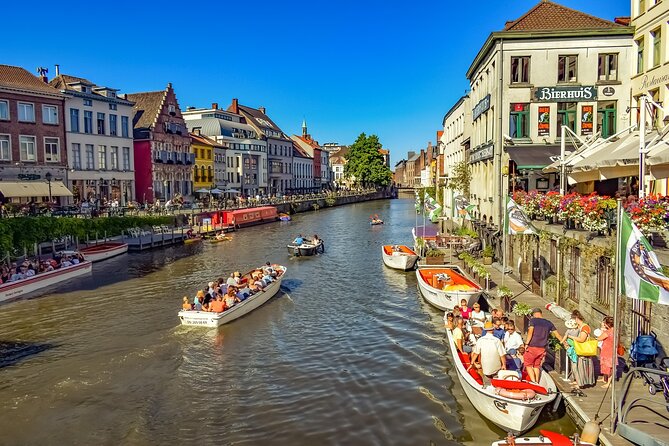
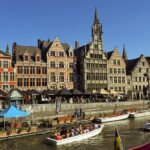
Ghent gets the first spotlight, and it’s a strong choice. In five hours, you’re not just ticking off a couple of photos—you get a sense of how the city looks and why it matters.
Here’s what the Ghent walk focuses on:
- St Bavo’s Cathedral and its place in the city’s religious power
- City Hall and the political identity that comes with that architecture
- The Belfry, a signature symbol in this region
- St Nicholas’ Church for more heritage variety
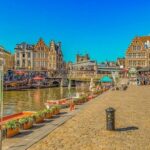
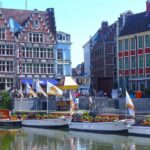
- The medieval harbour, where the city’s commercial life comes into view
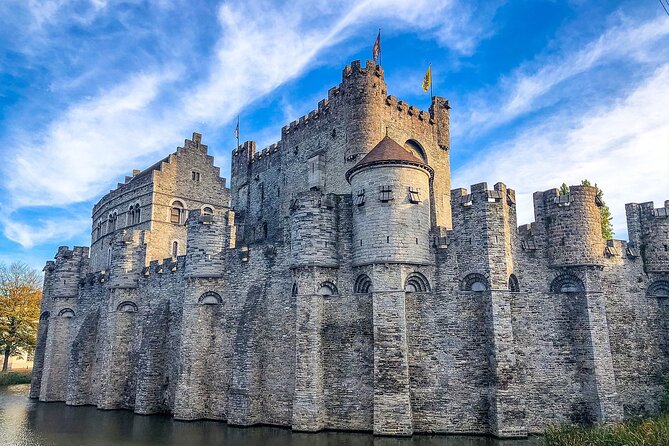
- A guided look at the fortress that was the former residence of the Counts of Flanders
What I like about this list is the balance. You’re seeing religious monument, civic pride, and the kind of military seriousness that ruled daily life long before modern laws and police. The harbour stop also helps you picture where people gathered—students, tourists, and locals—so you can connect the past to the present street scene.
A quick drawback to plan around: five hours sounds generous until you realize you’ll also spend time walking between points and listening to the guide. If you want extra time inside a specific building, you may need to accept that you’ll do more exterior viewing than deep museum time.
Bruges after lunch: Minnewater, the Beguinage, and the whole greatest-hits loop
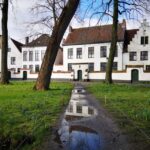
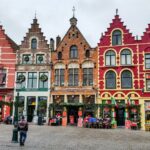
Bruges runs on charm, and the tour leans into it with a logical highlight order. After lunch in Bruges, you get a photo stop at the banks of Minnewater, then a visit to the Beguinage.
That pairing works well. Minnewater is the kind of place where you get instant mood—quiet water, reflective views, and easy “turn your phone to the side” composition. Then the Beguinage adds a social-history layer, so you aren’t only chasing pretty buildings.
From there, the guide connects the dots with a story that covers Bruges from early eras through its downfall at the end of the Middle Ages. The big payoff is that you start to understand why certain monuments look the way they do, and why these groups of buildings are clustered where they are.
Then you see many of Bruges’ best-known sights in one sweep:
- Basilica of the Holy Blood
- Bell Tower
- Church of Our Lady
- St John’s Hospital
And yes, you get that all-important ability to wander a bit on your own after the orientation, so you can slow down where something catches your eye.
One thing to keep in mind: in Bruges, the streets can feel like they were designed for photos, which means you’ll occasionally bump into crowds near the most famous corners. The tour helps because you’re guided through the bottlenecks instead of trying to guess your way there.
How the canal boat option fits (and when it’s worth adding)
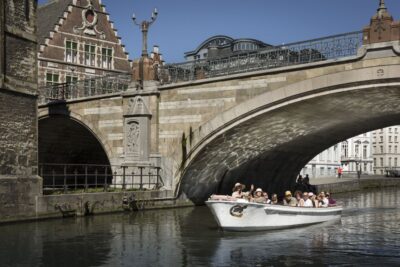
The tour includes the opportunity for a pleasant boat trip on Bruges’ narrow canals. The key word here is opportunity—so think of it as an add-on if your schedule and budget allow.
A canal ride makes sense on a day like this because it gives your legs a rest and adds a different viewpoint than walking streets. It’s also a great way to see the layout: the bridges, the curve of the canals, and how the buildings relate to the water.
If you’re the type who loves photos and low-effort scenery, you’ll likely enjoy it. If you’re not interested in boats, don’t force it—use that time to explore a quiet corner street or grab a slower snack.
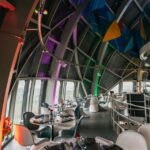

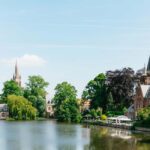

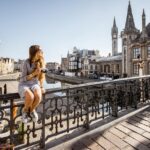

Group size, guide style, and the headset reality
This is where expectations matter.
The tour is capped at a maximum group size, and that sounds ideal for conversation. Still, I’ve also seen feedback that the bus and group size can sometimes feel larger than expected, which affects how much personal attention you get.
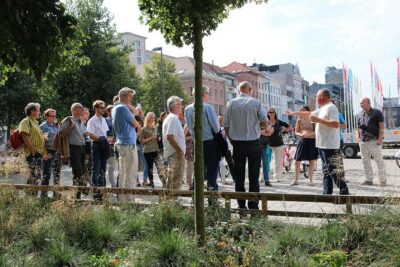
The guide presentation style can also be a factor. One review mentioned a setup where the guide spoke into a microphone while people followed using headsets, and that it felt impersonal. Another person praised a guide for being very patient and knowledgeable, which suggests the experience can swing depending on the guide and the day.
Language timing can be part of the experience too. Even if the tour is offered in English, I’ve heard that it can run with English and French, meaning you may wait for your language track. If you’re strong in English and want fast movement, that waiting can be annoying. If you don’t mind it, the payoff is you still get the full route.
Guides you may encounter include Stefan and Bruno (names that came up in feedback). Drivers mentioned include Farooq and Daniel, and those names matter because a smooth bus transfer day helps everything else work.
Walking comfort: what to wear and how to pace your day
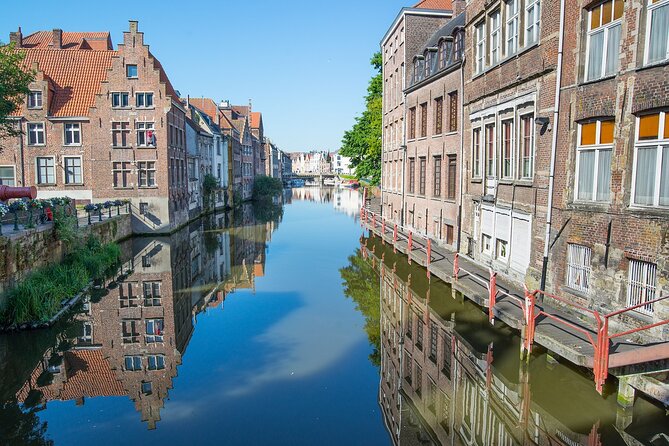
This tour is a walking day. Ghent and Bruges both reward foot travel, but they punish poor shoe choices.
Plan on:
- steady walking between major sights
- frequent stops for explanation and regrouping
- a late-day fatigue factor, especially in Bruges
So wear comfortable shoes you’ve already used. Bring a light layer. Even in good weather days, you’ll be outside for long enough that temperatures can shift.
Also, keep your phone charged. These cities are photogenic to the point where you’ll keep wanting to stop. A canal ride, a harbour view, and Minnewater photos are the kind of things you’ll want later, not just right now.
Lunch and free time: how to make it feel less rushed
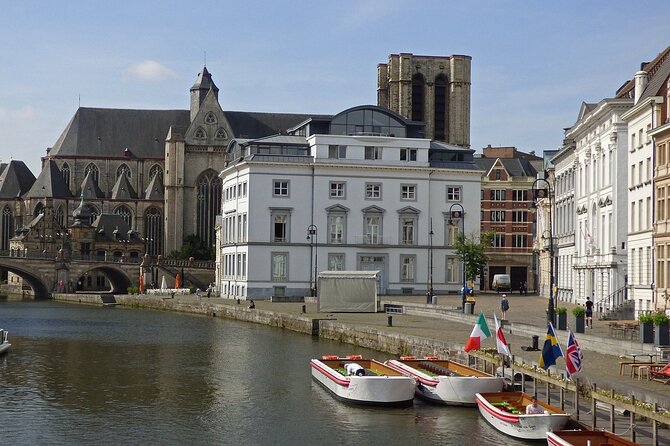
Bruges includes lunch time before the tour’s highlights continue. But the tour doesn’t spell out that lunch is provided, so treat it like: you’ll have time to find food where you want.
This is actually a good thing. If you’re picky about meals or want a Belgian beer stop, you’ll have options in Bruges because the city is built for wandering. One person also described splitting off briefly during the second stop to do something else on their own—so if you stay flexible and communicate with the guide, you can sometimes customize your day.
Still, don’t disappear too far. This is one-day touring, and you’re working within a shared timetable. If you do get separation time, stay within easy walking distance so you can rejoin quickly.
Value check: when this tour shines and when it doesn’t
This tour is a smart pick if:
- you have limited time in Belgium and want two top cities in one day
- you care about the stories behind the monuments, not just selfies
- you like structure and want someone to point out what matters
- you’d rather do guided routes than plan every turn
It may be less ideal if:
- you want a small-group feel with lots of direct Q&A
- you strongly dislike headset-style guidance
- you need long museum-style time inside buildings
- you’re prone to missing scheduled departure times (arrive early, no exceptions)
The big strength is that it makes Ghent and Bruges feel coherent. You’re not just staring at pretty facades. You’re getting the civic and religious framework in Ghent, then the social and medieval storyline in Bruges, plus the option for canals.
Should you book this Ghent and Bruges full day tour from Brussels?
I’d book it if you’re visiting Brussels and you want your day to feel organized. This trip is built for first-timers who want the “greatest hits” without spending hours on logistics.
I’d think twice if you hate group pacing or if you want deeper, slower experiences inside one building. Also, if your travel day is messy—missed connections, accidents, or delays—this is the kind of schedule where you can lose the whole day. If your plans are tight, give yourself a bigger buffer getting to the meeting point.
If you want a clean, photo-friendly, history-guided introduction to two of Belgium’s most famous cities, this is a solid choice.