REVIEW · BRUSSELS
Brussels: Hop-On Hop-Off Bus Tour
Book on GetYourGuide →Operated by Tootbus · Bookable on GetYourGuide
Brussels is a city you can see fast. This hop-on hop-off bus lets you do it your way, with open-top views and an audio guide that keeps you oriented. You can ride the full loop, hop off for photos or museums, then jump back on when you’re ready.
I love the freedom of choosing your own pace. The red route hits the big names like Atomium, Grand Place, and Manneken-Pis, plus it links you to areas such as the European quarter and the Marolles neighborhood.
I also like that it’s built for convenience: you get an app with real-time tracking, onboard Wi‑Fi, and included walking tours. One drawback to plan around is simple: you still need to keep an eye on stop locations and timing, because the commentary is audio-based and you’re the one steering your schedule.
In This Review
- Key things I’d plan around
- Why the Brussels red route works so well for a short visit
- Price and how to judge value at $29 per person
- Getting on board: where to start and how the route feels in practice
- Your audio guide experience: languages, kids’ audio, and what to expect
- Stop-by-stop: what each red-route stop is good for
- Central Station (33 rue Cardinal Mercier): your easiest starting hub
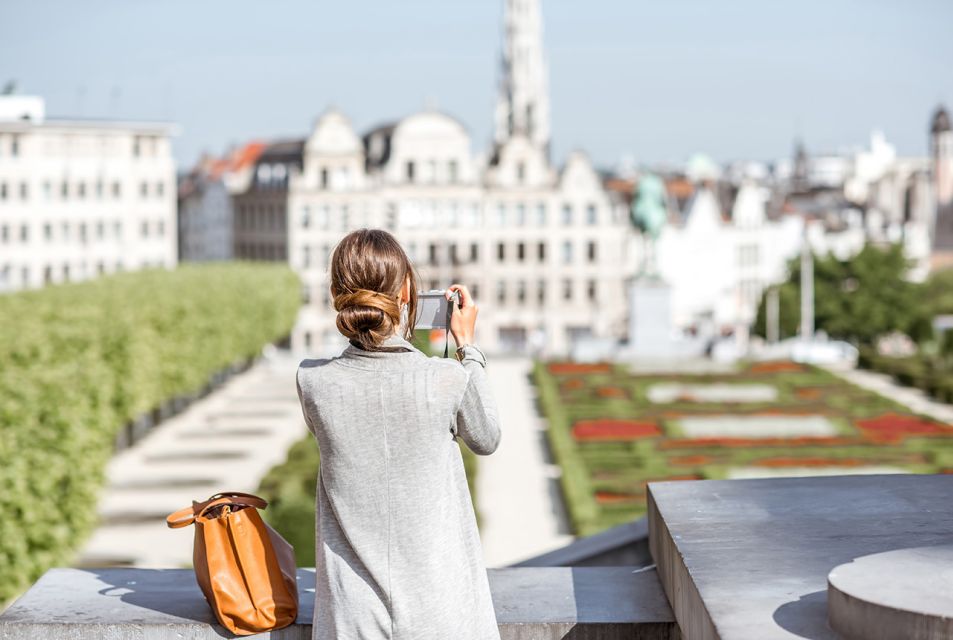
- Place Royale (5 rue de la Montagne de la Cour): royal views and a good photo pause
- Luxembourg (2 Place du Luxembourg): strong landmark district energy
- Cinquantenaire (59A Avenue d’Auderghem): museum-and-building zone feel
- Flagey (Chaussée d’Ixelles): a calmer checkpoint for wandering
- Poelaert / Louise / Courthouse (58 rue de la Régence): a strong central landmark access point
- Grand Place / Manneken-Pis (68 rue du Lombard): the icon stop you’ll want to linger at
- Bourse (16-18 rue des Poissonniers): a city-center stop for easy wandering
- Tour & Taxis / Maritime Station (1 rue Picard): helps you reach farther sights
- Atomium (Bld du Centenaire): the photo magnet
- De Broukere / Monnaie (21 rue de l’Evêque): end your loop with a central beat
- Museums and districts: how the route strings Brussels’ highlights together
- The open-top deck and timing: how to avoid the rainy-day regret
- Small rules that matter: luggage, food, and onboard comfort
- Who this bus tour is best for
- Should you book this Brussels Hop-On Hop-Off (red route)?
- FAQ
- FAQ
- How long is the Brussels Hop-On Hop-Off bus ticket valid?
- Where can I start the red route?
- What’s included with the ticket?
- Does the bus have audio in multiple languages?
- What are the red route operating hours during the listed period?
- Is the tour wheelchair accessible?
- Is food included in the price?
Key things I’d plan around
- 11 easy start points across Brussels, so you can begin where you’re already staying
- Audio in 11+ languages plus a kids’ guide, with earbuds or your own
- Clean-energy buses with onboard Wi‑Fi, ideal for rainy or windy days
- Free walking tours that pair well with a bus ride (use them to add context on foot)
- Photo-friendly stops like Place Royale and the Atomium for strong skyline shots
- Two-day ticket value if you want repeat stops instead of racing through everything
Why the Brussels red route works so well for a short visit
If you’re in Brussels for a day or two, you need a backbone plan. This bus ticket gives you that backbone without locking you into a rigid schedule, because you can hop on and off at any of the stops along the route.
The red route is focused on the most recognizable highlights. You’ll pass major landmarks and key districts, then you can spend your time where it actually matters to you—cathedral area, royal square views, museum zones, or photo moments from the upper deck.
And yes, the open-top experience is part of the appeal. Even when the weather isn’t perfect, being up top helps you spot what’s around the bend and line up pictures before you decide whether to get off.
You can also read our reviews of more tours and experiences in Brussels.


Price and how to judge value at $29 per person
At $29 per person, this is priced like a “do most of the work for me” city pass. The value comes from the mix: you’re paying for transportation plus guided context (audio) plus extra walking time (free walking tours), not just a seat on a bus.
If you’re only here for a few hours, a 24-hour ticket can be enough to hit the icons and orient yourself. If your trip is more relaxed—say you want one day for sights and another day for museums—going longer (the ticket is available for 24 or 48 hours) tends to feel smarter than trying to do everything in one sprint.
Also, you’re not paying extra for basic extras that often cost money elsewhere. You get onboard Wi‑Fi, and you can use the app features like real-time bus tracking and the audio commentary on your phone.
Getting on board: where to start and how the route feels in practice
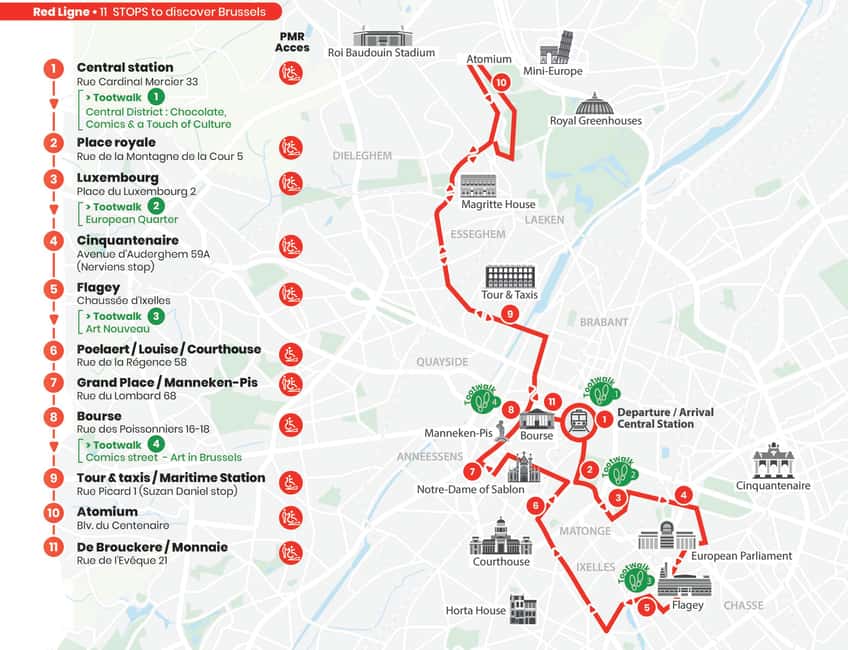
You can start at any stop on the red route (there are 11). That’s a big deal in Brussels, where neighborhoods can be close on a map but slow on foot.
Here are the red-route stops you can use as your anchors:
- Central Station: 33 rue Cardinal Mercier
- Place Royale: 5 rue de la Montagne de la Cour
- Luxembourg: 2 Place du Luxembourg
- Cinquantenaire: 59A Avenue d’Auderghem
- Flagey: Chaussée d’Ixelles
- Poelaert/Louise/Courthouse: 58 rue de la Régence
- Grand Place/Manneken-Pis: 68 rue du Lombard
- Bourse: 16-18 rue des Poissonniers
- Tour & Taxis/Maritime Station: 1 rue Picard
- Atomium: Bld du Centenaire
- De Broukere/Monnaie: 21 rue de l’Evêque
Buses run on a set rhythm. For the listed seasonal period (Sept 30, 2025 to Dec 31, 2025), the red route runs from 10:00 AM to 5:00 PM, with buses every 30 minutes. Outside that window, you’ll want to check the provider’s timetable so you don’t plan your day around the wrong schedule.
The practical win is the app. If you download it before you go, you’ll be able to use the M-ticket wallet, real-time bus tracking, and the audio commentary without constantly flipping between paper and phone.
Your audio guide experience: languages, kids’ audio, and what to expect
The bus includes an audio guide for adults and a separate kids’ audio guide. There’s also commentary via the app, and the language list is excellent: Dutch, English, French, German, Spanish, Italian, Chinese, Japanese, Arabic, Portuguese, Russian.
You’ll use earphones. The ticket includes earphones (or you can bring your own), which matters because Brussels audio can get tricky when you’re sitting near wind or traffic noise.
Two realities to plan for:
- The commentary is prerecorded, so it’s not meant for questions.
- If you pick English, you may hear a script that feels a bit dated in how it references culture—fine for orientation, but don’t expect a live, customized narration.
Tip: use the audio like a “heads-up.” When the guide starts cueing an upcoming stop, that’s your signal to get your camera ready and decide fast—get off for a photo, or stay on for the next district.
Stop-by-stop: what each red-route stop is good for
Think of the 11 stops as tools. You’re not trying to see everything at each one. You’re choosing where to spend time based on your interests.



Central Station (33 rue Cardinal Mercier): your easiest starting hub
Central Station is ideal when you want a simple start point and quick connections to the rest of Brussels. It also works well if your hotel is near transit, since you won’t lose time figuring out how to reach your first stop.
Good use: ride a chunk of the route first, then come back here later as a reset point if you’re looping back through the city.
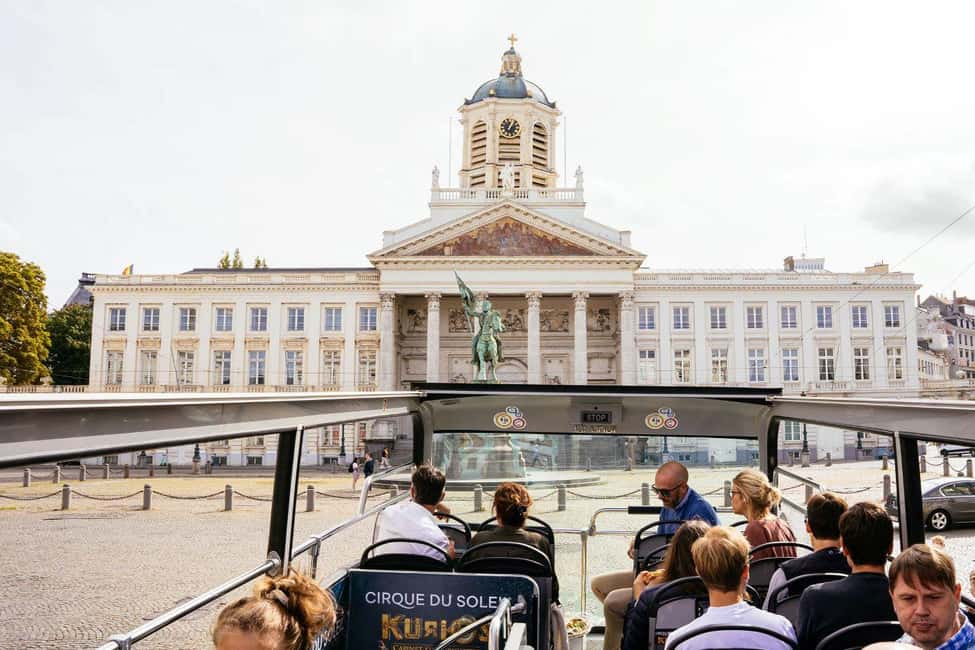
Place Royale (5 rue de la Montagne de la Cour): royal views and a good photo pause
Place Royale is one of the stops that’s explicitly tied to scenery. If you want breathtaking views, this is your cue to get off, look around, and take the shots you’ll remember later.
Good use: treat it like a short break from movement. The bus gives you the lift; Place Royale gives you the payoff.
Luxembourg (2 Place du Luxembourg): strong landmark district energy
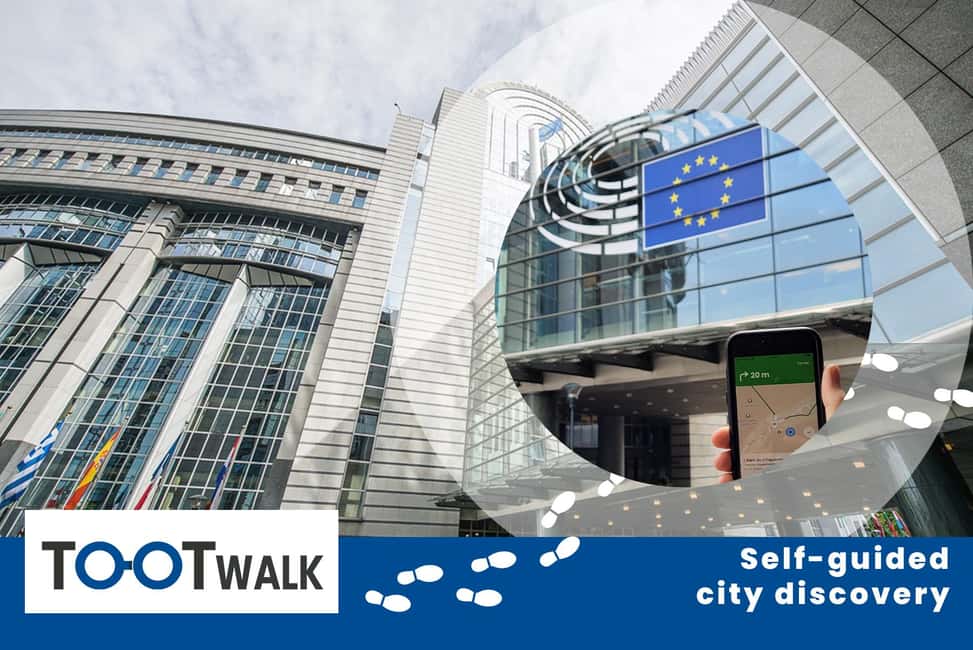
The Luxembourg stop is a gateway to major Brussels sights in the route’s core. It’s also a handy place if you’re tracking the European quarter and bigger institutional areas that are part of the red route’s story.
Good use: get off if you want to walk around the area at your own pace, then rejoin the bus when you’re done.
Cinquantenaire (59A Avenue d’Auderghem): museum-and-building zone feel
Cinquantenaire sits on the route as part of the grander sight-and-structure side of Brussels. If your goal is to see Brussels through its public buildings and museum areas, this stop helps you do it without hopping taxis.
Good use: pair it with a nearby museum visit. The tour includes stops that connect you to museum options such as the Royal Museums of Fine Arts of Belgium and others listed on the route.
Flagey (Chaussée d’Ixelles): a calmer checkpoint for wandering
Flagey is on the route when you want a mid-plan stop—somewhere to step off without committing to the biggest crowds. Since you’re hopping on and off at will, Flagey is a good location to break up your loop.
Good use: use it for a short walk, then get back on before you lose your place.
Poelaert / Louise / Courthouse (58 rue de la Régence): a strong central landmark access point
This stop name is long for a reason: it’s a crossroads for several major points of interest in the route’s middle section. If you want to see Brussels’ landmark cluster without backtracking, this is one of the practical places to get on and off.
Good use: if you see something you want closer access to, this stop can be your quick fix.
Grand Place / Manneken-Pis (68 rue du Lombard): the icon stop you’ll want to linger at
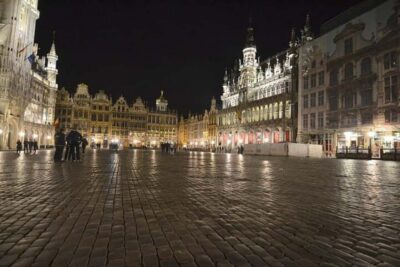
This is the stop you’ll likely build your day around. The red route explicitly calls out Grand Place and Manneken-Pis, so treat this area as your first “must-see” block.
Good use: hop off for photos and a short walk, then hop back on when you’re ready to shift to museums or other neighborhoods.
Bourse (16-18 rue des Poissonniers): a city-center stop for easy wandering
Bourse is your city-center connector stop. If your schedule is flexible, this is a good place to exit for an hour, wander, then reboard at your convenience.
Good use: use it to break up the loop so the day feels less like commuting and more like exploring.
Tour & Taxis / Maritime Station (1 rue Picard): helps you reach farther sights
Some of Brussels is easier to see from farther out than from the center on foot. This stop is part of the red route’s strategy for reaching different parts of the city without spending money on taxis or stressing about transit.
Good use: if you plan to include the more outlying sights like Atomium, this stop helps anchor that direction.
Atomium (Bld du Centenaire): the photo magnet
Atomium is one of the most iconic names on the red route. If you want those wide views and unmistakable shapes, this is the stop.
Good use: plan extra time here. Even if you don’t stay long inside any related spots, the photo opportunities make it worth a real pause rather than a quick look.
De Broukere / Monnaie (21 rue de l’Evêque): end your loop with a central beat
De Broukere / Monnaie is one of the stops that keeps you tied to the central side of the route. It’s a good place to finish your loop and decide what’s next—another bus round, a museum, or a café break.
Good use: after your sightseeing push, pick something nearby and slow down.
Museums and districts: how the route strings Brussels’ highlights together
The red route is described as passing major sights and neighborhood areas, including:
- Palace of Fine Arts
- Sablons quarter
- European Parliament / European quarter
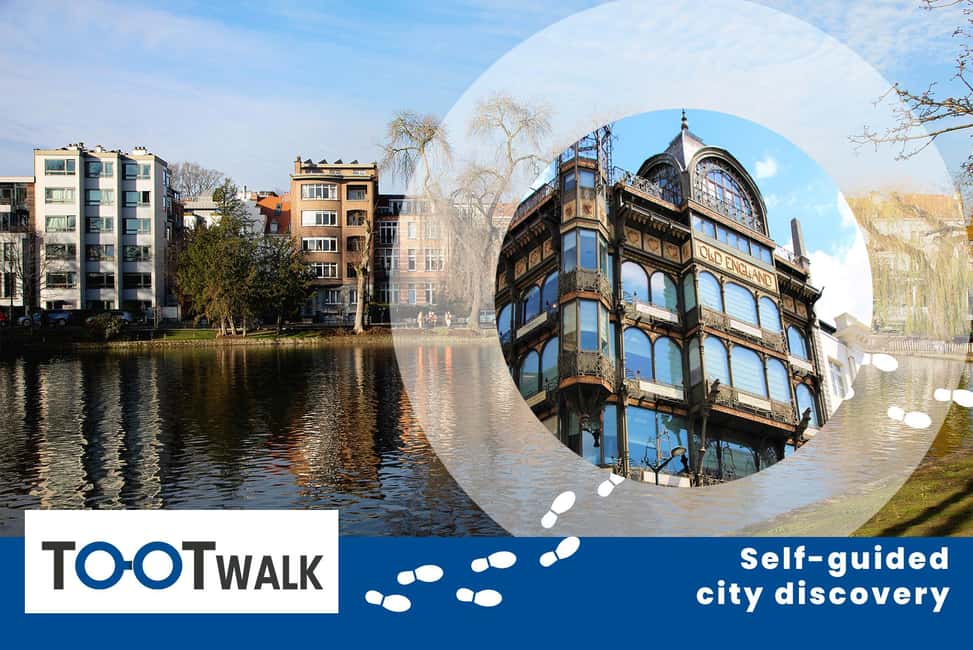
- Museums such as the Musical Instruments Museum, Horta Museum, and the Royal Museums of Fine Arts of Belgium
- Saints-Michel-et-Gudule Cathedral
- Marolles neighborhood (old and new, traditional cuisine, vintage shops, festive atmosphere)
What I like about this setup is that it gives you options without telling you what to love. If museums are your thing, you can turn your bus rides into curated museum hopping. If you prefer neighborhoods, you can spend more time around areas like Marolles, where the tour frames it as a mix of styles and street life rather than just landmark viewing.
The free walking tours are the second half of the puzzle. Use them when you want context you can’t get from just driving by. The walking tours are included, so you’re not paying extra to add foot-level detail to what you’ve already seen from the bus.
The open-top deck and timing: how to avoid the rainy-day regret
The upper deck is where the best views and photos usually come from. If weather is decent, you’ll feel the “Brussels in motion” vibe right away, especially on longer stretches of the route.
If rain or wind hits, don’t panic. You still get onboard Wi‑Fi, you can keep the audio running, and you can adjust your plan at the next stop. That flexibility is the core reason a hop-on hop-off bus works.
Timing tip that keeps you sane: don’t assume you’ll get perfect timing between stops. Aim to reboard at your next convenient stop rather than trying to race the schedule. With buses every 30 minutes, small delays are normal.
Small rules that matter: luggage, food, and onboard comfort
This is a straightforward ride, but there are a few rules that affect your day:
- Oversize luggage isn’t allowed
- Alcohol and drugs aren’t allowed
- Food and drinks aren’t included
So, bring a basic plan for snacks and water. And if you’re traveling with bags, keep them manageable so getting on and off doesn’t become a hassle.
On comfort: the buses are described as clean-energy vehicles, and you also get onboard Wi‑Fi. Earphones are included, and the audio experience is designed to work via both the bus and the app.
Who this bus tour is best for
I think this is a great fit if:
- you’re short on time and want the “big picture” first
- you like making decisions on the fly
- you want an easy way to reach distant sights like Atomium without navigating transit
- you want a kid-friendly audio option without extra planning
It’s also a solid choice if you want a rainy-day plan. The bus keeps you moving, gives you sight breaks, and doesn’t force you into long, exposed walks.
If you already know Brussels extremely well and you only care about one or two places, you might find a full hop-on hop-off loop is more than you need. But for a first visit, it’s hard to beat as a practical starting strategy.
Should you book this Brussels Hop-On Hop-Off (red route)?
Book it if you want maximum coverage with minimum stress. For $29, you’re buying flexibility plus an audio guide in many languages, with the added bonus of free walking tours and onboard Wi‑Fi. The red route also keeps the “first visit hits” close enough to each other that you don’t feel like you’re constantly backtracking.
Skip it (or consider a different approach) if you hate predefined audio scripts and prefer live guides only. You’ll still get good value, but you should expect the narration to be prerecorded, and you’ll be responsible for tracking which stop number you’re at—keep an eye on the app and stop list so you don’t miss your moment.
If you’re even slightly uncertain, the planning feels forgiving because you can cancel up to 24 hours in advance and you can reserve with pay later. That makes it easier to lock in a plan without betting your whole trip on one day.
FAQ
FAQ
How long is the Brussels Hop-On Hop-Off bus ticket valid?
The ticket is available as 24 or 48 hours, and it’s described as valid for 1–2 days based on your chosen option and starting time.
Where can I start the red route?
You can start at any stop on the red route, which has 11 stops, including Central Station, Place Royale, Luxembourg, Cinquantenaire, Flagey, Poelaert/Louise/Courthouse, Grand Place/Manneken-Pis, Bourse, Tour & Taxis/Maritime Station, Atomium, and De Broukere/Monnaie.
What’s included with the ticket?
Included items are the 24 or 48-hour hop-on hop-off bus ticket, earphones (or you can bring your own), audio commentary (on the bus and via an app), a kids’ audio guide, the app, onboard Wi‑Fi, a clean-energy vehicle, and free walking tours.
Does the bus have audio in multiple languages?
Yes. The audio guide is available in Dutch, English, French, German, Spanish, Italian, Chinese, Japanese, Arabic, Portuguese, and Russian, and there is also a kids’ audio guide.
What are the red route operating hours during the listed period?
For September 30th, 2025 to December 31th, 2025, the red route first departure is 10:00 AM and the last departure is 5:00 PM, with buses running every 30 minutes.
Is the tour wheelchair accessible?
Yes, the tour is described as wheelchair accessible.
Is food included in the price?
No. Food and drinks are not included, so plan to bring or buy your own.