REVIEW · BRUSSELS
Brussels: Guided Walking Tour
Book on GetYourGuide →Operated by Bravo Discovery · Bookable on GetYourGuide
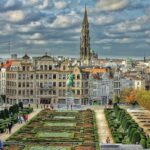
Brussels makes sense on foot. This guided walking tour turns a quick city visit into a clear story of how Brussels grew from medieval street life to royal and modern power, split neatly into Upper City and Lower City.
You’ll cover the historical center at an easy walking pace, learn how the city’s neighborhoods connect, and ask questions as you go.
I love two things most: the way the guide makes the sights feel understandable (not just listed) and the included Belgian chocolate tasting that gives you a sweet, local finish.
The one drawback to plan for is that it is still a 150-minute walk, so you’ll want good shoes and the right weather layers, especially in winter or windy months.
In This Review
- Quick hits from this Brussels walking tour
- Where you meet and how the start sets the tone
- Upper City and Lower City: the smartest way to see Brussels
- Lower City stops: Grand Place, Manneken Pis, and the Senne story
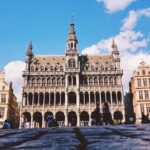
- Grand Place and the buildings that explain the city’s power
- Everard t’Serclaes monument and Charles Buls street
- Manneken Pis and Grands Carmes street
- Marché au Charbon and the industrial-to-daily-life shift
- The Covering of the Senne and why geography matters
- Riches Claires street, Grande Île street, and Saint-Géry Island
- Upper City highlights: Grand Place energy, royal power, and Galeries Royales
- Grand Place merchants vibe and Galeries Royales St Hubert
- Mort Subite: when a landmark also hints at local beer culture
- Cathedral of St. Michael and St. Gudula: stained glass plus the inside view
- Royal Park, Royal Palace, Royal Square, and the Palace of Coudenberg
- The included chocolate tasting: the sweet reason to finish strong
- What the guide actually adds (besides facts)
- Pacing, weather, and group size: the real-world considerations
- Price and value: is $23 worth it?
- Who this Brussels tour suits best
- Should you book this Brussels guided walking tour?
- FAQ
- Where do I meet for the tour?
- How long is the Brussels guided walking tour?
- What languages are available?
- What’s included in the ticket price?
- What is not included?
- Can I cancel and get a refund?
Quick hits from this Brussels walking tour
- Upper City vs Lower City route logic: you’ll see Brussels’ growth in a way that actually clicks.
- Grand Place and the merchant power vibe: the skyline and the details land better after your guide explains them.
- Manneken Pis and the surrounding streets: small landmarks, good stories, and plenty of photo chances.
- Senne history at the Covering: it adds meaning to the geography you’d otherwise miss.
- Inside St. Michael and St. Gudula: stained glass and the Blessed Sacrament Chapel come up close.
- A chocolate tasting that’s included: you leave with a taste of the city, not just a shopping errand.
Where you meet and how the start sets the tone
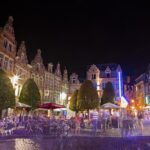
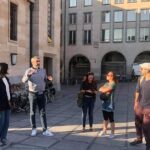
You meet at Grand Place, right in front of the City Hall. Look for the white umbrella with Bravo Discovery. That specific landmark matters here because Brussels can feel like a maze on a first morning, and Grand Place is your visual anchor.
From the start, the tour feels designed for orientation. You’re not just walking from one famous postcard to the next. You’re getting a map in your head: how Brussels is layered, why the streets look the way they do, and which parts of the city shaped the others.
Also, the tour runs with live guides in Spanish, English, and French, so you can pick the language that keeps you fully in the story. And yes, you’ll have time to ask practical questions about restaurants, attractions, nightlife, and public transport while you’re already downtown.
You can also read our reviews of more walking tours in Brussels
Upper City and Lower City: the smartest way to see Brussels
The biggest reason this tour works is the split between Upper City and Lower City. Brussels didn’t grow as one flat grid. It developed in layers—historically and physically. When your route follows that idea, the city stops feeling random.
Lower City is where you start to understand older civic life and the practical streets people used day after day. Upper City then flips the mood: you see royal and merchant influence, big architectural statements, and the city’s official face.
That structure also helps your legs. You’re not doing one endless straight walk. You’ll feel like you’re covering distinct areas, with the guide constantly linking what you see to what came before.
Lower City stops: Grand Place, Manneken Pis, and the Senne story
Lower City is where Brussels’ famous landmarks stack up fast, and the guide’s explanations give you context that makes the photos better.
Grand Place and the buildings that explain the city’s power
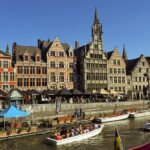
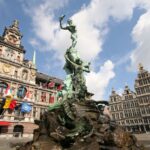
You’ll spend time at Grand Place, and the guide focuses on the message of the square—merchant wealth, civic pride, and the kind of competition that showed up in architecture. You’ll notice how the buildings talk to each other, line up visually, and reinforce why this square became the social center.
If you’ve only ever seen Grand Place from one angle, you’ll appreciate how a walking route changes what you see. The details land because you slow down and learn what to look for.
Everard t’Serclaes monument and Charles Buls street
Next comes a quieter landmark: the Everard t’Serclaes monument on Charles Buls street. It’s the sort of site you could easily pass without understanding. On this tour, it becomes part of the civic story—another piece of how Brussels remembers its people and decisions.
This is also a good moment to catch your breath and reset your camera settings. The guide keeps moving, but the tour doesn’t feel like a sprint.
You can also read our reviews of more guided tours in Brussels

Manneken Pis and Grands Carmes street
Then you reach Manneken Pis, the pocket-sized statue that somehow creates big-city energy. Your guide connects it to the surrounding streets and local references so it’s not only a famous silhouette. You also pass through Grands Carmes street, a stretch that helps you feel the old street network that feeds into central Brussels.
If you want classic Brussels photos, this is where you’ll get them. If you want to understand what’s behind them, this is where your guide earns their keep.
Marché au Charbon and the industrial-to-daily-life shift
The tour takes you to Marché au Charbon street, which helps the city feel grounded rather than all monuments and museums. It’s a small stop that adds texture: Brussels isn’t just royal and baroque. It has working streets and everyday history too.
The Covering of the Senne and why geography matters
One of the most interesting moments is the Covering of the Senne. Even if you don’t know anything about river history, the guide explains why this change shaped Brussels’ streets and development. It turns a physical detail into a reason for the city’s layout.
This is the kind of information you can carry with you the rest of your trip, because once you understand the river-and-street logic, many “random” corners start making sense.
Riches Claires street, Grande Île street, and Saint-Géry Island
You’ll continue through Riches Claires street and Grande Île street, then move toward Saint-Géry Island. This area helps you feel how Brussels forms islands, pockets, and distinct segments inside one central neighborhood.
Even without museum tickets, you’re getting the city’s development in walking form. The guide ties these stops together so it feels like a connected chapter, not scattered highlights.
Upper City highlights: Grand Place energy, royal power, and Galeries Royales
Upper City is a mood shift. The sidewalks may look similar, but the meaning changes: you’re seeing merchant prestige, royal presence, and the grand scale of official Brussels.
Grand Place merchants vibe and Galeries Royales St Hubert
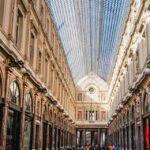
The tour brings you back into the story of Grand Place from a different angle through the Upper City lens, then heads toward the Galeries Royales St Hubert. These covered arcades are the kind of place where a guide makes a difference. You learn what you’re looking at: why these spaces mattered for shopping, social life, and the feel of a modernizing city.
If you like architecture that feels like it has personality, this stop is a win.
Mort Subite: when a landmark also hints at local beer culture
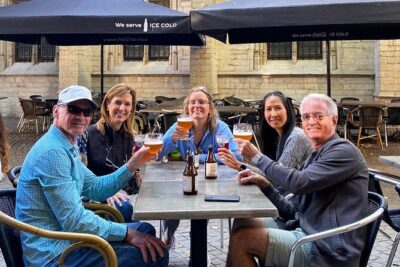
You’ll also see Mort Subite, which gives you a direct line from historic streets to Belgium’s love affair with beer. This isn’t just a photo stop. It’s a clue to where you might want to go after the tour—especially if your guide shares practical bar recommendations.
Cathedral of St. Michael and St. Gudula: stained glass plus the inside view
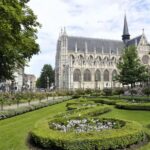
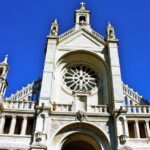
One of the best parts of the Upper City section is a visit inside the Cathedral of St. Michael and St. Gudula. You’ll see stained glass windows, the Chapel of the Blessed Sacrament, and the pulpit.
This is a value add. Without the guide, it’s easy to rush past a cathedral and only notice the outside. Inside, you get a structured checklist of what matters and why those details matter.
Royal Park, Royal Palace, Royal Square, and the Palace of Coudenberg
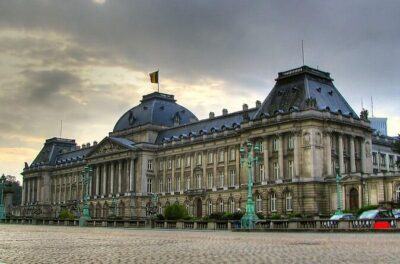
As you move onward, the tour shifts into royal geography: Royal Park, Royal Palace, Royal Square, and the Palace of Coudenberg. These stops help you understand how Brussels presents itself at its most official.
Even if you’re not a palace person, it’s worth paying attention here. Royal buildings frame the city’s identity, and your guide explains how merchant power and royal authority shaped what you see today.
The included chocolate tasting: the sweet reason to finish strong
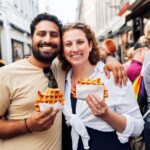
You get Belgian chocolate tasting as part of the tour price. That matters more than it sounds. Many walking tours end with a suggestion: go find chocolate later. Here, you get the taste built in, so the tour ends with a real local moment.
It also helps you learn what to buy. The guide will point you toward where to purchase chocolate at a reasonable price, based on what you’ve just tasted. That means you leave the city with fewer guesswork questions like, what’s actually worth it?
And if you’re traveling with food cravings, this timing is smart. You’re walking all morning, absorbing details, then you get a payoff that feels like a reward, not a random snack.
What the guide actually adds (besides facts)
A guided walking tour lives or dies on the guide’s ability to connect dots. This one is built around that. You’ll get an overview of Brussels through multiple eras—medieval and Baroque city, industrial city, bourgeois city, then modern Brussels. The point is to help you understand why the city looks like it does now.
The guide also answers practical questions as you walk. That can include:
- where to find good bars and local beers
- what to do in the evening
- how to get around using public transport
The tone matters too. Many of the guides associated with this experience are repeatedly praised for being funny, animated, and story-driven. Names you may encounter include Christophe, Ian, Liam, and Kristof, who are described as engaging and good at keeping energy up even when weather turns nasty. One guide has even been noted for a creative personal finish like a poem, which tells you the guiding style tends to be human, not robotic.
I also like the fact that you’ll learn the city’s museums and where the best chocolate shopping tends to be. That turns your first day into a planning advantage.
Pacing, weather, and group size: the real-world considerations
This tour runs 150 minutes, so you need to think of it as a real walk, not a quick stroll. The route covers a lot of central streets, and while the pace is generally described as easy enough to keep enjoying, you’ll still want comfortable shoes.
Weather can hit Brussels hard in winter, and the tour still goes. Layer up. If it’s icy or windy, take it slow through exposed areas and let the guide manage the timing between stops.
Group size can vary. One account noted around 22 participants, so you might be in a busier group. That’s not automatically a problem, but it does mean you should listen for guidance about where to regroup at major stops so you don’t get stretched out.
Price and value: is $23 worth it?
At $23 per person, this is priced like an orientation tour that tries to do more than just pass time. You’re paying for:
- a live guide for 150 minutes
- a route that covers major highlights across the Upper and Lower City
- Belgian chocolate tasting included
- the benefit of someone answering practical questions on the spot
Your main costs on top of this are basically your own choices. Tram or bus tickets are not included, and museum tickets aren’t included. That means if you decide to go inside specific museums afterward, you’ll pay separately.
Still, the value holds if you use the guide properly. If you treat this as your first-day map—then use the chocolate tip, the bar ideas, and the transport advice—you get more out of the money. If you already know Brussels extremely well and plan to do everything on your own, you might skip it.
Who this Brussels tour suits best
This is ideal for:
- first-time visitors who want their bearings fast
- couples, solo travelers, and families who like a structured walk
- travelers who want stories and context, not only photo stops
- people who like food moments built into sightseeing
If you enjoy history but don’t want museum overhead, the tour keeps things moving with plenty of landmark context. If you’re a museum-only person, you may still like it for orientation, then pick one or two museums to add later with your own time.
Should you book this Brussels guided walking tour?
I think this is a smart booking for most people arriving in Brussels for the first time. You get a clear framework (Upper vs Lower), you hit major sights like Grand Place, Manneken Pis, and the Cathedral of St. Michael and St. Gudula, and you finish with something you can actually eat.
Book it if you want to:
- understand Brussels quickly
- walk through the city’s layers rather than just skim highlights
- leave with chocolate and practical recommendations for the rest of your trip
Skip it only if you hate walking for 150 minutes or you already have a very detailed Brussels plan with museum tickets and transport fully locked in.
FAQ
Where do I meet for the tour?
You’ll meet at Grand Place, in front of the City Hall. Look for the white umbrella with Bravo Discovery.
How long is the Brussels guided walking tour?
The tour lasts 150 minutes.
What languages are available?
The live tour guide speaks Spanish, English, and French.
What’s included in the ticket price?
The price includes the guided walking tour and a Belgian chocolate tasting.
What is not included?
Tram or bus tickets are not included, and museum tickets are not included.
Can I cancel and get a refund?
Yes. You can cancel up to 24 hours in advance for a full refund.