REVIEW · BRUSSELS
From Brussels: Bruges & Ghent Day Tour – 2 Fairytale Cities
Book on GetYourGuide →Operated by BRUSSELS CITY TOURS · Bookable on GetYourGuide
Two fairy-tale cities in one efficient day.
This Ghent and Bruges tour runs from Brussels by comfortable air-conditioned coach, then stitches together medieval power, church art, and canal views with a guide who keeps the timing tight. If you land with hosts like Veronica or Juliana, you’ll feel that professional flow in how the day is paced and explained.
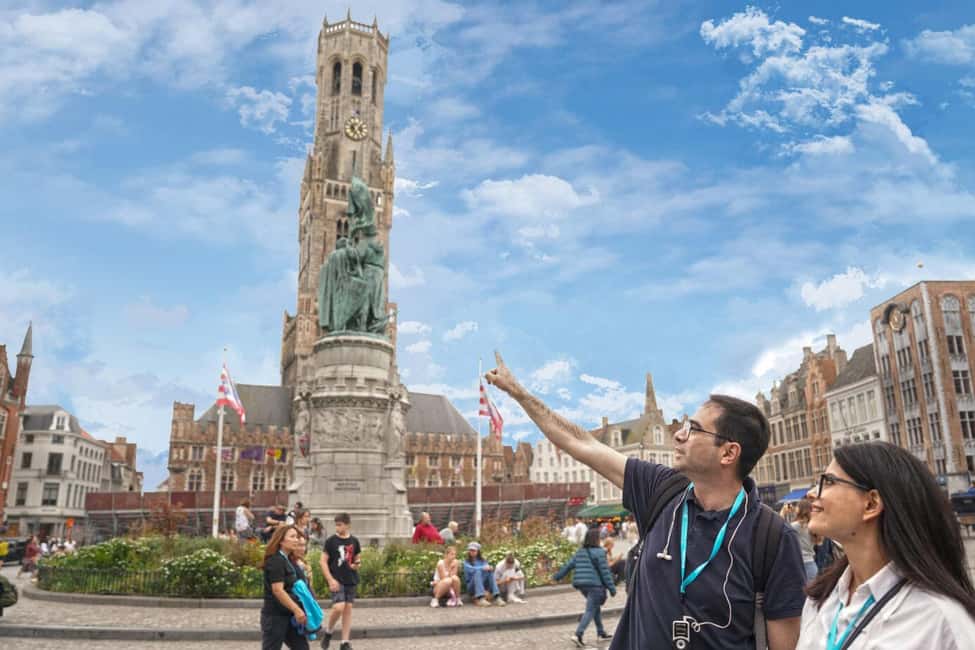
I particularly like the balance of guided time and breathing room: about 1 hour in Ghent plus a 105-minute break, then 2 hours of Bruges walking, followed by lunch and an extra hour for shopping and photos. I also like the small details that make group travel easier, like radios and earphones, so you can hear the commentary without craning your neck between stops.
One consideration: it’s a long day (about 10.5 hours) with a lot of on-foot time on uneven cobblestones, so comfortable shoes matter. And it isn’t set up for wheelchair users or people with mobility impairments.
In This Review
- Key points before you go
- The Brussels to Ghent to Bruges route: smooth on a coach, busy on foot
- Ghent highlights: Saint Bavo Cathedral, Graslei, and the medieval port mood
- Ghent break time: use the 105 minutes well
- Bruges guided walking: Begijnhof, Lake of Love, and churches with big stories
- Lunch and free time: shop, snack, and make time for the canals
- The value question: is $57 worth it for Ghent and Bruges?
- What the guided storytelling style gets you (and what it won’t)
- Practical tips that keep this day feeling manageable
- Should you book this Ghent and Bruges day tour?
- FAQ
- Where is the meeting point in Brussels?
- How long is the day trip, and when do you return?
- What do I see in Ghent?
- What do I see in Bruges?
- Is lunch included?
- Are entry tickets included for churches and museums?
- Do I get free time or is it all guided?
- What languages are available for the tour guide?
- What should I bring?
- Is the tour accessible for wheelchair users?
Key points before you go
- Saint Bavo Cathedral as the artistic anchor in Ghent, with its world-famous Adoration of the Mystic Lamb.
- Begijnhof and the Lake of Love in Bruges, built for slow wandering and great photos.
- Medieval Bruges landmarks like Our Lady’s Church and Michelangelo’s Madonna in the right context, not just as names on a map.
- Canal cruise option in Bruges so you can see the city from the water.
- Guided logistics plus personal time, meaning you’re not stuck following a group for every single minute.
The Brussels to Ghent to Bruges route: smooth on a coach, busy on foot
This is a classic two-city day trip that works because the schedule is built around travel time you can actually tolerate. You meet outside the National Bank of Belgium at Bd de Berlaimont 18 area, then you’re on the coach with a first overview of Belgian and Brussels history before you reach Flanders.
The itinerary is structured like this:
You transfer about 1 hour to Ghent, get a guided walk, then you’re given real downtime. After that, there’s about 1 hour on the bus to Bruges. In Bruges, you get more guided time, then a lunch window and an extra hour that can include the optional boat cruise. You finish back at Central Station around 7:30 PM.
That mix matters. If you’re visiting Brussels for a few days, this tour gives you the two famous cities without the stress of coordinating trains, timing, and two separate walking days. The coach itself is air-conditioned, and the day runs with radios/earphones to keep the narration clear while you move.
You can also read our reviews of more tours and experiences in Brussels.

Ghent highlights: Saint Bavo Cathedral, Graslei, and the medieval port mood
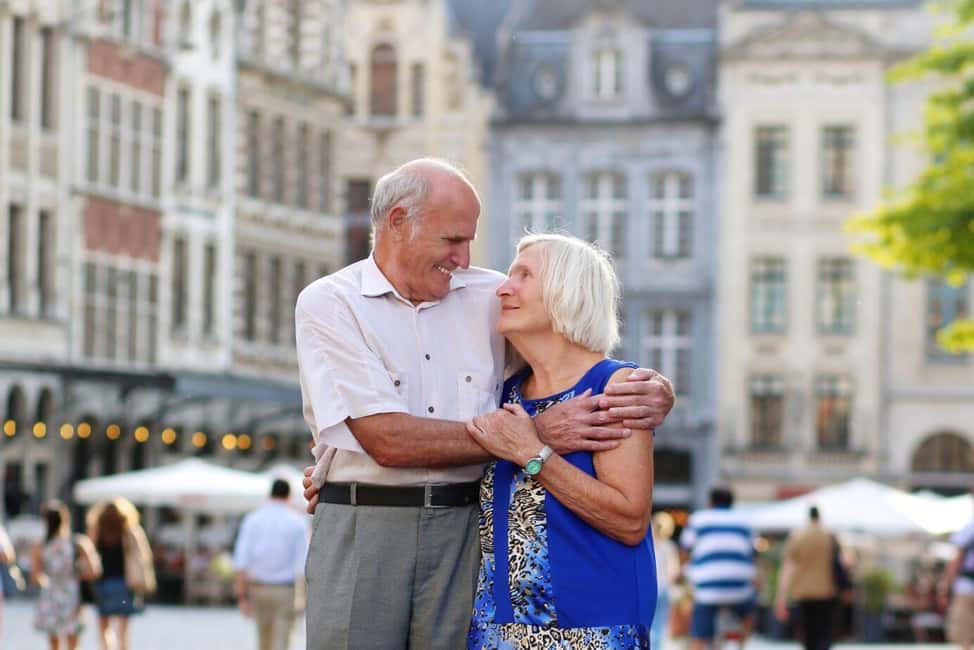
Ghent is the one that often surprises people. Yes, it has medieval architecture and romance. But it also feels like a working city, with the port area and big stone landmarks making it feel lived-in rather than museum-like.
Your Ghent guided portion centers on Saint Bavo Cathedral, home to the Adoration of the Mystic Lamb. Even if you’re not a serious art person, this is the kind of stop that makes the city feel important in European art and political history. It’s the reason so many visits to Ghent begin with the cathedral before anything else.
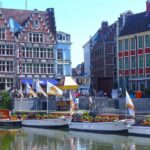
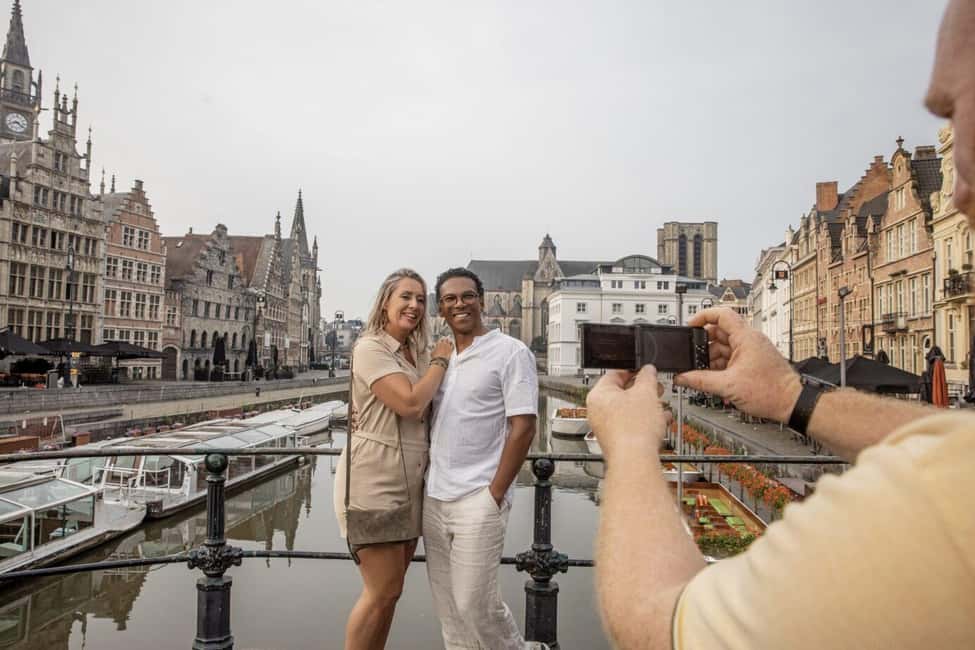
From there, you’ll be guided through the historic waterside atmosphere around Graslei. This is where you get that classic river-front look: old facades, a strong sense of place, and a port layout that helps you understand why Ghent mattered. You’ll also see the big medieval power signals, including the Castle of the Counts and the area tied to the city’s historic commerce.
Two more details that help Ghent click are:
- St. Nicholas’ Church, listed as part of the tour’s key highlights, which adds architectural variety beyond cathedrals alone.
- The Great Butchers’ Hall, which takes you from church grandeur to everyday guild life. It’s the kind of stop that turns “medieval” from a vague word into something practical.
Ghent break time: use the 105 minutes well
After the guided walk, you get about 105 minutes of break time. This is one of the best parts of the whole schedule, because Ghent rewards your own pace. The bus doesn’t keep you trapped, and you can do a simple loop: grab a drink, wander a side street, and then come back with fresh energy.
A smart strategy is to set a mini-goal before you start free time. For example:
- Walk until you find a good vantage point over the riverfront and then stop for a snack.
- Find one church or street sight you didn’t cover with the group and focus only on that.
- If the weather is decent, sit outside for a bit. This tour’s timing gives you time to do that without feeling like you’re risking missing the meetup.
If it’s rainy, don’t panic. The day is built so you still have enough on the schedule to enjoy the best highlights in Bruges even if Ghent is wet and gray.
Bruges guided walking: Begijnhof, Lake of Love, and churches with big stories
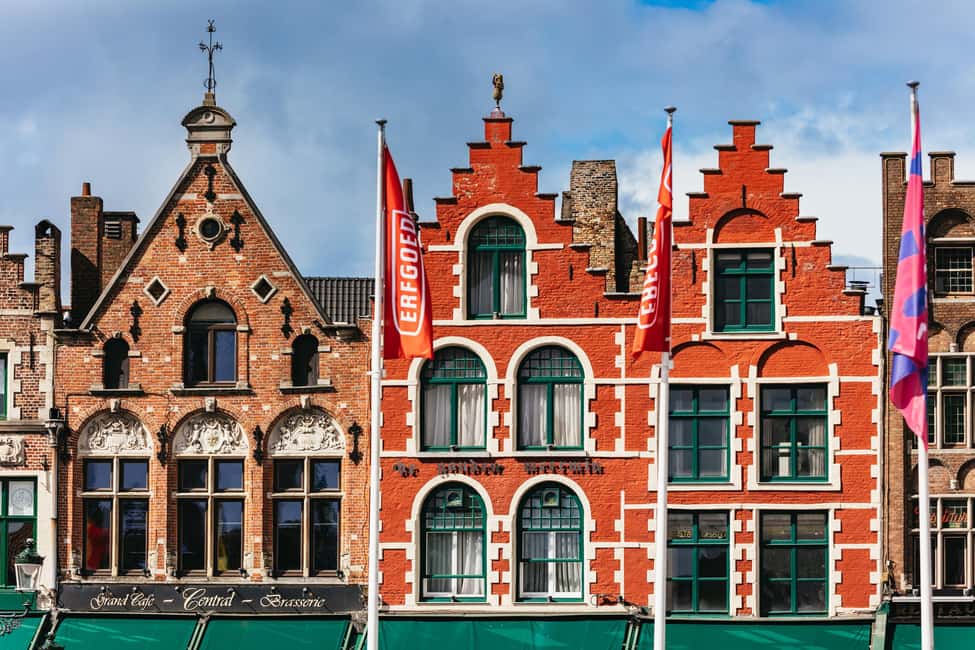
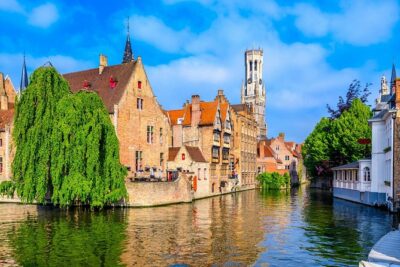
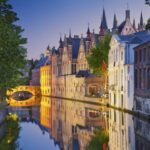
Then you arrive in Bruges, and the mood changes fast. Bruges is the city people describe as Venice of the North, and you feel why once you’re near the canals and the cobblestone streets.
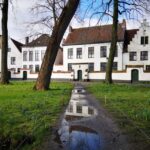
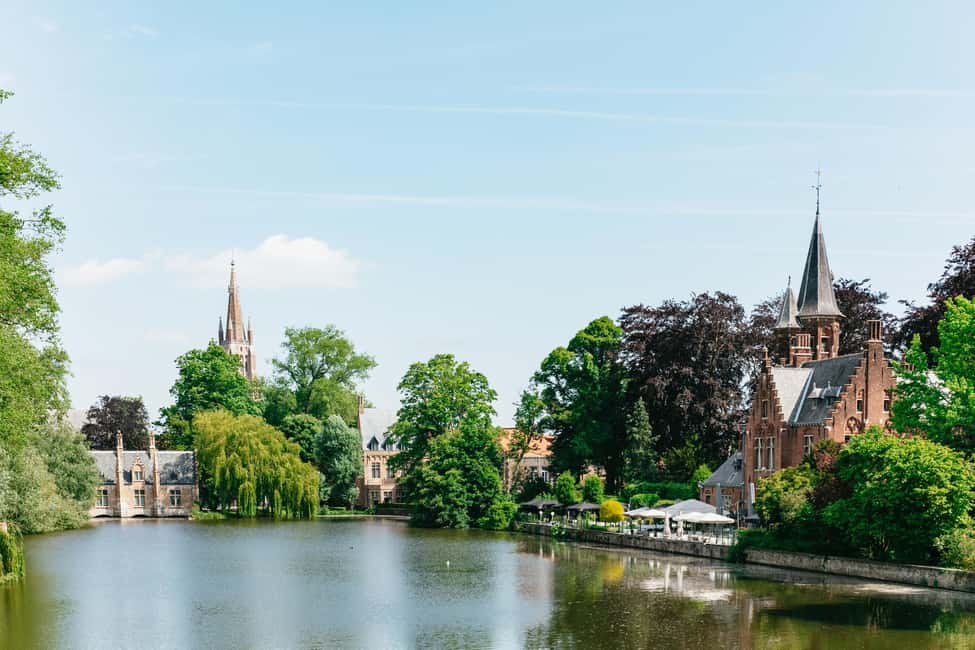
Your Bruges guided portion includes the Lake of Love and the Begijnhof complex, built in 1245 to house religious women. This isn’t just a pretty courtyard moment. It’s an entry point into how communities were organized in the Middle Ages, and why Bruges kept its distinct look as centuries passed.
The tour also includes stops that connect the big visual postcard moments to their deeper context. Earl’s Castle is listed among the highlights, which helps you picture the daily reality of power rather than only the dramatic exterior. And you’ll get church stops that matter, including Our Lady’s Church and Michelangelo’s Madonna. That combination is a good reminder that Bruges isn’t only “old streets and canals.” It’s also art and civic pride.
Another high-value area is the historic center around Grote Markt, where you’ll see the Belfry tower. Even if you don’t climb it, the belfry is one of those structures that explains how cities showed off status and governance.
Your guided time also touches the city’s former Red Light District area and includes a standout medieval institution: Old St. John’s Hospital (11th century). That stop can be a mental reset. Instead of only picturing romance and merchants, you see how places in Bruges also handled care and community needs.
Lunch and free time: shop, snack, and make time for the canals
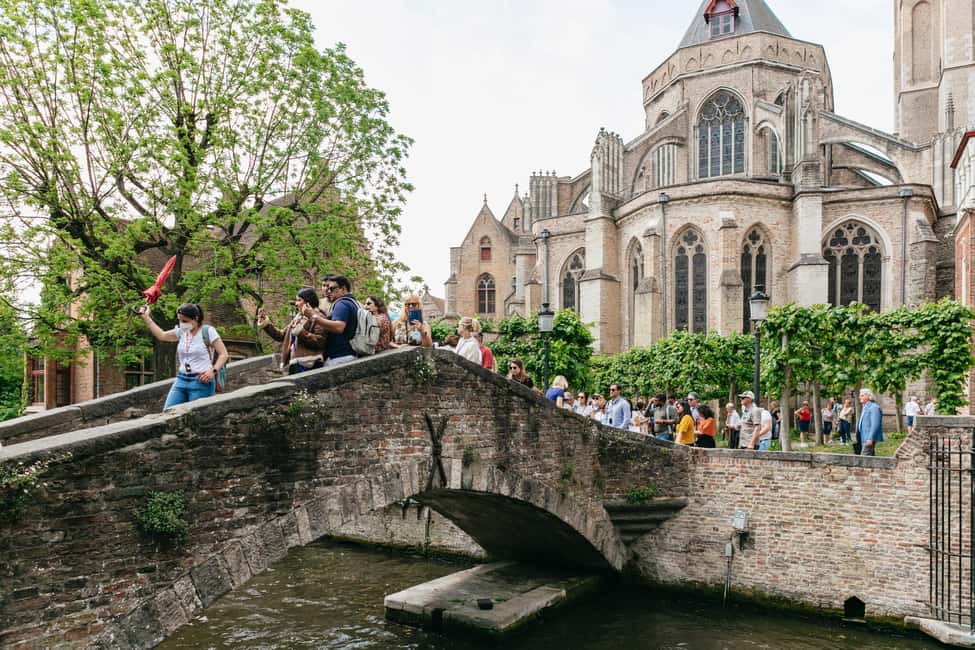
You’ll have about 1 hour for lunch, plus an additional hour of free time after that where an optional boat cruise is available. The tour doesn’t include lunch, so this is where you’ll need to budget a bit and keep your meal simple. The good news: the guided routing gives you choices, and you’re not left wandering with zero guidance.
How to use the free hour depends on what you like most:
- If you want the best “first Bruges impression,” take the canal boat cruise. Seeing the city from the water changes how the buildings align and how steep the streets feel.
- If you want photos, use the hour to wander toward the canal edges and find angles that match your camera’s style. Bruges is very good at giving you a different photo every few steps.
- If you’re more of a shop-and-café person, use it like a mini break. The city is compact, so you can do a small loop without feeling like you’re crossing half of Belgium on foot.
One practical thing I really like about how this tour is timed: you get guided structure early, then you get enough personal time late in the day to translate what you saw into your own route.



The value question: is $57 worth it for Ghent and Bruges?
At about $57 per person, you’re mainly paying for four things:
1) Transportation between Brussels, Ghent, and Bruges on a comfortable coach
2) Multilingual guide narration during the walking blocks
3) Headsets/earphones so you actually understand what you’re seeing
4) Two guided city introductions without the effort of planning two separate itineraries
What’s not included is important: entry tickets and lunch are extra. So your real spend will be a little more once you add church or museum entry if you choose to go inside, plus whatever you do for food.
Still, for a day trip out of Brussels, the structure is the value. Doing Ghent and Bruges on your own means you’d spend time syncing transport, then switching between two areas of the cities. This tour compresses that into one day with a planned route and a guide making the connections so the medieval details don’t feel random.
What the guided storytelling style gets you (and what it won’t)
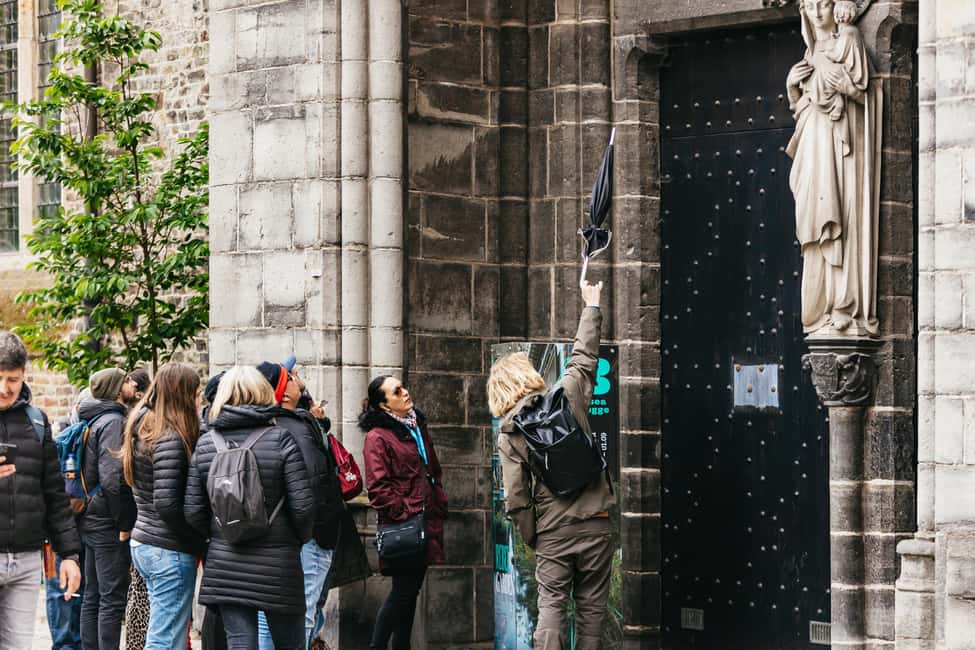
A huge plus of this tour is that the commentary isn’t just point-and-look. You get a guided walkthrough that ties sights together: cathedral art in Ghent, guild-era landmarks, then Bruges’s beguinage community and church art. The guide work is where you start noticing patterns instead of collecting isolated postcards.
You’ll also appreciate the setup: radios and earphones help a lot when group size is bigger. One guide name that pops up in service descriptions is Johan, and other hosts like Nico, Jan, and Andrea are mentioned for keeping the day on schedule.
What it won’t be, by design: a slow, ultra-detailed study tour where you linger for hours in one building. This is more like a guided overview with time to follow your own interests in Bruges, which is exactly what most people want on a single day.
Practical tips that keep this day feeling manageable
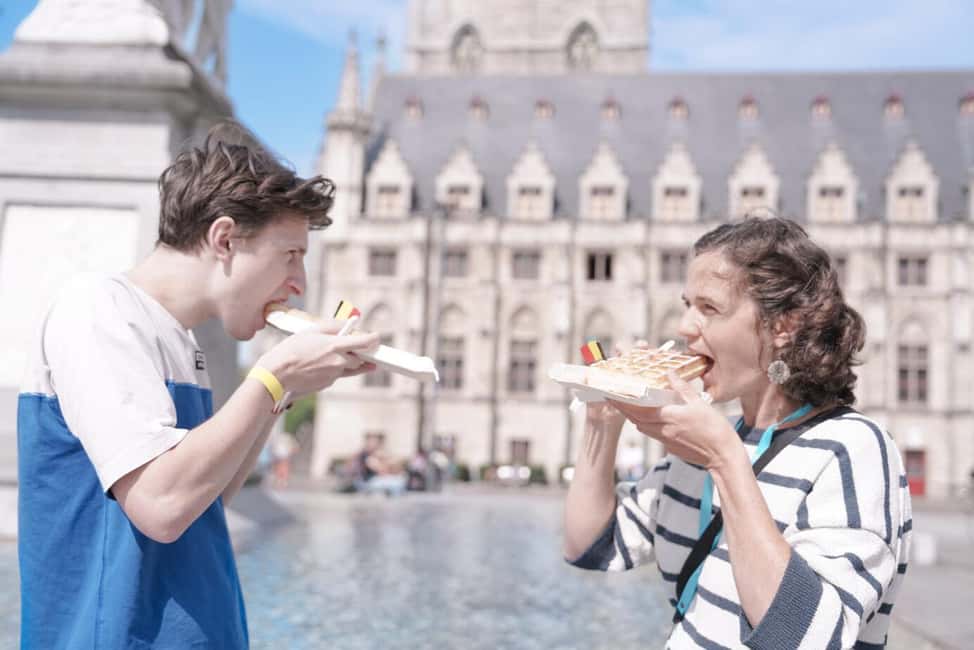
This is a walking day. Even with guides and transport, you’ll cover enough ground that comfort matters.
Here’s what you should do before you go:
- Wear comfortable shoes with grip. Bruges and Ghent cobbles can be honest about your foot endurance.
- Keep your day bag light. You’ll want your hands free for photos and little purchases.
- Plan for weather. Belgium can be mix-and-match: rain in the morning, clearing later is common in general, so pack a compact layer.
- Use the earphones correctly. Keep them in place during the walks so you don’t miss the narration.
Also note the accessibility reality: the tour is not suitable for wheelchair users or people with mobility impairments, so be sure to choose another option if that applies to you.
If you care about language flow, the guide experience is live in Spanish, English, and French, and commentary may be bilingual depending on the group’s language preferences. If you’re sensitive to that, pick the departure language that matches what you’ll be happiest listening to.
Should you book this Ghent and Bruges day tour?
I’d book it if you want a guided, efficient introduction to both cities and you’re happy to trade some slow wandering for solid highlights and free time at the right moments. The combination of Saint Bavo Cathedral plus Bruges’s Begijnhof/Lake of Love, then the choice to add a canal cruise, makes it a strong use of one day from Brussels.
Skip it (or compare alternatives) if you want a deep, unhurried experience inside multiple major sites, or if you need an itinerary that’s easy for mobility devices. And if you’re traveling with very young kids or anyone who struggles with long walking days, you might find the schedule challenging.
If your priority is seeing the key sights without the planning headache, this one is a practical pick.
FAQ
Where is the meeting point in Brussels?
You meet outside the National Bank of Belgium, looking for staff and the Keolis coach.
How long is the day trip, and when do you return?
The total duration is about 630 minutes (around 10.5 hours). You return to Brussels Central Station at about 7:30 PM.
What do I see in Ghent?
In Ghent, the tour includes guided stops such as Saint Bavo Cathedral and the historic port area of Graslei, along with other medieval landmarks.
What do I see in Bruges?
In Bruges, you’ll have guided time that covers areas like the Lake of Love and Begijnhof, plus major monuments such as Grote Markt and the Belfry tower, with an optional canal boat cruise.
Is lunch included?
No. Lunch is not included, but you do get a lunch time slot and can grab a quick snack or follow guide recommendations.
Are entry tickets included for churches and museums?
No. Entry tickets are not included.
Do I get free time or is it all guided?
There is a break in Ghent and free time in Bruges after lunch, plus an optional boat cruise during that free time period.
What languages are available for the tour guide?
Live tour guiding is available in Spanish, English, and French, and commentary may be bilingual depending on group preferences.
What should I bring?
Bring comfortable shoes, since the day involves walking on uneven surfaces.
Is the tour accessible for wheelchair users?
No. The tour is not suitable for wheelchair users or people with mobility impairments.