REVIEW · BRUSSELS
Brussels Walking Tour with Waffle Tasting: History and Delights
Book on Viator →Operated by Brussels City Tours - Keolis Travel · Bookable on Viator
Waffles and world-class buildings share the same route. This 2.5-hour walk ties Brussels’ big-name sights to real stories, with an included stop for a Belgian waffle along the way. You’ll pass the Grand Place and other icons, then finish up at Mont-des-Arts for wide-open views.
What I like most is the guiding. When you’re walking through places this old, it helps to have someone explain why the details matter, and I found the experience shines when the guide is chatty and precise—like Yasmine, who’s described as both attentive and deeply in love with the city.
One thing to think about: this is a proper walking tour with a moderate fitness level, and there’s no hotel pickup, so you’ll want to plan your arrival at the meeting point and wear comfortable shoes.
In This Review
- Key things to know before you go
- Getting your bearings on a Brussels walk that actually makes sense
- Price and value: what you really get for $45
- Meeting at Bourse-Beurs and pacing the route
- Grand Place: the UNESCO square with a survival story
- Town Hall tower details: Archangel Michael, Gothic drama, and symbolism
- Manneken Pis: the 61 cm bronze landmark you’ll walk past—and understand
- Royal Galleries and the included waffle break
- Sablon district stroll: boutiques and slower city corners
- Mont-des-Arts: free gardens, a glass cube, and the view payoff
- What the guide adds (and why it’s not just narration)
- Timing, group size, and comfort: small details that matter
- Who this tour is best for
- Should you book the Brussels Walking Tour with Waffle Tasting?
- FAQ
- What is included in the tour?
- How long is the walking tour?
- Where does the tour start and end?
- Is hotel pickup and drop-off included?
- What languages are the tours offered in?
- Will the tour be canceled if it rains?
- What is the cancellation policy?
Key things to know before you go
- Grand Place story that makes the architecture click: learn how a 1695 disaster led to a rebuild completed in just four years
- Town Hall tower detail worth slowing down for: look for the Archangel Michael statue and its dramatic meaning
- Manneken Pis context for what you’re actually seeing: a 61 cm bronze figure in the middle of the city
- Mont-des-Arts views plus free gardens: the Square Congress Centre area connects the upper and lower parts of Brussels
- A waffle stop that breaks up the walk: you get a classic Belgian waffle included, not an optional side quest
- Small group feel (max 30): more questions, less rushing, and more time to notice what’s around you
Getting your bearings on a Brussels walk that actually makes sense
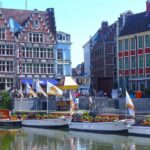
Brussels can feel like a patchwork at first: elegant squares up top, busy streets in the middle, and quieter neighborhood vibes when you turn a corner. This tour is smart because it builds a route that helps you understand the city as you move through it, not just as a list of photos.
You start in the Bourse-Beurs area and end at Mont-des-Arts. That gives you a natural progression from the historic center to higher ground, so the walk doesn’t feel random. Plus, the total time is about 2 hours 30 minutes, which is a good length if you want highlights without losing half a day.
The group stays to a max of 30, so you’re not stuck shoulder-to-shoulder with strangers. And the mobile ticket is a nice touch for a city where you might be checking your phone constantly anyway.
You will be walking, so don’t plan a big workout beforehand. The tour is rated for moderate physical fitness, and you’ll want shoes you can trust on cobblestones.
You can also read our reviews of more walking tours in Brussels
Price and value: what you really get for $45
At $45, you’re paying for three things: time with a guide, an organized route through the core sights, and a waffle tasting included. In a city where self-guided sightseeing can turn into “Where do I start?” and “What am I looking at?”, the guide piece is the value driver.
If you love food, the included waffle stop also helps your budget. Without the tour, you’d still likely spend money on a snack, and you’d still need to figure out how to connect the landmarks into a coherent route.
This also isn’t just “look and go.” The stops are chosen for context. You’re not only seeing the Grand Place—you’re understanding why the Town Hall tower looks the way it does and what the city rebuilt after a major catastrophe. That kind of information makes the sights feel more personal, and it’s what keeps the tour from feeling like a fast sightseeing sprint.
Meeting at Bourse-Beurs and pacing the route
You meet at Régie Communale Autonome Bourse-Beurs, Bd Anspach 80, 1000 Bruxelles. That location is convenient because it’s tied into the public transportation network, which matters in Brussels where you don’t want to waste time fighting transit logistics.
You end at Mont-des-Arts (1000 Brussels). The finish is great because it’s a scenic area where you can decide what you want to do next, whether that means sticking around for a longer view or heading toward lunch.
Because there’s no hotel pickup, give yourself a buffer to get to the meeting spot. Even if the tour promises to wait a few minutes if you contact them in advance, it’s better to arrive early and relax rather than stress.
Also, bring cash if you like to have options on the day. You’re not required to, but it’s advised, and in a food-and-photo city like Brussels, having some flexibility feels good.
Grand Place: the UNESCO square with a survival story
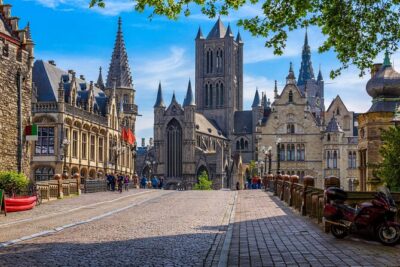
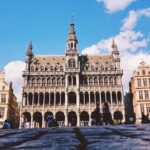
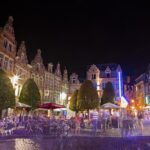
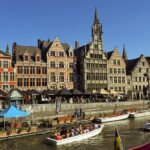
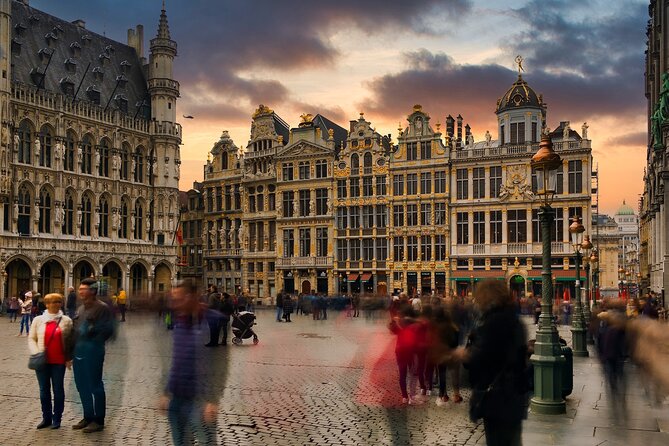
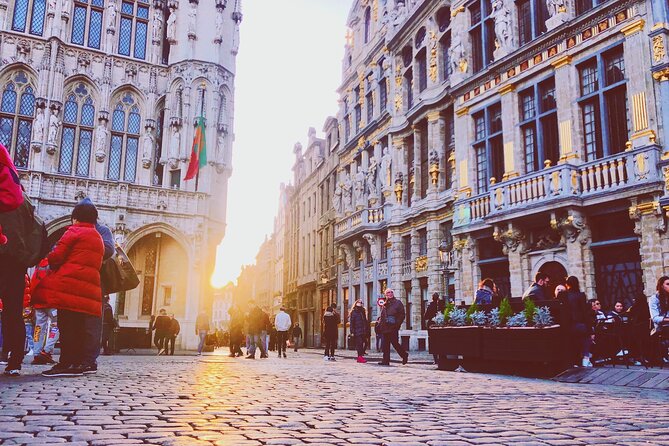
The Grand Place is why many people come to Brussels, but it’s also easy to view it as just “pretty buildings.” This tour helps you see it as a place shaped by real events—and that changes the whole feeling.
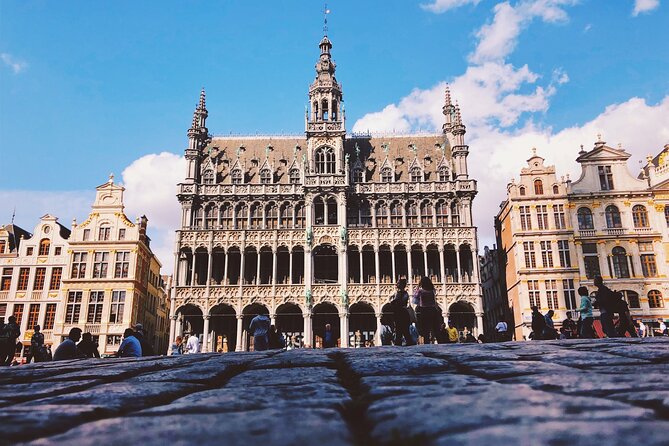
You’ll learn that the Grand Place has been a UNESCO World Heritage site since 1998. Then the guide connects that status to the city’s dramatic past, including the devastating fire of 1695, caused by the army of French King Louis XIV. The story goes further: about a third of the city was destroyed, and the Grand Place was rebuilt in just four years.
That timeline is the kind of detail you’ll carry with you while you look up at the façades. When you notice the symmetry, the height, and the ornate elements, you can start to imagine the urgency behind the rebuilding. It’s not just decoration—it’s recovery in stone.
If you’re traveling with kids, this is a strong stop. The disaster-to-rebuild arc is easy to explain and gives the architecture a plot, not just a background.
Town Hall tower details: Archangel Michael, Gothic drama, and symbolism
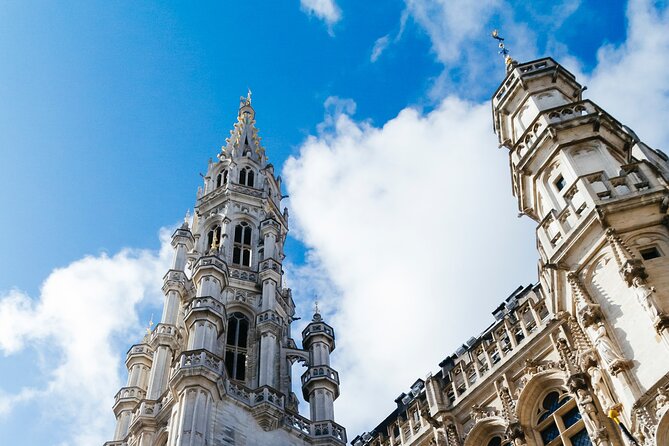
From the Grand Place area, you focus on the Town Hall. The guide points out that it’s a Gothic building with a very specific feature at the top: a statue of the Archangel Michael slaying the devil.
That sounds like a movie scene, but the point is deeper than the drama. Religious symbolism shows up all over European city centers, and the Town Hall tower is one of those places where you can actually pick up that message without needing a museum.
Take a moment here. Don’t just shoot a picture and keep walking. If you angle your body slightly and look upward, the statue becomes a clearer target. Then the story the guide shares makes the detail feel intentional rather than random.
You can also read our reviews of more food & drink experiences in Brussels




Manneken Pis: the 61 cm bronze landmark you’ll walk past—and understand
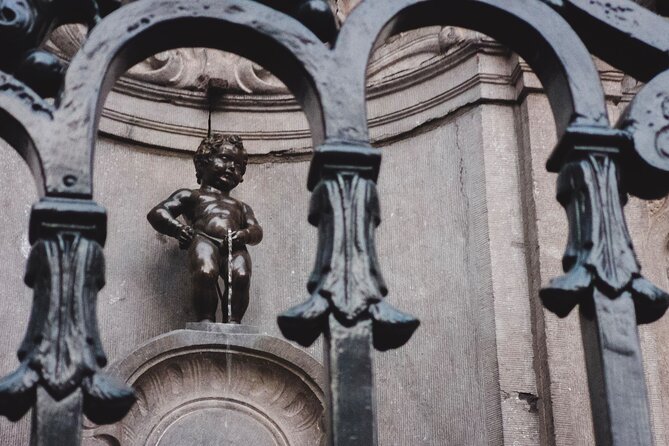
Manneken Pis is the kind of sight you think you already know. You’ve seen the tiny fountain-boy image on postcards, and it’s hard to believe it could be the highlight.
But in person, it’s about contrast: a small bronze figure in the middle of an everyday city street. The tour gives you the basics—Manneken Pis is a 61 cm bronze sculpture depicting a naked little boy urinating into a fountain’s basin, right at the center of Brussels.
That short description isn’t the whole lesson. The bigger value is that you learn how to look at it in context. Instead of treating it like a joke you don’t get, you understand it as a landmark the city has lived with for generations.
Timing helps too. Because you’ll see it while moving between major stops, it works as a quick mental reset. You take in something playful, then continue on to the next serious architectural moment.
Royal Galleries and the included waffle break

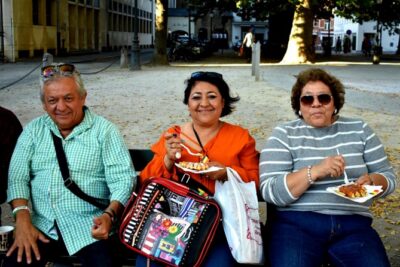
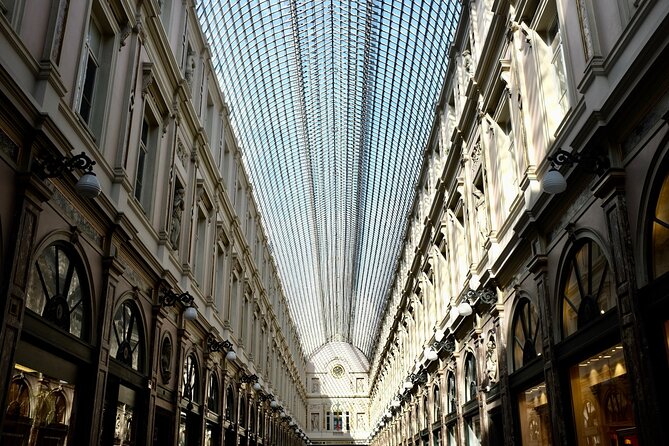
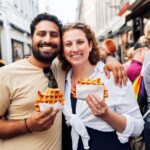
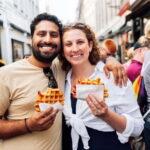
Brussels has a sweet reputation, and this tour uses it well. You’ll stroll through the Royal Galleries area, and the highlight here is that you get a classic Belgian waffle included while you’re still in the walking rhythm.
This is one of those small logistics choices that makes a difference. If you do waffles on your own, you might waste time hunting for a place that’s open, long lines might appear, or you end up with the wrong expectation. With this tour, food is woven into the route, which helps you stay on schedule.
If you’re a foodie, it’s worth paying attention to what the guide tells you while you eat. One of the tour’s strengths is mixing food into the context of the city, not treating it like an add-on you consume and forget.
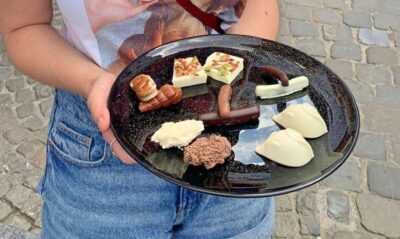
And yes, Brussels has other famous flavors. On some departures, guests have described tasting moments that go beyond the main waffle theme, with Belgium favorites like chocolate or beer showing up as part of the day’s sampling vibe.
Sablon district stroll: boutiques and slower city corners
After the big landmarks, the tour shifts to a quieter kind of Brussels: the Sablon district. This part is about change of pace. Instead of nonstop monumental sights, you get street-level browsing energy and boutique storefronts that make the city feel lived-in.
Sablon is a good reminder that Brussels isn’t only the famous center. Even if you don’t plan to shop, walking through a district like this helps you see how the city transitions from grand squares to more human-scale streets.
The guide also uses this section to offer practical suggestions—what to do next, where locals tend to go, and how to avoid spending your remaining time on the wrong kinds of stops. Those inside recommendations are often the real payoff of a short tour.
Mont-des-Arts: free gardens, a glass cube, and the view payoff
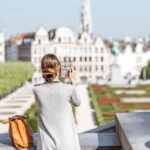
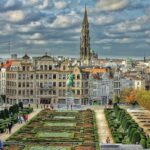
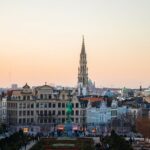
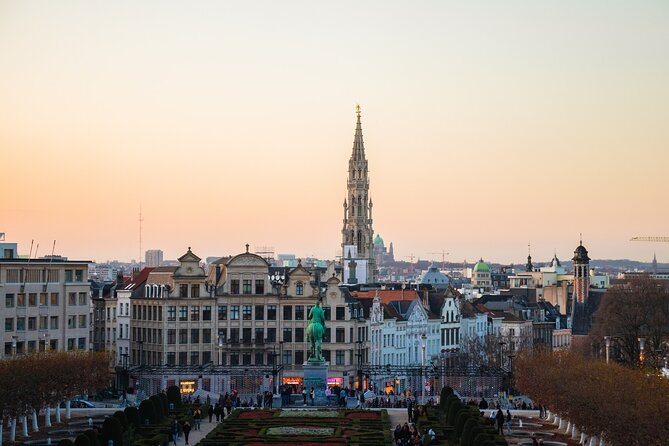
The final act is Mont-des-Arts, and it’s designed to make the walk feel worth it. You’ll reach an area built for viewpoints and strolling, with gardens and esplanades included in the experience.
A key detail the guide shares: the Square Congress Centre area features a glass cube and a statue of Albert I. That’s not just trivia—it helps you orient yourself when you’re standing at the edge of a viewpoint and trying to figure out what you’re looking at.
Mont-des-Arts is also described as a green transition between the upper and lower parts of Brussels. That matters because it explains why the area feels different from street level. You’re not just getting a photo; you’re moving through a part of the city where the design helps you shift perspective.
The admission here is free, and you’ll have enough time to enjoy the surroundings without feeling like you’re cramming. This is a great finish point if you still want to keep exploring after the tour, because you don’t end somewhere that feels dead.
What the guide adds (and why it’s not just narration)
The most praised part of this experience is the guide. The best walking tours don’t simply read facts; they help you notice.
A guide like Yasmine, described as both attentive and full of city knowledge, turns stops into a conversation. You get little-known details, yes, but also explanations that make you feel less like you’re “touristing” and more like you’re understanding.
The other helpful ingredient is practical. The tour includes inside recommendations for the duration of your stay, which is exactly what you need if you’re only in Brussels for a short time. You leave with a sense of what to prioritize next, instead of starting over from scratch after your tour ends.
Timing, group size, and comfort: small details that matter
This tour runs about 2 hours 30 minutes, and you should expect steady walking. With moderate physical fitness required, you’ll want to keep your energy up and avoid anything that could slow you down.
Group size maxes at 30, which helps the experience feel manageable. When groups are larger, guides can’t answer questions the same way, and you spend more time watching the back of someone’s camera.
Bring comfortable shoes. The route includes cobbled streets and older city surfaces, so footwear is not optional unless you enjoy foot fatigue.
For weather, check conditions the day before. The tour advises planning for rain with a poncho or umbrella. Tours aren’t canceled for normal rain either; they only cancel for extreme weather like heavy storms or floods.
Who this tour is best for
This is a strong choice if you want a high-impact Brussels introduction. You get major landmarks—Grand Place, Manneken Pis, Mont-des-Arts—plus you’re fed along the way with an included waffle.
It’s also good for groups and families. There’s an example of an adult group with kids ages 4 and 6 enjoying the mix of history and food, which suggests the pacing and content can work across ages.
If you hate walking, or if you need a low-step, low-cobblestone plan, you might find this less comfortable. And because there’s no hotel pickup, it suits people who are okay navigating to a central meeting point.
Should you book the Brussels Walking Tour with Waffle Tasting?
Book it if you want the fastest path to understanding Brussels’ highlights—especially the Grand Place story and the details around Town Hall. It’s also a good fit if you like guided food experiences where the snack isn’t random, but part of a route.
Skip it only if you strongly prefer self-guided sightseeing, or if you’re dealing with limited mobility and need a more relaxed pace. Otherwise, this is an efficient, memorable way to see the most famous Brussels sights while learning what’s behind them—and yes, you’ll leave with waffle satisfied taste buds and clearer city bearings.
FAQ
What is included in the tour?
The tour includes a waffle tasting and a local knowledgeable guide.
How long is the walking tour?
It lasts about 2 hours 30 minutes.
Where does the tour start and end?
The tour starts at Régie Communale Autonome Bourse-Beurs, Bd Anspach 80, 1000 Bruxelles, Belgium, and ends at Mont-des-Arts, 1000 Brussels, Belgium.
Is hotel pickup and drop-off included?
No, hotel pickup and drop-off are not included.
What languages are the tours offered in?
The tours are offered in English and Spanish.
Will the tour be canceled if it rains?
The tour is not canceled for rain. It is only canceled in extreme weather such as heavy storms or floods.
What is the cancellation policy?
You can cancel for a full refund up to 24 hours before the experience starts. If you cancel less than 24 hours in advance, the amount paid is not refunded.