REVIEW · BRUSSELS
Choco-Story Brussels: Chocolate Museum Entrance with Tasting
Book on GetYourGuide →Operated by Choco-Story Brussels · Bookable on GetYourGuide
Chocolate. Then history. Then more chocolate. Choco-Story Brussels is self-guided with an audioguide in 11 languages and a praline demo you can taste, and I like that it’s fun and factual at the same time. One thing to plan for: the live demo space can get packed, so you may need a good spot to see and hear well.
I’m also a fan of how much chocolate is built into the flow, not just saved for the end. If you’re sensitive to crowds or you want a Q&A-style guide, the lack of a live guide can feel limiting.
In This Review
- Choco-Story Brussels at a glance: what you’re really buying for $18
- Where it is, meeting point, and timing that actually works
- Self-guided with an audioguide in 11 languages (and what that means)
- The museum’s story arc: cocoa to Belgian praline, room by room
- Interactive games, films, and the practical side of chocolate history
- The master chocolatier demo: watching pralines get made (then tasting them)
- How to handle crowding in the demo room
- Chocolate tastings along the route: what you’ll actually sample
- A tip if you’re planning for food sensitivities
- Museum shop: taking the story home (without overthinking it)
- Is it worth $18? Value compared to other Brussels “food stops”
- Who should book Choco-Story Brussels (and who might not love it)
- Should you book? My quick decision guide
- FAQ
- Do I need a guided tour with a person?
- What languages are available on the audioguide?
- Is the chocolate tasting included?
- Is the master chocolatier demonstration included?
- How long does the visit take?
- Where do I meet for the experience?
- Is the museum wheelchair accessible?
- What’s the cancellation policy?
Choco-Story Brussels at a glance: what you’re really buying for $18
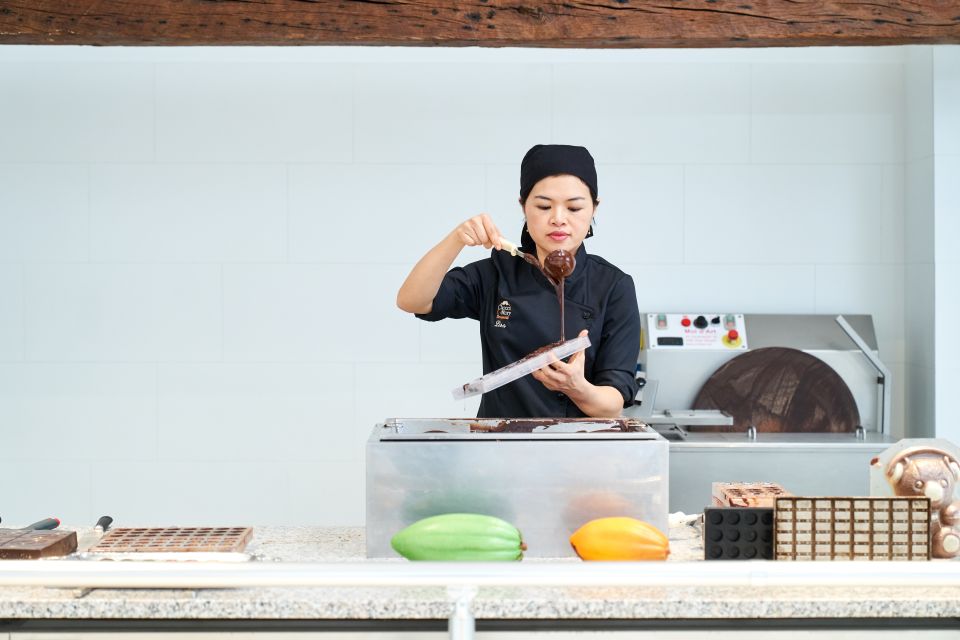
For $18, you’re paying for more than entrance to a themed museum. You get the museum ticket, tastings, and a master chocolatier demonstration, plus a handheld audio guide. It’s one of the rare food attractions where the learning and the eating happen together.
The experience is designed to be easy: you don’t need reservations with a guide to have a good time. You follow the audio on your own schedule, then you hit the show and sampling portion. That makes it a strong pick for couples, families with kids, and solo visitors who just want to wander and graze.
Where it is, meeting point, and timing that actually works
Choco-Story Brussels is at Rue de l’étuve 41, 1000 Brussels. The meeting point is the museum itself, so you’re not hunting for a separate pickup or staging area.
The ticket is duration: 1 day, but in practical terms you should plan for about one to two hours depending on how long you linger over interactive displays and how many tasting stops you take your time with. The museum is small, and the flow is simple: audio-led rooms first, then the live demonstration.
Group size is capped at 10 participants, which helps keep the experience from feeling like a cattle car. Still, note the demo room is a separate moment in the schedule, and crowding can happen there.
You can also read our reviews of more food & drink experiences in Brussels



Self-guided with an audioguide in 11 languages (and what that means)
You start by receiving a hand-held audioguide. The audio is available in 11 languages, including English, Dutch, French, Spanish, German, Russian, Chinese, and Italian. In real life, this matters because you can read the room with your ears instead of relying on signs that may or may not match your language.
I like the setup because it’s not all lecture mode. The audio guides you through the story step-by-step and keeps pace with what you’re looking at. You also control the timing. If a chocolate fact grabs you, you can slow down. If you’re just there for the pralines and the samples, you can keep moving.
The trade-off: it’s not a live tour. You won’t have someone stopping to answer questions on the spot, even though the audio is clear and structured.
The museum’s story arc: cocoa to Belgian praline, room by room
The visit is built like a timeline. It starts with the roots of cocoa and follows the journey to the Belgian chocolate you’ll recognize from stores back home.
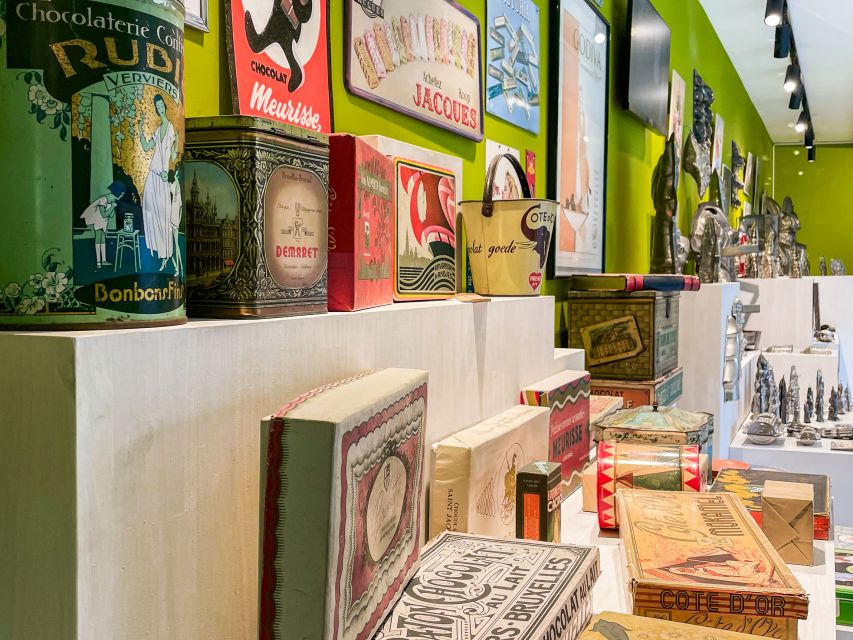
One of the most interesting early parts is the origin story: cocoa is described as something valued by the Aztecs as a sacred gift from the gods. Then the story shifts to how cocoa moved across oceans and became part of European food culture. Even if you think you know the basics, this kind of “how it got here” framing makes chocolate feel less like a product and more like a global trade story.
As you move through the rooms, you’ll see interactive displays, historical objects, interactive games, and short films. The museum uses mix-and-match media to keep it from becoming a wall of text. For families, the games make it easier for kids to stay engaged without you turning into a full-time entertainer.
Interactive games, films, and the practical side of chocolate history
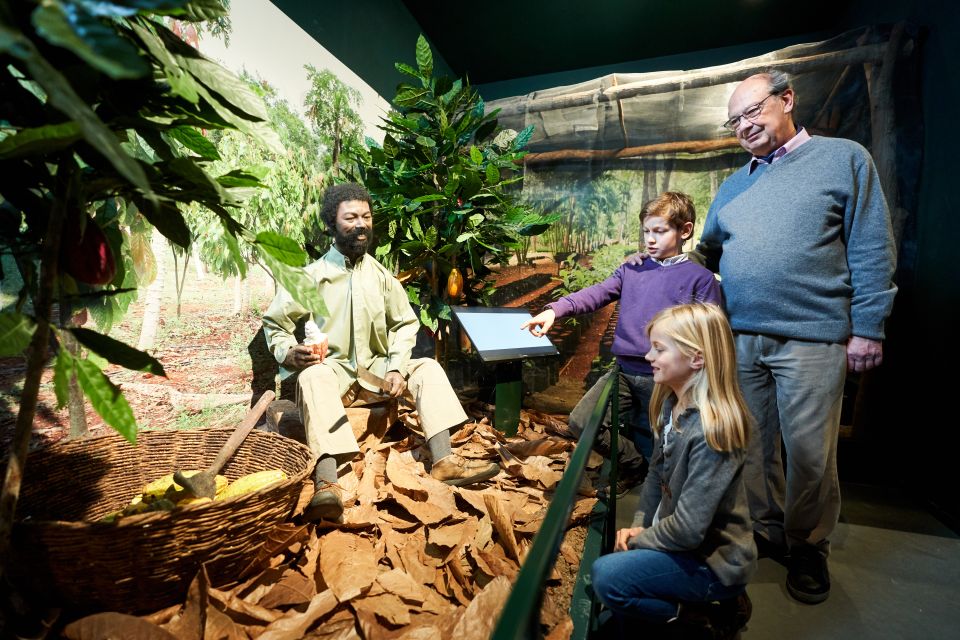
A lot of chocolate museums brag about facts. This one tries to make those facts stick using hands-on prompts.
The interactive games and short films help you connect the dots between cocoa cultivation, harvesting, and transformation. That’s key. It’s easy to think chocolate is just something that shows up in a box. Here, you get the sense of how complicated the supply chain and processing can be.
I also appreciate that the museum doesn’t treat chocolate as a single “Belgian thing.” The story is presented as a series of steps and influences that led to Belgian pralines becoming a world-famous style. If you’ve ever wondered why Belgian chocolate has that particular reputation, you’ll get a clearer picture of how the craft and culture fit together.
The master chocolatier demo: watching pralines get made (then tasting them)
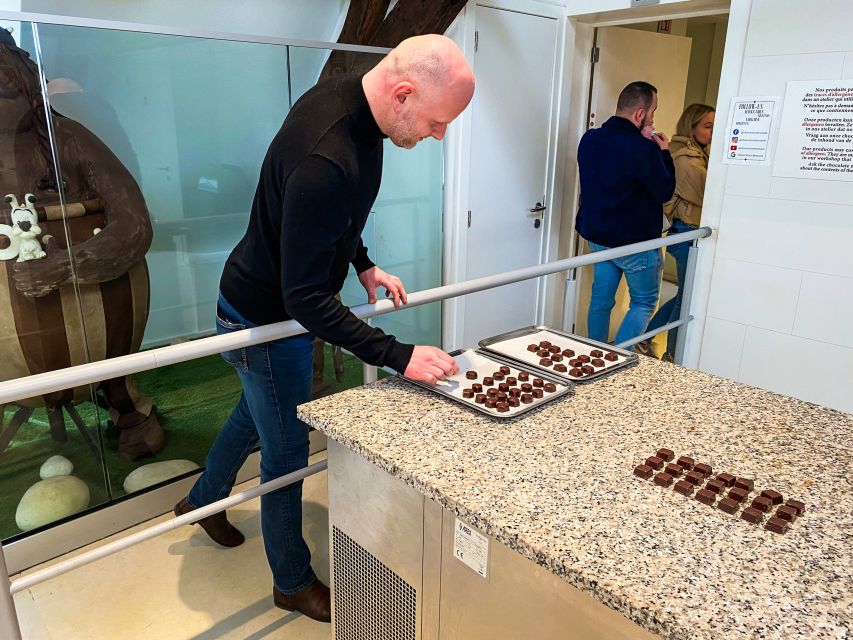
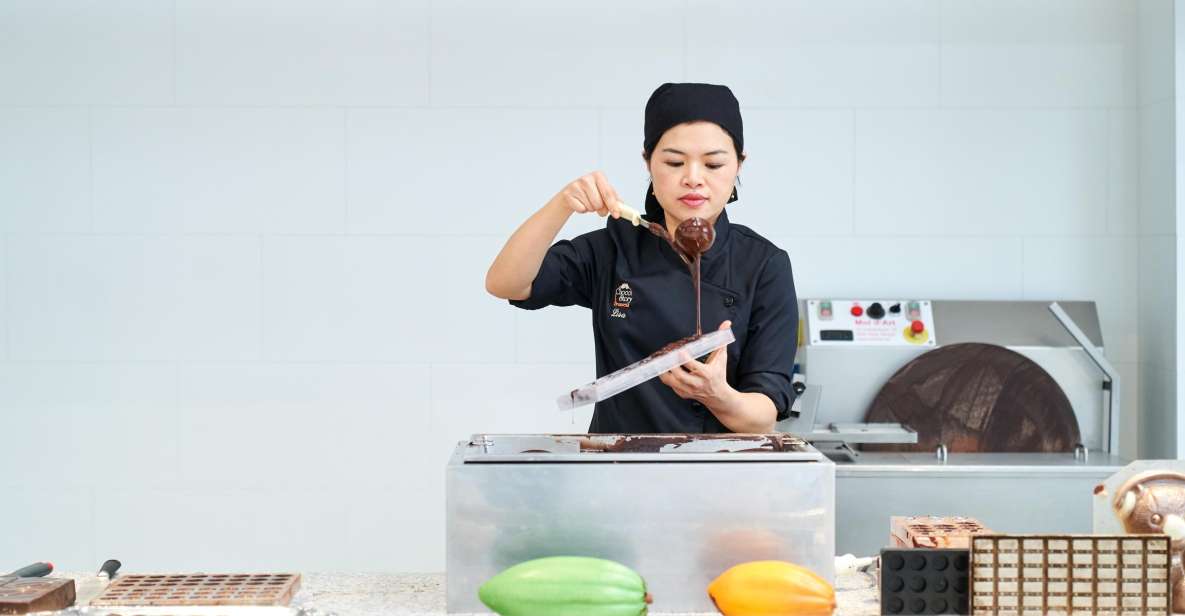
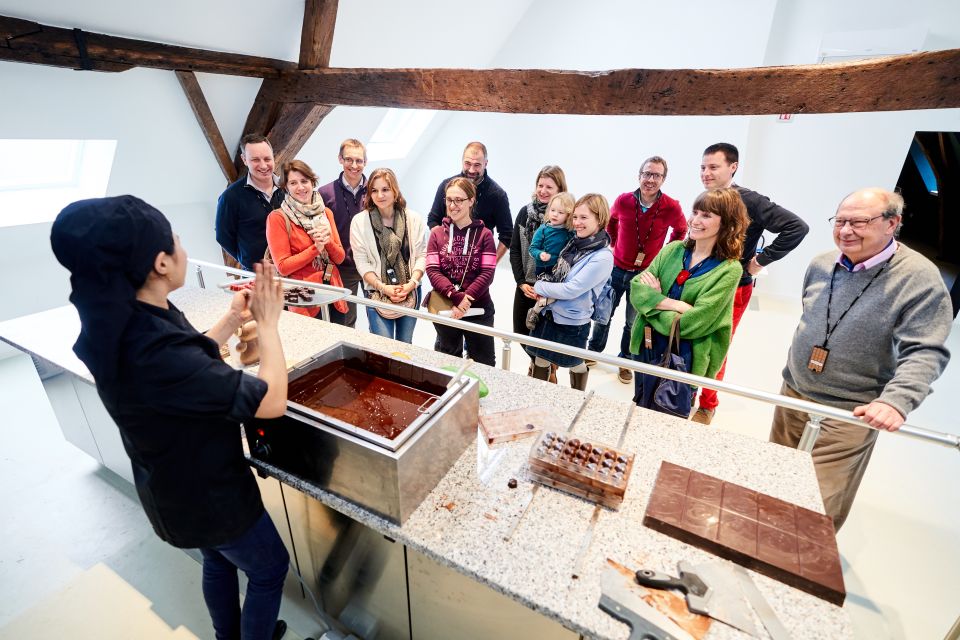
The highlight is the live demonstration. You watch a chocolatier craft pralines by hand using traditional techniques, and at the end you can taste the praline that was made in front of you. That “watch, then eat what you just saw” connection is exactly how you learn. Your brain remembers it because your taste buds help.
The demonstrator is not always the same person session-to-session, but names came up in experiences people shared. One person credited Gregory as an excellent showman. Another mentioned Luisa as amazing in the demo. So if you’re the type who enjoys the personality behind the craft, you might get lucky with a particularly entertaining demonstrator.
You can also read our reviews of more museum experiences in Brussels



How to handle crowding in the demo room
The one potential snag: the demo room can be rammed, and that can make hearing the presenter harder and make visibility tricky. A shorter height can add to the challenge if people stand behind you. If you can pick a time slot, I’d aim for a quieter period, because it’s easier to get a clear view of the work.
Also, because it’s self-guided, you’ll want to keep an eye on timing so you don’t drift too long in earlier rooms and show up at the moment when the demo crowd is already forming.
Chocolate tastings along the route: what you’ll actually sample
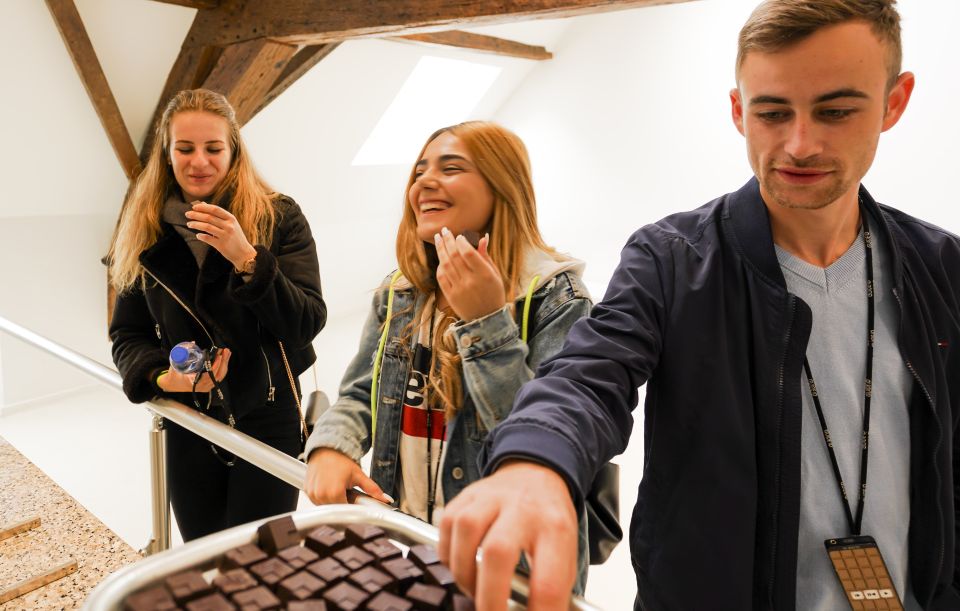
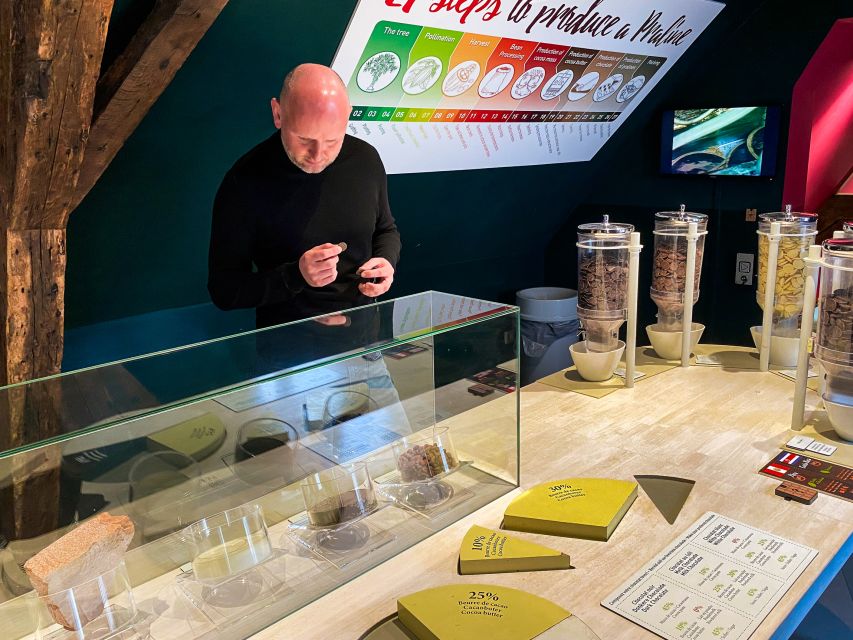
Tastings are baked into the experience from the start. You receive a welcome tasting when you arrive. Then there are variety samples along the way that help you compare flavors as you learn the story.
One practical thing that stands out from the experience: there are tasting moments right before the demo as well, where you can help yourself. That’s great because it turns the demo into a part of a bigger tasting arc, not a single event that only happens once.
A tip if you’re planning for food sensitivities
The museum offers multiple samples, so you’ll likely consume more chocolate than you expect. If you’re sensitive to sugar or strong flavors, pace yourself and treat tastings like mini lessons, not a race. And if you’re bringing kids, you’ll probably find it helps to do tastings in small bites so they don’t burn through their energy before the show.
Museum shop: taking the story home (without overthinking it)
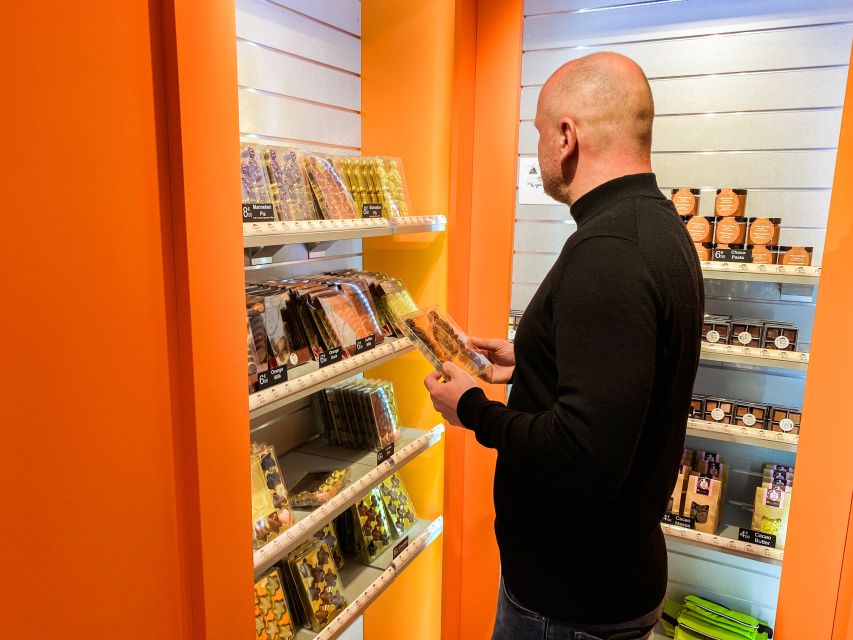
When you finish, don’t skip the shop. You’ve just learned how chocolate goes from cocoa to craft pralines, so buying something small to take home feels like a logical wrap-up rather than an impulse stop.
The shop also gives you a way to turn your new taste preferences into a souvenir. If you’re the type who hates bringing back magnets, this is a better use of your money.
Is it worth $18? Value compared to other Brussels “food stops”

For $18, the value is strong because your ticket includes:
- Entrance to the museum
- Tastings (welcome sample plus additional samples)
- A live master chocolatier demonstration
- A handheld audioguide in multiple languages
A lot of attractions charge similarly but only offer one of those components. Here, you get storytelling, sampling, and a performance-like moment. That’s why the price lands well for both chocolate lovers and people who want something educational without a stiff classroom vibe.
One more value factor: it’s wheelchair accessible, and the group is limited to 10. That tends to make the experience smoother than larger, more chaotic food attractions.
Who should book Choco-Story Brussels (and who might not love it)
This is ideal if you fit one of these profiles:
- You love chocolate and want the story behind why Belgian pralines are a big deal.
- You want a rainy-day plan that isn’t boring for kids.
- You like self-guided activities where you can set your own pace.
- You enjoy food experiences where tasting is built into the learning.
You might think twice if:
- You get stressed by crowds, especially in the demo room.
- You were expecting a guided tour with a person you can ask questions to. This is audio-led, not a Q&A tour.
Also, if you’re pairing this with other Brussels attractions, you’ll want to keep the schedule flexible. The museum is fairly compact, and your time will stretch or shrink based on how long you linger with interactive displays and tasting.
Should you book? My quick decision guide
Book it if you want a chocolate experience that’s simple, structured, and seriously snack-focused. The audioguide in 11 languages, the live praline demo, and the built-in tastings make this one of the better “pay once, get lots of value” activities in Brussels.
Skip it or swap to something else if you need a live guide to answer questions or you know you’ll be annoyed by crowding during the demonstration. In that case, go for a less busy time slot if possible, or choose a different food-focused stop with more open viewing.
If you’re on the fence and you love chocolate, you’ll likely be happy you came. Worst case, you learn something, you taste something, and you leave with a box that can buy you an extra dessert later.
FAQ
Do I need a guided tour with a person?
No. The experience is self-guided using a hand-held audioguide. A guided tour is not included.
What languages are available on the audioguide?
The audioguide is available in 11 languages. The information provided lists Dutch, French, English, Spanish, German, Russian, Chinese, and Italian.
Is the chocolate tasting included?
Yes. Tastings are included, starting with a welcome tasting, plus additional samples during the visit.
Is the master chocolatier demonstration included?
Yes. The ticket includes a demonstration by a master chocolatier, and you can taste the praline made during the demo.
How long does the visit take?
The experience is listed as duration: 1 day. Based on typical visit pacing, you can plan for roughly 1–2 hours, depending on how much you sample and how long you stay in the interactive rooms.
Where do I meet for the experience?
Meet at Choco-Story Brussels, Rue de l’étuve 41, 1000, Brussels.
Is the museum wheelchair accessible?
Yes, it is wheelchair accessible.
What’s the cancellation policy?
Free cancellation is available up to 24 hours in advance for a full refund.