REVIEW · BRUSSELS
Brussels Tootbus Discovery Hop On Hop Off Bus and walking tours
Book on Viator →Operated by Tootbus · Bookable on Viator
Brussels can feel big fast, especially if it’s your first visit. This Tootbus hop-on hop-off pass gives you a simple way to see major sights across town without locking yourself into a strict tour pace. You get multilingual audio plus mobile support through the Tootbus app, so you can hop off, linger, then board again when you’re ready.
Here’s what I especially like. The bus route covers a wide swath of Brussels, including the center highlights and the big modern landmark area around the Atomium. I also like that the experience is built around your timing: choose a 24, 48, or 72-hour validity window and explore at street level when you want.
One thing to consider: the smoothness can depend on timing and tech. Some people report long waits and an app that doesn’t always match what’s happening in real life, plus occasional audio or headphone hiccups—so I’d plan with a little flexibility.
Key highlights you’ll feel right away
- Hop-on hop-off freedom: revisit stops during your ticket’s validity window.
- 100% electric bus: eco-friendly riding with onboard free Wi‑Fi.
- Audio in your language: bus audio and mobile audio through the Tootbus app.
- Real-time tools: the app includes bus tracking and stop help (with occasional mismatches).
- Tootwalk walking tours: use the app for guided audio strolls between bus stops.
- Kids get their own audio: a special guide designed for younger listeners.
In This Review
- Getting Your Bearings on Brussels’ Big-City Layout
- Electric Bus Comfort: What the Ride Is Really Like
- Using the Tootbus App for Tracking and Audio (and Knowing Its Limits)
- Tootwalk Walking Tours: Turning Bus Stops into a Real City Stroll
- The Full Loop Breakdown: Stop by Stop in Brussels
- Central Station: Start Fast, Then Decide
- Grand-Place and Manneken Pis: The Classic Core
- Poelaert / Louise / Courthouse: Big Architecture, Big Scale
- Luxembourg: A Calm Slice Between Landmarks
- Cinquantenaire: Monument Area Energy
- Place Royale: Old World Meets Royal Context
- The Return Stops: Rogier, De Brouckère, and the Atomium Zone
- How Often Does It Run? The Wait-Time Reality Check
- Audio and Headphones: When the Story Fits (and When It Doesn’t)
- Price and Value: Picking the Right Validity Window
- Practical Tips That Make This Hop-On Hop-Off Easier
- Should You Book Tootbus in Brussels?
- FAQ
- Is this hop-on hop-off tour offered in English?
- How long is the Brussels Tootbus experience?
- What ticket options are available for the bus pass?
- Does the tour include audio commentary?
- Can I track buses and find stops in real time?
- Is there free Wi‑Fi on the bus?
- Is there a restroom on the bus?
- Is food or drink included?
- Is cancellation free if I change my plans?
- Are service animals allowed?
Getting Your Bearings on Brussels’ Big-City Layout

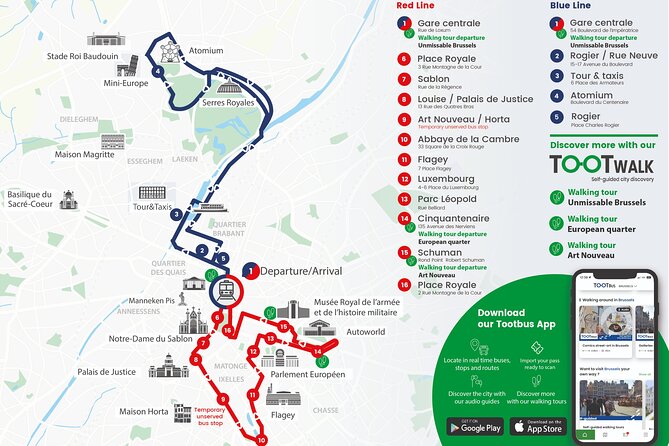
If Brussels is your first stop in Belgium, this is one of the easiest ways to get your mental map straight. The route is designed to connect the places most people want to hit: the historic core, royal sights, major museums/monuments, and the Atomium area. Instead of guessing bus routes or taxiing in bursts, you treat the city like a set of connected neighborhoods.
The big value is how low-stress it feels. You can get off for photos, walk inside a square, grab a coffee, then get back on later. That flexibility matters in Brussels because weather and crowds can change your plan quickly.
Also, the tour is offered in English, with audio available in multiple languages. So even if you switch languages mid-visit (or your group does), the system is meant to support you.
Electric Bus Comfort: What the Ride Is Really Like
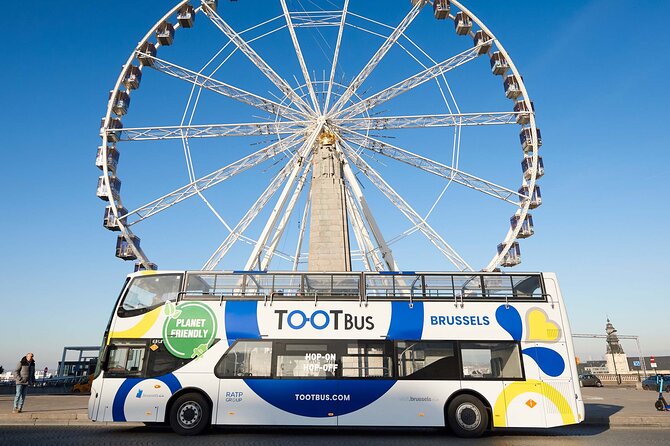
This is a hop-on hop-off tour run on a 100% electric bus, which is a practical upgrade from the old idea of noisy, old-school sightseeing buses. The buses come with free Wi‑Fi, which helps when you’re trying to confirm your next stop using the Tootbus app.
That said, comfort is not the same for everyone. Brussels streets have plenty of cobblestones, and some people describe the ride as bumpy, especially on rougher segments. You may also feel cold on certain seats or if you choose an open-air view on the upper deck; one review specifically flagged that the open top deck can make the bus chilly.
And no, you’re not doing this tour for onboard amenities. There’s no restroom on board, and food and drink aren’t included. Plan on bathroom breaks while you’re off the bus exploring.
You can also read our reviews of more walking tours in Brussels


Using the Tootbus App for Tracking and Audio (and Knowing Its Limits)
The Tootbus app is a core part of how you’ll use the pass. It’s not just a digital ticket. It includes an e-ticket wallet, bus tracking, and audio access—plus it supports the walking tours called Tootwalk.
When the app works well, it’s a game changer. You can locate stops, follow the buses in real time, and line up your hop-off moments. That kind of guidance is especially helpful because some stop placement can be confusing until you recognize the signage.
But I’m going to be honest about expectations. A few experiences described the app’s live timing as unreliable, with wait times longer than shown. There were also reports of audio announcements being hard to catch on board, requiring people to follow the app stop list instead.
So here’s my practical approach: use the app for help, then keep a small buffer in your day. If you’re aiming for a timed museum entry, don’t schedule it like the bus will behave perfectly to the minute.
Tootwalk Walking Tours: Turning Bus Stops into a Real City Stroll
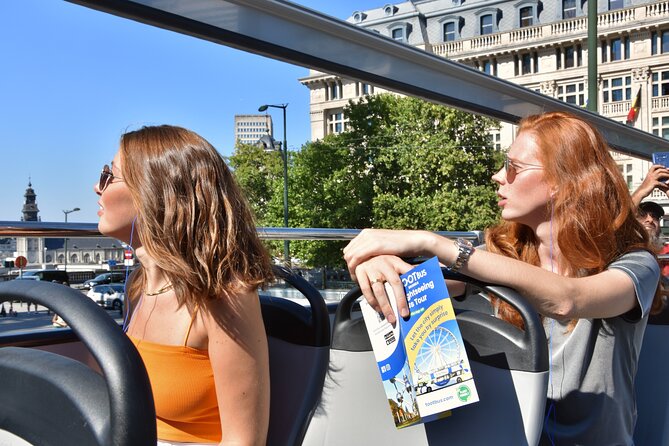
The bus is your backbone. Tootwalk is what makes the neighborhoods feel understandable instead of just scenic.
These walking tours are audio-guided and designed to help you explore on foot between bus stops. That’s a great match for Brussels because a lot of the best moments are tied to small streets, facades, and how squares connect.
There’s also evidence that some guided experiences can run longer than you expect. One person mentioned a guide named Patrick for a 4-hour walking tour, describing him as fantastic and noting they used radio sets so everyone could hear the guide clearly. Even if your version is audio-first rather than fully live guided, the takeaway is the same: pay attention to the audio layer, because it turns a stop into a story you can walk through.
If your goal is photos plus context, this is where you get it.
The Full Loop Breakdown: Stop by Stop in Brussels
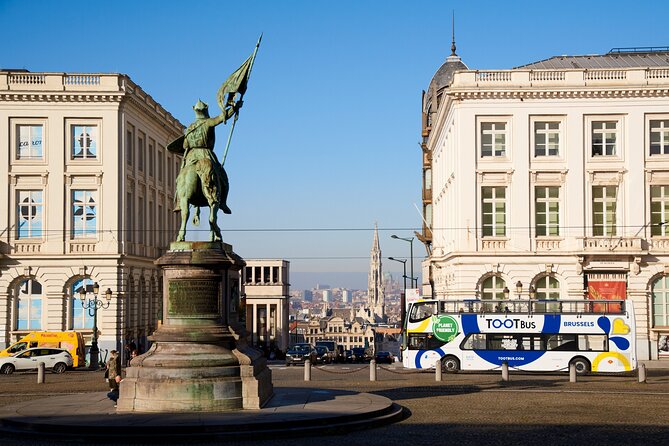
I like hop-on hop-off routes most when I can see what each stop actually buys me. Here’s how this one feels, using the stop names and locations provided.
Central Station: Start Fast, Then Decide
You’ll begin at Rue du Cardinal Mercier 33 (Central Station). This is a smart anchoring point because it’s easy to connect to other transit, and it reduces the stress of figuring out where to start. It’s also a good place to validate your plan: once you’re oriented, you can choose whether to go straight toward the historic core or save it for later.
Drawback to keep in mind: some people reported difficulty finding stops at first, so arriving a bit early and checking signage helps.





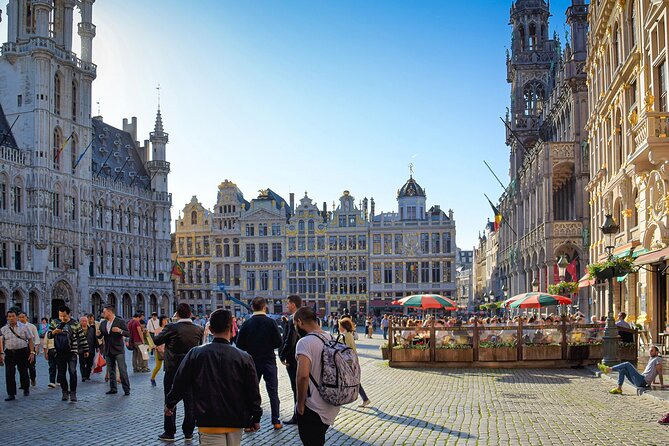
Grand-Place and Manneken Pis: The Classic Core
Next is Rue du Lombard 68 (Grand-Place / Manneken Pis). This is the heart of “postcard Brussels.” Getting here via bus is efficient because it puts you in the thick of the city where you can walk, pause, and explore without needing to translate transit routes.
This stop is perfect for:
- quick orientation photos
- wandering the square area at your own pace
- fitting in a short snack break before you move on
If you’re sensitive to crowds, try not to jump off during the tightest peak moments. The advantage of hop-on hop-off is you can also wait for a quieter window later in the day.
Poelaert / Louise / Courthouse: Big Architecture, Big Scale
Stop three is Rue des Quatre Bras (Poelaert / Louise / Courthouse). This part of town tends to feel more monumental than the tighter historic streets. It’s a nice contrast: you’ll get a sense of Brussels’ scale, not just its charm.
One consideration: if you’re expecting lots of immediate visual payoff right off the bus door, you might have to walk a bit to find the viewpoints you want. Use the audio to guide where to look.
Luxembourg: A Calm Slice Between Landmarks
Stop four is Pl. du Luxembourg 2 (Luxembourg). This is the kind of stop that works well when you want a breather. Squares and park-adjacent areas are where the “city tour” feeling fades and you start living the city for real.
It’s a good moment to:
- slow down after bus riding
- reset your energy
- do a short walk that feels local rather than staged
Cinquantenaire: Monument Area Energy
Stop five is Av. des Nerviens 131 (Cinquantenaire). This is a strong “see it, then roam” stop. The Cinquantenaire area is known for standout monumental space, and it’s the sort of place you can enjoy even if you’re not the kind of person who wants to read every plaque.
If you’re also using the walking audio, this can be a good place to match your route to the story the audio is telling—because architecture and urban planning make more sense when you can look around while listening.
Place Royale: Old World Meets Royal Context
Stop six is Rue de la Régence 2 (Place Royale). Place Royale gives Brussels a more formal, elegant feel. It’s a great pairing with the Grand-Place stop because you’re comparing two “faces” of the city—historic civic center versus royal context.
This stop works well for photos that capture:
- facades
- street rhythm
- the transition from busy core to more measured streets
The Return Stops: Rogier, De Brouckère, and the Atomium Zone
On the way back, the route includes:
- Av. du Boulevard 21 (Rogier)
- Boulevard du Centenaire (Atomium & Mini Europe)
- Rue de l’Evêque 7 (De Brouckère – Centre)
Rogier and De Brouckère are helpful if you want to reconnect with the city’s movement and shopping areas without fighting multiple transfers. Then comes the big reason many people choose this pass: Atomium & Mini Europe at Boulevard du Centenaire.
Practical note: one experience described a driver leaving after someone stepped off for a photo at the Atomium stop. That’s a reminder that you should treat hop-off time as real time. If you step off, keep an eye on when your bus is scheduled to depart and don’t stray too far.
How Often Does It Run? The Wait-Time Reality Check
The tour experience is built around hopping on and hopping off, so frequency matters.
Some feedback described buses arriving as often as advertised, while others said waits stretched far beyond the expected interval. One person reported a wait of about 45 minutes and another described about 40 minutes twice, with delays that cost time and forced additional transit.
I’m not going to pretend every day is the same. Traffic, staffing, and route pressure can change things quickly in a city like Brussels. So I recommend a simple tactic:
- plan to enjoy stops, not to sprint between them
- if you have a strict appointment, schedule it with extra buffer time
- use the app for tracking, then verify visually when you can
If you treat it as flexible transportation rather than a timed shuttle, it works much better.
Audio and Headphones: When the Story Fits (and When It Doesn’t)
Audio is a major part of the product, and many people liked it. Others said the audio didn’t line up with what they could see at that moment, or that it leaned more toward music than commentary.
There were also mentions of headphones/jacks not working on some buses and issues with seating plugs. Another report said they could not access free Wi‑Fi even though it was mentioned on board.
So here’s the practical angle: if audio is important to your enjoyment, bring a backup plan. Download what you can in advance through the app if possible, and don’t rely solely on Wi‑Fi to carry the day. If you’re hard of hearing, sit where you’ll have the clearest announcements—or use the app stop list if onboard stop audio is muffled.
Price and Value: Picking the Right Validity Window

This pass comes in 24, 48, or 72 hours, and the value depends on how you travel.
If you’re in Brussels for a short trip, a 24-hour ticket can be a smart move. One review specifically mentioned using a 24-hour window effectively to revisit places for photos and return to points of interest.
A longer pass can pay off if you plan multiple loops and if waiting times don’t derail your schedule. But one experience called a 2-day pass not worth it, mainly because long waits and traffic made the bus less efficient than other transit options for reaching tourist sights.
So what should you do? Match the ticket to your patience level.
- If you like wandering and you’re okay with buses as your transport backbone, choose the longer window.
- If your schedule is tight and you’re mostly using the bus for a few must-sees, the shorter window is safer value.
Also, some people used discounted pricing and felt the tour became easier to justify. Since you won’t know your exact ticket deal in advance, treat discounts as a bonus, not the foundation of the decision.
Practical Tips That Make This Hop-On Hop-Off Easier
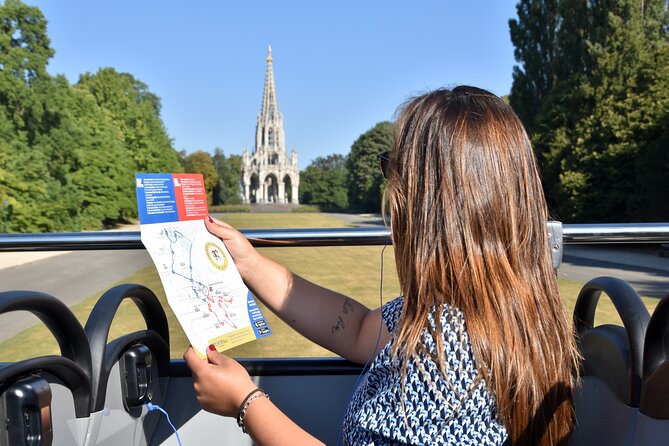
Stop finding can be the make-or-break moment. A few people said stops weren’t well marked at first. Others said it became easy once they noticed the sign on top of the bus stop pole.
So do this:
- arrive a few minutes early to your first stop
- scan the poles for the stop sign before you assume you’re in the wrong spot
- if you’re off by a block, check the app and walk to the correct stop rather than wasting time waiting
Weather matters too. If you’re visiting in colder months, remember the bus might feel chilly, especially on parts of the upper deck. Layers beat comfort guessing.
Finally, manage your time like a local. Brussels travel can involve traffic delays, and sometimes the best move is to enjoy the walk between sights instead of waiting for the next bus as if it’s a metro train.
Should You Book Tootbus in Brussels?
Book it if you want an easy first-city overview and you like building your day around stops, not schedules. I’d especially recommend it if:
- you’re new to Brussels and want a simple way to connect major sights
- you enjoy the idea of audio-guided walking through Tootwalk
- you prefer flexibility over a rigid guided itinerary
Skip it (or at least plan alternatives) if:
- you’re on a tight clock with timed museum tickets
- you hate uncertainty about bus arrivals and dislike long waits
- you’re hoping for a highly detailed, constantly accurate narration that perfectly matches every sight in real time
My take: when it runs smoothly, this is a solid, low-effort way to see a lot of Brussels. When it doesn’t, you’ll still get the route coverage—but you’ll want backup plans and extra time.
FAQ
Is this hop-on hop-off tour offered in English?
Yes. The experience is offered in English, and you’ll also have audio commentary available in multiple languages.
How long is the Brussels Tootbus experience?
The tour duration is listed as about 1 hour (approx.). If you add the walking tours through Tootwalk, those can take longer.
What ticket options are available for the bus pass?
You can choose from 24, 48, or 72-hour validity options.
Does the tour include audio commentary?
Yes. Audio commentary is included and you can access it on the bus and through the Tootbus app. There’s also a kids audio guide.
Can I track buses and find stops in real time?
The app includes bus tracking and help finding stops, including an e-ticket wallet.
Is there free Wi‑Fi on the bus?
Yes. Free Wi‑Fi is included on board.
Is there a restroom on the bus?
No. A restroom is not included.
Is food or drink included?
No. Food and drink are not included.
Is cancellation free if I change my plans?
Yes. Free cancellation is available up to 24 hours in advance for a full refund.
Are service animals allowed?
Yes. Service animals are allowed.