REVIEW · BRUSSELS
The Most Complete Tour Of Brussels
Book on Viator →Operated by BelgoTours · Bookable on Viator
Brussels in 2.5 hours feels like magic. This tight walk hits the city’s biggest postcard moments, starting at Grand Place and running through Manneken Pis and the Sablon church, then finishing at Mont des Arts. I like that it’s an English-speaking experience, and some guides (like Ian and Marcella) bring the city to life with practical tips, not just facts.
The main thing to plan for is the pace: it’s a walking tour, and if you’re limited on mobility, you may want to take a harder look at whether the route works for you. Also, the meeting point can be crowded, so arrive a few minutes early to avoid the usual hunt.
In This Review
- Key highlights worth your attention
- Why this 2.5-hour Brussels walk fits real travel days
- Grand Place to Manneken Pis: start with the boldest icons
- Notre Dame du Sablon: where class, church, and city life overlap
- Mont des Arts: finishing in the upper city zone
- Price and the real cost of “cheap”
- What you actually see: four stops, four different reasons to care
- Guides can make or break this kind of tour
- Walking comfort: what to expect on your legs
- Meeting at Grand Place: avoid the classic crowd problem
- Snacks and chocolate: plan your own sweet moments
- Who this tour suits best (and who should rethink it)
- FAQ
- FAQ
- How long is The Most Complete Tour Of Brussels?
- Is the tour offered in English?
- Where do I meet the guide?
- Where does the tour end?
- Do I need to pay more than the listed price?
- Is chocolate tasting included?
- Should you book it?
Key highlights worth your attention
- Four famous stops in one compact route, with free entry at each stop
- English guide with stories plus city-useful recommendations
- Small group size (maximum 30) that keeps things moving
- Mobile ticket and service animals allowed
- Voluntary contribution of €15–30 at the end, which is where the real value is built
- Guide-style extras like photo moments, quiz-style engagement, and smart routing if streets are busy or changing
Why this 2.5-hour Brussels walk fits real travel days
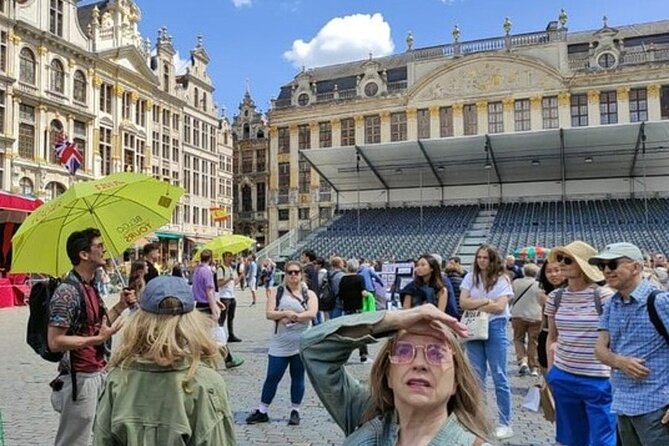
This tour is built for people who have a short window in Brussels and want the essentials without turning your day into a spreadsheet. You get about 2 hours 30 minutes on foot, moving between four major sights, with each stop timed so you see more than one “look and go” attraction.
Because the group cap is 30, you’re not stuck behind a parade of strangers. The tour also runs in English, which matters a lot in Brussels, where sign language with your phone sometimes feels like your only plan.
You can also read our reviews of more tours and experiences in Brussels.
Grand Place to Manneken Pis: start with the boldest icons
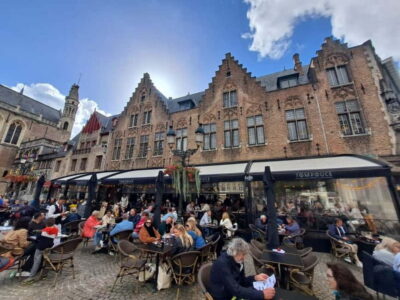
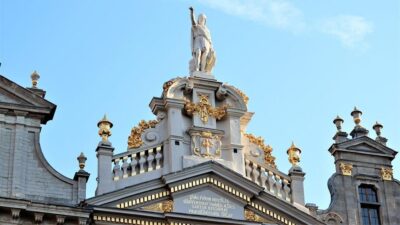
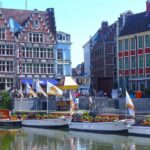
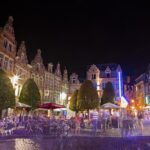
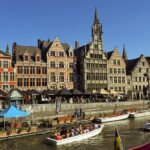
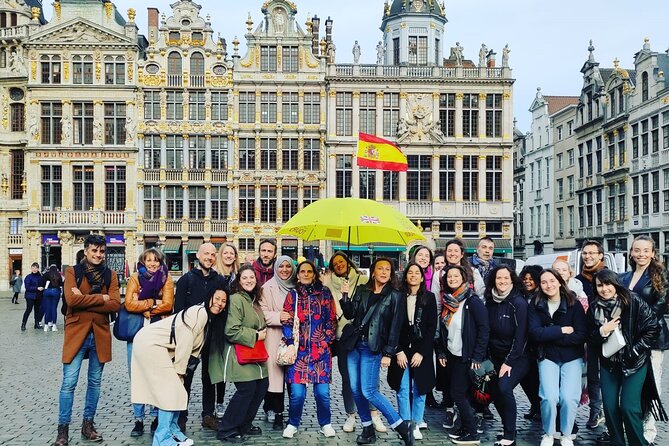
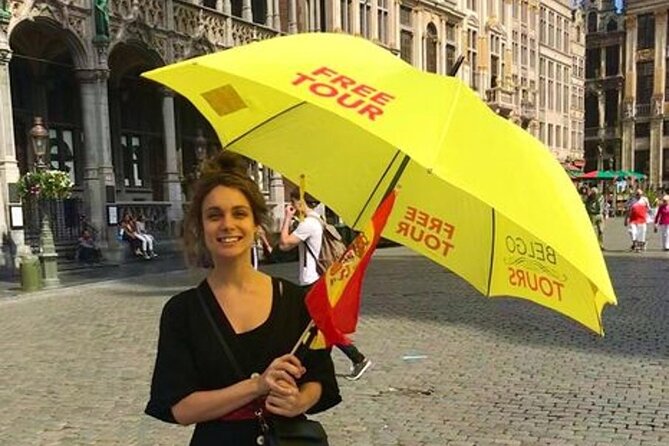
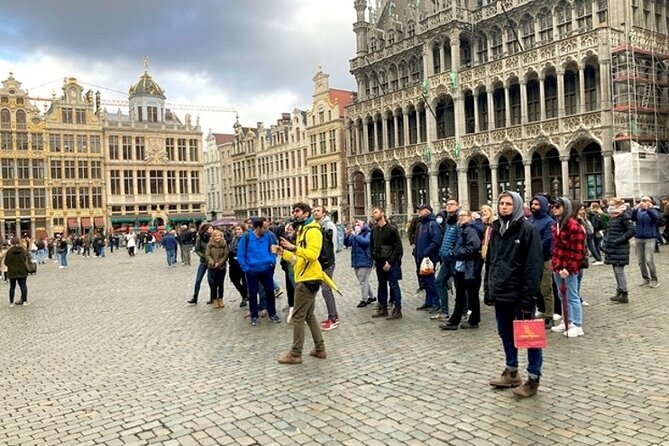
Your walk begins at Grand Place (Grote Markt). This is one of Europe’s great civic squares: huge, ornate, and full of architectural styles that look like they were designed to compete with each other. You get around 15 minutes here, which is just enough time to take photos, spot details, and understand why people treat this square like the city’s stage set.
What I like most is that you’re not just standing in front of something pretty. The guide helps you read the square—what you’re looking at, why it matters, and how it connects to Brussels as a whole.
Then you move on to Manneken Pis for about 20 minutes. Yes, it’s small. Yes, it’s famous. And that’s exactly why it’s worth a timed stop: you can see it, learn the story angle your guide emphasizes, and get your picture done without losing the rest of the day.
If you want a practical takeaway, this is where you start building your bearings. After Grand Place and Manneken Pis, you understand what “central Brussels” looks like and where your feet naturally want to go next.
Notre Dame du Sablon: where class, church, and city life overlap
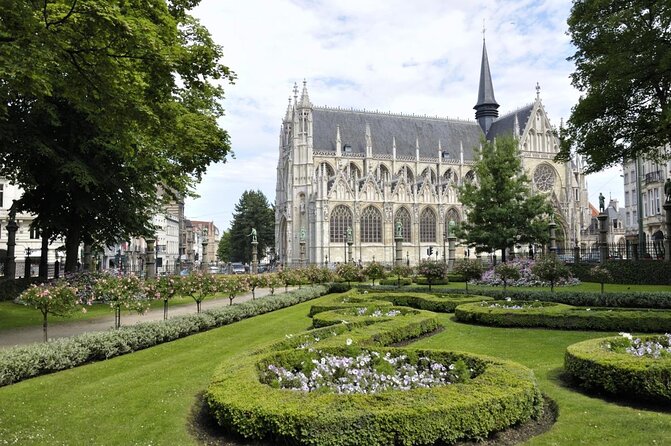
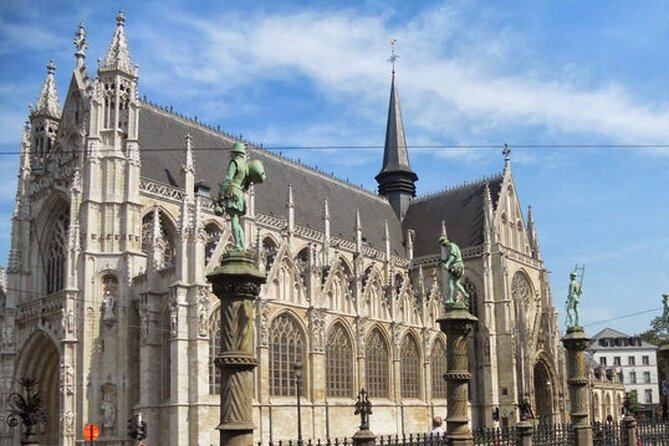
The next stop is the Church of Notre Dame in the Sablon area, where you’ll spend about 20 minutes. The key idea here is not only the building itself, but its place in the city’s social timeline. This church connects to a former meeting place for the aristocracy during the 19th century, which gives you a sharper lens for why the neighborhood feels like it has its own personality.
In other words, you’re not just collecting another stop. You’re walking into a different Brussels mood: upper-class history, polished streets, and a sense that the city has layers beyond the tourist center.
One note: if your ideal tour is strictly facts with zero personality, you’ll want to pay attention to the guide style. Some guides lean into story pacing and interaction more than others, and that can change how the Sablon stop feels.
Mont des Arts: finishing in the upper city zone
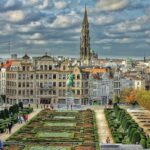
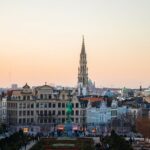
The last highlight is Mont des Arts, with around 20 minutes allocated there. This is in the upper part of the city, tied to the royal court district. The big value of ending here is that it often changes the way you see Brussels. You’re not stuck in a single flat view the whole day, and the finish gives your legs and your brain a satisfying “last act.”
The tour ends at Mont des Arts 1 (near the end point map pin), so it also works well if you want to continue on your own afterward. You can grab food, browse nearby streets, or simply slow down for a bit of decompression after your walking loop.
Price and the real cost of “cheap”
The listed price is $3.62 per person, but the experience includes an actual guide and a route through high-demand central sights. On top of that, you give a voluntary contribution at the end—€15–30 is the range you’re expected to plan for.
Here’s how I think about the value. If you only look at the $3.62, it can feel almost too good to be true. But once you treat it like an admin fee plus a guide you’re supporting directly, the math starts making sense. You’re paying less upfront because the tour is set up so the guide contribution becomes the main “service payment.”
I also like the way this model can shape behavior in the group. When you’re not paying a huge fixed sightseeing package, guides often work harder to make the time feel worth it. In this case, guides have shown up with a friendly, interactive style—some even use quiz-style questions to keep everyone awake and engaged.

What you actually see: four stops, four different reasons to care
Let’s translate the route into what it gives you day-of, not just what’s on a schedule.
- Grand Place (about 15 minutes): your visual anchor. It sets the tone for why Brussels is worth slowing down for.
- Manneken Pis (about 20 minutes): a famous photo stop that also helps you understand the city’s humor and identity.
- Church of Notre Dame du Sablon (about 20 minutes): a historical context stop that adds depth beyond the postcard layer.
- Mont des Arts (about 20 minutes): a satisfying finish in the upper-city royal-court area where the city feels different.
The time at each stop is tight, so you’ll want to be ready to move. If you’re the kind of traveler who needs long museum-style reading time, consider pairing this with one longer activity later.
Guides can make or break this kind of tour
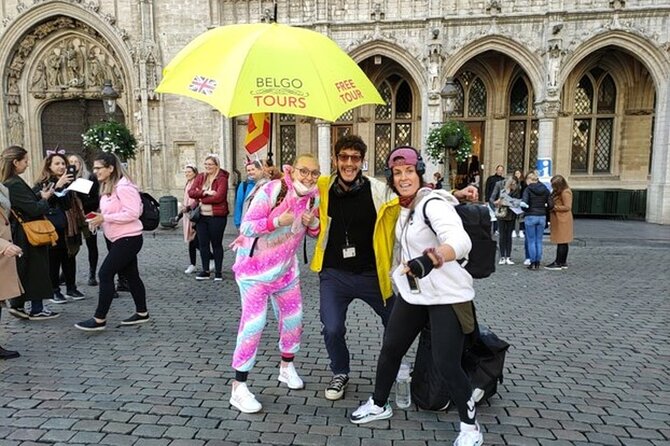
This tour is guide-led, and the guides vary. The good news: the overall tone from recent guide experiences is positive, and you’ll see a pattern—engaging storytelling plus practical help.
Some examples from guide styles you can expect in the wild:
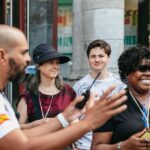
- Ian has taken group photos and shared extra hints on food, drink, and places to see.
- Marcella has been praised for interactive engagement, including quiz-style moments, and she’s even been associated with adding a beer-bar reference to Delirium.
- Adelin has been described as funny and captivating, mixing context without stuffing your head with nonstop facts.
- Ardel has been noted for calm, quick thinking during a national protest, showing how guides handle real-world surprises.
- Cesar has been praised for jokes plus city recommendations.
You don’t need every tour to be a comedy show, but you do want a guide who can keep the pacing smooth and the stories clear. This is one of those tours where the guide’s personality is part of the product.
Walking comfort: what to expect on your legs
This is mostly walking in central Brussels, and it moves at a steady pace because each stop is time-boxed. Most people can participate, but there’s also a clear warning from experience: there can be quite a bit of walking if you have impairments.
If you’re on the fence, think honestly about your best-case day. If you can do long strolls without needing frequent breaks, you should be fine. If you need a slower pace, bring help, or consider a different format that gives you more seating time.
Also, wear practical shoes. Brussels sidewalks are not uniform, and you’ll be grateful for grip when the weather turns.
Meeting at Grand Place: avoid the classic crowd problem
The meeting point is Grand Place (Grote Markt), 1000 Brussels. That sounds simple, but in practice, squares can be chaotic: many entrances, many people, and not always enough landmarks to make spotting your guide effortless.
If you want to dodge the hassle, arrive a few minutes early and scan actively. When you do this, the meeting becomes quick and painless.
If you’ve had bad luck finding groups before, you might prefer an earlier arrival even if it means waiting.
Snacks and chocolate: plan your own sweet moments
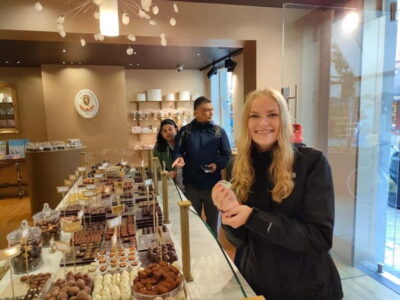
One thing to note: snacks are not included, and chocolate tasting is not part of the package. That’s not a deal-breaker, but it does mean you should budget for your own Brussels treats.
If you want to make your day feel complete, build a chocolate stop into your schedule after Mont des Arts. Pair it with a quick coffee or a sit-down meal so the tour doesn’t become all motion and no reward.
Who this tour suits best (and who should rethink it)
This is ideal for:
- First-timers who want a fast route through the biggest highlights
- People visiting for one or two days who need a smart introduction
- Solo visitors who want a structured walk with a guide and conversation
- Anyone who likes a guide who answers questions and adds practical tips
This might be less ideal if:
- You want a deep, slow, museum-style approach at each stop
- You’re very sensitive to guide style (some tours can feel more theatrical or joke-forward than you expect)
- You have mobility limitations and need lots of rest or minimal walking
One more honest point: even great tours can feel underwhelming on days when you’re tired or expecting more of a specific theme. The route is built around key central sights, not long detours.
FAQ
FAQ
How long is The Most Complete Tour Of Brussels?
It runs for about 2 hours 30 minutes.
Is the tour offered in English?
Yes, the tour is offered in English.
Where do I meet the guide?
You meet at Grand Place (Grote Markt), 1000 Brussels, Belgium.
Where does the tour end?
It ends at Mont des Arts 1, 1000 Bruxelles, Belgium.
Do I need to pay more than the listed price?
Yes. The tour asks for a voluntary contribution to the guide at the end, typically in the €15–30 range.
Is chocolate tasting included?
No. Snacks are not included, and chocolate tasting is not part of the experience.
Should you book it?
If you want a short, efficient way to see central Brussels with a guide who can add context and practical city advice, I’d book this. The four free-entry highlights give you strong value, and the guide contribution model keeps it tied to the quality of the experience.
Just be realistic about two things: this is a walking tour, and the meeting point is a busy square. If you plan around those, you’ll get a smooth introduction that helps you spend the rest of your Brussels time with far less guesswork.