REVIEW · BRUSSELS
Flanders World War I Battlefields Private Tour from Brussels
Book on Viator →Operated by YS BELGIUM LIMOUSINE · Bookable on Viator
A day like this doesn’t just teach dates. It walks you through the places where the war left its mark. What makes this Flanders World War I route special is the built-in round-trip transport from Brussels and the sequence of key memorial sites around Ypres that keeps the story moving. I also like that the In Flanders Fields Museum entry is included, so you’re not juggling tickets while your brain is already full.
One possible drawback to think about: at $889.89 per person for a private tour, it can feel pricey if you’re only after a casual overview and you don’t plan to spend much time at each site.
In This Review
- Key Highlights You Should Care About
- From Brussels to the Ypres Salient: Why This Route Makes Sense
- Saint Julien Memorial: The Brooding Soldier and Polygon Wood
- The Tank Memorial and the Ypres Salient Drive: Seeing More Than One Battle
- In Flanders Fields Museum: The Included Ticket That Gives Context
- Essex Farm Cemetery and the John McCrae Connection
- Hill 60: Why Underground Fighting Changes the Story
- Tyne Cot Cemetery and the Tyne Cot Memorial to the Missing
- Ypres Free Time, Lunch on Your Own, and Menin Gate + Last Post
- Price and Logistics: Is $889.89 Per Person Worth It?
- Who This Tour Fits Best (and Who Should Skip It)
- Booking Notes That Matter Once You’re On the Ground
- Should You Book This Flanders World War I Tour from Brussels?
- FAQ
- How long is the Flanders World War I tour from Brussels?
- Is transportation included from Brussels?
- What stops are included during the day?
- Is lunch included?
- Is the museum entry included in the price?
- Are there any admissions fees for the other stops?
- Does the tour offer Wi-Fi and bottled water?
Key Highlights You Should Care About
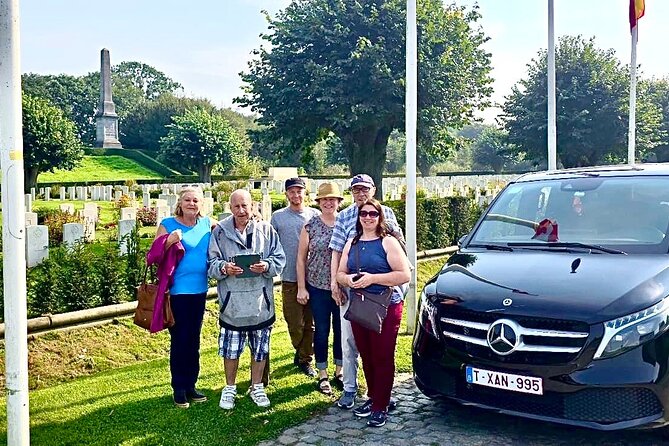
- Hotel pickup and drop-off from Brussels, which saves you from car rental stress on one of the easiest places to get lost without a plan
- A guided day across multiple major memorials, including Canadian and Australian remembrance at Saint Julien
- In Flanders Fields Museum is included, which gives you context before you step outside into the cemeteries
- Hill 60 gets a guided walk, with the notable angle of underground fighting
- Tyne Cot Cemetery and the Tyne Cot Memorial to the Missing help you understand loss and names, not just battle lines
- Ypres plus Menin Gate and the Last Post ceremony, where the memorial becomes a living ritual
From Brussels to the Ypres Salient: Why This Route Makes Sense
This is an all-day World War I itinerary built for people who want more than a quick stop at one cemetery. You start in the Saint Julien area and work your way toward Ypres and the surrounding “Ypres Salient” battle zones. That movement matters because the Salient is where the front lines shifted repeatedly, and the memorials reflect that constant churn.
The big practical win is transportation. You get pickup and drop-off, an air-conditioned vehicle, Wi-Fi, and bottled water, so you’re not timing trains or trying to interpret rural bus schedules while everyone else is doing nap math. The day runs about 8 to 10 hours, which is long, but it’s also the right length to see major sites without feeling like you’re sprinting.
You’ll also be able to take in the countryside drive toward Ypres. Even if you know the big story already, the scale hits differently when you’re physically moving through the region rather than looking at it on a map.
You can also read our reviews of more private tours in Brussels



Saint Julien Memorial: The Brooding Soldier and Polygon Wood
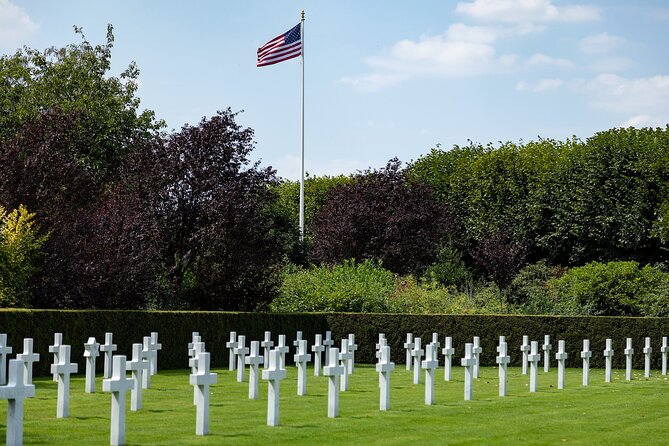
Your first stop is Saint Julien Memorial, with guided visits to several key remembrance points. Two of the most memorable are the Canadian memorial often called the Brooding Soldier and Polygon Wood, linked to the 5th Australian Division Memorial.
This is one of those starts that sets the tone quickly. Canadian memorials in Flanders don’t just commemorate; they communicate mood. The Brooding Soldier nickname fits what the monument conveys—gravity, waiting, and the sense that so many people never came home to finish their stories.
Polygon Wood adds another layer. It’s tied to the Australian experience, and it helps break the tendency to think of World War I as one national story. Instead, you see how the same battlefield connected multiple countries and thousands of personal losses.
Time on this stop is about 40 minutes, with free admission. That’s enough to see the monuments and let your guide connect them to the broader battle picture without turning it into a checklist.
The Tank Memorial and the Ypres Salient Drive: Seeing More Than One Battle
After Saint Julien, the tour heads toward Ypres with a stop that centers on the Tank Memorial at the Ypres Salient – Poelkapelle area.
Here’s the value of this portion: it reminds you that the Salient wasn’t one dramatic moment. It was a region that kept taking hits. You’re visiting a battlefield area tied to some of the biggest fighting of the war, and even a short, guided stop helps you understand why memorials and cemeteries cluster here.
Also, don’t underestimate what the drive does for your comprehension. The earlier stops teach you what was remembered. The road toward Ypres helps you understand why that remembrance is concentrated where it is.
This segment is about 1 hour, and admission is listed as free.
In Flanders Fields Museum: The Included Ticket That Gives Context
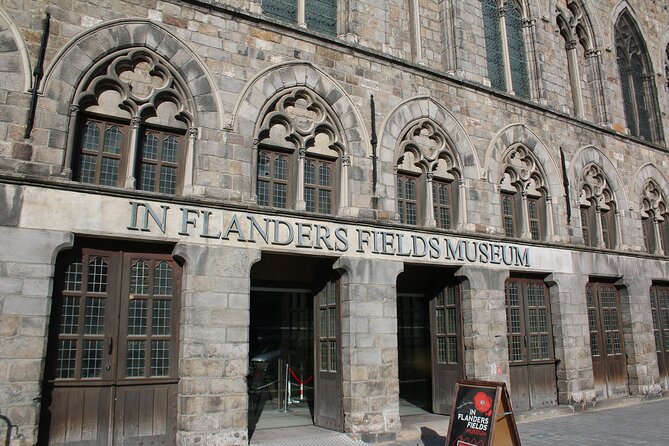
Next comes the In Flanders Fields Museum in Ypres, with entry included. This is the anchor stop for making sense of what you’re about to see outdoors.
Museums like this do two jobs well when they’re done right: they give you context before the walking starts, and they prevent your brain from turning everything into isolated monuments. After you visit, the names, symbols, and cemetery layouts start to feel connected rather than random.
You’ll spend about 1 hour here. The time is short, but enough to pick up the big threads: why this region mattered, what the human cost looked like, and why memorial culture in Flanders focuses so heavily on names.
If you’re the kind of person who likes to read and take notes, you’ll appreciate that the museum entry is already included so you can focus on learning, not admin.
Essex Farm Cemetery and the John McCrae Connection
After the museum, you head to Essex Farm Cemetery, plus nearby bunkers. The tour frames this area as a site used as a dressing station during World War I and ties it often to John McCrae, a Canadian soldier associated with the writing of In Flanders Fields.
This stop works because it links a famous poem to a specific place. Instead of treating the poem like a school-memory artifact, you can connect it to a location where wounded soldiers would have moved through intense, urgent medical realities.
Admission here is free, and the stop is about 30 minutes. That duration is important: it’s long enough to absorb the emotional weight and ask questions, but short enough that you don’t lose the thread of the day.






Hill 60: Why Underground Fighting Changes the Story
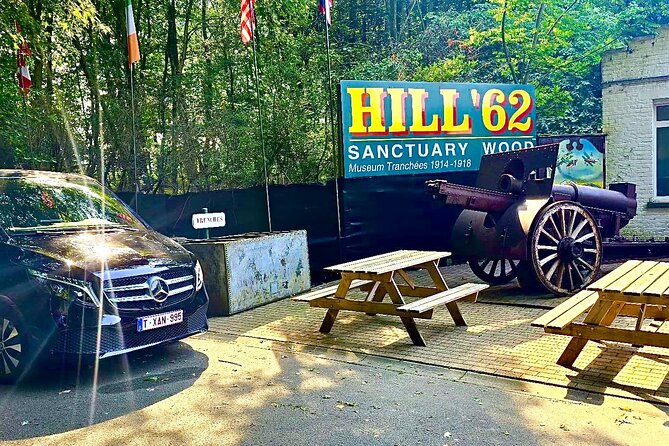
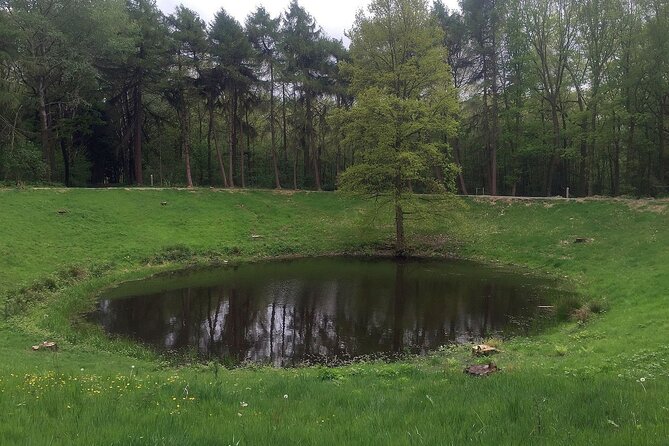
Then you walk up to Hill 60, a battlefield site known for heavy fighting. What makes Hill 60 stand out in this itinerary is that the fighting included a lot of action underground.
That detail matters. A lot of how we imagine World War I comes from the visible trench lines, but Hill 60 reminds you that the war was also fought below the surface—through tunnels, shell shock, and constant pressure under the ground.
This stop is about 30 minutes and also free. It’s a guided walk, so bring comfortable shoes and expect some uneven ground. Even if you’re not a history nerd, this is one of those stops where you start to feel the physical reality of how the war operated.
Tyne Cot Cemetery and the Tyne Cot Memorial to the Missing
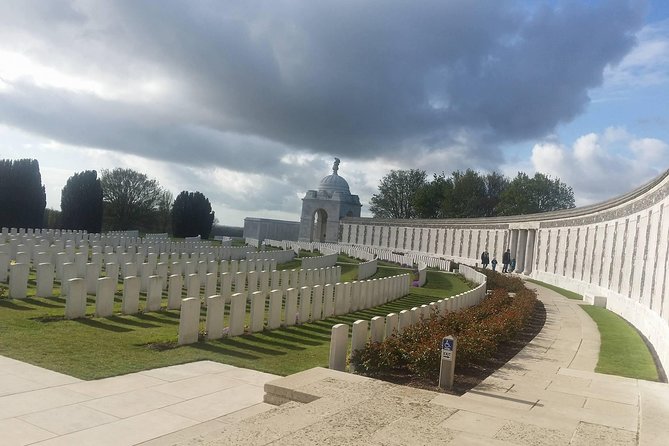
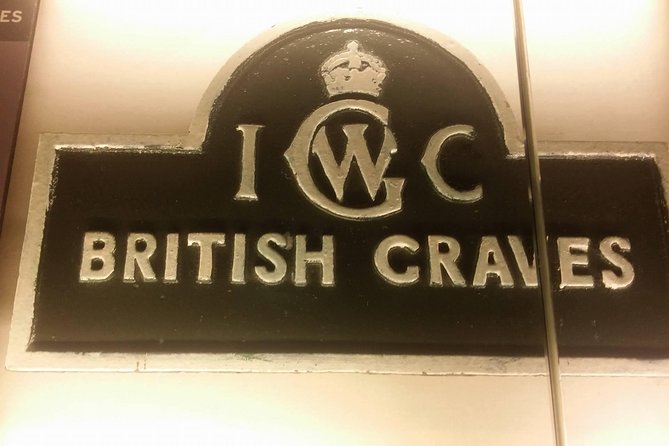
Next is Tyne Cot Cemetery, one of the largest and most famous cemeteries in the Ypres area. You’ll see soldiers buried there from the Ypres Salient, and you’ll also visit the Tyne Cot Memorial to the Missing—a stone wall engraved with names.
This is where the day may hit hardest. Cemeteries in Flanders are not just places to mourn; they’re organized systems of remembrance. Seeing how the memorial wall is built around missing people gives you a different kind of understanding of loss—one that doesn’t depend on a grave existing.
Time is about 30 minutes, with free admission.
Practical tip: spend a few minutes with the names. Even if you don’t recognize any, reading them slowly changes the experience from general sadness into something more specific and real.
Ypres Free Time, Lunch on Your Own, and Menin Gate + Last Post
You get free time in Ypres (Ieper) to explore the town at your leisure and to handle lunch on your own. The tour doesn’t include lunch, so this is a good moment to plan simple: pick something quick that won’t turn into a long detour.
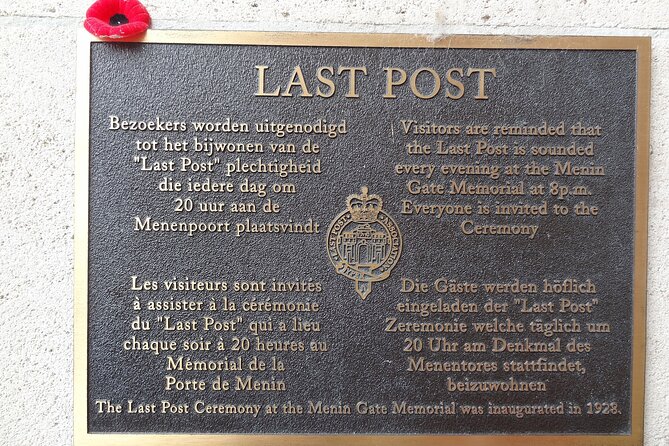
After that, you’ll visit Menin Gate Memorial in Ypres, where thousands of missing Commonwealth soldiers have their names inscribed. This is also where the tour highlights the Last Post ceremony in Ypres, which brings the memorial to life through tradition and collective remembrance.
You’ll spend about 1 hour 30 minutes here, and admission is listed as free.
This stop is often the emotional centerpiece of the day. The power of Menin Gate isn’t only in the scale of names, but in how it functions as a meeting point between history and the present. If you’re visiting Flanders for the first time, this is the moment when the story you learned earlier clicks into place.
Price and Logistics: Is $889.89 Per Person Worth It?
Let’s talk straight value. At $889.89 per person, this isn’t a bargain day trip. But it may still be good value depending on your style.
Here’s what you’re paying for, in practical terms:
- Private transportation with pickup and drop-off in Brussels
- An all-day plan that hits multiple major sites without you having to coordinate anything
- A museum ticket included (so you’re not paying separately for one of the core learning stops)
- Comfort extras like Wi-Fi and bottled water
- A guided flow that connects memorials and battle context rather than scattering them
If you’re traveling with a small group and you’d otherwise spend money on taxis, rental car hassle, parking, and then still need to figure out where to go next, the price can start to look more reasonable. Also, group discounts are offered, which can help if you’re not traveling solo.
If you’re the type who prefers self-guided pacing—staying longer in the places that grab you and skipping ones you feel less connected to—this private structure may feel less flexible. And if you’re sensitive to being on a timed schedule for 8–10 hours, you’ll want to treat this as an intentional full-day commitment, not a casual morning.
Who This Tour Fits Best (and Who Should Skip It)
This tour is a strong match if:
- You love World War I history and want a guided route through major memorial sites
- You want the comfort of pickup from Brussels without renting a car
- You appreciate learning context at the In Flanders Fields Museum before walking the cemetery grounds
It may be less ideal if:
- You’re on a strict budget and only want the basics
- You don’t want a full day with several stops and a long drive
- You prefer lunch and timing to be fully your own from start to finish
Also note: this is a private tour/activity, meaning only your group participates. That can be great for questions and pacing, but it also means you’re paying for privacy.
Booking Notes That Matter Once You’re On the Ground
A few practical things based on the tour details:
- The tour operates with mobile tickets
- Free cancellation is available up to 24 hours before the experience start time
- Service animals are allowed
- Children must be accompanied by an adult
For the day itself, the key is preparation. Bring a layer for cool or breezy moments in the open memorial areas, and wear shoes you’re comfortable walking in for the Hill 60 section.
Should You Book This Flanders World War I Tour from Brussels?
I’d book it if you want a guided, structured day that brings together the memorials, cemeteries, and museum context of Flanders without the logistics headaches. The included museum stop and the focus on major sites around Ypres make it feel like a full story, not just scattered viewing.
I’d think twice if you’re price-sensitive or you prefer to travel at your own pace with less guiding. At this rate, you’ll get the most satisfaction if you treat the day as a deliberate historical experience and plan for lunch on your own.
If your goal is to leave with a clearer understanding of what happened here—and why these names and monuments matter—this tour is built for exactly that.
FAQ
How long is the Flanders World War I tour from Brussels?
It runs about 8 to 10 hours.
Is transportation included from Brussels?
Yes. The tour includes hotel pickup and drop-off from Brussels and private round-trip transportation in an air-conditioned vehicle.
What stops are included during the day?
The itinerary includes Saint Julien Memorial, a stop at the Tank Memorial Ypres Salient – Poelkapelle, In Flanders Fields Museum, Essex Farm Cemetery and bunkers, Hill 60, Tyne Cot Cemetery and the Tyne Cot Memorial to the Missing, free time in Ypres, and Menin Gate Memorial with the Last Post ceremony.
Is lunch included?
No. Lunch is not included, and you’ll have free time in Ypres to eat on your own.
Is the museum entry included in the price?
Yes. Entry to In Flanders Fields Museum is included.
Are there any admissions fees for the other stops?
Several stops list free admission; the museum entry is the one specifically marked as included.
Does the tour offer Wi-Fi and bottled water?
Yes. Wi-Fi on board and bottled water are included.