REVIEW · BRUSSELS
Brussels Walking Tour with Guide plus PDF
Book on Viator →Operated by AdvenTours · Bookable on Viator
One guide can turn street corners into stories. This 2.5-hour Brussels walk packs major landmarks into a tight route, with a clear, easy pace and a PDF you can use after you walk off the cobbles. I especially like how you get both big set pieces like Grand Place and small character moments like the Tintin mural, with the guide adding anecdotes along the way. The main thing to consider is that it is a concentrated stop-heavy route, so if you want long, slow lingering moments at just one place, you may feel slightly rushed.
What makes it extra practical is the mix of views plus context: you’re not just seeing the city, you’re understanding why it looks the way it does, from monuments to church interiors. I also like the value: even with the guide and the included Notre-Dame du Sablon church visit, the price is low, and you’ll finish near the Royal Galleries. With a maximum of 25 people, it stays manageable, but it still won’t feel like a private stroll.
In This Review
- Key highlights you’ll feel on the walk
- A Two-and-a-Half-Hour Brussels Story Walk (with PDF)
- Price and value: what you’re really paying for
- Grand Place to Galerie du Roi: easy start, clear finish
- Stop-by-stop: what to expect at each landmark
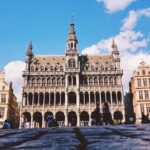
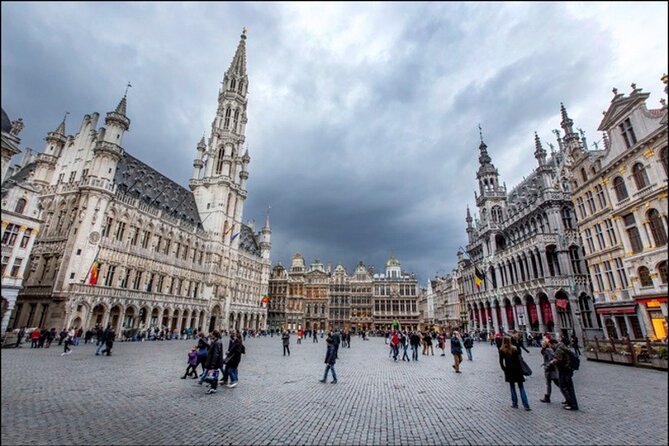
- Grand Place: civic power and photo magnet energy
- Monument to Everard t’Serclaes: a quick pause with meaning
- Hotel Amigo: why a hotel’s name tells a bigger story
- Tintin mural: comics as local culture
- Manneken Pis: tradition, not just a joke
- Notre-Dame des Victoires au Sablon: an interior you can actually go into
- Square du Petit Sablon: who the city remembers
- Koningsplein and Godfried van Bouillon: understanding the city map
- Mont des Arts: time for photographs, and a viewpoint payoff
- Brussels Central Station: how trains shape daily life
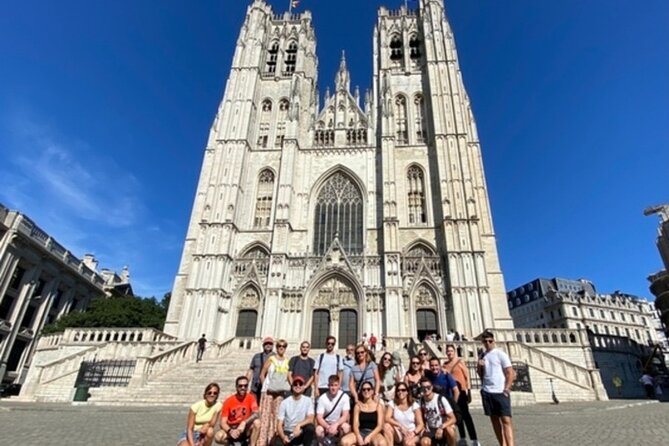
- St. Michael and St. Gudula Cathedral: exterior-only, but worth it
- Les Galeries Royales Saint-Hubert: the classic Brussels corridor
- The guide experience: lively storytelling that helps you remember
- What you’ll learn (besides where things are)
- Who this tour fits best (and who might want a different pace)
- Practical tips to make your walk smoother
- Should you book this Brussels walking tour?
- FAQ
- How long is the Brussels Walking Tour with Guide plus PDF?
- Where does the tour start and end?
- What language is the tour offered in?
- Is the ticket mobile?
- What’s included in the tour?
- What entry costs are covered during the walk?
- Do I need to pay a tip?
- What is the cancellation policy?
Key highlights you’ll feel on the walk
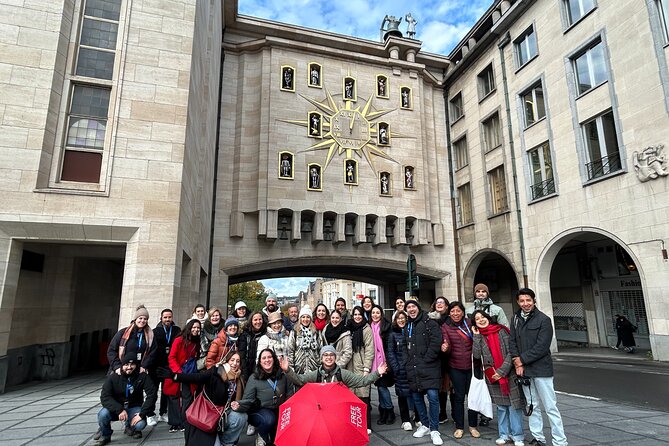
- A stop-heavy route that stays efficient: iconic Brussels in about 2 hours 30 minutes.
- Lively, story-first guiding: expect lots of anecdotes, history, and local flavor.
- Included church interior time at Notre-Dame du Sablon: not just exterior photos.
- Brussels Central Station explained: you’ll understand how Belgium’s trains shape the city.
- PDF + Leopold II infographic: a take-home guide to keep the story going.
A Two-and-a-Half-Hour Brussels Story Walk (with PDF)
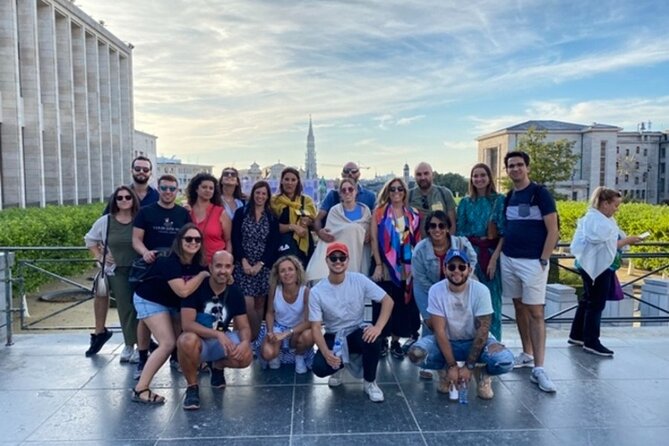
This is a guided walking tour designed for getting oriented fast. You start in the heart of old Brussels at Grand Place, then you work your way through a string of landmarks that represent different eras and moods—civic power, comic-book culture, quirky traditions, and grand architecture.
The PDF Brussels/Belgium and the Leopold II infographic are the smart part. They turn the tour from a one-time walk into something you can review later when you’re deciding what to see next in the city. That matters in Brussels, because you’ll quickly notice it has layers. The tour helps you see those layers instead of just snapping photos.
One more plus: the tour is in English, and it’s structured with frequent short stops. That means you’re not stuck listening through one long stretch. You’ll hear the story, look at what the guide is pointing out, then move on.
You can also read our reviews of more walking tours in Brussels
Price and value: what you’re really paying for
At $3.62 per person, this is priced like a bargain bucket. Even if you treat that figure as a promo-style price, the value still holds up because you’re paying for:
- A professional guide who ties the sights together
- A timed walking route that keeps your day efficient
- Free access to the Church of Notre-Dame du Sablon interior
- A take-home PDF plus a Leopold II infographic
Also, the itinerary is full of free exterior visits and explanation stops, not expensive attractions you have to budget for. Most of the walk is built around places that are already worth seeing in person. In other words, you’re paying for interpretation and timing more than for paid admissions.
What you should plan for is tipping. Tips to the guide are not included (often expected in the 10–25€ range). If you liked the guidance style—especially if the guide gave you both history and practical local tips—plan to tip accordingly.
Grand Place to Galerie du Roi: easy start, clear finish
The start point is very concrete: Grand Place 30, 1000 Bruxelles. The tour ends at Galerie du Roi 3, 1000 Bruxelles, and the meeting point near the end is by the Neuhaus chocolate shop area inside the Royal Galleries.
That matters more than it sounds. Brussels is a city where neighborhoods can shift quickly, and it’s easy to waste time figuring out where you are in relation to the next sight. Here, the route is designed so your ending point is still in the center—handy for continuing your day with shopping, a drink, or a chocolate stop.
You’ll also be walking in an urban pattern with plenty of public-transport options nearby. That’s useful if you need to pause, regroup, or adjust your schedule around the tour.
Stop-by-stop: what to expect at each landmark
Below is how the walk feels in real time—what each stop is for, why it’s included, and what to watch for.
Grand Place: civic power and photo magnet energy
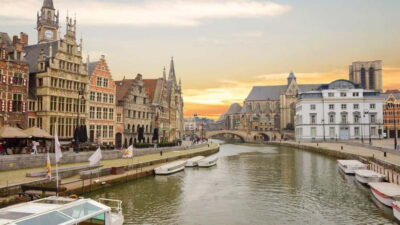
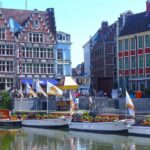
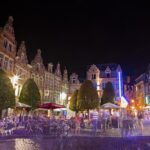
You begin at Grand Place, where the guide gives an exterior explanation. This square is one of Europe’s great showcase spaces—architecture and facade details that can look like one big postcard until someone points out what you’re actually looking at.
Plan on spending about 20 minutes here. That’s enough time for the big-picture story and a solid photo pass without it turning into a half-day detour.
Drawback to consider: if it’s a very busy time of day, you might get less breathing room for photos than you want. Still, this stop is the best anchor for understanding the rest of the walk.
You can also read our reviews of more guided tours in Brussels

Monument to Everard t’Serclaes: a quick pause with meaning
Next comes a brief stop at the Monument a Everard t’Serclaes. The visit is short—around 5 minutes—but it’s the kind of stop that helps you understand the city through its names, legends, and civic memory.
If you like history that connects to people (not just buildings), this one lands well. It’s also a nice rhythm break after Grand Place.
Hotel Amigo: why a hotel’s name tells a bigger story
You’ll stop at Hotel Amigo, a Rocco Forte hotel. The guide explains the origin of the name in about 5 minutes.
This is the kind of stop I love on walking tours: it shows how Brussels keeps old references while still living in the modern day. You’ll look at something familiar and realize it carries a backstory.
Tintin mural: comics as local culture
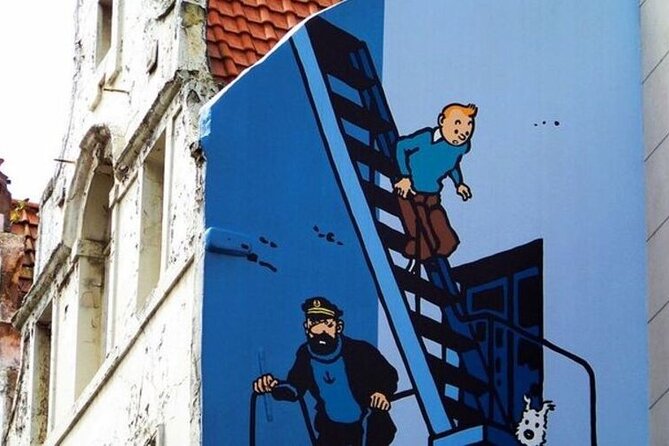
Then you get the Tintin mural painting, another short stop (about 5 minutes). It’s not just a fun picture spot. The guide frames it as part of how Brussels blends pop culture into public spaces.
If you’re traveling with kids, or you just enjoy the lighter side of cities, this break keeps the tour from becoming too heavy.
Manneken Pis: tradition, not just a joke
Manneken Pis is next, with about 15 minutes allotted. Yes, it’s the little pissing boy. But the guide’s explanation helps you see it as a long-running symbol and a living tradition.
I recommend treating this stop like a mini museum moment. Look closely, notice the setting, and listen for the context that turns the statue from a meme into a piece of civic identity.
Notre-Dame des Victoires au Sablon: an interior you can actually go into
Here’s one of the best practical perks of the tour: free interior visit at Église Notre-Dame des Victoires au Sablon. You’ll have about 15 minutes inside.
Exterior-only tours can leave you feeling like you missed the real payoff. This is different. Brussels church interiors can be surprisingly rewarding, and having access during the walk means you don’t have to plan a separate trip.
Keep in mind: this stop is time-limited. If you tend to slow down and stare, you’ll have to choose what to focus on while you’re inside.
Square du Petit Sablon: who the city remembers
After the church, you move to Square du Petit Sablon for about 10 minutes. The guide covers the history of the Earls of Egmont and Hornes.
This stop is brief, but it adds a layer of political and social context. It’s where the tour shifts from buildings and statues into the stories behind names and memorials.
Koningsplein and Godfried van Bouillon: understanding the city map
Next is Koningsplein, centered on the Beeld van Godfried van Bouillon. You’ll also get an explanation tying together the Museum of Fine Arts, Plaza Real, and MIM in about 10 minutes.
This is a useful stop if you want to plan what to see after the walk. Even if you don’t enter museums that day, you’ll leave knowing how this area fits into the city’s cultural layout.
Mont des Arts: time for photographs, and a viewpoint payoff
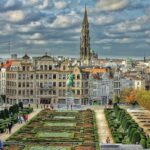
You’ll spend about 15 minutes around Mont des Arts for explanation plus time for photographs. This is where Brussels can feel especially “designed”—a mix of terraces, views, and city planning.
I like that the tour gives you dedicated photo time instead of rushing you through. If weather is good, this is often the most pleasant stretch of the walk.
Brussels Central Station: how trains shape daily life
You stop at Brussels Central Station for about 10 minutes and get an explanation of how train operation works in Belgium.
Even if you don’t take trains that day, this is practical. Belgium’s transit patterns can be confusing when you’re new. A quick guide-led explanation can help you feel oriented before you buy tickets for day trips.
One drawback: if you’re not interested in transport logistics, this may feel like a less scenic moment. Still, it’s genuinely useful context.
St. Michael and St. Gudula Cathedral: exterior-only, but worth it
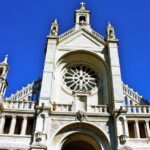
You’ll finish this main architectural loop with St. Michael and St. Gudula Cathedral, with about 10 minutes and an exterior explanation only.
This can be a good compromise. You get the meaning without being pulled into another long entrance process. If you’re craving cathedral interiors, you’ll probably want to come back later on your own when you have more time.
Les Galeries Royales Saint-Hubert: the classic Brussels corridor
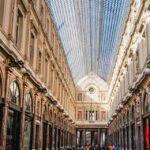
Finally, you reach Les Galeries Royales Saint-Hubert for about 10 minutes, including explanation of the Royal Galleries and the Neuhaus chocolate shop.
This is a high-reward ending because you’re walking into a place that feels like Brussels on purpose—covered, elegant, and ideal for a quick treat. Ending here also makes sense for timing: you can grab a snack and keep exploring without needing to relocate.
The guide experience: lively storytelling that helps you remember
The tone of this tour is built around a guide who actively talks, not one who just points. Reviews highlighted guides like David, described as very informative and animated, and Tom, noted for making the tour enjoyable and adding local-style anecdotes.
That style matters because Brussels is layered. If your guide is a strong storyteller, you’ll remember details—names, legends, and why a facade or statue matters—long after the walk ends.
The group size also helps. With a maximum of 25 travelers, you get enough human energy for lively conversation, but you’re not stuck in a huge crowd moving like a slow train.
What you’ll learn (besides where things are)
The tour isn’t only about landmarks. It’s about themes that repeat around Brussels:
- Civic identity: what symbols meant, and how they still echo today
- Pop culture in public space: how something like Tintin shows up in a city’s visual language
- Tradition that keeps living: Manneken Pis as a ongoing cultural marker
- Transit and city life: the role of Brussels Central Station in how the country moves
- Cultural planning: where museums and key areas sit around Plaza Real and the broader city core
Those are the kinds of lessons that make a short tour feel longer. You’ll start to see Brussels as a connected system instead of a list of attractions.
Who this tour fits best (and who might want a different pace)
This walking tour is ideal if you:
- Want a fast, guided orientation to central Brussels
- Like stories with history, legends, and a bit of local character
- Prefer a structured route that keeps your day efficient
- Are okay with frequent short stops rather than long dwell times
It may be less ideal if you:
- Want lots of quiet time alone at one place
- Are hoping for only a few stops with deep interior exploration
- Are extremely sensitive to crowds during peak hours
Practical tips to make your walk smoother
A few small things can make a big difference on a route like this:
- Wear comfortable shoes. Even if each stop is short, cobblestones add up.
- Bring a phone with enough battery. The Mont des Arts photo time and Royal Galleries area are great for pictures.
- If you like chocolate, plan your snack moment at the end. Ending near Neuhaus is convenient.
- If you need a break, take it quickly. The tour timing is built around moving between short explanation segments.
And if you’re comparing prices online, check that you’re booking directly with the provider when possible. You don’t want to lose value to extra platform fees when the base tour is already unusually affordable.
Should you book this Brussels walking tour?
I’d book it if you want a smart first visit to Brussels. It gives you iconic sights, quick context that actually sticks, and one included interior stop at Notre-Dame du Sablon that many similar walks skip. The guide-driven storytelling seems to be the main reason people rate it so highly, and the PDF plus infographic give you a practical souvenir you can use later.
Skip it if you’re already a Brussels regular and you want deep museum time, or if you strongly prefer slow wandering with no scheduled stop rhythm.
If you’re visiting for the first time and you want to get your bearings fast while still enjoying real city character, this is a strong choice.
FAQ
How long is the Brussels Walking Tour with Guide plus PDF?
The duration is about 2 hours 30 minutes.
Where does the tour start and end?
It starts at Grand Place 30, 1000 Bruxelles, Belgium, and ends at Galerie du Roi 3, 1000 Bruxelles, Belgium.
What language is the tour offered in?
The tour is offered in English.
Is the ticket mobile?
Yes, it uses a mobile ticket.
What’s included in the tour?
Included are a professional guide, a PDF Brussels/Belgium, free entry to the Church of Notre Dame du Sablon, and a Leopold II infographic.
What entry costs are covered during the walk?
Many stops have free entry, and the Church of Notre Dame du Sablon interior visit is included.
Do I need to pay a tip?
Tips to the guide are not included, and a suggested range is 10–25€.
What is the cancellation policy?
You can cancel for a full refund up to 24 hours in advance.