REVIEW · GHENT
Best of Gent: Private Walking Tour with a Local
Book on GetYourGuide →Operated by Humrahe · Bookable on GetYourGuide
Ghent tells its story on foot. This private walking tour lets you roam medieval streets with a friendly local guide, with Gravensteen, St. Bavo’s Cathedral, and the canal views at Graslei and Korenlei as anchors. I like that the route can match what you care about (not a rigid checklist), and I also like that you get real local pointers beyond the postcard stops. One consideration: this is culture-first, so if you’re after heavy, lesson-style history, you may want to add other sights on your own.
You’ll start at Korenmarkt and finish back there, typically within a 2 to 6 hour window depending on your pace and interests. It’s an easy way to get your bearings fast, with plenty of walking and photo time, plus a chance to ask questions as you go. If you’re sensitive to steady walking, wear comfortable shoes and plan for a relaxed stroll rather than a sprint.
In This Review
- Key Things That Make This Ghent Tour Worth It
- A Private Walking Tour Changes the Whole Feel of Ghent
- Start at Korenmarkt: Your Orientation Point for the Whole Day
- Gravensteen Castle: Seeing the Drama Without Turning It Into a Lecture
- St. Bavo’s Cathedral: A Landmark Stop That Fits the Walking Rhythm
- Graslei and Korenlei Canals: Where the Postcards Come From
- Patershol District: The Lanes That Feel Like Local After-Hours
- St. Michael’s Bridge: Skyline Views That Reward a Quiet Moment
- How the 2 to 6 Hours Works in Real Life
- Price and Value: Is $55 per Person Fair for a Private Tour?
- What’s Included (and What You’ll Pay for Yourself)
- Small Practical Tips That Make This Tour Feel Effortless
- Who This Tour Suits Best
- Should You Book Best of Gent in Ghent?
- FAQ
- Where does the tour start and end?
- How long is the tour?
- Is this tour private?
- What language is the guide?
- Is the tour wheelchair accessible?
- Are food, transport, and paid attraction tickets included?
Key Things That Make This Ghent Tour Worth It
- Private group only, so the guide can shape the tour around your questions and rhythm.
- Flexible duration (2 to 6 hours), letting you go longer for canals and districts or shorter if you’ve got plans.
- Local spots over set-piece tourism, especially in and around Patershol’s lively lanes.
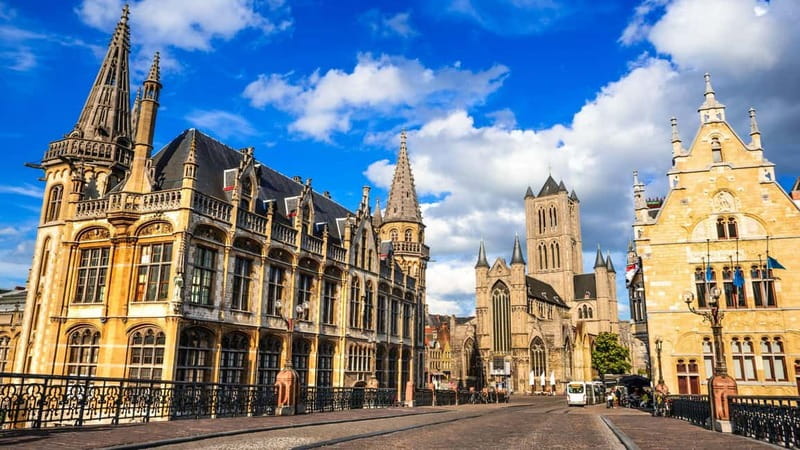
- Iconic landmarks on foot: Gravensteen, St. Bavo’s Cathedral, and St. Michael’s Bridge viewpoints.
- Strong Q&A energy, with Caio noted for handling questions well—even when you wander off-topic.
A Private Walking Tour Changes the Whole Feel of Ghent
I love the way a private guide turns Ghent from a list of sights into a place you can read. With just your group, you’re not stuck following someone else’s pace, and you don’t have to wait for the slowest person in the group to catch up.
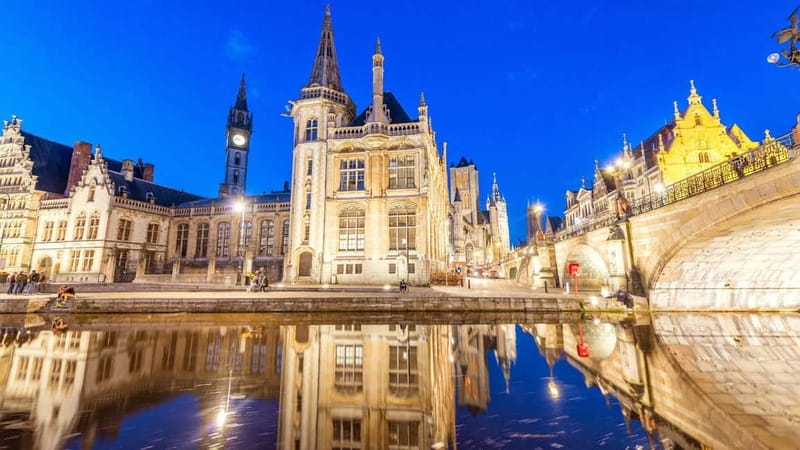
This tour is also built around the everyday texture of the city: canals, historic streets, and neighborhoods where people actually spend time. You’ll get local tips to help you order Belgian specialties and find comfortable spots along the way, not just “look and move on.”
You can also read our reviews of more walking tours in Ghent



Start at Korenmarkt: Your Orientation Point for the Whole Day
You’ll begin at Korenmarkt, which is a smart starting choice because it quickly puts you in the historic center. From here, you can connect the main sights without feeling like you’re zigzagging blindly across town.
Korenmarkt also works as a calm meeting hub: the tour ends back there too. That loop matters if you’re planning an easy follow-up—dinner, drinks, or a second walk—because you’re not trying to time a new rendezvous point.
Gravensteen Castle: Seeing the Drama Without Turning It Into a Lecture
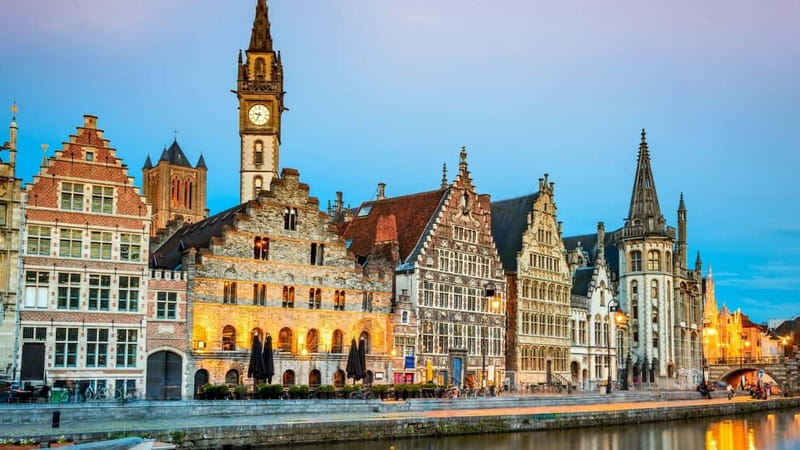
A major highlight is Gravensteen Castle, a key medieval landmark in Ghent. Even when you’re not going inside, seeing the castle in context helps you understand how the city’s power and layout shaped what you see today.
For your guide, this is one of those moments where story and setting connect. It’s a strong stop for photos, and it’s also a good “anchor” point for the rest of the walk since you’ll keep moving through other historic layers right after.
Practical note: paid attractions may involve extra costs. If you choose to add an entry-fee stop, you’ll want to cover the guide’s cost as well (optional), so build that into your budget if you’re ticket-happy.
St. Bavo’s Cathedral: A Landmark Stop That Fits the Walking Rhythm
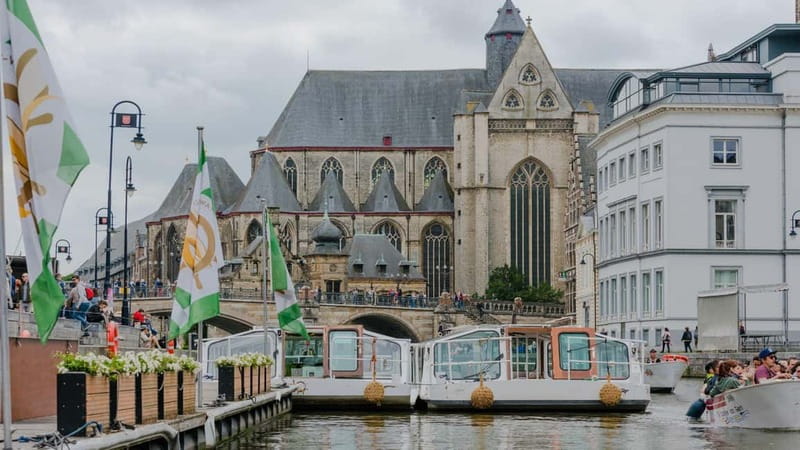
St. Bavo’s Cathedral is the other big headline sight on this route. What I like about this kind of stop—when it’s timed inside a walking tour—is that it doesn’t feel like a detour. You’re already in the heart of the action, so the cathedral becomes part of the flow.
And because this is a culture-focused tour, you’re likely to get the kind of explanation that helps you notice details as you look: how the building fits the city’s historic identity, and how it connects to the wider medieval character of Ghent.
If you crave deep, facts-only history, this may not be your tour’s strongest mode. Still, it’s a solid way to connect “wow” with “I get why that matters.”
Graslei and Korenlei Canals: Where the Postcards Come From
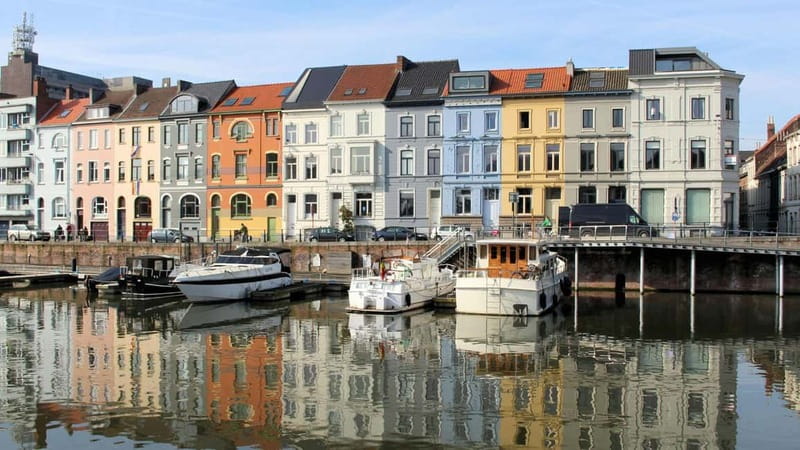
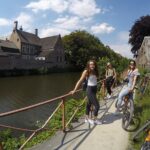
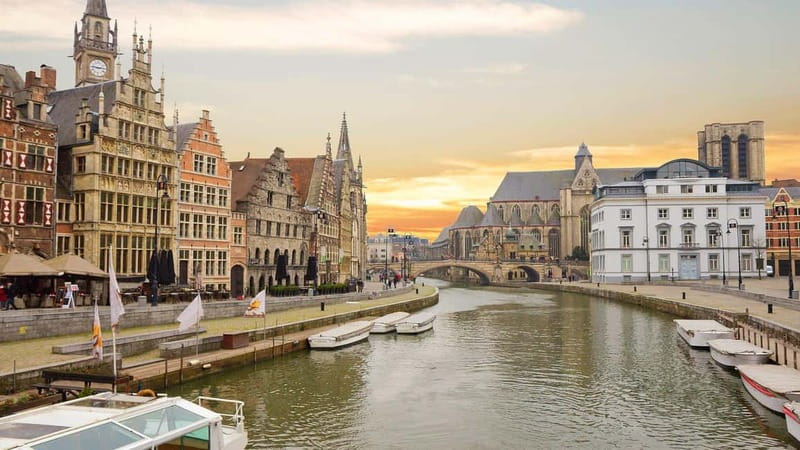
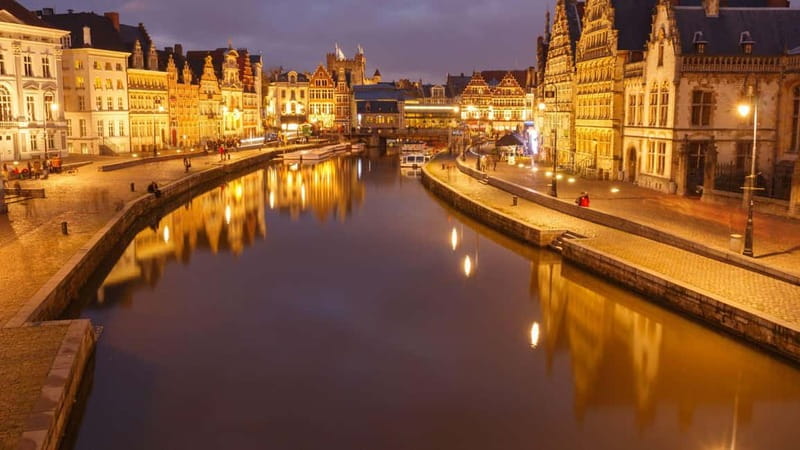
Graslei and Korenlei are some of the most recognizable canal streets in Ghent. You’ll walk along them with the guild houses reflecting in the water—exactly the kind of scene that makes you slow down even if you’re trying to keep moving.
This is also a great section for your guide to tailor the pace. If you like photography, you’ll want time here. If you’re more into everyday city life, you can focus on how the street edges work: where people pause, how you move along the canal, and how the neighborhood feels when you’re not just passing through.
In other words, this stop isn’t just about scenery. It’s about learning the city’s visual logic: where Ghent “shows off,” and how the canal shapes the walking experience.
You can also read our reviews of more private tours in Ghent






Patershol District: The Lanes That Feel Like Local After-Hours
Patershol is described as a lively district with cozy cafés and local boutiques, and that’s the right mindset for how to approach it. This part of the tour is where you start feeling the difference between seeing Ghent and experiencing it.
I like this stop because it gives you something more than architecture. You’ll get ideas for where you can take a break, what to look for in the smaller shops, and how to fit Belgian food into a day that’s already full of walking.
This is also the best place to ask for “what should I do next” tips. A good local guide can recommend not only what’s popular, but what matches your tastes—sweet, savory, quick, or sit-down.
St. Michael’s Bridge: Skyline Views That Reward a Quiet Moment
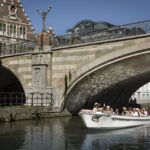
Another highlight is St. Michael’s Bridge, where you get city skyline views after walking through the historic core. This is a smart final visual payoff because it pulls everything together: canal streets behind you, landmarks nearby, and the sense of scale that’s hard to judge from street level.
If you like a breather during a tour, this is the right time. The guide can point out what to look for as you scan the skyline, and you’ll naturally find spots to pause without holding up the group.
Also, since the tour ends back at Korenmarkt, this is a comforting “we’re heading home” moment where you feel the day has shape, not chaos.
How the 2 to 6 Hours Works in Real Life
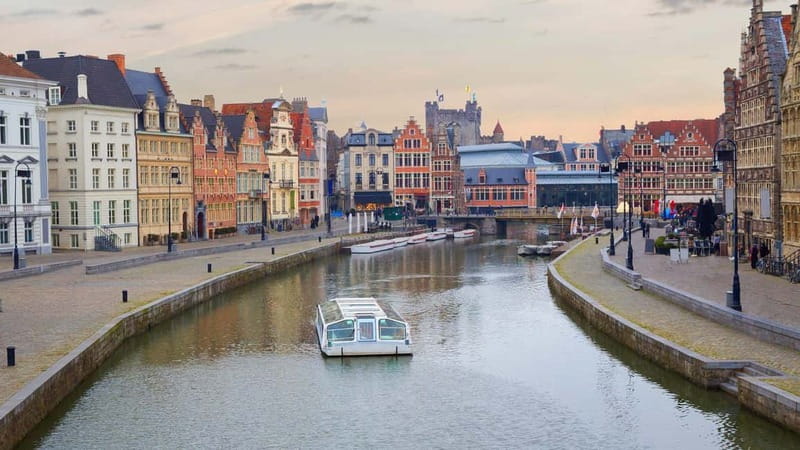
The duration range—2 to 6 hours—matters because it changes how the tour feels. In a shorter version, you’ll likely hit the core sights and spend less time wandering through side lanes. In a longer version, you can linger around canals, neighborhoods, and any stop where you want more context.
This is where the flexible, interest-based format really pays off. If you love architecture, you’ll ask for more “look at this detail” moments. If you’d rather focus on food and everyday culture, you’ll steer the conversation toward what to try and where to relax along the way.
You’re also walking at a human pace. This isn’t a “keep up or you fall behind” situation by design; it’s meant to be casual and easy at your rhythm.
Price and Value: Is $55 per Person Fair for a Private Tour?
Let’s talk money plainly. At $55 per person, the value depends on what you get out of a private guide versus saving money with a group tour.
For me, the price makes sense if:
- You want a private experience with no outsiders in your group.
- You’d enjoy having someone tailor the day, instead of following a fixed route.
- You plan to use the guide’s local tips for food and navigating the city on your own afterward.
What you’re not paying for is built-in entry tickets or transport. Food and drinks are on you, and paid attractions (if you decide to add them) have separate fees. That’s typical, but it’s worth budgeting so you don’t get surprised.
Also, the guide is a friendly local, not a certified professional, and the tour emphasizes local culture over deep history lessons. If you’re looking for a professor-level lecture, you might feel you’re missing something. If you want a warm, practical way to see Ghent and learn how locals think about the city, it’s a good fit.
What’s Included (and What You’ll Pay for Yourself)
Included is the core of what most people actually want from a walking tour: a private guide, local knowledge, and a flexible itinerary built around your group.
Included highlights:
- Private group experience with no outsiders
- Personalized walking tour with a friendly local
- Insider knowledge about culture and lesser-known spots
- Casual exploration at your own pace
What’s not included:
- Food and drink costs you choose to buy
- Transportation expenses (buses, taxis, trains)
- Paid attraction fees if you decide to enter ticketed sights
- Personal expenses and souvenirs
- Deep, lesson-style history
If you’re the type who hates surprises, decide ahead of time whether you want to pay for any entry-ticket attractions. If yes, add those costs to your plan.
Small Practical Tips That Make This Tour Feel Effortless
This is a walking tour, so the “small” stuff matters.
Wear comfortable shoes. The route includes major landmarks and canal-side walking, which means you’ll want footwear that can handle a good amount of time on your feet.
Bring curiosity. The tour is built so you can ask questions and steer the day toward your interests. The note about Caio handling questions well—even when topics veered off—matches the spirit of what you should expect: a guide who’s comfortable chatting, not reading a script.
Plan for breaks. The schedule is flexible, and that’s a gift if you like pausing for photos, stepping into a café, or taking a moment on a viewpoint bridge.
Who This Tour Suits Best
This tour is especially good if you:
- Want a local-feeling walk through historic Ghent without feeling rushed
- Enjoy canal scenery and want practical advice for where to eat and what to look for
- Prefer a route adjusted to your group’s interests
- Appreciate culture over textbook history
It may feel less ideal if you:
- Need a certified guide delivering detailed, fact-heavy history for every stop
- Don’t like walking for extended periods (even at an easy pace)
- Expect tickets to be included for major sites
Should You Book Best of Gent in Ghent?
If your goal is to experience Ghent as a real place—not just a set of monuments—this tour is a strong choice. The private format, the flexible duration, and the focus on local culture (canals, neighborhoods, and practical tips) make it good value for the $55-per-person price point.
I’d book it if you want a guided first day that helps you plan the rest of your trip. Start here, learn the city’s rhythms, and then you’ll know exactly where to go next on your own.
FAQ
Where does the tour start and end?
It starts at Korenmarkt and ends back at the meeting point.
How long is the tour?
The tour lasts 2 to 6 hours. Starting times vary, so you’ll want to check availability.
Is this tour private?
Yes. It’s a private group experience with no outsiders.
What language is the guide?
The live tour guide is available in English.
Is the tour wheelchair accessible?
Yes, it’s wheelchair accessible.
Are food, transport, and paid attraction tickets included?
No. Food and drinks you buy, transportation costs, and any paid attraction entry fees are not included.