REVIEW · GHENT
Historic Highlights, by a local guide
Book on Viator →Operated by Agelandkaai Tours · Bookable on Viator
Ghent can feel like a maze, until someone points the story out. This tour is a history lesson you can walk through, guided by Jürgen, a professor who connects buildings to the people who lived inside them. I love the way he builds a clear timeline as you move, and I also love the practical local angles that make the city feel usable right away. One thing to consider: it’s paced like a walking history tour, so if you want lots of unhurried museum time, some sights may feel quick and you may want to plan extra visits.
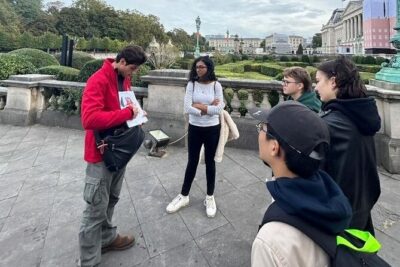
You’ll spend about two hours moving through Ghent’s historic center, with a small group size (up to 20). The route centers on big-name stops like St. Bavo’s Cathedral and Gravensteen, but the best moments often come from the side streets and “why this place matters” explanations. It’s a great first-time approach, and it works just as well if you’ve already been around and want a deeper sense of what you’re seeing.
You start in the Hagelandkaai area and finish at Oudburg, with enough time at each stop to take photos and ask questions. The guide’s energy stays high even when the weather isn’t. If you’re sensitive to extra walking, make sure you’re comfortable with an active, city-street pace.
In This Review
- Key highlights worth centering your plans on
- A history teacher’s walk through Ghent’s core
- Starting at Hagelandkaai: where the river story starts
- Bisdomkaai and the confluence: how Ghent really began
- St. Bavo’s Cathedral and Lam Gods: art you can read
- The Kouter area: spotting 18th- and 19th-century Ghent
- Hotel d’Hane Steenhuyse: a 18th-century palace with a secret garden
- Gravensteen: reading medieval power in stone
- Patershol: one of Ghent’s oldest corners
- A restaurant street tip at Patershol (and where to use it)
- Vrijdagmarkt ending: Ghent’s Socialist movement and where to drink
- Price and what you should budget for
- Who this tour suits best (and who should think twice)
- Should you book this Ghent walking tour?
- FAQ
- How long is the Ghent historic highlights walking tour?
- What is the starting point and where does the tour end?
- What time does the tour begin?
- How much does the tour cost?
- Is a mobile ticket used?
- Are admission tickets included for the stops?
- What’s the group size limit?
- Is there free cancellation?
- Is it suitable for people with mobility concerns?
Key highlights worth centering your plans on
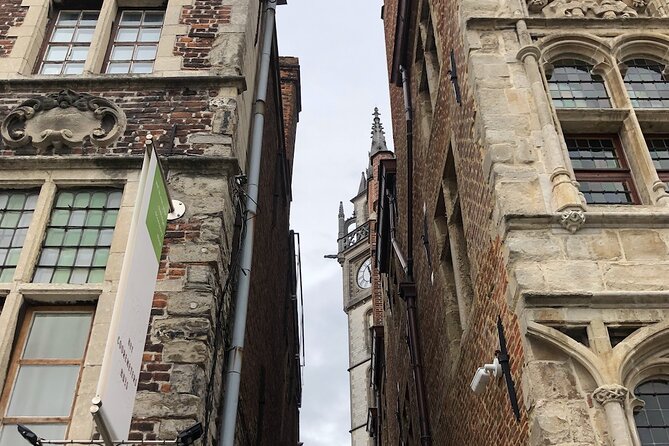
- Jürgen’s professor-style storytelling: he ties buildings, events, and everyday life into one flowing picture.
- A tight two-hour route: major landmarks plus quieter streets that help Ghent make sense fast.
- Art with context at St. Bavo’s Cathedral: you’ll learn what to look for before you go looking.
- 18th-century settings that feel real: from Hotel d’Hane Steenhuyse to the Kouter atmosphere.
- The city’s origins and its political thread: river confluences to a stop that explains the Socialist movement.
A history teacher’s walk through Ghent’s core

This experience works because it turns sightseeing into cause-and-effect. Jürgen explains what you’re looking at, then explains why it changed, and then explains what people did with it. That pattern makes Ghent feel less like random monuments and more like a living timeline.
I also like that the pace stays group-friendly. Even in rain, he keeps things moving and the mood up, and he answers questions in a way that doesn’t leave anyone behind. If you’re the type who likes asking why something is shaped the way it is, you’ll get plenty of chances.
And yes, this tour is built for first-timers. But it’s also smart for people who thought they already knew Ghent—because the tour’s payoff is in the side details, not just the postcard stops.
You can also read our reviews of more guided tours in Ghent



Starting at Hagelandkaai: where the river story starts
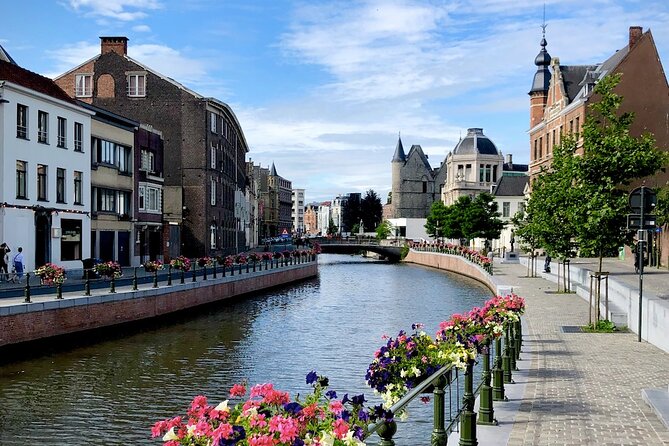
The walk begins at Hagelandkaai 53 (near Agelandkaai), and the first stop quickly anchors Ghent in water and defense. You’ll hear about a connection to the Napoleon De Pauw lock, plus how a moat around the Spanish Castle fit into the 16th-century landscape.
That’s a good trick early in the tour. Ghent is a city defined by the interplay of canals and power, so starting with the water gives you a framework for everything that comes later. You start seeing the city’s geography as something strategic, not just scenic.
Bisdomkaai and the confluence: how Ghent really began
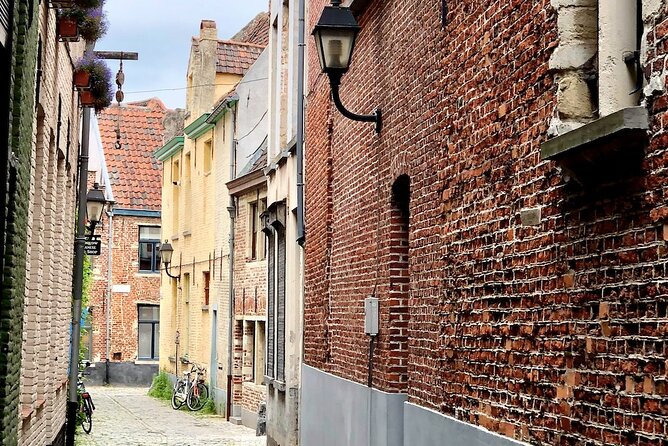
Next you head to Bisdomkaai, where you’re pointed toward the area near the confluence of the Leie and Schelde rivers. This is where Ghent’s origin story gets its footing, and the guide connects that geography to why the settlement grew.
You also pass by the older St Baafs abbey area on the way. Even without extra formal time, it helps you understand how religion, learning, and wealth shaped the city’s center.
This is one of those segments that feels simple on the map but meaningful in your head. You’ll likely start noticing sightlines and river angles differently after it.
St. Bavo’s Cathedral and Lam Gods: art you can read
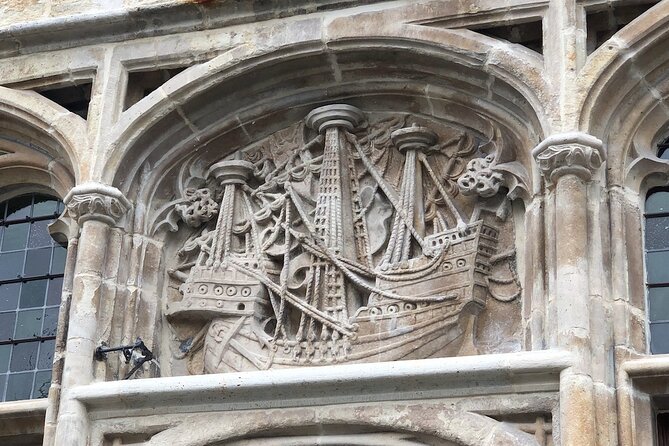
At St. Bavo’s Cathedral, the tour focuses on one headline: the Lam Gods by Van Eyck. The key value here isn’t only the fame—it’s the explanation of what you’re looking at and why it matters in the larger story of Ghent.
There’s also mention of a new virtual tour inside the cathedral that’s worth checking if you go in. Since admissions aren’t included for this stop, you’ll want to budget separately if you want that extra layer of context.
One practical note: this is a major stop, so expect it to feel like a pause in your walking rhythm. If you prefer quick photo stops, you can keep it moving; if you want to linger, you’ll have that option.
The Kouter area: spotting 18th- and 19th-century Ghent
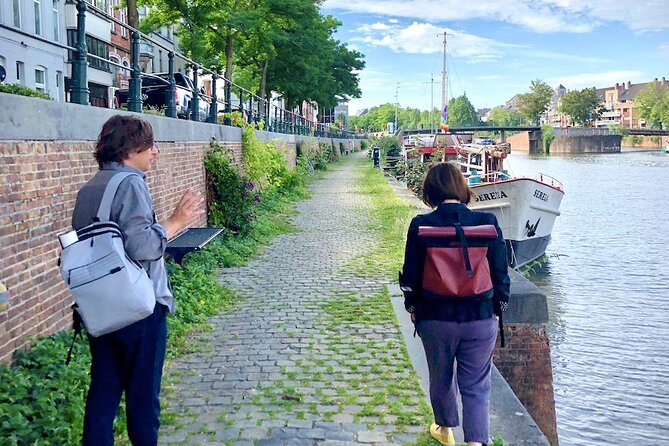
The route continues toward the Kouter, described as a way to understand the 18th and 19th-century atmosphere in Ghent. This stop is less about one famous monument and more about how urban life shaped the streets around it.
This is where your mental map starts tightening. The guide’s style helps you move from “I see a street” to “I know what role this street played.” That’s exactly the kind of learning that pays off later when you’re wandering on your own.
If you’re someone who likes city texture—how neighborhoods feel at different times—this section is a good use of your time.
You can also read our reviews of more historical tours in Ghent






Hotel d’Hane Steenhuyse: a 18th-century palace with a secret garden
At Hotel d’Hane Steenhuyse, you get an 18th-century city palace experience, with attention on the magnificent ceilings and ornate details. The guide also calls out a garden that’s treated like a hidden secret.
This stop is a good example of what makes the tour feel more personal than a checklist. You’re not just shown what’s famous; you’re directed to the part you might otherwise miss. In a city where many buildings are outwardly impressive, learning what to look for on the inside makes a big difference.
Because admission isn’t included here, plan for a separate ticket if you want to see the palace and garden fully.
Gravensteen: reading medieval power in stone
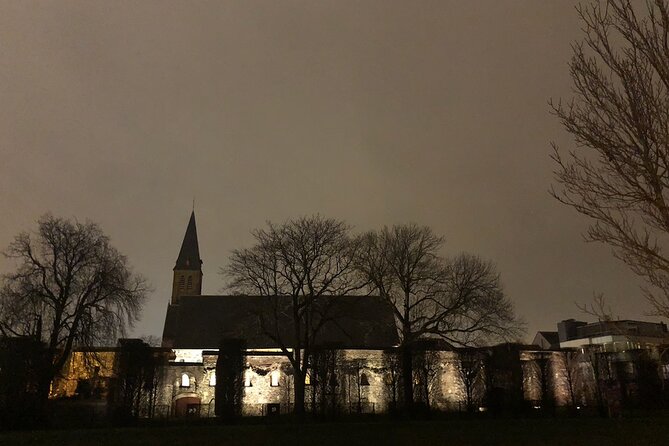
Then it’s time for Gravensteen, the Castle of the Flemish counts. Even if you already know the name, you’ll get more out of it once you understand the political and social role a fortress like this played.
Admission isn’t included at this stop, so you’re likely making a choice: quick exterior viewing with context, or paying in to see more. Either way, the guide’s explanation helps you interpret what you see—especially if you’re trying to connect Ghent’s medieval strength to its later evolution.
This is the tour’s “big visual” moment. If your camera battery is low, save it—you’ll want it here.
Patershol: one of Ghent’s oldest corners

Patershol is next, and it’s described as one of the oldest parts of Ghent. This stop shifts the mood from fortress and palace to neighborhood character.
It’s also practical: Patershol is where you’ll be surrounded by small streets and the kind of dining options that make spontaneous stops tempting. The tour keeps the focus on history, but it doesn’t ignore how the city feeds you—literally.
A restaurant street tip at Patershol (and where to use it)
As you move through the area, you’ll notice a cluster of small restaurants. The guide shares a neat tip: if you go to Enzo from Pizzeria Neapolis and give him one of the guide’s business cards, you get 10% off your food.
This is the kind of small local detail I love because it feels tied to real relationships, not tourist coupons that disappear the moment you try them. Even if you don’t eat there, it nudges you toward the right area for an easy post-walk meal.
Just keep in mind it’s tied to the card—so don’t toss the card away after the tour.
Vrijdagmarkt ending: Ghent’s Socialist movement and where to drink
The tour finishes at Vrijdagmarkt at Oudburg 17. The guide gives an explanation connected to the Socialist movement, which adds a modern layer to the medieval and early-modern beats you’ve been hearing.
This stop is smart because it shows Ghent didn’t stop evolving after the castles went quiet. You get a sense of how politics and social change shaped the city’s identity, not just its buildings.
And when the walk ends, you’re in a solid location for a drink. The square area has plenty of restaurants and bars, so you can keep chatting with the guide’s story in your head while you relax.
Price and what you should budget for
The tour costs $40.33 per person and runs about two hours. With a mobile ticket and a small-group limit of 20, it’s priced like a guide-forward experience rather than a ticket-attractions mashup.
Admissions aren’t included at key stops like St. Bavo’s Cathedral, Hotel d’Hane Steenhuyse, and Gravensteen. So the real cost depends on how much you want to pay to go inside those places. If you keep your plan to the explanation-focused exterior moments, you’ll spend closer to the tour price.
If you want the full effect—cathedral plus virtual tour option, palace/garden, and the castle interior—budget extra. The value is that you’ll understand what you’re paying to see, which makes paid entry feel less like wandering and more like completing a lesson.
Who this tour suits best (and who should think twice)
I’d put this on top of your list if you want a clear introduction to Ghent with real context. It’s especially good for first-time visitors because it gives you a map of the city’s big ideas: river origins, church power, noble wealth, medieval defense, and political change.
It’s also a great choice if you’ve been around Ghent but want the hidden logic. The emphasis on local streets and “stories behind the stories” is the kind of thing that turns background knowledge into actual understanding.
One consideration: it’s a walking tour with multiple stops. If you’re hoping for long sit-down breaks or deep museum time in one place, you may need to add separate visits later.
Should you book this Ghent walking tour?
Yes, if you want a smart, guide-led way to get Ghent fast. The combination of Jürgen’s teaching approach, the focus on key landmarks, and the inclusion of local tips makes it a practical use of an afternoon.
Book it when you still have energy to walk and ask questions. Start with this tour, then follow up with your own time at whatever felt most meaningful—cathedral art, the castle interior, or the quieter neighborhoods like Patershol.
If you’re mainly interested in ticking off entrances with minimal walking and minimal conversation, you might prefer an audio guide. But if you like turning places into stories, this is one of the better ways to do it in Ghent.
FAQ
How long is the Ghent historic highlights walking tour?
The tour lasts about 2 hours.
What is the starting point and where does the tour end?
The tour starts at Hagelandkaai 53, 9000 Gent, Belgium and ends at Oudburg 17, 9000 Gent, Belgium.
What time does the tour begin?
The listed start time is 3:00 pm.
How much does the tour cost?
The price is $40.33 per person.
Is a mobile ticket used?
Yes, the experience includes a mobile ticket.
Are admission tickets included for the stops?
Not all stops include admission. The tour notes indicate some sights do not include tickets, while others are free.
What’s the group size limit?
The maximum group size is 20 travelers.
Is there free cancellation?
Yes, you can cancel for a full refund up to 24 hours before the experience’s start time.
Is it suitable for people with mobility concerns?
Most people can participate, and it’s a walking tour. Service animals are allowed, and it’s near public transportation.