REVIEW · GHENT
Chocolate history workshop Ghent
Book on Viator →Operated by Chocolade Ambassade · Bookable on Viator
Chocolate starts in cacao, not bars. In Ghent, this workshop at Chocolade Ambassade turns Belgian chocolate into a hands-on experience, mixing tasting, making, and a guided story of how the product evolved over time. I love the small-group setup (up to 6 people), because it stays conversational, not lecture-y, and I love that you’re working with cacao ingredients instead of only sampling finished sweets.
You’ll spend about 1 hour 30 minutes in a chocolate shop tasting room kept around 18°C, which is great for chocolate quality but you’ll feel it. Bring a sweater if you run cold, and you’ll be comfortable from the first sip to the last bite.
In This Review
- Key highlights worth showing up for
- Chocolade Ambassade in Ghent: small-group cacao making near Gravensteen
- Belgian chocolate variety without the hopscotch
- Making your own cacao-bean chocolate bar: the part you’ll remember
- The chocolate timeline in English with Leo
- What’s included (and how it changes the value of $82.90)
- Logistics you should plan for: English, timing, and staying comfortable
- Who should book this chocolate history workshop?
- Should you book Chocolate History Workshop Ghent?
- FAQ
- Where is the meeting point for the Chocolate History Workshop in Ghent?
- What time does the workshop start?
- How long does the workshop last?
- Is the tour offered in English?
- What group size should I expect?
- Do I need transportation to get there?
- What’s included in the price?
- What should I wear or bring?
- Does the workshop include time to shop for chocolate?
- Can I cancel for a full refund?
Key highlights worth showing up for
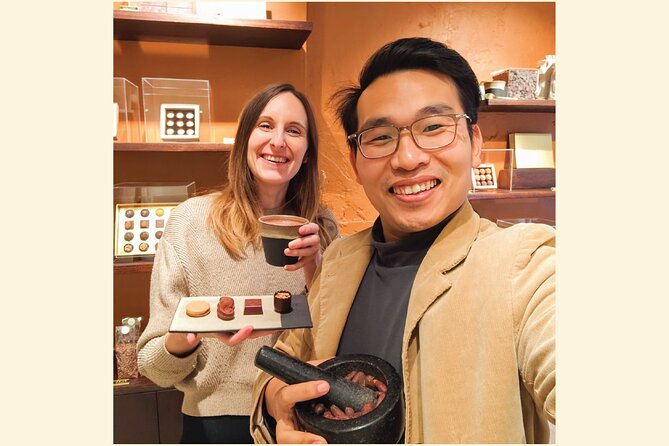
- Cacao-bean chocolate bar you make yourself: hands-on, not just watching.
- Several Belgian styles sampled quickly: multiple makers, all in one session.
- Chocolate history built into tastings: the timeline is part of what you eat and drink.
- Licensed English guide (Leo): clear explanations with humor.
- In a prime Ghent location: near Gravensteen and the Graslei/Korenlei area, so you can stack it with sightseeing.
- A shopping window after: if something clicks, you can buy it on the spot.
Chocolade Ambassade in Ghent: small-group cacao making near Gravensteen
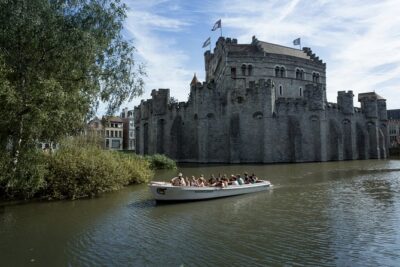
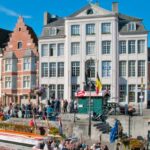
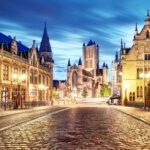
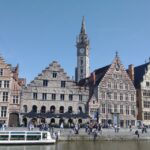
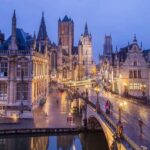
This experience starts in the historic center of Ghent at Chocolade Ambassade: The Belgian Chocolate Experience, on Kraanlei 3. The location is a practical win: you’re around the corner from Gravensteen castle and about a 5-minute walk from Graslei & Korenlei. If you like to tour on foot, you can pair this with a morning or midday stroll and not waste time on transit.
The session runs at 11:00 am and takes about 1 hour 30 minutes. You get a mobile ticket, and the activity ends back at the meeting point, which keeps the whole plan simple.
One detail that actually matters: the tasting room is kept around 18°C to maintain chocolate quality. That’s cool enough to help preserve texture and flavor, but it also means you’ll likely want a layer. I’d plan on a sweater or light jacket, especially if you’re the type who feels cold in indoor shops.
Group size is capped at a maximum of 6 travelers, and the format is clearly meant to stay personal. That changes the vibe. Instead of trying to hear over a crowd, you can ask questions and get specific answers about what you’re tasting.
You can also read our reviews of more historical tours in Ghent
Belgian chocolate variety without the hopscotch
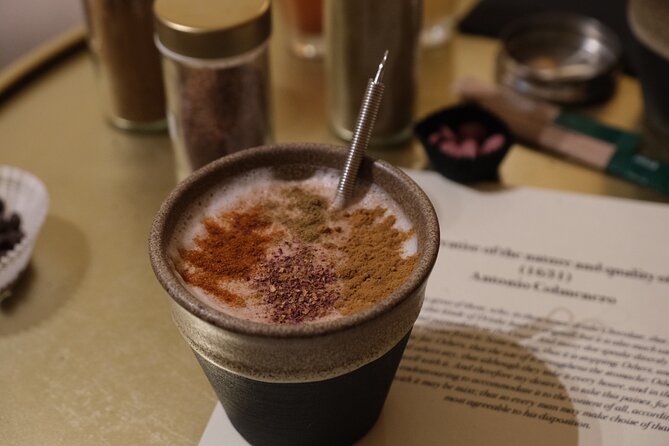
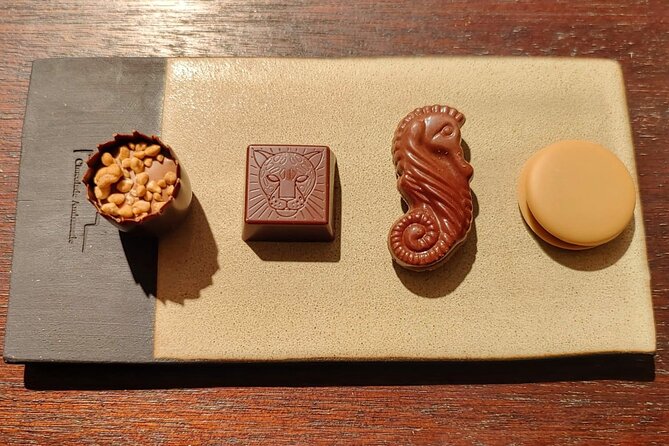
Belgian chocolate can be a rabbit hole. Some shops focus on one style; others push a single brand. What I like about this workshop is that it funnels the variety into one session. You sample Belgian artisanal chocolates from different chocolate makers during the tasting, so you can compare styles without spending your day zigzagging between stores.
The experience is designed as a fast “taste and learn” format. You get a range of flavors and textures, and you’ll have time to figure out what direction you prefer—because the point isn’t just eating sugar. It’s learning how Belgian chocolate differs depending on maker choices.
You can also treat this as a shortcut to your own chocolate preferences. After an hour of tasting and discussion, you’ll usually know what you want more of later, whether that’s certain flavor notes, certain textures, or a particular style of sweetness.
And if your trip includes a chocolate museum, this works as a practical companion. A museum is good for context. This workshop turns that context into something you can taste and make, which makes the whole story stick.
Making your own cacao-bean chocolate bar: the part you’ll remember
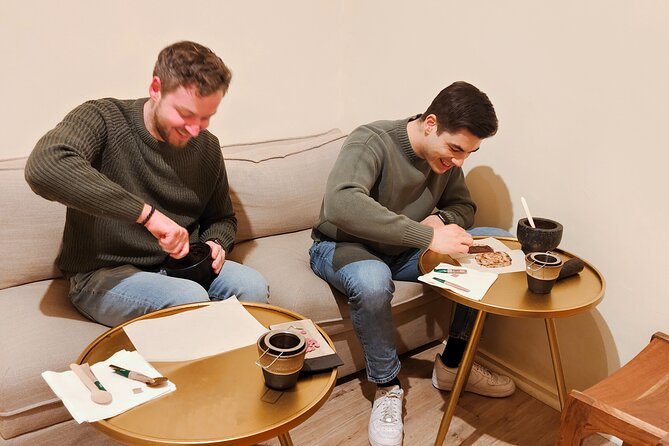
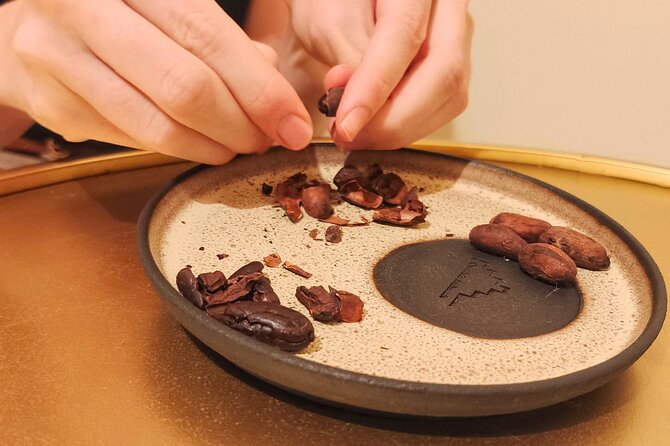
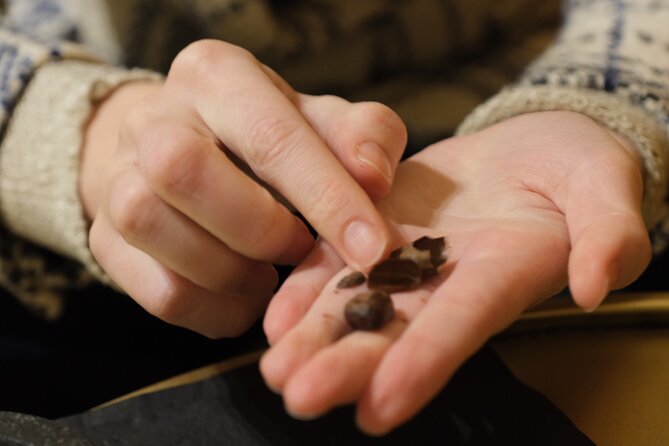
The most memorable piece is the chocolate bar you craft yourself from cacao beans. This is where the experience goes from “I ate chocolate” to “I accomplished something.”
Why this matters: when you make chocolate from cacao beans, you feel the process rather than just reading about it. Even if you don’t become a chocolatier in 90 minutes, you still walk away with real understanding of what’s involved—how ingredient choices and steps affect the end result.
The workshop also includes a hot chocolate component with a recipe, plus water. That means you’re not only tasting solids. You’ll get a fuller picture of chocolate as a drink and as a product, which is helpful if you’re trying to understand how chocolate culture developed.
You may also work with or create chocolate items linked to earlier periods. One participant specifically highlighted learning to make versions tied to the 16th and 17th centuries, which tells you this workshop isn’t stuck in modern praline culture only. You’ll get a sense of how chocolate shifted from historical preparations to today’s favorite forms.
The chocolate timeline in English with Leo
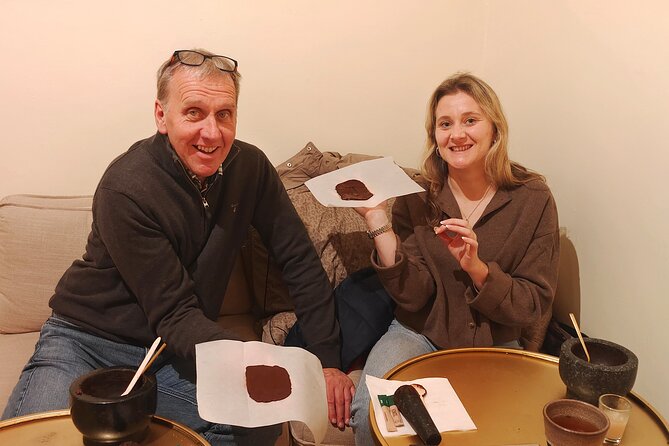
Belgian chocolate has a story, and this workshop builds that story into what you taste. You’ll learn about the origins and evolution of Belgian chocolate, and the session is structured as a timeline-style experience rather than a one-way lecture.
The guide/instructor is Leo, and several people pointed out that he’s both funny and clear while explaining steps and history. That’s a good sign for this kind of workshop. Chocolate tasting can become awkward if the guide talks like you’re in a classroom. Here, the tone is interactive, and you get explanations tied directly to what’s on the table.
One of the most interesting parts is how the history shows up through samples. Participants called out tastings of things like cacao fruit juice and cacao tea, plus the concept of the early drinking chocolate that came before the solid chocolate world most people know today. That matters because it shows how chocolate culture grew: from beverages and preparation traditions to the bars and pralines you buy today.
Also, one Swiss participant mentioned learning that Belgian chocolate culture includes no milk chocolate in the same way you might be used to, which hints that you’ll hear about how styles evolved and why certain products became the mainstream. Even if your taste leans modern, you’ll leave with clearer context for why Belgian chocolate tastes the way it does.
What’s included (and how it changes the value of $82.90)
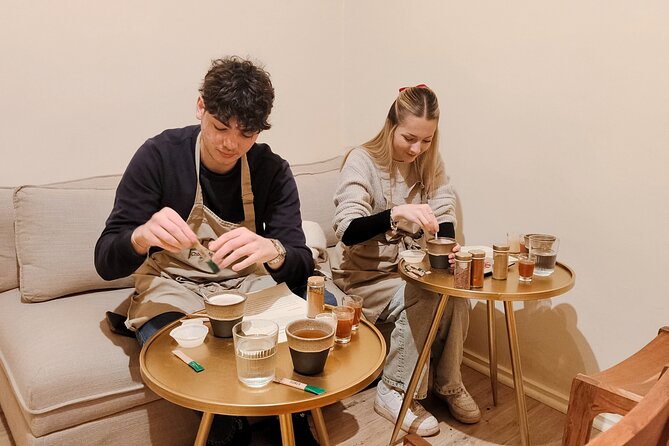
At $82.90 per person, this is not a budget activity. But it’s also not a simple tasting flight in a quiet shop. You’re paying for a guided, English-language experience that includes:
- the chocolate bar you make from cacao beans
- Belgian artisanal chocolates from different makers
- cacao products
- hot chocolate with a recipe
- water
- an English guide who’s licensed/certified
That mix is the real value. Many chocolate tastings give you samples. Here, you also get something to take a step beyond tasting: the process of making chocolate, plus a historical framework that’s meant to connect the dots between ingredients, preparation, and the final product.
Then there’s the practical bonus: you’re located in central Ghent, so you’re not adding transportation time or expense. Transportation isn’t included, but the meeting point is already close to the main sights.
If you’re the kind of traveler who likes to spend money only when you’re actually getting an experience—not just consuming—you’ll likely feel good about the price after the workshop. If you only want a quick sweet snack and zero hands-on time, you may consider that this is more workshop than walk-in tasting.
You can also read our reviews of more tours and experiences in Ghent


Logistics you should plan for: English, timing, and staying comfortable
This experience is offered in English, starts at 11:00 am, and runs about 1 hour 30 minutes. There’s a maximum of 6 travelers, which is a big deal if you hate crowded food tours.
You’ll also want to plan around the shop temperature. The tasting room is kept around 18°C, and the recommendation is to bring a sweater if you get cold.
Service animals are allowed. The tour is also listed as near public transportation, which helps if you’re already using transit in Ghent.
One more practical note: there’s no transportation included. So you’ll want to budget your own walk or transit time to get to Kraanlei 3. The good news is that this area is walkable and close to other sights, so it’s easy to work into your day.
Finally, the workshop includes an opportunity for chocolate shopping after the tasting, if you want to buy something you tasted. That’s handy because you’ll know what you like before you spend.
Who should book this chocolate history workshop?
This is a great fit if:
- you love chocolate and want more than a taste menu
- you want hands-on making (cacao beans to bar)
- you’re curious about how chocolate in Belgium changed over time
- you prefer a small group where you can ask questions
- you’re already planning time around Gravensteen and the Graslei/Korenlei waterfront area
You might reconsider if:
- you want a longer, slower museum-style experience instead of a quick timeline plus tasting
- you’re traveling on a super tight budget and don’t want a workshop price
- you strongly dislike cool indoor spaces (unless you bring a sweater)
Should you book Chocolate History Workshop Ghent?
I think you should book this if you want an experience that actually mixes education with eating—and you like the idea of leaving with chocolate you made, not just chocolate you tasted. The location is convenient, the group size keeps things personal, and the English-guided timeline connects history to what’s in your hand.
It’s also a smart choice if you’re doing a short Ghent stay and want a high-value activity that fits neatly between sightseeing.
FAQ
Where is the meeting point for the Chocolate History Workshop in Ghent?
The meeting point is Chocolade Ambassade: The Belgian Chocolate Experience, Kraanlei 3, 9000 Gent, Belgium.
What time does the workshop start?
The start time is 11:00 am.
How long does the workshop last?
It lasts about 1 hour 30 minutes.
Is the tour offered in English?
Yes, the workshop is offered in English.
What group size should I expect?
This experience has a maximum of 6 travelers.
Do I need transportation to get there?
Transportation is not included. The activity is near public transportation, and it’s located in central Ghent.
What’s included in the price?
Included are a chocolate bar you craft from cacao beans, Belgian artisanal chocolates from different makers, cacao products, hot chocolate with a recipe, water, and an English licensed/certified guide.
What should I wear or bring?
The tasting room temperature is around 18°C to maintain chocolate quality, so it’s advised to bring a sweater if you get cold.
Does the workshop include time to shop for chocolate?
After the tasting, there is an opportunity for chocolate shopping if you wish.
Can I cancel for a full refund?
Yes. You can cancel up to 24 hours in advance for a full refund. If you cancel less than 24 hours before the start time, the amount paid is not refunded.
If you want, tell me your travel dates and whether you’re doing Gravensteen and the Graslei/Korenlei area in the morning or afternoon, and I’ll help you slot this workshop into a smooth Ghent day plan.