REVIEW · GHENT
Ghent: 50-Minute Medieval Center Guided Boat Trip
Book on GetYourGuide →Operated by Boat in Gent bv · Bookable on GetYourGuide
Ghent feels different when you float through it. This 50-minute medieval center boat trip takes you past the big-name landmarks while a guide ties it together with stories you can actually follow. You get the classic Ghent skyline moments plus close-up views of the waterways that made the city rich.
I especially love the multilingual narration (English, Dutch, and French) and the fact that the tour is short enough to fit into a busy day without turning into a marathon. I also like the practical onboard comfort, like umbrellas for rainy departures and winter blankets when it’s cold.
One drawback to consider: most of the tour is pass-by sightseeing from the boat. If you’re hoping for time to stop, step inside, and linger at each monument, you’ll want to pair this with extra walking time afterward.
In This Review
- Quick hits
- Why a 50-Minute Boat Loop Works in Ghent
- Meeting the City at Graslei and St Nicholas’ Church
- The Belfry and St Bavo’s Cathedral From the Water
- Old Markets and Guildhalls: How Ghent Made Its Money
- Gravensteen and the Princes’ Court: Castle Views Without the Stair Climb
- The Ancient Port of Ghent: Quay Walls and Mercantile Houses
- Charles V Birthplace and the Story Behind the Three Towers
- Onboard Guidance in English, Dutch, French (Plus Illustrated Translations)
- Timing and Departures That Fit Your Day
- Weather Comfort: Rain Umbrellas and Winter Blankets
- Price Value: What $12 Buys You Here
- Who This Tour Fits Best (And Who Should Pair It)
- Should You Book This Ghent Medieval Boat Trip?
- FAQ
- How long is the Ghent medieval center boat trip?
- How much does it cost?
- What languages are offered during the tour?
- Does the tour run in rain?
- Are there blankets in colder months?
- Where do I board the boat?
- Is this tour only during certain seasons?
- Are pets allowed on board?
- What is the ticket good for?
Quick hits
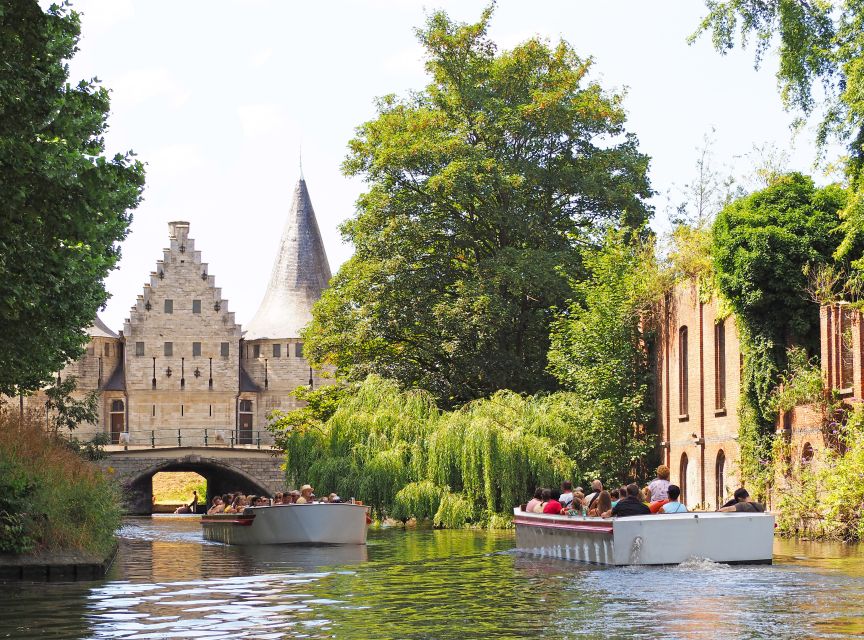
- 50 minutes that still hits the key medieval sights without exhausting your feet
- Three towers and major churches seen from a perspective you can’t get on foot
- Guild halls, fish market, and butcher’s hall that explain how Ghent worked as a trading city
- Counts and Princes’ Court areas viewed from the water for a “big view, no climbing” feel
- Live guide in English, Dutch, and French, plus illustrated translations on board
- Rain or shine: umbrellas on board, and blankets in winter departures
Why a 50-Minute Boat Loop Works in Ghent
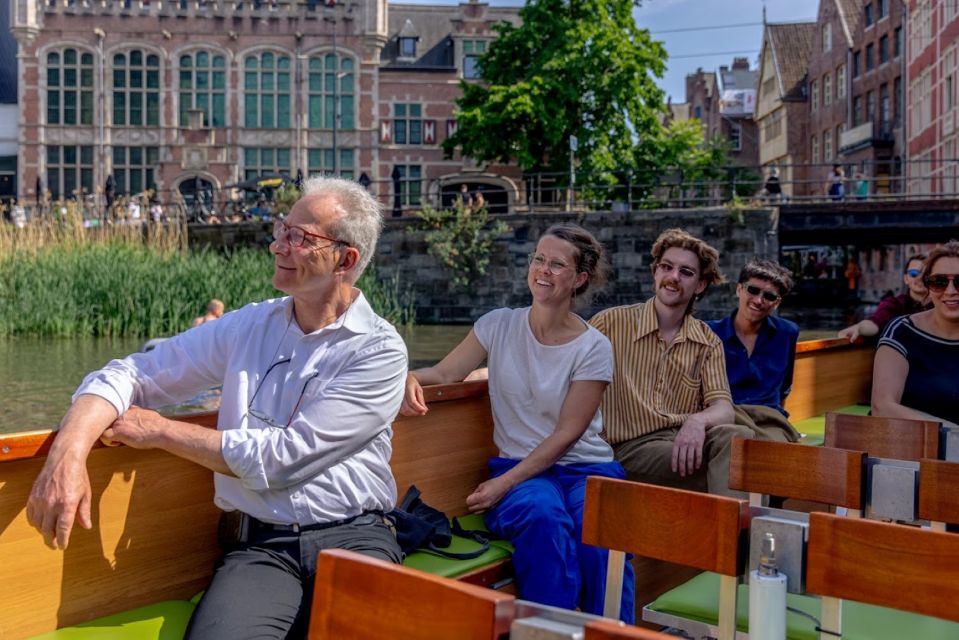
Ghent is one of those cities where the highlights are spread out, but they’re also close enough to stitch together in a single route. This boat trip is built for that: a tight loop through the medieval center, with commentary that helps you recognize what you’re looking at.
The key value is time. At about 50 minutes, you can see a lot of the “first impressions” landmarks—cathedral, belfry, towers, churches, and the castle area—without standing in ticket lines or doing a long day of walking. It’s also a nice way to reset your pace. Even when you’re traveling with people who get tired of museums fast, a boat ride gives everyone the same shared viewpoint.
The other win is context. You’re not just getting pretty buildings. The guide points out the stories behind them, so the city starts making sense as you glide past.
You can also read our reviews of more boat tours in Ghent
Meeting the City at Graslei and St Nicholas’ Church
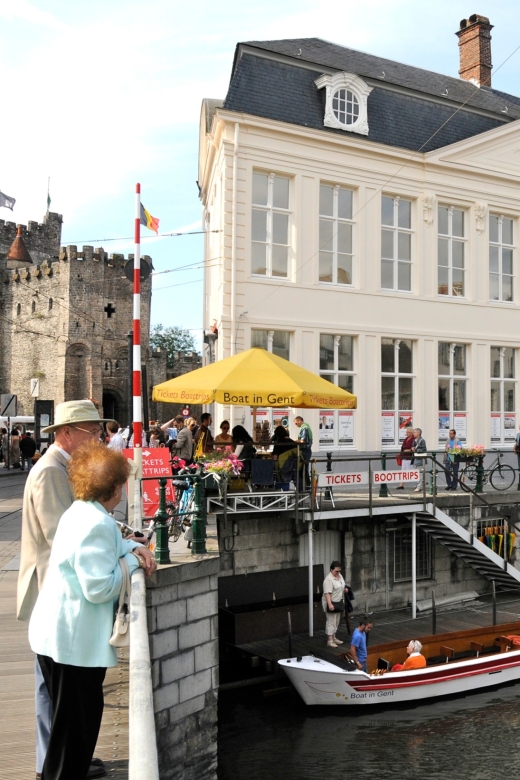
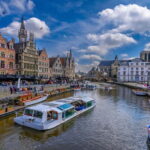
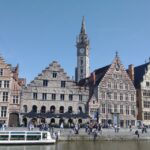
You start from one of the listed locations near the water—either De Bootjes Van Gent (Rederij Dewaele) or the boat dock area marked as Boat in Gent. From there, the route quickly lands you in the heart of the medieval feel, with passes along Graslei and St Nicholas’ Church.
This early part matters because it’s your orientation. Graslei-like quay views are where Ghent’s water-and-trade identity shows up immediately. Seeing the waterfront from the boat helps you understand why the city built so much right along the canals and river edges.
As you pass St Nicholas’ Church, you also start getting the “three towers” picture—Ghent has famous vertical landmarks, and the boat gives you clean angles that you can’t easily recreate from street level.
The Belfry and St Bavo’s Cathedral From the Water
Next you pass by the sights that most first-timers come to Ghent for: the Belfry of Ghent and St Bavo’s Cathedral.
From the water, these buildings read differently. You get a straighter line of sight, and the scale feels more balanced because you’re not looking up as steeply as you would on foot. That’s great for photos too, especially if you want a strong sense of the medieval skyline without chasing viewpoints.
The guide’s commentary here is what turns the “big buildings” into a timeline you can remember. A good narration style is a theme across the experience: clear explanations, a light touch of humor, and stories that connect one landmark to the next instead of listing names.
Old Markets and Guildhalls: How Ghent Made Its Money
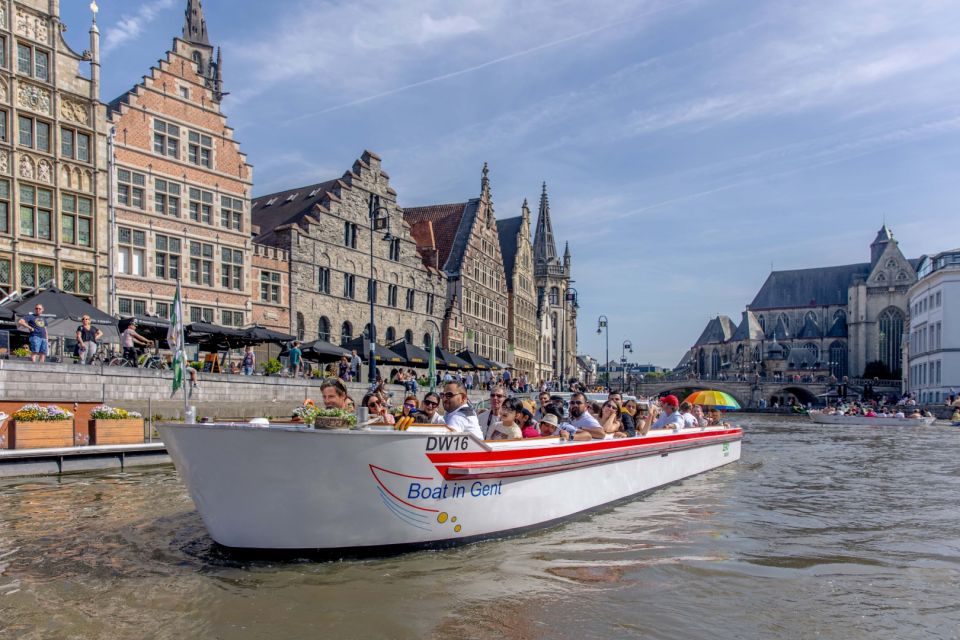
The itinerary spends real time in the merchant-city layer of Ghent: the Old Fish Market, Great Butcher’s Hall, and the old guildhalls of labormen.
These stops feel like the city’s working memory. Even if you don’t know every term for medieval trades, the guide helps you understand what kind of place Ghent was. The names alone point to commerce, organized craft, and the everyday economic engine behind the impressive architecture.
This is also where the boat perspective earns its keep. On foot, you might only see the fronts of market buildings. From the water, you see them in relation to the quay walls and the water routes that moved goods around. It’s a small shift, but it changes how the whole city reads.
If you love “how cities function” more than “only famous monuments,” this part is exactly your lane.
Gravensteen and the Princes’ Court: Castle Views Without the Stair Climb
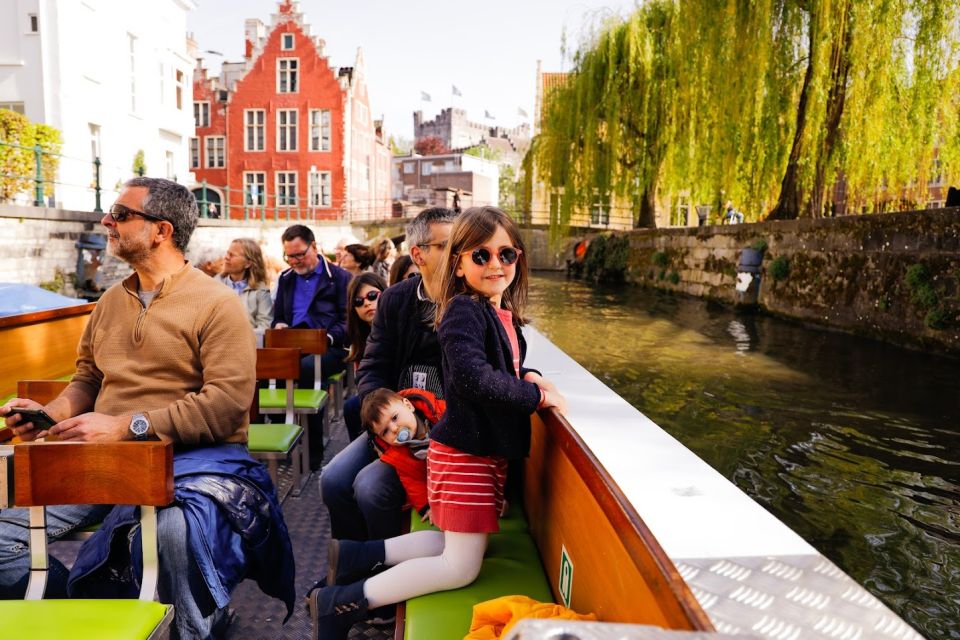
One of the highlights is the pass by Gravensteen and the impressive castle area connected to the Counts and the Prince’s Court.
Here’s the practical magic: a castle looks best when you can see its mass and defenses in context. A boat gives you that without walking uphill or grinding through crowds at the base of a fortress. You also get a smoother, less stressful way to study the architecture while keeping your energy for later.
And because the commentary includes both the Counts and the Princes’ Court, it’s not just one stop with a single story. You get the sense of political power changing hands across centuries, expressed through the way buildings sit on the water corridor.
You can also read our reviews of more guided tours in Ghent



The Ancient Port of Ghent: Quay Walls and Mercantile Houses
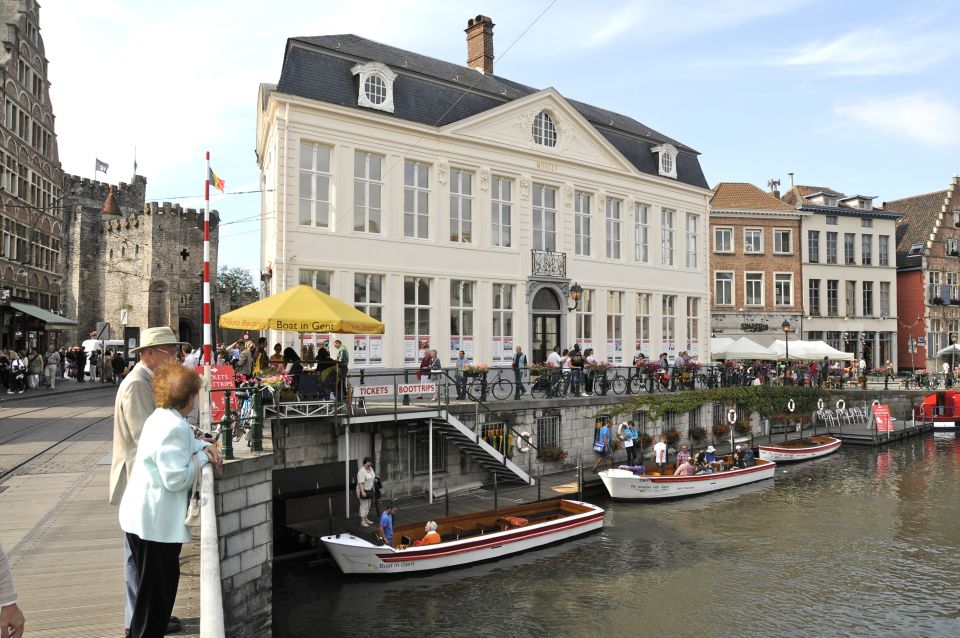
The tour doesn’t just show you buildings; it guides you along the Ancient Port of Ghent, including quay walls and mercantile houses.
This is the part that makes the medieval city feel real. The “port” angle explains why Ghent’s waterfront is so visually dense: mercantile buildings weren’t built away from the water. They were built facing it.
If you like travel that helps you connect dots, this section will do that. You’ll start recognizing that the city’s identity isn’t just art and churches. It’s also trade routes, storage, movement of goods, and the canals that made it all possible.
It’s also a relaxing stretch. The pace stays calm and photo-friendly, so you can actually look instead of speed-scanning.
Charles V Birthplace and the Story Behind the Three Towers
Ghent is wrapped up in broader European history, and this trip points you toward one specific anchor: the birthplace of Charles V of Spain.
Even with a short duration, this kind of detail helps you place the city in a bigger story. It turns Ghent from a medieval postcard into a location that mattered beyond the local region.
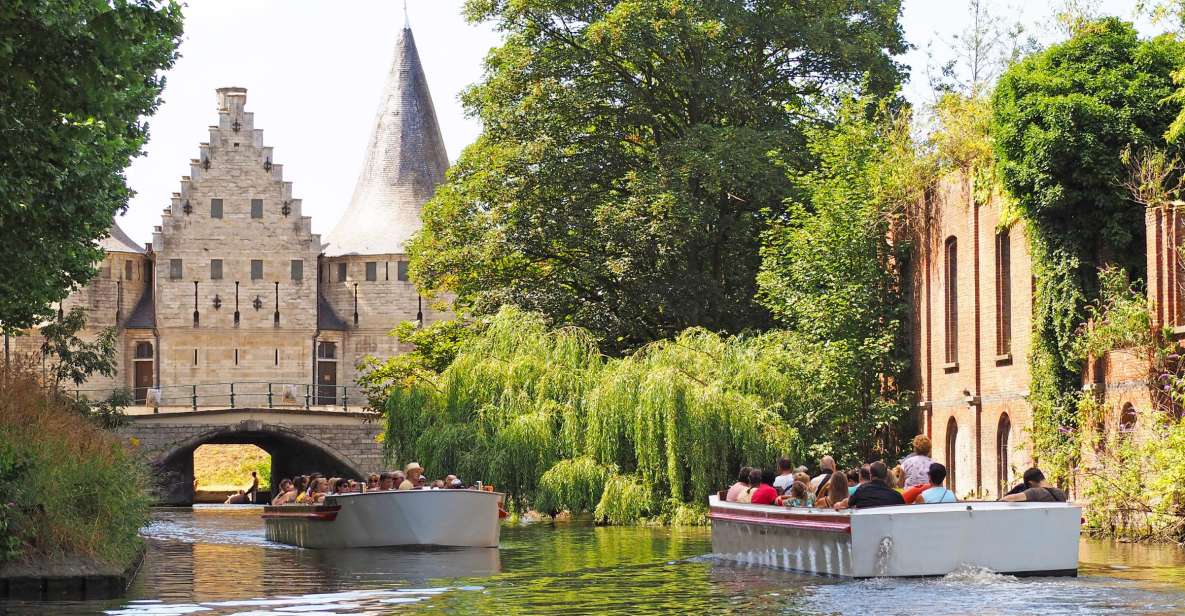
The tour also highlights the famous three towers of Ghent. Watching them from the water is a big part of why a boat tour works here. From street level, the towers can feel like a scavenger hunt. On the water, they line up more naturally as part of a single skyline.
Onboard Guidance in English, Dutch, French (Plus Illustrated Translations)
You get a live tour guide speaking Dutch, English, and French. In addition, there are illustrated translations available on board in German, Spanish, Italian, Russian, and Japanese.
This matters more than it sounds. A lot of short guided tours fail because they’re either too fast or too scripted for mixed languages. Here, the multilingual setup and written illustrated option make it easier to follow the story even if your language isn’t the main one.
Based on what I’ve seen people describe, the best moments are when the guide is both funny and easy to understand. Names come up like Kobe and Anna, with people praising guides such as Tom and Kristi for clear narration and a good sense of humor. You can’t count on the exact guide, but you can count on the format: explanation plus stories.
Timing and Departures That Fit Your Day
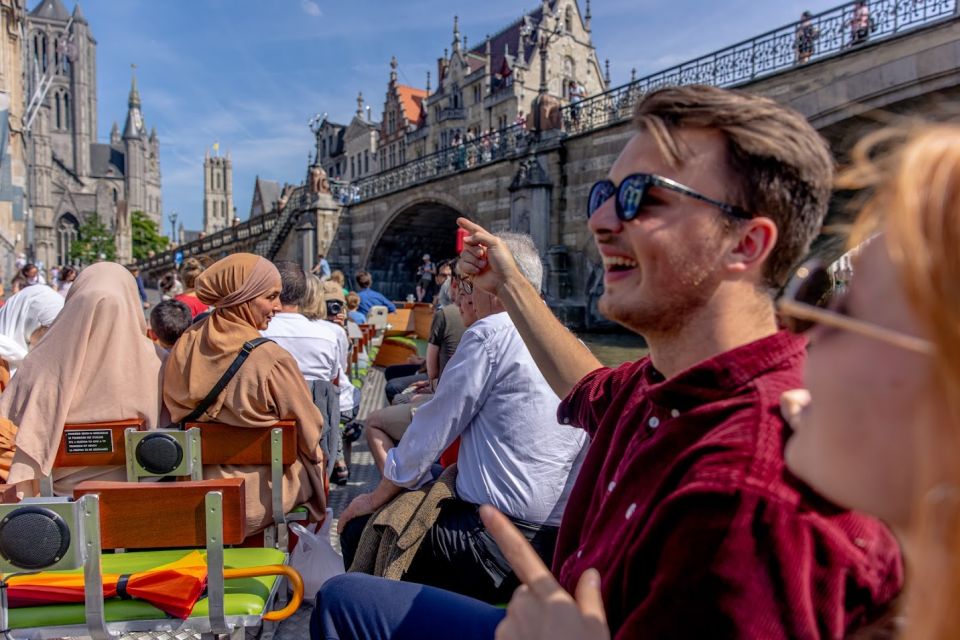
This is a schedule-friendly activity. Departures run:
- April 1 – October 31: every 20 minutes from 10:00 AM to 6:00 PM
- November 1 – March 31: every 30 minutes from 10:45 AM to 4:15 PM
That means you can often slot it in after you’ve walked a little through Ghent. I like using it as a “first-day orientation” because it shows you where the major sights sit relative to each other. Then later, you can choose what you want to revisit on foot.
It’s also a good choice for evenings-in-the-city planning. You’re not locked into a long day just to see a few highlights.
Weather Comfort: Rain Umbrellas and Winter Blankets
Ghent weather can flip fast, so it’s smart that this tour runs rain or shine. If it rains, you’ll find umbrellas on board.
For winter departures, the experience includes blankets. That turns a cold-weather boat ride from miserable to manageable. One practical tip: bring layers. Even with blankets, wind off the water is real, and being warm helps you enjoy the narration instead of hunching your shoulders.
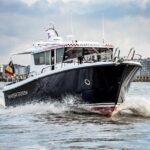
One extra angle from how some departures can operate: if you end up on an open-deck style option, you might get an extra under-tunnel segment that a higher-roof boat can’t do. If weather is mild, that open-air feeling can be great for photos.
Price Value: What $12 Buys You Here
At $12 per person, this tour is priced like you’re buying a short “overview pass” of medieval Ghent. That’s not just cheap for a boat ride—it’s cheap for what you actually get: multiple major landmarks, connected stories, and views that are hard to replicate without being on the water.
The best way to think about value is this: you’re paying to save energy and time while building understanding. Instead of spending your day walking between distant points, you get a guided route that bundles the key sights into one simple loop.
You also get multi-language delivery and on-board translation support, which helps if your group includes different language comfort levels. In my book, that’s a value multiplier.
Who This Tour Fits Best (And Who Should Pair It)
This boat trip is a smart fit for:
- First-time Ghent visitors who want orientation fast
- People who prefer seated sightseeing over long walking routes
- Groups with mixed interests who still want shared highlights
- Anyone who likes architecture but also wants the human and political stories behind it
It’s less ideal if you’re the kind of traveler who must go inside buildings on the same outing. Since the tour is mostly pass-by viewing, you’ll likely want to plan a follow-up walk to spend time at the spots that hook you most.
My strategy: treat the boat as your map and your storyline. Then you choose one or two monuments to go deeper on later that day.
Should You Book This Ghent Medieval Boat Trip?
Yes, if your goal is to see the medieval core with minimal hassle. The 50-minute format, the big landmark coverage, and the on-water perspective make it one of the easiest ways to get your bearings fast.
Book it if you want:
- a quick hit of Ghent’s towers, cathedral, and castle areas
- a guide who blends jokes with clarity
- comfortable weather handling with umbrellas and winter blankets
Skip it (or think twice) if you’re hoping for long stops, interior visits, or a slow wandering pace. In that case, you’ll want more time on foot and fewer “pass-by” moments.
If you’re short on time and want a high return on sightseeing effort, this is the kind of trip that earns its place in your day.
FAQ
How long is the Ghent medieval center boat trip?
The tour runs for about 50 minutes.
How much does it cost?
The price is $12 per person.
What languages are offered during the tour?
The live guide speaks Dutch, English, and French. Illustrated translations in German, Spanish, Italian, Russian, and Japanese are also available on board.
Does the tour run in rain?
Yes. It goes rain or shine, and umbrellas are available on board if it rains.
Are there blankets in colder months?
Blankets are provided for winter tours.
Where do I board the boat?
There are two starting location options, including De Bootjes Van Gent (Rederij Dewaele) and the Boat in Gent area. The meeting point can vary depending on the option booked.
Is this tour only during certain seasons?
It runs year-round, but departure frequency changes by season:
April 1–October 31 and November 1–March 31.
Are pets allowed on board?
Pets are not allowed, but assistance dogs are allowed.
What is the ticket good for?
The ticket is valid for 1 trip, taken at a time of your choosing based on availability. You can cancel up to 24 hours in advance for a full refund.