REVIEW · GHENT
Ghent: City Walk with Audio Guide in 7 Languages on your Phone
Book on Viator →Operated by City App Tour · Bookable on Viator
Ghent gets way easier with audio storytelling. I like how the app packages the day into short, timed clips (about 1.5 to 4 minutes) and how the GPS guidance cues you right when you reach each attraction. One thing to keep in mind: you need your own smartphone, plus working internet and GPS, or the audio can’t do its job.
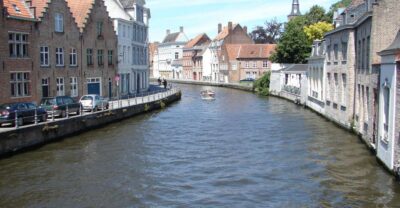
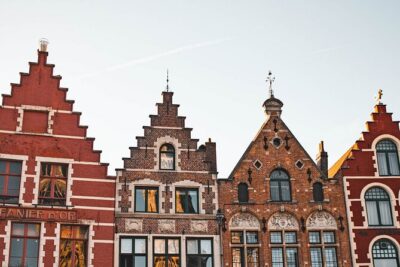
This self-guided route is built for pacing. You can take it slow across the medieval center, stop for a drink, and still finish by the end of the next day. The route covers key highlights like Saint Bavo’s Cathedral, the Belfry and Cloth Hall, and Gravensteen Castle, plus smaller stops that make the city feel lived-in rather than just photo-worthy.
In This Review
- Key highlights worth knowing
- How this Ghent audio walk really feels on the ground
- Start at Sint-Michielsplein and pace a 4.3 km story route
- Saint Bavo’s Cathedral: the Gothic centerpiece and the art that draws crowds
- Belfry and Cloth Hall: civic power plus a panoramic view
- Korenmarkt: where centuries of foot traffic still feel real
- Gravensteen Castle: medieval fortress energy without a long guided script
- Hidden stops you’ll want to watch for along the way
- Price and value: why $8.68 can make sense
- Tips to avoid audio/GPS headaches (and keep it fun)
- Who this tour is best for (and who should skip it)
- Should you book the Ghent audio city walk?
- FAQ
- What is included in the Ghent city walk audio tour?
- How long does the tour take?
- Do I need internet and GPS on my phone?
- Where does the tour start and end?
- How many stops and stories are on the route?
- What languages are available?
Key highlights worth knowing
- 7-language audio on your phone so you’re not stuck with a single language track
- GPS cues that help you line up with each stop (often more reliable than your usual mapping app)
- 29 story stops over a walk of about 4.3 km in roughly 2 to 3 hours at an easy pace
- Major landmarks included: Saint Bavo’s Cathedral, Belfry/Cloth Hall, and Gravensteen
- You can pause freely and finish by the next day—great if you want museum time or a midday break
- Private group use means it’s just your party on the experience
How this Ghent audio walk really feels on the ground
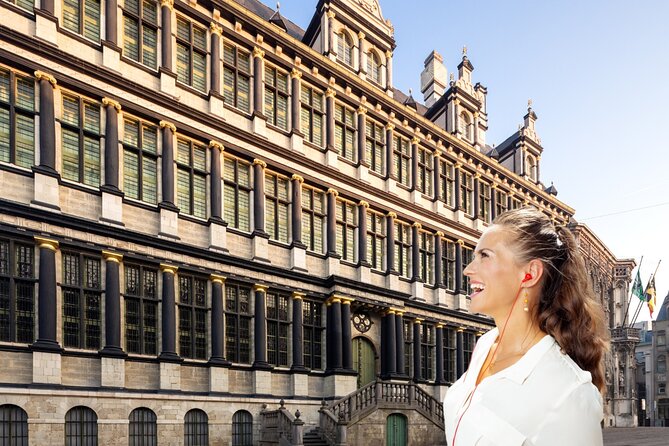
This is a self-guided city walk, not a live tour in a van with a talking guide at every corner. You’ll start at Sint-Michielsplein 11 and follow a route through Ghent’s historic center at your own tempo. The payoff is that you don’t have to keep track of facts yourself. Instead, your phone hands you a story when you’re standing in the right place.
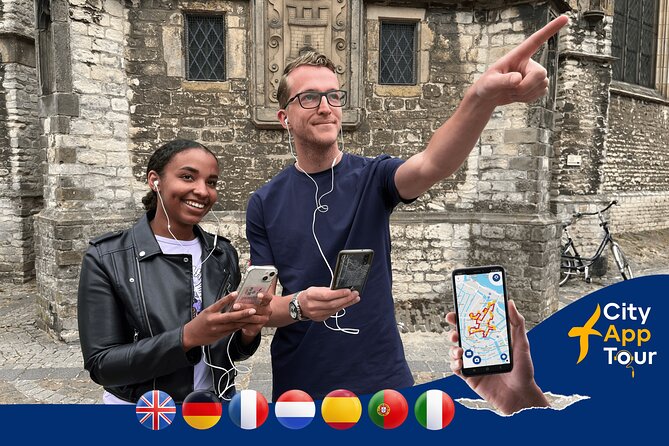
The app format is simple and practical. The audio clips are short—think snackable history, not long lectures. In one review, the timing stood out: you get audio pieces that last roughly 1.5 to 4 minutes, and there’s even a small sound cue when you’ve arrived at an attraction area. That makes the walk feel smoother, especially if you stop often for photos or to read street plaques.
The GPS part matters more than you might expect. Ghent is compact, but it still has tight streets, changes in elevation, and blocks that look similar at a glance. In particular, one reviewer found the GPS in the app more reliable than Google Maps for their exact positioning. That’s the kind of detail you’ll appreciate when you’re trying to avoid wandering in circles with your screen held at arm’s length.
The main tradeoff is also straightforward: you need your phone to stay online (internet connection) and to have GPS functioning. The tour doesn’t include a smartphone or headphones, so plan on bringing both. If your phone battery is usually fragile, bring a power bank. You’ll thank yourself.
You can also read our reviews of more walking tours in Ghent



Start at Sint-Michielsplein and pace a 4.3 km story route
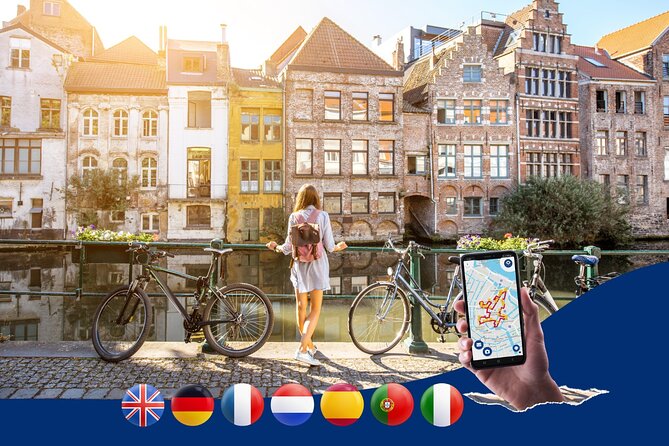
From Sint-Michielsplein 11, the walking distance is about 4.3 km total. That’s a good length for a 2 to 3 hour stroll, but with the flexibility to stretch it out with breaks. In fact, you’re not locked into a same-day finish. The tour gives you until the end of the next day to complete it, which is excellent if you want to add a museum visit or slow down for lunch.
I like this structure because it matches how people actually travel. You can do it as a tidy morning loop, then come back later for more time in a neighborhood you liked. Or you can treat it like a guided walk-without-the-guide: listen, pause, look around, then hit play when you’re ready.
Also notice the “private tour/activity” setup. That means only your group participates. With self-guided tours, that usually translates into fewer awkward moments—no trying to keep up with a larger group, no guessing where you’re supposed to stand, and no waiting for others to hear the same story.
One more practical point: you’ll return to the meeting point at the end. So you can mentally frame it as a loop built around the historic core.
Saint Bavo’s Cathedral: the Gothic centerpiece and the art that draws crowds
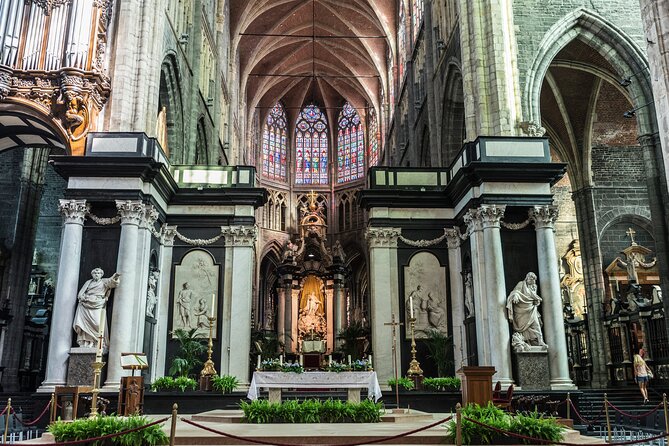
One of the biggest stops is Saint Bavo’s Cathedral, set in the heart of Ghent. Expect to see it as a Gothic masterpiece that’s been standing for centuries, with details that reward close viewing rather than quick passing. The cathedral is especially known for its stained glass windows and intricate sculptures.
And then there’s the star that makes people plan their visit: the Ghent Altarpiece by the Van Eyck brothers. Even if you’re not a serious art person, it’s hard to avoid the cultural gravity around this work. The audio format helps here because the story pieces can connect what you’re seeing to why it mattered historically and artistically—without turning it into a full lecture.
The drawback, if you’re sensitive to timing, is that cathedrals can have busy moments. This tour doesn’t control crowd levels. But having an audio guide helps you shift your focus from “Where do we go next?” to “What am I looking at right now?” If you spend extra time here, you’ll likely feel rewarded rather than rushed.
Tip: give yourself enough time to stand back for the overall view and then move in for the sculptural and glass details. The audio clips are designed to line up with locations, so you’ll get the best experience when you pause where the story expects you to be.
Belfry and Cloth Hall: civic power plus a panoramic view
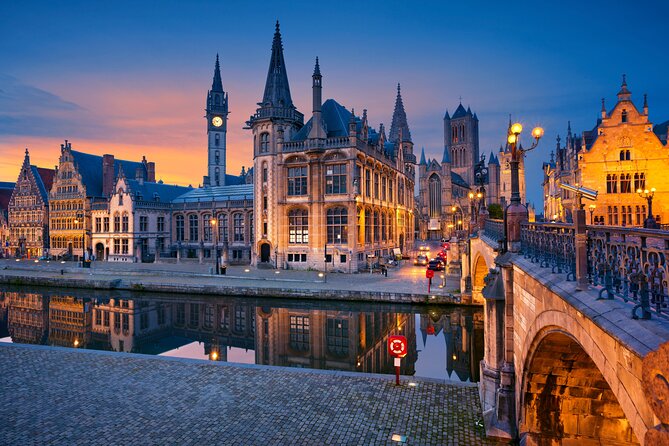
Next up is one of Ghent’s most iconic combinations: the Belfry and the Cloth Hall. The Belfry dates to the 14th century and works as a symbol of civic power. If you’ve seen other European belfries before, you’ll recognize the vibe: this is a city that was proud of its governance and its ability to build.
The Cloth Hall matters for a different reason. It served as a center for textile trade, which helps you understand why Ghent became prosperous in the medieval period. The story here gives context to the architecture. You’re not just looking at stone. You’re seeing the physical footprint of an economy.
And yes, there’s a practical payoff too: the Belfry offers a panoramic view from its tower. Even if you don’t go up right away, the audio helps you appreciate why people cared about that vantage point—both for pride and for the ability to see and manage the city.
A small caution: if you’re hoping for a fast hit-and-run, the tower and the surrounding buildings can slow you down naturally. Plan for time here if you like views and photos.
Korenmarkt: where centuries of foot traffic still feel real
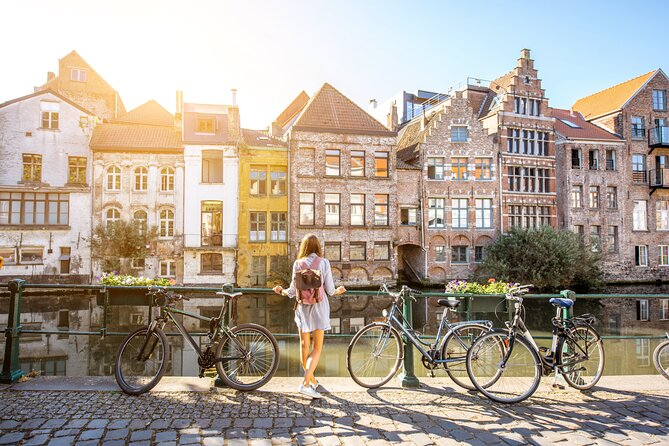
A key square on the route is Korenmarkt, a historic gathering place for centuries. You’ll find it framed by major landmarks, including Saint-Nicholas Church and the Belfry. This is the sort of stop where the audio works well because the setting gives you a lot to notice even before you press play.
I like Korenmarkt as a break point in the walk. Squares are where you can reset your pace: grab water, check the next stop, or just sit for a minute and watch the flow of people moving through the area.
The value of the audio here is in how it ties everyday movement to historical meaning. You’re in a place designed for public life, not just sightseeing. That’s why this kind of stop is more than a photo backdrop.
You can also read our reviews of more guided tours in Ghent






Gravensteen Castle: medieval fortress energy without a long guided script

One of the most dramatic stops is Gravensteen Castle, a medieval fortress dating to the 12th century. The stone walls and turret silhouettes make it feel like Ghent has its own piece of “fortress mode,” right in the city center.
The audio walk helps you approach the site with the right questions: what kind of power did this represent, and how did the fortress function as part of Ghent’s story? You can explore a well-preserved interior that includes a museum showcasing the castle’s history.
If you’re a “look around, don’t read every panel” kind of traveler, the audio still helps. It can keep you from missing the big themes while you wander, and it gives you a mental map for what you’re seeing. If you love details, you’ll probably use the museum time more heavily.
As with any fortress, time can add up. If you want to keep the day lean, do a focused circuit: exterior, main interior highlights, then move on before you spend two hours accidentally. If you want the slow version, you can let the story carry you and build in extra time for the battlements.
Hidden stops you’ll want to watch for along the way

The route includes “known” attractions, but it also aims at the smaller, more personal details that make a city feel like itself. You may encounter places mentioned in the itinerary concept like the little Gallows House and a famous beer brewery.
That’s a smart approach. The major landmarks are great, but the side stories are what make the walk feel connected to real daily life—trade, punishment, celebrations, and local culture. Ghent has a strong character, and those smaller stops can help you notice it instead of just collecting big sights.
If you’re the kind of traveler who likes to read street-level history—signs, facades, old names—this is exactly the kind of audio guide that supports that mindset. Just don’t expect the app to replace curiosity. Use the audio as a starting point, then look around and see what it made you notice.
Price and value: why $8.68 can make sense
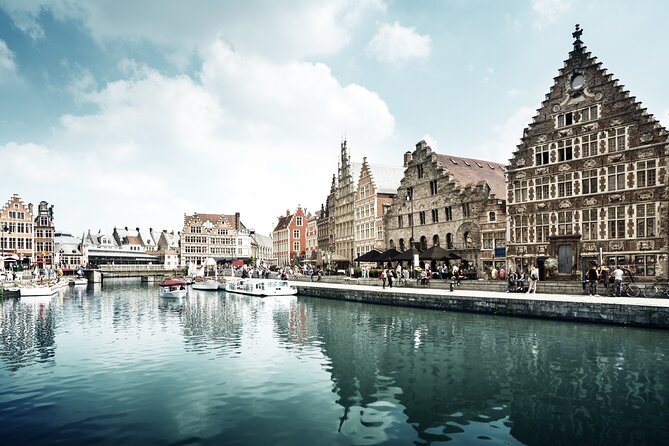
At $8.68 per person, this is priced like a budget-friendly way to add structure to your day. The value isn’t just that you pay little. It’s that you’re getting an audio guide in 7 languages with GPS guidance, built around major Ghent highlights and a walkable route.
To judge value fairly, you also have to consider the tradeoffs:
- You supply your own smartphone.
- You supply headphones.
- You need internet and GPS working on your phone.
So the real cost is partly equipment and phone readiness, not only the ticket price. If you travel with a phone that’s always on data (or you can use a reliable data plan) and you pack earbuds, this becomes a very economical way to turn a self-guided walk into something that feels guided.
The time structure helps value too. A roughly 2 to 3 hour experience that you can stretch across two days is more useful than a short one-off audio loop. You’re not forced into rushing.
Tips to avoid audio/GPS headaches (and keep it fun)
Here are the practical things that matter for this exact kind of tour:
- Make sure your phone has internet and GPS enabled before you start.
- Bring headphones. The tour expects you to listen via your audio setup.
- Save battery. If your phone dies mid-walk, you’ll lose the route cues and story activation.
- Keep an eye out for the audio cue when you arrive near an attraction. One reviewer noted there’s a small sound cue when you reach the area, which helps you stay oriented.
Also, don’t treat this as a “march to the next spot” itinerary. The app is designed for pausing and walking at your own pace. If you see something interesting, stop. If you need a break, take it. This tour’s flexibility is one of its best features.
Who this tour is best for (and who should skip it)
This works best if you like:
- exploring on foot in a compact historic center
- short, story-based audio rather than long guided lectures
- flexibility to stop for a drink or museum visit
- a budget-friendly way to get structure without joining a group meeting
It may be less ideal if:
- you want a live guide to answer questions in real time
- you expect to travel with limited internet access
- you don’t like relying on your phone for navigation and timing
For most independent travelers, though, this is a sensible way to “get more out of” the places you already want to see.
Should you book the Ghent audio city walk?
I’d book this if you want a well-structured walk through Ghent’s main hits—Saint Bavo’s Cathedral, the Belfry and Cloth Hall, and Gravensteen—without scheduling pressure. The price is low, the audio clips are short, and the GPS-guided cues help you keep moving even when you’re distracted by pretty medieval streets.
You should think twice if you’re likely to run into phone battery issues, or if you prefer hands-off sightseeing with no tech. This is very much a “your phone is part of the experience” setup.
If you’re comfortable with that trade, it’s an easy win: turn a casual stroll into a story-led route through one of Belgium’s most walkable historic centers.
FAQ
What is included in the Ghent city walk audio tour?
You get an app with an audio guide in 7 languages on your smartphone, plus GPS guidance. Your smartphone and headphones are not included.
How long does the tour take?
The average duration is about 2 to 3 hours. You can take breaks and finish later, as long as you complete it by the end of the next day.
Do I need internet and GPS on my phone?
Yes. This experience requires an internet connection and GPS function on your phone.
Where does the tour start and end?
It starts at Sint-Michielsplein 11, 9000 Gent, Belgium and ends back at the same meeting point.
How many stops and stories are on the route?
The route includes 29 stops/stories.
What languages are available?
The audio guide is available in 7 languages. You’ll receive instructions by email on how to activate the self-guided tour.