REVIEW · GHENT
Ghent: Walking Tour from Friday Market to the Cathedral
Book on GetYourGuide →Operated by Guide-A-Ride · Bookable on GetYourGuide
Ghent looks different when you walk it right. This 150-minute private route ties together markets, canals, and big art inside St-Bavo’s Cathedral.
I especially love the old harbor viewpoints and the way you line up Ghent’s famous three towers, plus the chance to see Jan Van Eyck’s Mystic Lamb and Peter Paul Rubens in the same stop.
One thing to consider: entrances and any tastings aren’t included, so if you want to go inside for everything, plan a little extra spend.
In This Review
- Key things I’d mark on your map
- Why this Ghent route starts at the Friday Market
- The bus portion: you get the city’s context before you step out
- Woodrow Wilson Square to Gerard de Duivelsteen: start with your bearings
- Belfry, Town Hall, Friday market, and the fish market
- Old harbor and St-Michael’s church: where the towers line up
- Inside St-Bavo’s Cathedral: Jan Van Eyck and Rubens
- European Parliament buildings: Commission and Council context
- What your guide includes: food and drink direction that actually helps
- Price and value for a private group (up to 20)
- Language and pacing: a guide for how you like to travel
- Who this tour fits best
- Should you book this Ghent walking tour?
- FAQ
- FAQ
- How long is the Ghent walking tour from Friday Market to the Cathedral?
- Where does the tour start?
- Is this a private tour?
- What languages is the live guide available in?
- What sights will I see during the experience?
- What’s included in the price?
- What isn’t included?
Key things I’d mark on your map
- Friday Market, old Fish Market, and Patershol in one connected walk
- Old harbor views toward St-Michael’s church and Ghent’s three towers
- St-Bavo’s Cathedral art including Jan Van Eyck and Peter Paul Rubens
- Belfry and Town Hall for the civic heart of the city
- European Parliament (Commission and Council) context while you’re in motion
- A guide focused on what to eat and where to go next (chocolate, waffles, beer, museums)
Why this Ghent route starts at the Friday Market
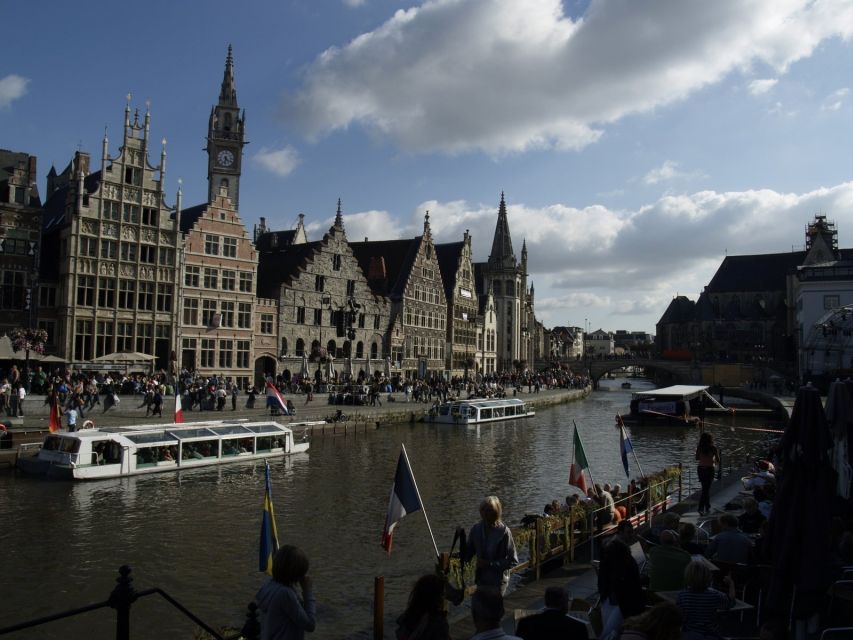
This tour is built like a good city stroll: you start where everyday life happens, then you gradually shift into the monumental stuff. Kicking off near the Friday market means you get Ghent’s pace early, before the walk turns more architectural and art-focused.
The other reason this works is the end point. Finishing at St-Bavo’s Cathedral gives the day a clear “payoff moment.” You’re not just checking boxes. You’re moving from market squares and canal angles into a place that’s meant for lingering.
It’s also a smart format for a short stay. In 150 minutes, you cover a lot of named places—belfry, town hall, fish market, Patershol, old harbor—and you still get time to take in the big art stop.
You can also read our reviews of more walking tours in Ghent


The bus portion: you get the city’s context before you step out
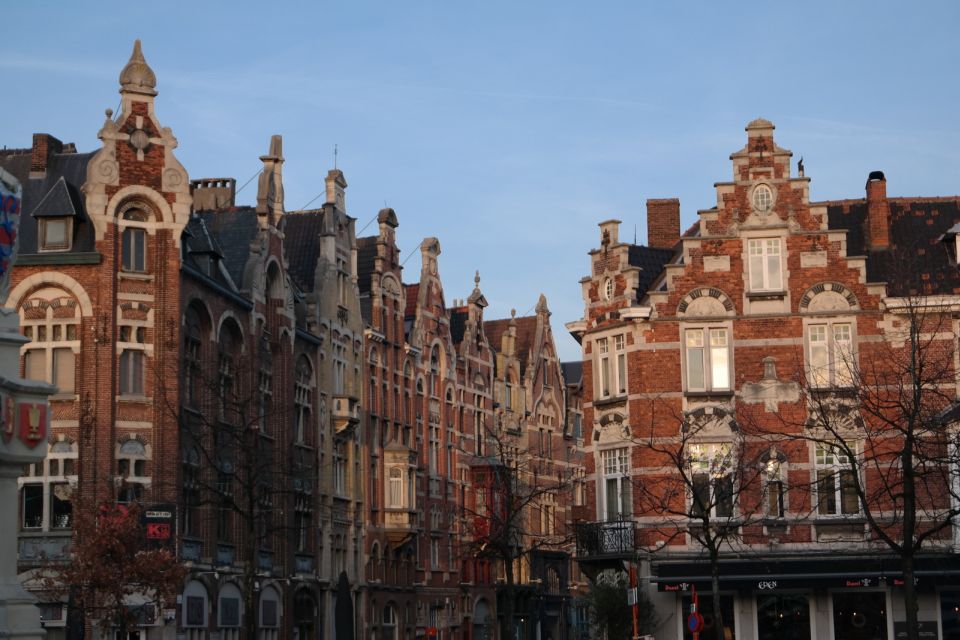
Even though it’s called a walking tour, you start with a bus ride that sets the stage. From the coach, you’ll pass areas like the Millionaires’ Quarter and St. Peter’s station, plus avenues with Art Nouveau and Art Déco exteriors.
That pre-walk matters. Ghent isn’t only canals and old lanes. It also has a modern civic and design layer, and the tour uses the drive to connect those dots. You’ll also see St. Peter’s Square, with St. Peter’s church and Vooruit, and you’ll learn about the nearby building of the socialist trade union.
If you like understanding how a city developed, this helps you not feel lost once you start walking. If you’re the type who gets antsy on buses, just know the ride is there to point you in the right direction, not to waste time.
Woodrow Wilson Square to Gerard de Duivelsteen: start with your bearings
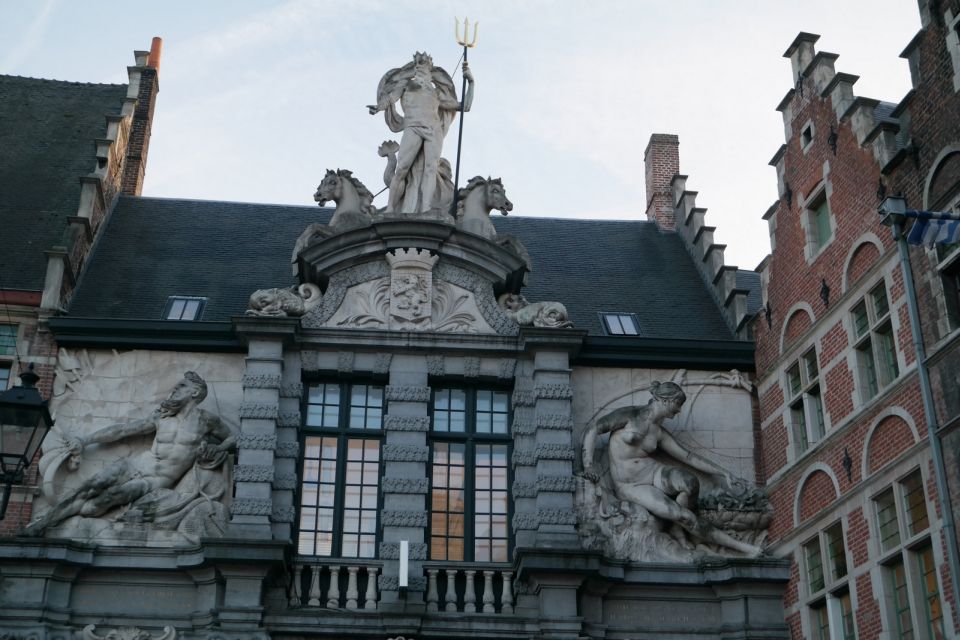
The walk begins at Woodrow Wilson Square, and that’s a good mental reset point. From there, you’ll discover historical Ghent through the streets and canal views, rather than jumping straight into the biggest buildings.
Two named stops early on are:
- Fortress Gerard de Duivelsteen
- St-Bavo’s Cathedral (part of the walking focus, and also where the major art visit happens)
Along the way, the guide also frames why Ghent looks the way it does today. You’ll hear that the city renovated squares and buildings in preparation for the universal exhibition organized in 1913—an effort that included places like the 1000-year-old Count’s Castle. Even if you don’t tour every one of those spots, this kind of context helps the landmarks make sense.
Belfry, Town Hall, Friday market, and the fish market
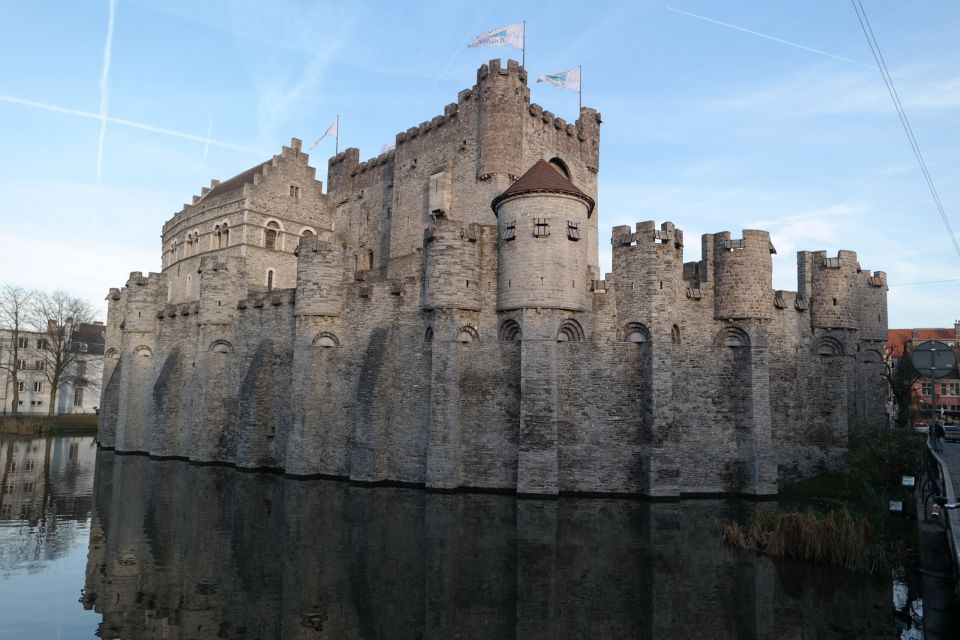
This is the civic-and-commercial stretch, and it’s one of the best values in the whole experience because you see multiple key Ghent identities clustered together.
Here’s what you’ll focus on during the walk:
- The Belfry
- The Town Hall
- Friday market
- Patershol
- Old Fish Market
Why I like this sequence: Ghent’s most memorable places aren’t only religious or only scenic. The Belfry and Town Hall anchor the city’s official side, while the Friday market and fish market show the everyday energy—where people came for food, trade, and news.
Patershol adds a different texture. It’s a recognizable name for a reason: it’s tied to the old-town canal atmosphere you’re looking for in this city.
Timing note: markets and streets can mean crowd levels change during the day. The good news is your guide is handling the pacing so you’re not stuck trying to figure out how to move through it all on your own.
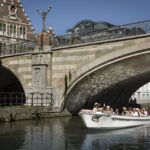
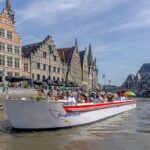
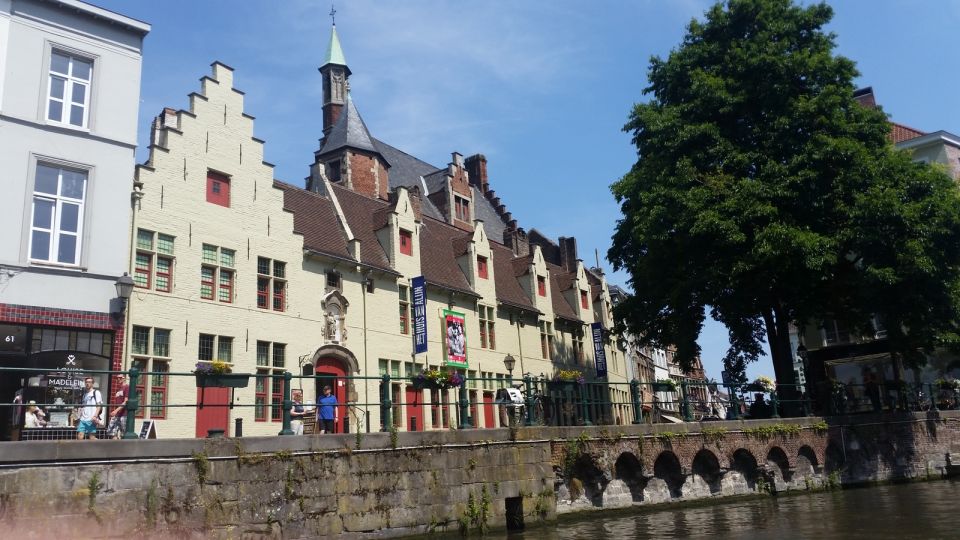
Old harbor and St-Michael’s church: where the towers line up
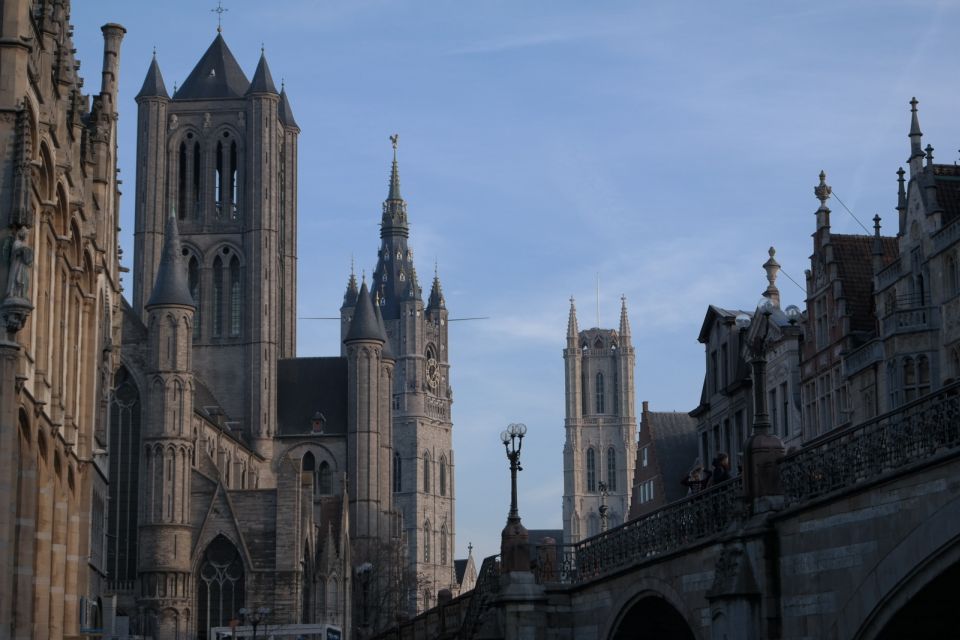
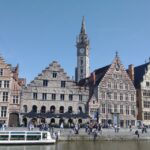
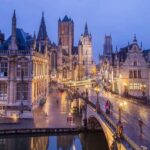
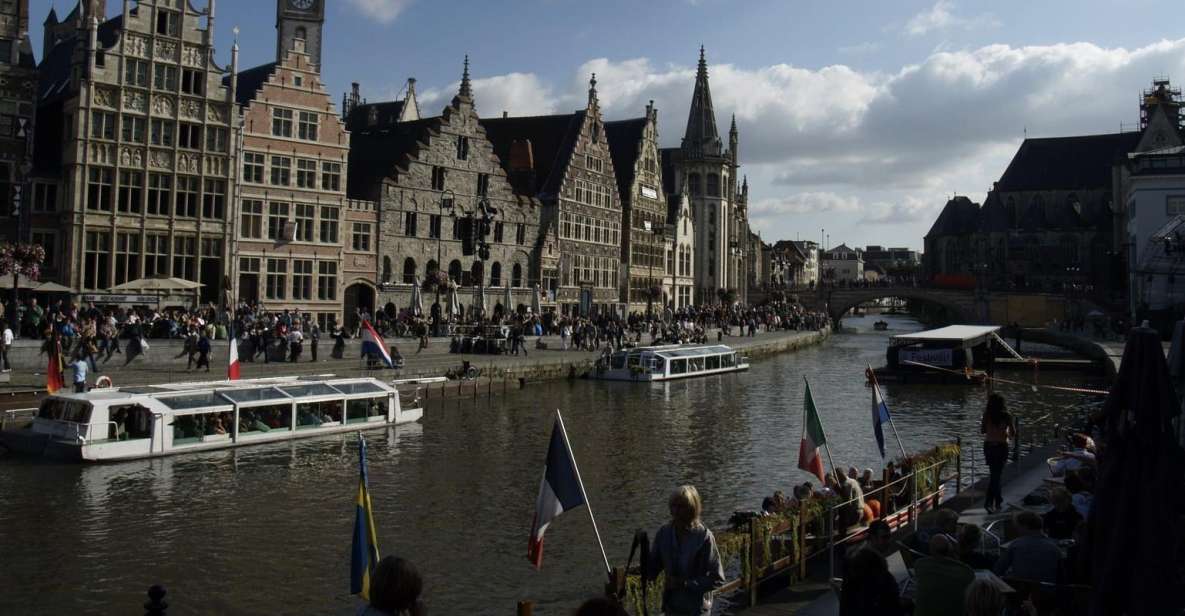
Now for the part you’ll probably remember most for photos. The tour heads to the old harbor, where you get the finest views of St-Michael’s church—and, crucially, angles of Ghent’s three towers.
The three towers included in the view are:
- the tower of St. Nicholas’ church
- the Belfry
- the tower of St-Bavo’s Cathedral
This is where the tour pays off for people who like a “visual checklist.” Instead of seeing towers one by one, you see how they relate to each other across the water. That gives you a real sense of where the city’s landmarks sit in relation to its canals and river edges.
Practical tip: spend a minute deciding where you want your shot before you move on. In busy viewpoints, small positioning changes can make a big difference in framing those towers together.



Inside St-Bavo’s Cathedral: Jan Van Eyck and Rubens
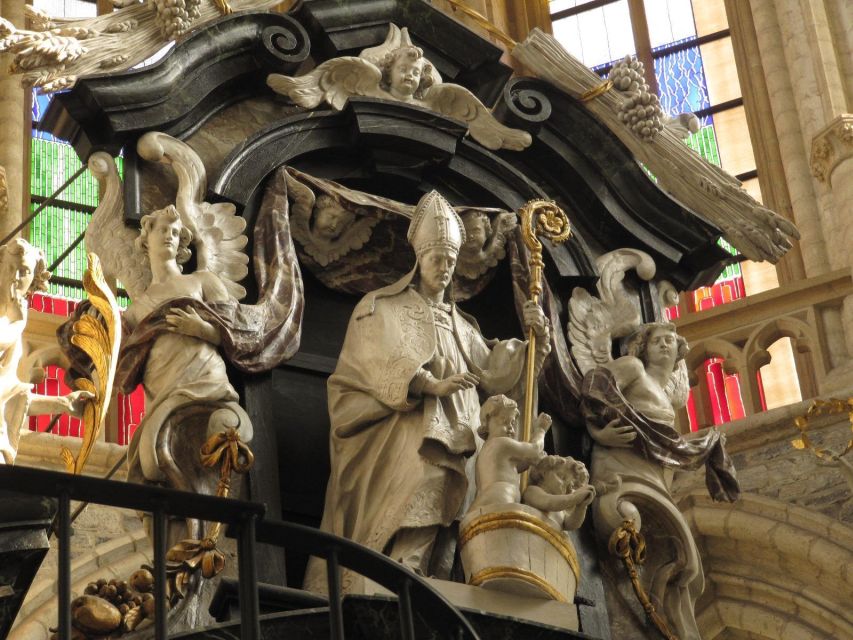
St-Bavo’s Cathedral is the main art stop, and it’s a strong reason to choose this tour over a generic walk.
You’ll get to admire major works, including:
- Jan Van Eyck’s Mystic Lamb
- paintings by Peter Paul Rubens
For many visitors, this is the difference between seeing a cathedral as a landmark and experiencing it as a destination. When you pair well-known names like Van Eyck and Rubens with a guided stop, the art tends to feel more grounded—less like you’re standing in front of labels and more like you’re getting the point of the place.
One caution: since entrance fees are not included, you’ll want to budget for that if the cathedral entry is part of what you expect. If you’re the type who plans around ticket costs, check what you’ll need before you go.
European Parliament buildings: Commission and Council context
Another stop that adds variety is the chance to learn about the buildings of the European Parliament (Commission and Council).
This isn’t about turning Ghent into Brussels. It’s about showing you how Ghent sits inside a wider European story, even while you’re walking through an old-town core.
It also breaks up the day nicely. After markets, canals, and cathedral art, seeing contemporary civic architecture from the coach helps you keep a balanced picture of the city—historical and contemporary at the same time.
What your guide includes: food and drink direction that actually helps
The tour includes lots of recommendations to enjoy chocolate, waffles, beer, restaurants, bars, and museums. That’s more useful than it sounds, especially if you’re only in town for a short stretch.
A good approach is to listen to the guide’s suggestions, then pick one “must-do” for that evening and one for the next day. Since tastings and lunch aren’t included, your best value here is using the guide’s local pointers to plan your own food break at the right time and place.
If you’re traveling with people who don’t all want the same pace—one wants art, another wants snacks—this is still a win because the tour gives you the framework and then hands you the choices.
Price and value for a private group (up to 20)
The price is $388 per group for up to 20 people, and it runs for 150 minutes. Because it’s private, you’re not competing with strangers for your guide’s attention.
Here’s the value math in real life: if your group fills closer to 20 people, the cost per person drops a lot. If you’re a smaller group, the per-person cost rises—but you’re still paying for an organized route, a live guide, and the structured sight connections (towers, markets, cathedral art, and key civic stops).
Also, keep in mind what isn’t included: entrance fees, tastings, and lunch. That’s normal for this kind of tour, but it does mean the total trip cost for you depends on how many indoor stops you choose and what you eat afterward.
Language and pacing: a guide for how you like to travel
You’ll have a live tour guide in Dutch, English, French, or German, and it’s a private group with up to 20 people.
That language flexibility matters more than people think. When the guide can explain what you’re seeing in a language you’re comfortable with, you spend less time translating in your head and more time actually noticing details.
Pacing-wise, it’s a mix: coach time for orientation and then a walk through the old town center. If you’re okay with moderate strolling for about two and a half hours total tour time, it fits well. If you need lots of breaks, build in a snack or bathroom stop during the free time you plan for afterward.
Who this tour fits best
This one works especially well if:
- You’re seeing Ghent for the first time and want a tight route with major landmarks
- You care about art and specifically want Van Eyck and Rubens in St-Bavo’s Cathedral
- You like canal-and-tower viewpoints, not just indoor sights
- You want practical city guidance for food and drinks afterward
It’s also a good choice if your group includes mixed interests. The itinerary hits civic buildings, markets, waterfront views, and then lands on cathedral art.
Should you book this Ghent walking tour?
I’d book it if you want a guided path that actually connects Ghent’s highlights: Friday market to civic center, the old harbor tower views, and then a focused stop at St-Bavo’s Cathedral for Van Eyck and Rubens. The included restaurant and museum recommendations are a nice bonus that helps you keep momentum after the tour ends.
I’d think twice if you’re trying to keep costs ultra-low or you hate paying separate entrance fees, since entrance tickets aren’t included. And if you only want one kind of sightseeing—like strictly cathedral interiors or strictly outdoor canals—this tour mixes it all, so you’ll get a bit of everything.
FAQ
FAQ
How long is the Ghent walking tour from Friday Market to the Cathedral?
The tour lasts 150 minutes.
Where does the tour start?
You meet at Saint-Jacobschurch (Sint-Jakobskerk), where guests can leave the coach.
Is this a private tour?
Yes, it’s a private group tour.
What languages is the live guide available in?
The guide is available in Dutch, English, French, and German.
What sights will I see during the experience?
You’ll see places such as the Belfry, Town Hall, Friday market, the Fish Market, Patershol, old harbor views toward St. Michael’s church, Ghent’s three towers, and you’ll visit St-Bavo’s Cathedral for works by Jan Van Eyck and Peter Paul Rubens. You’ll also learn about the European Parliament buildings (Commission and Council).
What’s included in the price?
The tour includes recommendations for enjoying chocolate, waffles, beer, restaurants, bars, and museums. A live guide is included.
What isn’t included?
Entrance fees, tastings, and lunch are not included.