REVIEW · GHENT
Ghent Walking Tour – City Highlights and Beyond Tradition
Book on Viator →Operated by Ghent Tours · Bookable on Viator
Ghent gets easier fast on foot. I love the small-group setup (max 10) and the way the route mixes famous landmarks with side streets so you actually understand how the city is laid out. You’ll also get a close look at the medieval towers cluster, where Saint Nicholas Church, the Belfry, and Saint Bavo Cathedral come together in one classic view.
One catch: you need to be ready to walk. The tour asks for a moderate fitness level and a pace that works for most adults, with a minimum of about 5 km of walking, plus photo stops along the way. If you’re bringing kids, they need to keep up with the slowest adult, or you’ll want to ask about a private option.
In This Review
- Key things I’d watch for on this Ghent highlights walk
- Why this Ghent walking route is so practical
- Starting at Vrijdagmarkt by the Artevelde statue
- Gravensteen Castle area and Patershol: medieval stories with local texture
- The medieval towers stop: Saint Nicholas Church, Belfry, and Saint Bavo Cathedral together
- Graslei and Korenlei quays: where trade shaped today’s café lanes
- Small-group pacing, photo stops, and how to prepare
- Price and value: what $67.10 gets you in Ghent
- Who should book this Ghent highlights tour (and who might not)
- Should you book this Ghent walking tour?
- FAQ
- How long is the Ghent walking tour?
- Where does the tour start?
- What’s the group size limit?
- Do I need to pay for entry tickets to the sights?
- How much walking should I expect?
- Is the tour refundable if I cancel?
Key things I’d watch for on this Ghent highlights walk
- Tight group size means more questions and a route that can shift to match what the group cares about
- Vrijdagmarkt to Gravensteen connects the city’s market-center energy to its medieval power story
- The three-tower photo moment is the kind of view you’ll recognize immediately in Ghent photos
- Graslei and Korenlei quays show how medieval trade shaped today’s café scene
- Plan on 1 hour 30 minutes to 1 hour 45 minutes with stops for photos, not just marching
- Good shoes matter since you’ll cover around 5 km at a steady walking pace
Why this Ghent walking route is so practical
Ghent is one of those cities where a map helps, but a good walking route helps more. This tour is built to give you bearings quickly: where the historic center sits, where power lived, and where trade happened—without making you figure it out alone.
I like that the guide’s job is both storytelling and pacing. The route is set up to hit big sights, but it also leaves room for “look over there” moments like street art and quieter corners locals tend to use when they’re not busy sightseeing.
And since it’s small-group, the experience stays friendly. You’re not squeezed into a crowd listening from far away.
You can also read our reviews of more walking tours in Ghent



Starting at Vrijdagmarkt by the Artevelde statue
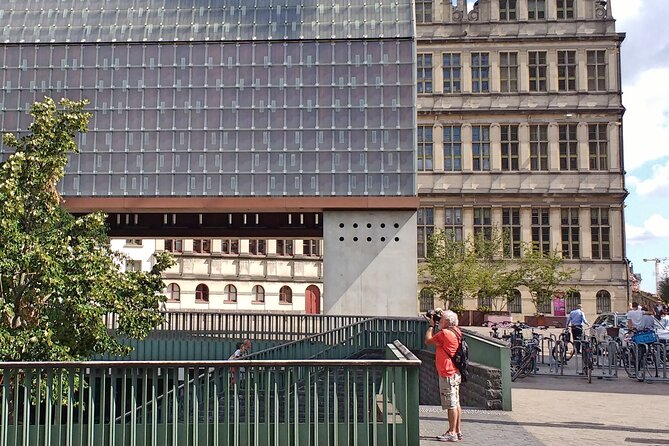
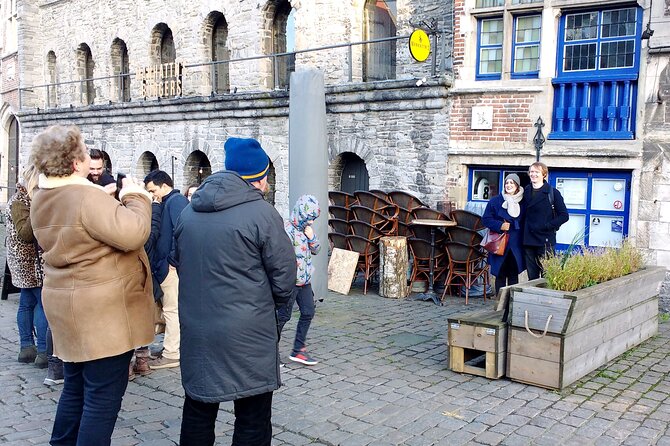
You begin at Vrijdagmarkt in central Ghent, near the Artevelde statue. This square works well as a first stop because it’s historical without feeling like a museum hall. The houses around the market square help you see the texture of the old city right away.
Your guide gives a quick introduction so you know what to expect, then you fan out into the surrounding streets. Expect short bursts of walking, a few photo stops, and a sense that the tour is building your mental map step by step.
Why this start matters: Friday Market areas are where you can sense Ghent’s mix of civic life and old-world architecture. Even if you’re only in town briefly, starting here keeps the rest of the walk logical instead of random.
Practical tip: plan for steady steps. The tour is designed for real walking—so start with shoes you trust.
Gravensteen Castle area and Patershol: medieval stories with local texture
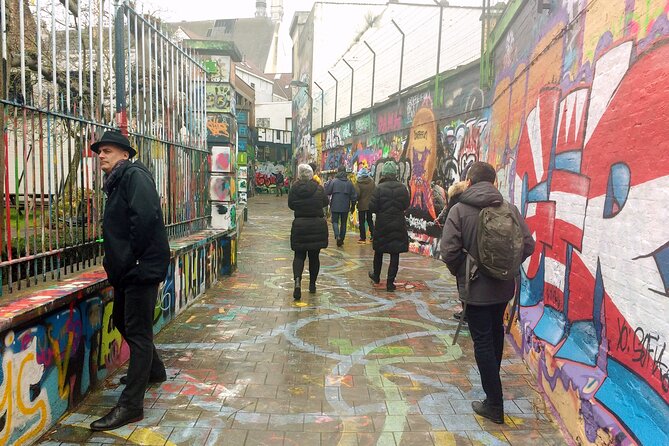
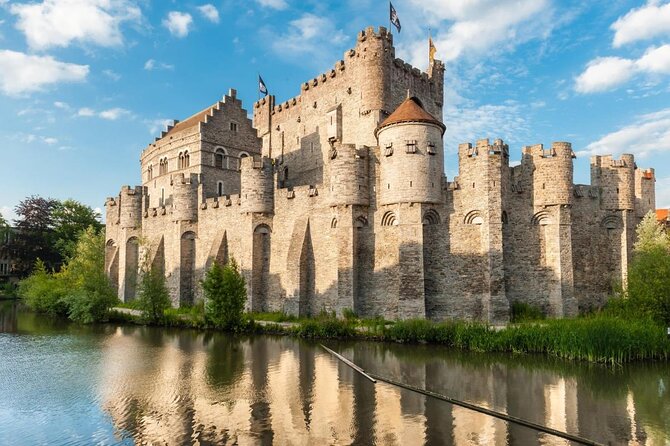
After Vrijdagmarkt, the route moves toward Gravensteen, the Castle of the Counts (often called Gravensteen). This is where Ghent’s medieval power story becomes physical. The castle is described as a medieval stronghold with plenty of stories behind it, and your guide takes you through the surrounding areas too—not just a quick photo and gone.
One of the most useful pieces here is Patershol. The tour brings you into that neighborhood because it helps connect the castle area to the everyday urban fabric of old Ghent. Think of it as moving from “who held power here?” to “how did people live nearby?” in a single walking arc.
This part is also where you’re likely to notice more modern-day changes layered on top of older lanes. The city is not frozen in time, and Ghent has enough character to keep your attention even when you’re between major sights.
Possible drawback: this is still a walking tour, so you won’t have time to wander endlessly inside every street you pass. If you’re hoping for a long, slow neighborhood amble, treat this as your orientation run—then come back later on your own for extra lingering.
The medieval towers stop: Saint Nicholas Church, Belfry, and Saint Bavo Cathedral together
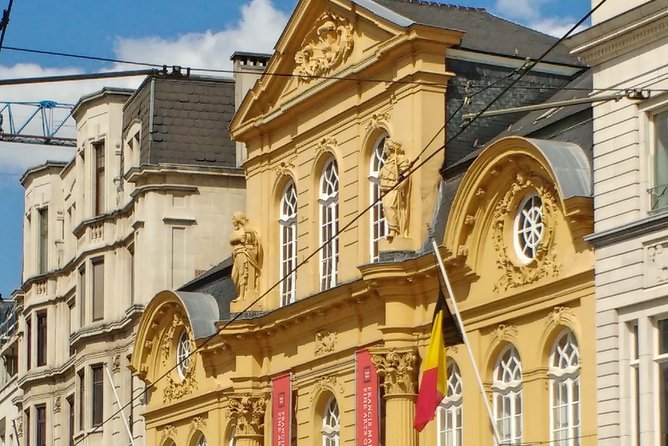
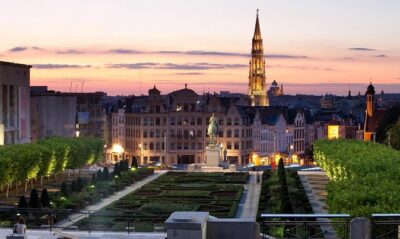
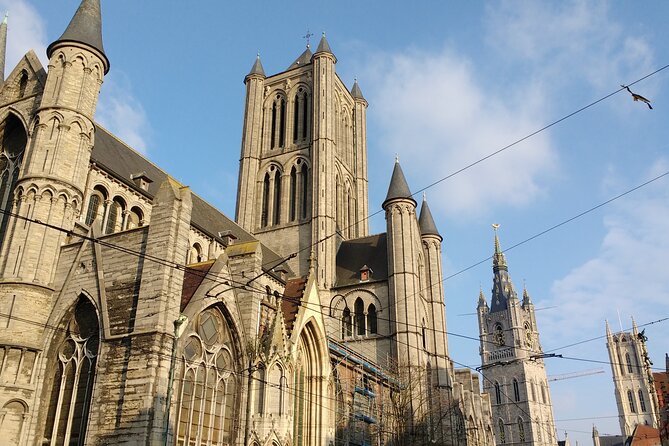
Next comes the Ghent Belfry area, where you get one of the best “recognize it instantly” sight-lines in town. You’ll see the Saint Nicolas Church, the Belfry, and the Saint Bavo Cathedral all at once—three medieval towers grouped so your camera work feels easy.
The Belfry is noted as one of the oldest in Belgium, and that matters because it turns the view into more than a pretty postcard. A guide can help you understand why this cluster became such a symbolic centerpiece for Ghent, rather than just three buildings you happened to pass.
What I like about this stop for first-timers: it gives you a mental bookmark. Once you’ve seen the towers together, you’ll start spotting related architectural patterns and civic significance all across the center as you wander after the tour.
Small practical note: bring your phone and charge-ready camera settings. Photo stops are part of the experience, but you’ll get the best results by being ready to shoot without digging out gear during the walk.
Graslei and Korenlei quays: where trade shaped today’s café lanes
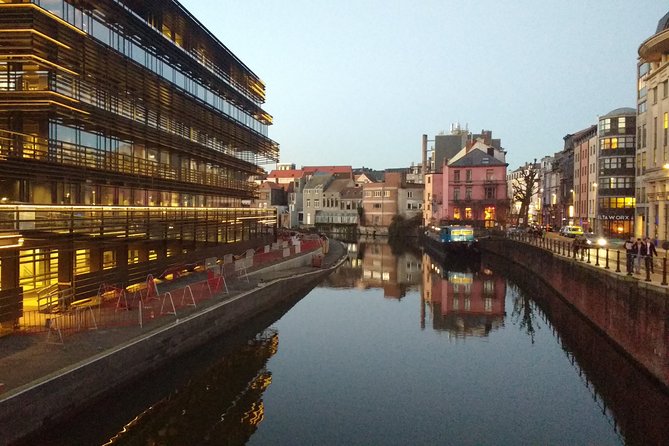
The walk finishes with Graslei and Korenlei, Ghent’s best-known quay area. In medieval times, this is where trade happened—so it’s not just scenic waterfront. It’s a historical engine that explains why the waterfront feels like the heart of the city center.
Today, the quays are a hotspot for cafes and restaurants. That shift—from commerce to leisure—helps you understand Ghent’s continuity: the geography stays, the use evolves, and the city keeps reinventing itself around the same place.
Why this stop is valuable: after seeing the market square and medieval fortress areas, the quays give you the “economic timeline” of the day. The route becomes a story: markets, power, then trade—then a modern pause where you can sit down and process what you just learned.
End-of-tour reality check: the tour ends in Ghent, and it might finish on a different side than you expect. Your choice is simple: walk back or use local bus or tram service.
You can also read our reviews of more city tours in Ghent





Small-group pacing, photo stops, and how to prepare
This is capped at 10 people, and that small number changes the whole feel. You get more interaction, and the guide can adjust the route when the group’s interests point in a different direction. That flexibility is especially useful if you have specific themes—architecture, medieval life, or just understanding how Ghent functions today.
The tour also includes stops for photos, which is good news if you’re trying to capture Ghent’s best angles. It also means you should schedule it as a main activity, not something to cram between two other commitments.
Here’s what I’d do to make it smooth:
- Wear shoes you can walk in for 5 km at an adult pace
- Bring water, because the tour timing is tight (about 1 hour 30 minutes to 1 hour 45 minutes)
- Have your camera or phone ready so the photo breaks don’t slow you down
Family note: kids can join, but they must keep up with the slowest adult. If you’re worried, ask about private options rather than hoping the pace will soften.
Price and value: what $67.10 gets you in Ghent
At $67.10 per person, this is not a cheap “free-walking” style activity. But it does offer several pieces that add value quickly: a local guide, a carefully planned route, and a focus on both historical landmarks and modern-day Ghent.
Small-group pricing is the big reason it costs more than generic city tours. With a cap of 10, you’re paying for a better experience shape: you’re not sharing your listening time with a crowd.
It’s also a time-saver. Ghent has enough streets and sight-lines that a self-guided day can turn into detours. This tour gets you from Vrijdagmarkt to the Gravensteen area, then into the tower cluster, and finally to the quays—so you’re not guessing which blocks connect best.
What you should keep in mind: transport is not included. If you’re arriving mid-day from another part of town, factor in how you’ll reach the start area.
Bottom line on value: if you want a fast, well-organized introduction that sets you up for the rest of your Ghent day, this price can feel fair.
Who should book this Ghent highlights tour (and who might not)
This tour fits best when you want structure without feeling trapped in a rigid itinerary. It’s a strong choice for:
- First-time Ghent visitors who want the main landmarks in a logical order
- People who like stories that connect places to how the city worked
- Anyone who enjoys street-level sightseeing, not just single-building stops
- Small groups that prefer a more personal guide experience
It may be less ideal if:
- You don’t want to walk around 5 km
- Your group needs lots of breaks or a slower pace
- You’re expecting the tour to include transport or paid admissions (transport isn’t included, and the tour description focuses on guided sightseeing)
Should you book this Ghent walking tour?
Yes, if you’re arriving in Ghent wanting to learn the city fast and you can handle a steady walking pace. The combo of Vrijdagmarkt, the Gravensteen area (with Patershol), the medieval towers view, and the quays gives you a clean understanding of Ghent’s geography and story arc.
If you’re on a tight schedule, this format is efficient. If you’re traveling with kids who might struggle with pace, ask about private options rather than hoping it’ll work out on the fly.
FAQ
How long is the Ghent walking tour?
It runs about 1 hour 30 minutes to 1 hour 45 minutes.
Where does the tour start?
It starts at Vrijdagmarkt, 9000 Gent, Belgium.
What’s the group size limit?
The maximum group size is 10 travelers.
Do I need to pay for entry tickets to the sights?
The tour description lists admission as free for places like Vrijdagmarkt and the quays area. Transport is not included, and any paid entries are not specifically listed as included for all landmarks, so expect you may have to handle admissions separately if you choose to enter paid sites.
How much walking should I expect?
You should be prepared to walk at least 5 km, with a pace set to the slowest adult.
Is the tour refundable if I cancel?
No. The experience is non-refundable and cannot be changed for any reason.