REVIEW · GHENT
Ghent Running and Sightseeing Tour
Book on GetYourGuide →Operated by Tours of Ghent · Bookable on GetYourGuide
Ghent looks totally different when you’re moving through it. This short run-and-sightseeing tour is built for an easy pace, with frequent stops so you’re learning as you go—right from the moment you meet at the Ghent Opera.
Two things I really like: the way you get landmarks plus beyond-the-guidebook spots, and the fact the guide actively manages the pace for the group (not a race, not a fitness test). One thing to consider is that it’s still a run/jog format, so it’s not a great fit if you have mobility limits, back issues, or you’re bringing little kids.
In This Review
- Key takeaways before you lace up
- A 45-minute leisurely run through Ghent’s best “first look”
- Starting at the Ghent Opera on Kouter: your morning orientation
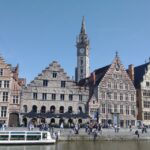
- Kouter to the medieval riverside: Korenlei and Graslei
- Portus Ganda and Ghent’s origin story—mapped as you move
- Graffiti Street and the fun photo stops
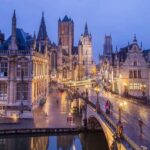
- The three Ghent towers: St. Bavo, the Belfry, and St. Nicholas
- How the route goes beyond a basic city-centre walk
- Price and value: why $53 can make sense for a 45-minute tour
- Who should book this (and who should skip it)
- Practical tips for a smooth run-sightseeing morning
- If you like stories with movement, book it
- FAQ
- FAQ
- Where is the meeting point?
- How long is the Ghent Running and Sightseeing Tour?
- What language is the tour guide speaking?
- Do I need to be very fit?
- What should I bring?
- Is the tour suitable for children?
- Is smoking or audio recording allowed?
- Can I cancel and get a refund?
- How much does it cost?
Key takeaways before you lace up
- 45 minutes, big orientation value: you get a feel for the city’s layout fast.
- A leisurely jog with pace adjustments so you don’t feel left behind.
- Kouter + World Expo connection gives you a quick, meaningful geography lesson.
- Medieval trade stops at Korenlei and Graslei help the waterfront make sense.
- Three tower highlights: St. Bavo Cathedral, the Ghent Belfry, and St. Nicholas Church.
- Photo opportunities at viewpoints and even along a graffiti-famous street.
A 45-minute leisurely run through Ghent’s best “first look”
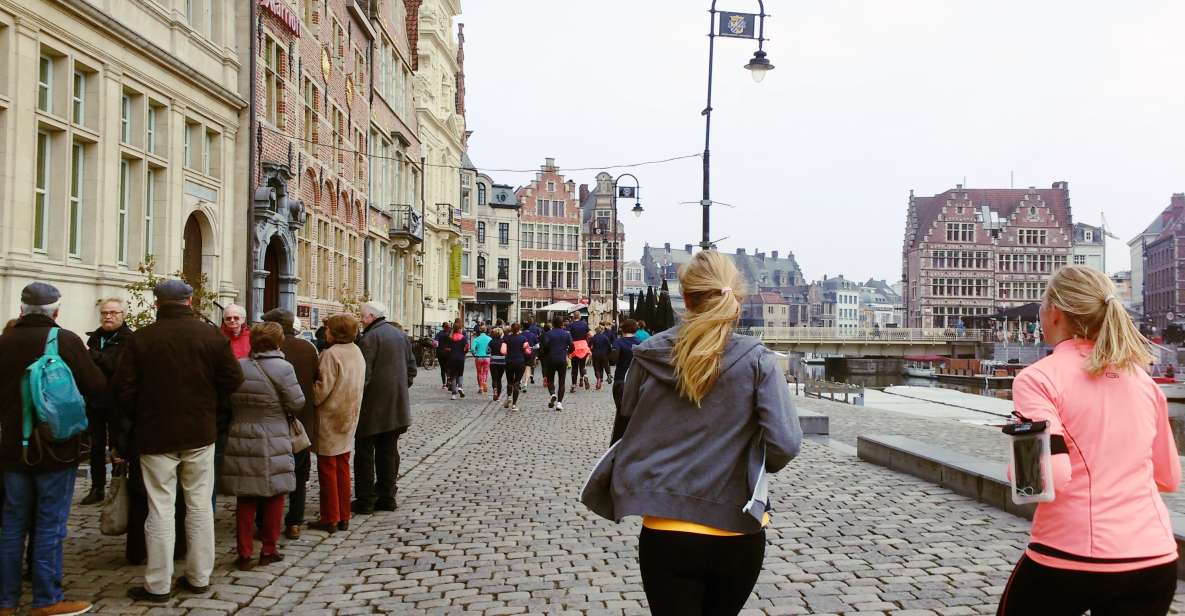
This isn’t a long hike and it isn’t a workout disguised as sightseeing. The whole idea is to see Ghent wake up while you cover more ground than you’d likely do on foot—especially compared to a basic centre-only walk.
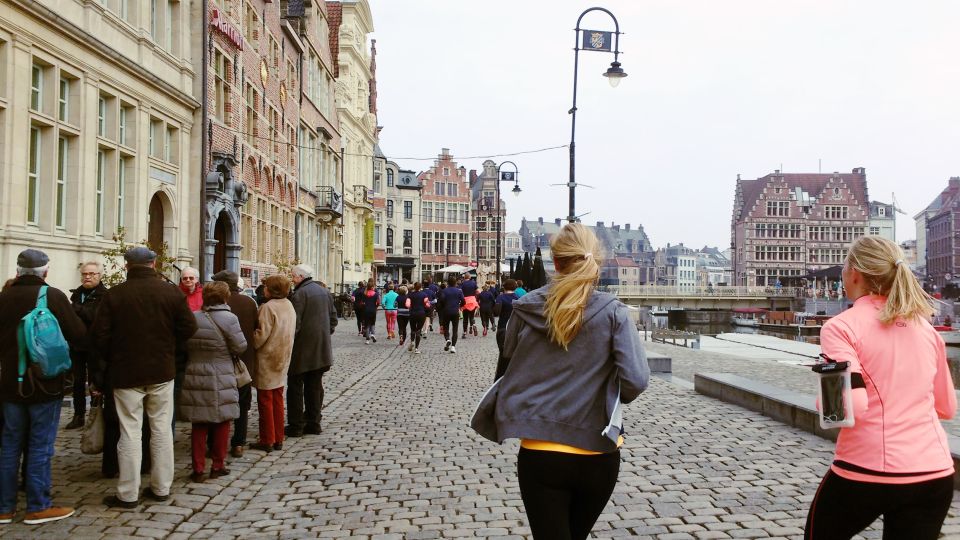
You’ll start with a brief warm-up and then transition into a comfortable jog. The pace is adjusted to your group, and the tour includes regular landmark stops, which matters because it turns a simple jog into a story you can follow. One review noted about 6 km covered, and that lines up with the short duration plus the repeated stops.
If you like your travel with structure, this is also a good format. You’re not wandering and guessing where to go next—you’re moving along a route with specific sights and explanations.
You can also read our reviews of more tours and experiences in Ghent.
Starting at the Ghent Opera on Kouter: your morning orientation
Your meeting point is outside the main entrance of the Ghent Opera. From there, you begin on Kouter, a big square that works well as a launchpad because it’s easy to find and it immediately sets the stage for the city.
You’ll do a short warm-up right away, which is helpful if you’d rather not arrive cold and instantly start sightseeing. Then the guide frames Kouter with context—especially how it connects to the World Expo. Even if you don’t know the details yet, this kind of quick link makes your later stops click. You start to notice that Ghent isn’t just old buildings; it’s layers of trade, planning, and cultural identity.
One practical tip: wear your sports shoes. You’re moving consistently, even with stops.
Kouter to the medieval riverside: Korenlei and Graslei
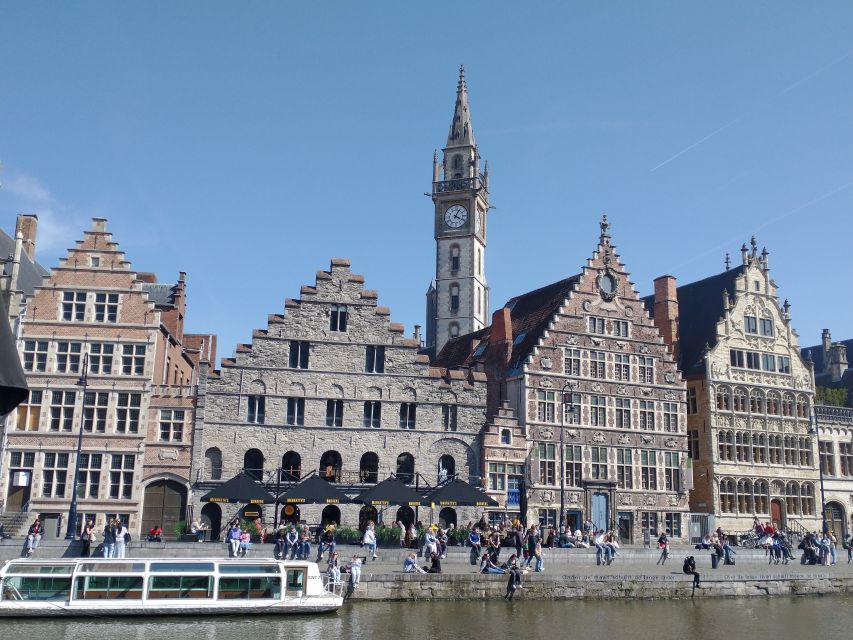
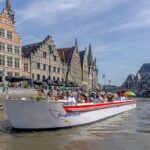
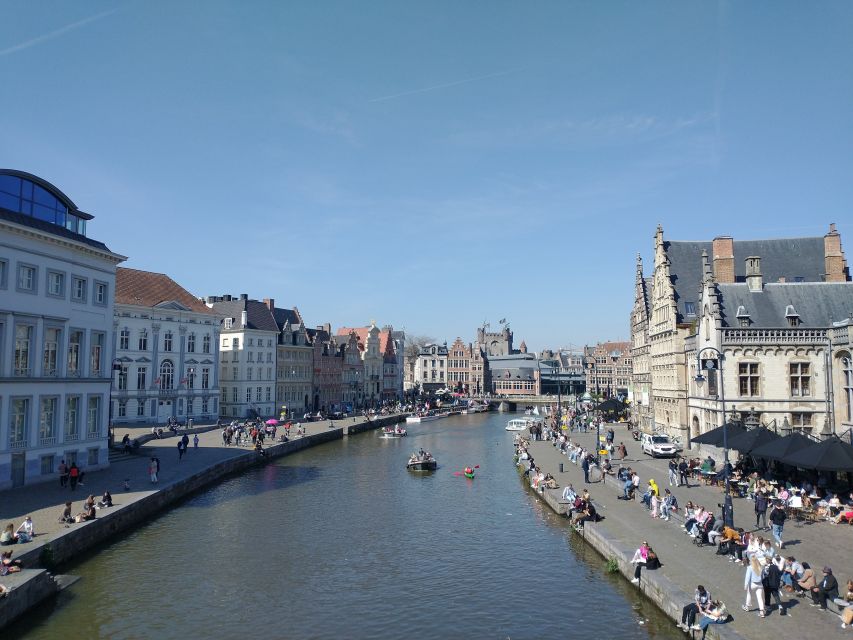
One of the strongest “you’ll get it fast” parts of this tour is how it treats the waterfront. You’ll make time for Korenlei and Graslei, and the guide explains the Middle Ages trade that happened there.
These are the kinds of stops where a view can look postcard-perfect—but without context it stays just a pretty scene. Here, you’re learning why that riverside mattered. It helps you understand what you’re seeing as you jog past: this wasn’t random architecture; it was tied to commerce and movement.
The running format also helps with perspective. You’re not stuck staring at one angle for too long. You get the waterfront’s rhythm as you move through the area, then pause when it counts for photos and history.
Portus Ganda and Ghent’s origin story—mapped as you move
Ghent’s beginnings can feel abstract until someone connects the dots for you. On this tour, you learn about Portus Ganda and how it correlates with the birth of Ghent.
Instead of treating history as a lecture, the guide ties the origin story to where you are on the route. That’s the key value here: the past becomes a navigation tool. You’re not just collecting facts; you’re building a mental map.
This is also where the tour’s “see more than the tourist books” approach shows up. You’re not only circling the most obvious postcards. You’re connecting landmarks to bigger ideas—origins, trade, and how the city grew.
Graffiti Street and the fun photo stops
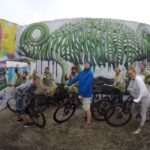
At some point, you’ll run through Graffiti Street, and you’ll make a stop for pictures. This is the playful side of the tour, the moment where the city feels less like a museum and more like a living place.
What I like about this section is that it breaks the usual rhythm. After cathedral towers and medieval waterfront context, the graffiti stop gives you texture—how people visually mark space, how modern identity sits next to older streets.
The tour also includes other photo opportunities, so you’re not stuck improvising where to pause. If you care about getting usable shots (not just blurry “we were there” images), this planning helps.


The three Ghent towers: St. Bavo, the Belfry, and St. Nicholas
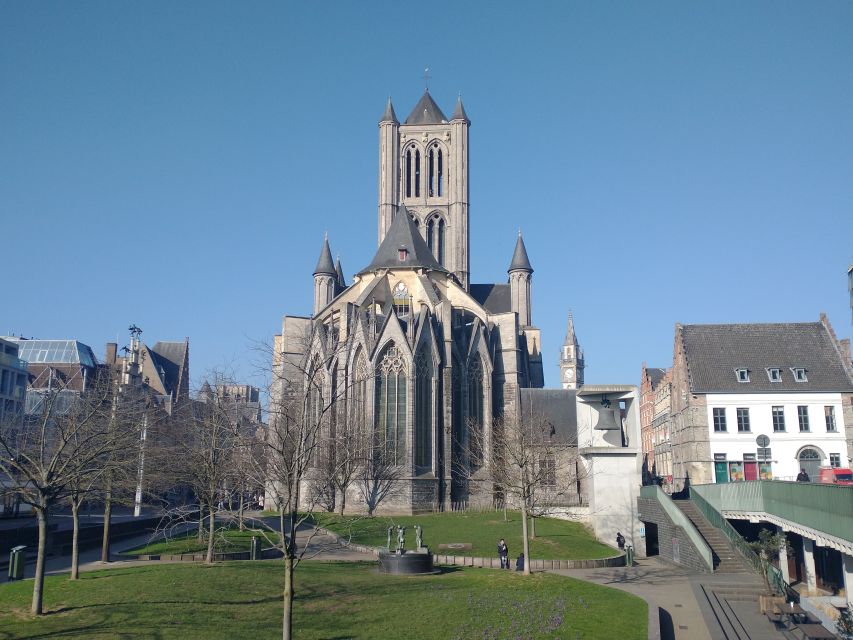
This is the part you’ll probably remember for the rest of your trip. You stop at three major tower landmarks: St. Bavo Cathedral, the Ghent Belfry, and St. Nicholas Church.
Towers can become “nice views” unless someone gives you the right context, and that’s exactly how this tour is set up. You’ll learn about the towers themselves and also how different parts of Ghent connect as a whole—because you’re moving through quarters, not hopping randomly.
Here’s the practical value for you: once you understand why these towers matter, it’s easier to spot them again later when you’re on your own. You start to read the skyline like a guidebook—minus the guidebook fatigue.
The tour also touches on why the Opera and the Handelsbeurs are important, so the “culture and trade” story stays connected even when the architecture changes. That’s what makes these stops more satisfying than a checklist.
How the route goes beyond a basic city-centre walk
A standard walking tour often stays inside the obvious area and calls it done. This one aims to show you what’s beyond what you’ll see in typical top-10 guides.
You’re getting multiple layers in a short time: a central square, medieval river trade points, a city-origin connection (Portus Ganda), a street marked by contemporary art, and then the tower cluster that anchors much of Ghent’s identity.
And because the tour includes regular stops, you don’t feel like you’re sprinting between photos. The guide uses the pace-and-stop rhythm to keep the story coherent, not chaotic.
Price and value: why $53 can make sense for a 45-minute tour
At $53 per person for about 45 minutes, you’re paying for three main things: a local guide, structured storytelling at key landmarks, and the ability to cover more than you’d cover on your own in the same time window.
If you try to DIY this, you can absolutely do parts of it—find the Opera, walk to the towers, see the waterfront. But you’ll likely miss the connective tissue: the World Expo link at Kouter, the medieval trade explanation at Korenlei/Graslei, and the way Portus Ganda is used to explain Ghent’s beginnings. That’s the difference between “seeing” and actually understanding what you’re seeing.
You’re also getting photo opportunities and a guide who can adapt the pace. One review specifically called out how accessible the pace felt and how perfectly it was adjusted to the group. In other words, you’re paying to avoid the classic problem of group tours: everyone else is moving faster than you’re comfortable with.
Who should book this (and who should skip it)
This works best if you’re comfortable jogging gently for a short period and you want city context without a full-day plan. You’ll probably enjoy it most if you like:
- a morning vibe and an active start
- learning history through a route, not a long static lecture
- photos at actual stops, not random roadside pauses
It’s not suitable for:
- pregnant women
- people with back problems
- people with mobility impairments
- children under 18
- people with pre-existing medical conditions
So don’t force it. If you’re in any of those categories, you’ll likely be pushing beyond what the tour is designed to handle.
Practical tips for a smooth run-sightseeing morning
Before you go, check the basics and you’ll feel better the minute you arrive. Bring:
- a passport or ID card (Belgium requires you to have it with you at all times)
- sports shoes
- sportswear
And two rules to keep in mind:
- No smoking
- No audio recording
Also, the tour doesn’t include snacks or a bottle of water. Water isn’t a luxury here—it’s just smart. If it’s warm, bring water with you.
For timing, the tour is about 45 minutes, so you’ll want to treat it like a fast starter to your day. Plan something relaxed right after, especially if you’re also planning longer walks later.
If you like stories with movement, book it
I’d recommend this tour if you want a fast way to understand Ghent’s layout and big themes—trade, culture, and origins—while still getting the “I’m out exploring” energy of being on the move. The best sign is that it’s designed for regular stops and pace adjustments, so you’re not locked into a strict speed.
I would skip it if you can’t handle a jog format or if you’re looking for a strictly sightseeing walk with zero running. This is a run with learning built in, not the other way around.
FAQ
FAQ
Where is the meeting point?
You meet outside the main entrance of the Ghent Opera.
How long is the Ghent Running and Sightseeing Tour?
The tour lasts 45 minutes.
What language is the tour guide speaking?
The live tour guide speaks English.
Do I need to be very fit?
No. It’s described as a leisurely run/jog, not a competition, and the guide adjusts pace to the group.
What should I bring?
Bring a passport or ID card, plus sports shoes and sportswear.
Is the tour suitable for children?
No. It is not suitable for children under 18.
Is smoking or audio recording allowed?
Smoking is not allowed, and audio recording is not allowed.
Can I cancel and get a refund?
Yes. You can cancel up to 24 hours in advance for a full refund.
How much does it cost?
It costs $53 per person.