REVIEW · BRUSSELS
Brussels: Museum of Illusions Entry Ticket
Book on GetYourGuide →Operated by Museum of Illusions Brussels · Bookable on GetYourGuide
Reality feels optional here—until you try the tricks. The Museum of Illusions Brussels is the biggest Museum of Illusions in Europe, packed with 60+ interactive optical illusions that mess with your eyes and your confidence. I especially like how the setup is hands-on, so you are not just watching, and how the experience naturally turns into great group photos without needing a tour-style script.
My other favorite part is the mix of playful games and brain-teasing puzzles. You get a clear, feel-it-in-your-body kind of learning experience where your brain has to keep up, and that makes it work for both adults and kids. One thing to consider: the experience is built for about an hour-long visit, so if you’re hoping for a long, slow museum day, this one may feel short.
In This Review
- Key Highlights You’ll Actually Care About
- What This Ticket Really Buys You in Brussels
- The 1-Hour Flow: How Your Visit Moves From Spot to Spot
- More Than 60 Optical Tricks: Why They Work (Even When You Know It’s a Trick)
- Photo-Friendly Stations That Don’t Feel Like Work
- Games and Brain Teasers: The Part Adults Usually Underestimate
- Staff, Support, and Getting Help With Your Visit
- Value for Money: Is $22 Worth It?
- Timing Tips: When This Works Best During Your Day
- Meeting Point and Voucher Exchange: Don’t Skip This Step
- What’s Included and What You Should Plan For
- Who Should Book This Experience?
- Should You Book the Museum of Illusions Brussels?
- FAQ
- How long is the Museum of Illusions visit?
- What is included with the ticket?
- Is food and drinks included?
- What is the price per person?
- Where do I need to go to start?
- What languages are available at the museum?
- Is the museum wheelchair accessible?
- Is there free cancellation?
- Can I reserve now and pay later?
- How long is the ticket valid?
Key Highlights You’ll Actually Care About
- 60+ interactive illusions that go beyond static displays
- About 1 hour for a focused, photo-friendly loop through the exhibits
- Brain games and puzzles that keep your group engaged
- Staff who help with photos, so you are not always stuck taking turns
- English, French, and Dutch support at the museum
What This Ticket Really Buys You in Brussels
The Museum of Illusions Brussels is an entry-ticket experience, and it is designed like a timed circuit rather than a full-day museum marathon. Your ticket is priced at about $22 per person, and you are looking at roughly a 1-hour visit packed with optical illusions, games, and puzzle-style challenges.
If you like attractions where you are actively part of the show, this is a good match. You walk in and your senses start filing objections. Straight lines look wrong. Motion feels suspicious. Your brain confidently labels what it sees, then the exhibit nudges it into second-guessing.
Also, because it is interactive, it is not the kind of place where you can quickly lose interest. Even if you are the skeptic in the group, you’ll still end up testing the illusion because the setup practically dares you to try. And because many stations are built for photos, you can turn it into a low-effort activity day that still feels like you did something memorable.
You can also read our reviews of more tours and experiences in Brussels

The 1-Hour Flow: How Your Visit Moves From Spot to Spot
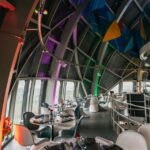
This experience is structured for a fast, fun route. You do not need to study maps for hours. Instead, you follow the exhibit flow at your own pace, sampling different illusion types, then circling back where something grabs you.
A practical way to think about it: you are doing three things in a loop.
First, you hit illusion stations where the main goal is visual trickery. Some are built around depth, perspective, or motion cues. Others rely on your expectations about what should happen. You will spend enough time at each station to feel your brain catch up, then you move on before the novelty wears off.
Second, you get pulled into the “try it” side of the museum. These are the exhibits where you pose, position yourself, or interact with elements in a way that changes what your camera captures. That is why the place is so popular for Instagrammable photos—the photo is part of the illusion, not just a souvenir.
Third, you use the games and puzzle areas to shake loose your competitive streak. The museum is not only about tricking your eyes. It also offers mind games and brain-teasing puzzles that feel different from the optical side. That mix is a big reason this works as a couple activity, a family activity, or an awkward rainy-day plan that saves your schedule.
More Than 60 Optical Tricks: Why They Work (Even When You Know It’s a Trick)
Optical illusions are only fun when the experience is clear enough to play along, but surprising enough to keep you guessing. Here, that balance is the point. The museum has more than 60 interactive illusions, and that number matters. It means you are not doing the same visual trick ten times. You see enough variety that your brain can’t settle into a single pattern.
A big theme is how the museum uses your assumptions against you. Your brain is always trying to make sense of incomplete information. Many illusion stations highlight that by making you commit to an interpretation, then presenting a result that conflicts with what you expected. The fun part is watching your confidence flip mid-session.
If you bring kids, this style of exhibit is especially effective because it turns learning into experimenting. You can talk through what you think will happen, then test the theory. If you are traveling with teens or adults who prefer puzzles over playful posing, the museum also gives you outlets for brain work. That keeps everyone from splitting off into separate activities.
One small heads-up: some illusions can make you feel a bit off if you are sensitive to motion cues or visual pattern tricks. That is not a dealbreaker, but it’s worth going at your own pace and taking short breaks when you need them.
Photo-Friendly Stations That Don’t Feel Like Work
A lot of attractions promise photos but deliver awkward angles and long lines. Here, the photo experience is part of the design. Many exhibits are clearly set up so that your group can line up, pose, and create an effect that looks surprising on camera.
What I like about this kind of museum is the social ease. You can do it as a duo, a family, or a group of friends without needing a photographer or a complicated plan. The staff also help people get photos, which makes a real difference when there are only two people and you do not want to spend the whole time taking turns.
If you want your pictures to come out well:
- Give yourself a few seconds longer than you think you need at each station.
- Use the first try to understand the angle, then do the second try with your group positioned.
- If you’re with a larger group, assign one person to manage the camera and one to handle timing, so you do not lose your spot while everyone shuffles.
This is one of those places where you leave with images you actually want to keep, not just proof you showed up.
Games and Brain Teasers: The Part Adults Usually Underestimate
The Museum of Illusions isn’t just an eye-candy place. There are brain-teasing puzzles and fun games that add variety beyond the visual tricks. This matters because it changes the pace. Optical illusions can make you feel like you’re performing, even when it’s fun. Games and puzzle stations let you reset mentally.
For adults, this is often the best part because it brings a clear challenge. You are using logic and pattern thinking, not just reacting to what you see. For kids, it keeps the energy up after the first round of shock.
Also, if you are traveling with a mixed group, puzzles can bridge the gap. Some people want to pose for photos. Others want a “real challenge.” Having both means you don’t end up negotiating where to spend time.
You can also read our reviews of more museum experiences in Brussels



Staff, Support, and Getting Help With Your Visit
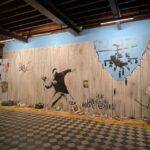
The museum experience is made easier by the staff. People consistently note that staff are friendly and helpful, including guiding you through how to follow the route and how to interact with stations.
One name that shows up in the experience: Hannah. It’s a small detail, but it signals something important: you are not left to figure everything out alone. If you have questions or you want help coordinating photos as a small group, you should find that support on-site.
Language coverage is also straightforward. The host or greeter is available in English, French, and Dutch, so it’s easy to ask clarifying questions even if your French is rusty or you’re more comfortable in English.
Value for Money: Is $22 Worth It?
At $22 per person, you’re paying for an experience that is compact, interactive, and photo-heavy. You are not paying for a long, self-guided museum with hours of reading and quiet rooms. You’re paying for a focused burst of activities that works for groups.
So the key value question becomes: do you enjoy interactive attractions where you do more than look?
If yes, the price makes sense because:
- The museum includes lots of stations, not just a few gimmicks.
- You get a hands-on circuit that is designed for about an hour.
- The result is not only fun but also tangible memories (photos you can actually use).
If you only like quiet exhibits or you prefer to spend half a day in one place, this may feel like a quick stop rather than the main event. In that case, treat it as a high-energy activity to balance your day, especially if the weather turns.
Timing Tips: When This Works Best During Your Day
Because the visit is about 1 hour, it fits into almost any Brussels plan. I like pairing it with another nearby activity so you’re not wasting time moving across the city just for one short attraction.
If you’re visiting on a day when you expect rain or cooler temperatures, this is a smart anchor stop. It gives you an indoor plan that doesn’t require deep planning or special gear.
Starting times depend on availability, so check when you book. And if you can, aim for a time when your group isn’t hungry or exhausted, because your attention matters when you’re trying to beat the illusion and enjoy the puzzles.
Meeting Point and Voucher Exchange: Don’t Skip This Step
There’s one logistics step you should handle before you start. You need to exchange your voucher at the ticket counter before the tour begins. That is the only required “pre-show” step mentioned, and it’s easy to miss if you arrive fast and assume scanning will happen automatically.
Plan a little buffer. This prevents you from standing around while everyone else is ready to go in and test the first illusion.
What’s Included and What You Should Plan For
Your ticket includes museum entry. Food and drinks are not included, so plan to grab a snack elsewhere if you need one. Since the visit is short, you probably won’t need a full meal during the exhibit, but you might want water on hand.
If your group tends to snack constantly (kids especially), it’s smart to eat before you go in or plan a post-visit break nearby.
Who Should Book This Experience?
This works best if you want:
- A short, interactive activity that is easy to manage
- Photo-friendly stations for groups
- A mix of optical illusions plus games and puzzles
- A plan that doesn’t require long museum reading time
It’s also a strong fit for families. Kids often love the hands-on elements, and parents tend to appreciate that there’s actual structure and variety rather than random rooms of displays.
If you’re traveling solo, it’s still fun, but you may spend a bit more time waiting for camera moments. Staff support with photos helps, but the interaction is clearly designed for groups.
Should You Book the Museum of Illusions Brussels?
Book it if you want a high-energy, low-planning experience and you like activities where you participate, not just observe. The ticket price lines up well with the time you spend, and the 60+ interactive illusions plus puzzles make it more than a one-note gimmick.
Skip it (or consider another option) if you’re looking for a long museum day, heavy historical exhibits, or a quiet, sit-down experience. This place is about motion, interaction, and photos, and it moves at a brisk pace.
If you’re deciding last-minute, here’s the simple test: if you and your group would enjoy laughing at how easily your brain can be fooled, you’ll likely have a great time.
FAQ
How long is the Museum of Illusions visit?
The experience is designed for about a 1-hour visit.
What is included with the ticket?
Your entry ticket to the Museum of Illusions Brussels is included.
Is food and drinks included?
No. Food and drinks are not included.
What is the price per person?
The price is listed as $22 per person.
Where do I need to go to start?
You must exchange your voucher at the ticket counter before the tour begins.
What languages are available at the museum?
The host or greeter is available in English, French, and Dutch.
Is the museum wheelchair accessible?
Yes, it is wheelchair accessible.
Is there free cancellation?
Yes. You can cancel up to 24 hours in advance for a full refund.
Can I reserve now and pay later?
Yes. There is a reserve now & pay later option, with pay nothing today.
How long is the ticket valid?
The ticket is valid for 1 day. You’ll want to check starting times based on availability.