REVIEW · BRUSSELS
Choco-Story: The Chocolate Museum in Brussels
Book on Viator →Operated by Choco-Story Brussels · Bookable on Viator
Chocolate and history in one ticket. That’s the basic idea behind Choco-Story Brussels, and it works because you get a praline demonstration right in the flow plus a self-paced museum with audio support as you wander. I especially like the way the tasting turns all that chocolate talk into something you can actually compare, and how the museum keeps the story moving from cocoa origins to Belgian chocolate. The one thing to watch: some electronics and audio bits can be spotty, so plan to enjoy it even if one or two interactive stations misbehave.
I also like the business-like focus here: this isn’t just posters and vibes. It’s built by two Belgian families, the Van Belle and Van Lierde, and it shows, with a format that feels like a guided experience even when you go at your own speed. If you’re short on time, the visit can feel like a history lesson first and a wow moment second, so choose your timing carefully.
In This Review
- Key Things to Know Before You Go
- Why Choco-Story Brussels Fits Perfectly into a Day in Town
- The Praline Demo: The Part People Actually Talk About
- Exhibition Rooms and Audio Help: How You’ll Experience the Chocolate Story
- Chocolate Tasting: What Included Means for Your Money
- Interactive Stations, Games, and the Optional VR Add-On
- Location, Timing, and the Reality of Crowded Rooms
- How the Price Feels When You Break Down What You Get
- Who Should Book Choco-Story and Who Might Prefer Something Else
- Should You Book Choco-Story Brussels?
- FAQ
- Is Choco-Story Brussels in English?
- How long does the visit take?
- What is included with the ticket price?
- Is a guide included?
- Is there a limit on how late you can enter?
- Do children need an adult?
- Is it easy to get to using public transportation?
Key Things to Know Before You Go
- Live pralines in front of you, followed by chocolate tasting while the story is fresh
- Audio/translation guidance that helps you understand what you’re seeing without reading every placard
- Tasting rounds that usually include dark and milk chocolate, with an extra tasting if you catch a demo
- Interactive games and tasting stations, though some devices may not work perfectly
- A compact 90-minute experience, with the museum closing for entry at 5:00pm
- Smaller on-site group size for the demo area (max 15), which can help the rooms feel less chaotic
Why Choco-Story Brussels Fits Perfectly into a Day in Town
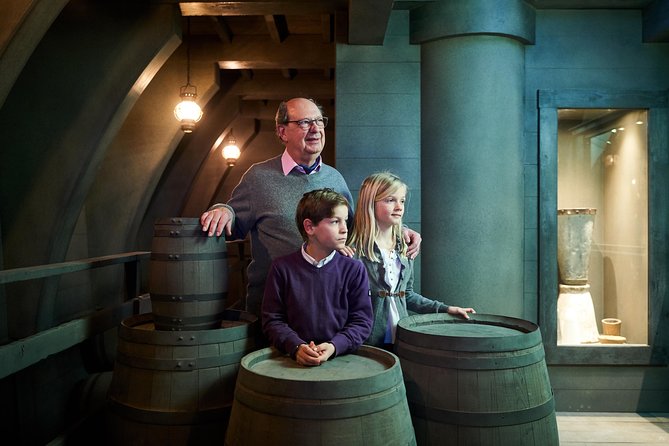
If you’re in Brussels and you want chocolate that’s more than just a souvenir, Choco-Story is a smart use of time. The whole experience is built around a simple promise: you’ll learn how chocolate became what it is today, and you’ll taste it while the explanation is still in your head.
The big win is the pacing. You’re not trapped in a rigid guided tour, and you’re not stuck in a slow museum crawl either. You can wander the exhibition rooms at your own speed, then line up for the master chocolate-maker’s demonstration when it fits your schedule.
Another reason it works so well for first-timers: it’s genuinely structured. The museum was created in May 2014 when the Van Belle and Van Lierde families united their efforts to promote quality Belgian chocolate. That family approach tends to show up as clear storytelling and a production-style demo, not a random collection of exhibits.
Is it perfect for everyone? No. If you’re chasing a hands-on workshop where you make everything yourself, this likely won’t fully satisfy. It’s more “watch and learn” than “do and cook,” even though there are interactive elements along the way.
You can also read our reviews of more museum experiences in Brussels

The Praline Demo: The Part People Actually Talk About
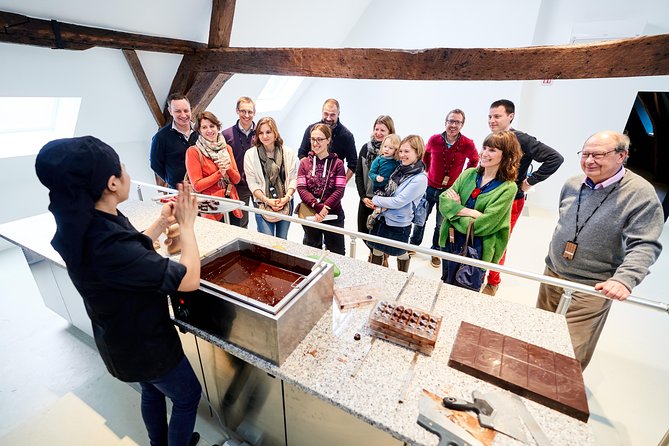
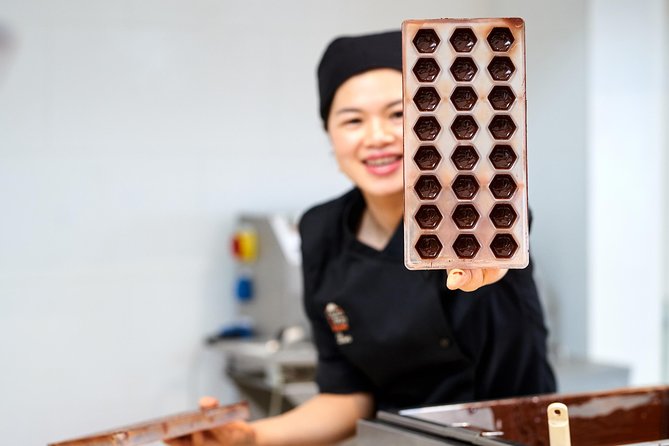
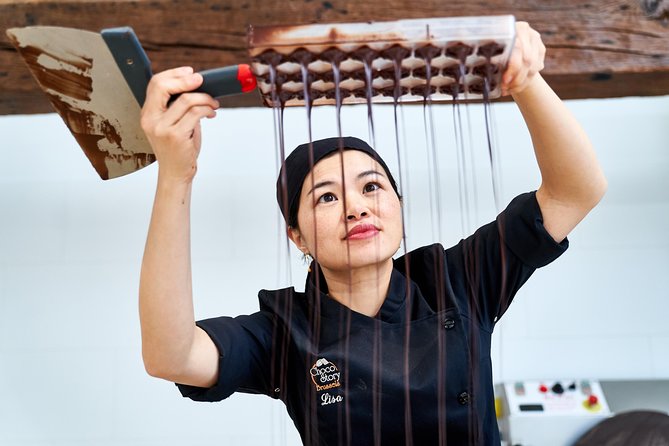
The star moment is the master chocolate-maker preparing pralines in front of you. This is the section that turns the museum from educational into sensory. You get to see the process up close, and then you get to taste what’s being discussed.
A few practical points make this easier:
- The demonstration appears to be relatively short. Some visitors describe the praline-making portion as about 10 minutes, often with a pre-made setup rather than starting from raw ingredients.
- The tasting usually comes with it. Many guests report two tastings as part of the standard flow (dark or milk chocolate), and a third tasting when they catch the demonstration.
- Timing matters. One common snag mentioned in reviews is that demo start times are fixed, and if you arrive too early or too late, you might miss most of it or only catch the tail end.
So my advice is simple: aim to be inside with enough slack to reach the demo area before it begins. If you want the full effect, don’t treat it like a quick stop you can squeeze in at the end of the day.
Exhibition Rooms and Audio Help: How You’ll Experience the Chocolate Story
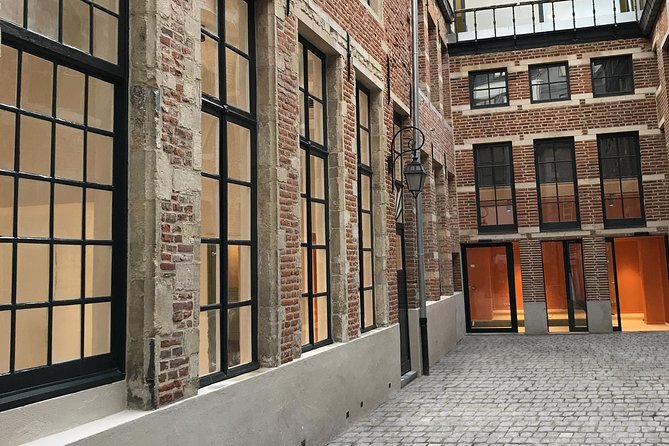
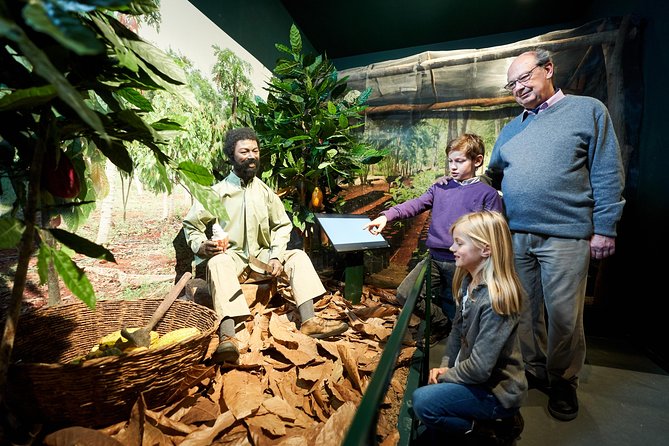
The museum layout is designed for self-guided wandering. You move through themed rooms that explain how chocolate developed over time, from cocoa’s origins to how it becomes the finished product people recognize.
What really changes the experience here is the audio/translation support. Reviews consistently highlight that the audio guide (often used as a translation device) can make the visit feel far more informative than a standard museum walk-through. When it’s working well, you’re not just staring at artifacts. You’re getting context.
At the same time, this is also where you might run into the main downside. Some visitors reported audio issues where parts of the museum worked better than others, and a few said interactive stations and placards didn’t function as expected. A couple people also found parts of the narration too long-winded, especially if you’re not in the mood for a lot of history.
Translation into real advice: keep your expectations flexible. If you enjoy learning the “why” behind chocolate—trade, history, how tastes and consumption shifted over time—you’ll likely feel rewarded. If you’re only interested in flavors and quick fun, you may want to skip lingering too long in the most history-heavy sections.
Chocolate Tasting: What Included Means for Your Money
Choco-Story includes chocolate tasting, and that matters because you’re not paying just to look. Tastings are where you can judge the education with your own palate.
From the information and the way guests describe it, here’s what you should plan for:
- You’ll typically get two tasting options, often described as dark or milk chocolate barrels.
- If you time your visit to include the live praline demo, you can get an additional tasting as part of that segment.
The key value point is comparison. Even when the museum is short, the tastings encourage you to notice differences: bitterness versus sweetness, texture, and how presentation affects perception. It’s a small thing, but it makes the experience feel less like a lecture and more like a chocolate lesson you can taste.
Also, don’t plan to leave hungry. Food and drinks aren’t included, so if you’re stacking this with other Brussels sightseeing, grab snacks elsewhere or plan a meal stop around it.
Interactive Stations, Games, and the Optional VR Add-On
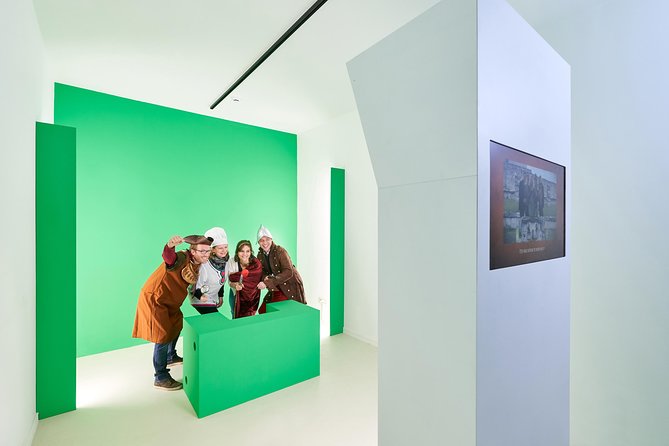
This museum isn’t purely static displays. There are interactive components and computer-driven activities meant to make the story stick. Many visitors appreciated the hands-on feel, including the idea that it’s not just read-and-walk.
That said, the interactive tech is also the place where frustrations pop up. Several reviews mention that games didn’t work correctly, scanners failed, or readers were hard to access in cramped areas. In other words: assume some electronics may be temperamental. That doesn’t ruin the core experience, but it can affect how much time you spend chasing fun features.
There’s also a virtual reality exhibit that some guests describe as optional and costing an extra 5 euro. If VR is your thing, it’s a nice add-on because it can make cocoa production feel more visual. If you’re not, you can ignore it and still have plenty to do with the main rooms and tastings.
You can also read our reviews of more tours and experiences in Brussels




Location, Timing, and the Reality of Crowded Rooms
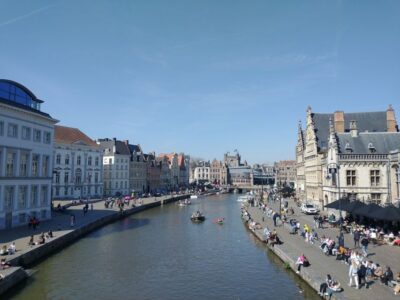
Choco-Story is near public transportation, and it’s easy to link with other central sights. One review notes it’s located near Grand Place, which is exactly the kind of placement that helps if you’re building a chocolate-and-city day.
Timing-wise, you do need to respect the day’s flow:
- The experience runs about 1 hour 30 minutes on average.
- Last entrance is 5:00pm, so you’ll want to start earlier if you’re doing it as your afternoon anchor.
Crowds are the other practical variable. Some guests mention that staff allow many people into the exhibition rooms at once, making the space feel cramped and making it harder to use certain stations. The good news is that the demo area is capped at a small number of travelers (max 15), which can help in the most important segment.
If you want a calmer experience, consider going later in the day when it can feel quieter for some visitors. If you’re traveling with kids or you’re pushing a stroller, plan for tight corners. Reviews say it’s stroller accessible, but still a bit snug.
How the Price Feels When You Break Down What You Get
At $19.17 per person for about 90 minutes, Choco-Story sits in the “solid value” zone for Brussels. The cost makes more sense when you look at what’s included: chocolate tasting plus a structured museum path and a live demonstration.
It also helps that English is offered. That reduces the risk of “I don’t know what I’m looking at.” The audio/translation guide is a big part of why people call it more informative than they expected.
What you don’t get is also clear:
- Food and drinks aren’t included.
- A guide isn’t included in the ticket price.
So you’re basically paying for the museum experience and tastings, plus the demo. That’s why it works best for people who like structured learning and don’t mind watching a professional chocolatier instead of doing everything themselves.
If you’re the type who wants a full-day chocolate factory tour with multiple workshops, it may feel a little short or “museum-like.” But if you want a reliable, central, not-too-long experience with tasting at the end, this price is easier to justify.
Who Should Book Choco-Story and Who Might Prefer Something Else
Choco-Story is a great match if:
- You want chocolate with context, not just chocolate bars
- You like learning through short stories and then confirming it with tastings
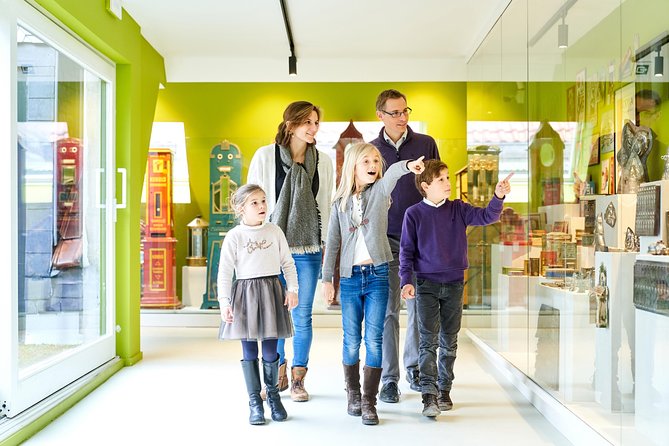
- You’re traveling with kids. Reviews describe it as child-friendly, with interactive moments that keep attention
- You enjoy a flexible format where you can go at your own pace rather than sticking to a group schedule
It might feel less satisfying if:
- You expected a longer, fully hands-on chocolate-making class
- You prefer museums with lots of open space and no crowds
- You hate history-based narration. Some guests found parts long-winded, and the museum can skew more educational than dramatic
Also, if you care about catching the live demo, plan your timing with care. Missing most of it changes the experience because tastings can be tied to that moment.
Should You Book Choco-Story Brussels?
Book it if you want an efficient, central chocolate experience where you learn something real and you leave with tastings that make the story concrete. It’s also a strong pick for mixed-age groups because it’s structured enough for adults and interactive enough for kids.
Skip or adjust expectations if your heart is set on hands-on chocolate making or if you’re expecting a long, high-production show. Choco-Story delivers a compact, educational museum plus a short live demo, and the quality of your experience will depend on timing and how well the audio and interactive stations are behaving that day.
FAQ
Is Choco-Story Brussels in English?
Yes. The experience is offered in English.
How long does the visit take?
It’s about 1 hour 30 minutes on average.
What is included with the ticket price?
Chocolate tasting is included.
Is a guide included?
No. A guide is not included.
Is there a limit on how late you can enter?
Yes. The last entrance time is 5:00pm.
Do children need an adult?
Yes. Children must be accompanied by an adult.
Is it easy to get to using public transportation?
Yes. It’s near public transportation.