REVIEW · BRUSSELS
Walking Tour with Degustation in the Heart of Brussels
Book on GetYourGuide →Operated by My Super Tour · Bookable on GetYourGuide
Belgium tastes better on foot. This 3-hour Brussels walk trades museum time for street-level food stories and major sights. You’ll start in the center, hit landmarks like the Grand-Place, and connect what you’re eating to where you are.
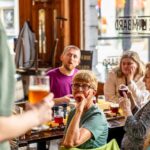
I really like the way the guide links recognizable Belgian cravings to the city around you. Two things I especially value: you get a food-and-drink tasting (with waffle noted as a highlight), and you also get architecture and art time—so you’re not just chasing snacks.
One consideration: it’s a walking tour and it’s not set up for wheelchair users. Bring comfortable shoes, and plan for weather by packing an umbrella and water.
In This Review
- Key things you’ll notice right away
- The idea: food, drink, and city stories in one 3-hour loop
- Meeting point in the center: Rue du Marché aux Herbes and the Karel Huls statue
- Saint-Hubert Royal Galleries: when food talk starts with art and architecture
- Toone: a shorter stop with longer context
- Grand-Place: the big square that anchors the rest of your tasting
- Rue de la Fourche: where the tasting energy turns real
- Place de la Bourse and Saint Nicholas Church: architecture for people who like explanations
- Pl. des Barricades 4: the kind of stop that makes the city feel personal
- Cathedral of St. Michael and St. Gudula: Gothic drama, with a Victor Hugo reference
- The Belgian menu you’ll hear about (and why it helps later)
- Price and value: is $82 for 3 hours fair?
- What to bring, and the pace reality check
- Should you book this Brussels walking tour?
- FAQ
- How long is the Walking Tour with Degustation in the Heart of Brussels?
- How much does the tour cost?
- Where do I meet the guide?
- What languages are available for the live guide?
- Is food and a drink included?
- Is this tour suitable for wheelchair users?
Key things you’ll notice right away
- A real tasting, not just a food lecture: one food and one drink included.
- Waffles get a spotlight: feedback points to the waffle tasting as a standout.
- Belgian classics get explained by street: you’ll hear the stories behind dishes like moules frites and carbonnade de la Flamand.
- Architecture and art stops are part of the point: Grand-Place, galleries, churches, and more.
- Trappist beer and traditional drinks: you’ll learn what makes monastic beer special.
- Guides matter: Julia and Juvi are specifically praised for excellent, clear guiding.
The idea: food, drink, and city stories in one 3-hour loop
This is a classic “walk-and-learn” Brussels experience, built around eating and drinking, but with enough structure to help you actually understand the city. Instead of bouncing between random viewpoints, you get a planned route that keeps returning to themes: what Belgians eat, what they drink, and how the city’s spaces shape daily life.
What makes this tour feel practical is the balance. You’re not stuck indoors with plates and labels. You’re outside with a local guide, so when you hear names like speculos or waterzooi, you can picture the neighborhood context as you move through it.
And because it’s only 3 hours, it works even if Brussels is a side stop in your bigger trip. You’ll leave with better instincts for ordering later—plus a stronger sense of where the city’s “center” actually is.
You can also read our reviews of more walking tours in Brussels
Meeting point in the center: Rue du Marché aux Herbes and the Karel Huls statue
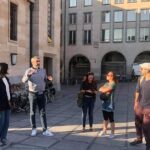
Your start is in central Brussels, at Rue du Marché aux Herbes. The guide meets you at a statue of Karel Huls, holding a yellow sign reading Bruxelles 15:15/My Super Tour.
I like meeting points that are concrete like this. It makes the start less stressful when you’re already navigating new streets. Still, do yourself a favor: arrive with enough time to find the sign and settle before walking starts.
Saint-Hubert Royal Galleries: when food talk starts with art and architecture
The tour heads to the Saint-Hubert Royal Galleries for about 30 minutes. This stop matters because it sets the tone: Brussels isn’t only about eating. It also has a strong visual identity, and the guide uses the city’s design to explain how Brussels grew into the place it is today.
For you, that means the food content doesn’t float around in isolation. You’re learning inside a cityscape—so it’s easier to connect names of dishes and drinks to real places. If you enjoy history, this kind of pause also helps you look slower, not just faster for photos.
A possible downside: galleries and interior spaces can be busy at certain times. If you’re sensitive to crowds, keep your pace steady and focus on what the guide is pointing out rather than trying to do your own walking tour parallel to the group.
Toone: a shorter stop with longer context
Next is Toone, with about 20 minutes set aside. This is one of those Brussels locations where the guide’s storytelling becomes the value. Even if you’re not there for a checklist attraction, you’ll get explanations that tie the stop to broader “how Brussels works” themes—so the stop doesn’t feel like a simple photo break.
This part of the tour is also useful if you’re traveling solo or with friends who want the same vibe: quick, meaningful, and guided. You don’t have to invent your own plan.
Grand-Place: the big square that anchors the rest of your tasting
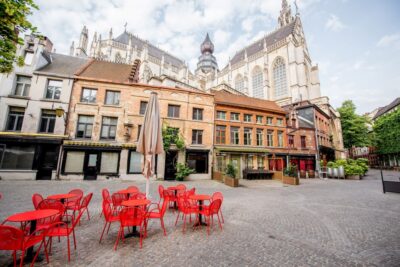
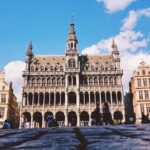
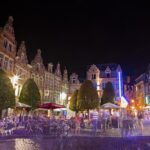
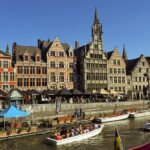
Then you reach the Grand-Place for about 40 minutes—one of the most beautiful squares in Europe. This is your visual anchor. Everything feels more vivid when you’re standing in a major public space like this, and it sets up the food and drink conversations that follow.
The best way to experience Grand-Place on a tour like this is to treat it as a reference point. When your guide later mentions “the heart” or explains how Brussels developed, you’ll have a mental map for it.
Also, keep an eye on your timing here. Forty minutes is enough to see and absorb, but not enough to wander off for extended breaks. If you tend to get distracted by side streets, stay with the group during the main viewing window.

Rue de la Fourche: where the tasting energy turns real
After the Grand-Place, you walk to Rue de la Fourche for about 30 minutes, focusing on local snacks.
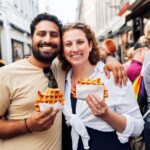
This is the moment where the tour’s promise starts to pay off in your stomach. The tour includes one tasting of food and a drink total across the experience, and feedback highlights that a waffle tasting can be a memorable part of it. If you love classic Belgian sweets and you’ve heard Brussels is serious about waffles, this is the stop where you’ll feel that reputation firsthand.
What you should do here: don’t overthink it. You’re on a guided route; the tasting is part of the story. Enjoy it, then listen to what the guide says about the broader menu of Belgian favorites you’ll hear throughout the tour, like pom cook and speculos.
If you’re the type who hates waiting for “group moments,” this is still manageable. The snack segment is long enough to feel like a break, but still short enough that you stay moving.
Place de la Bourse and Saint Nicholas Church: architecture for people who like explanations
Next come Place de la Bourse (around 30 minutes) and Saint Nicholas Church (around 10 minutes). These are shorter segments, but that’s often the point. In a 3-hour format, you don’t have time for long museum-style exploration—so you get “why it matters” instead.
This portion works well if you like learning what you’re looking at. The guide uses these stops to connect Brussels’ art-and-architecture theme with the city’s identity. And if you’re interested in murals in Brussels, this route also supports that angle with time spent on street art elements mentioned as part of the experience.
The consideration here is simple: churches and architectural stops can involve standing and looking. Wear shoes that don’t punish you, because you’ll want to stay comfortable through these viewing blocks.
Pl. des Barricades 4: the kind of stop that makes the city feel personal
You’ll also spend about 20 minutes at Pl. des Barricades 4. This is exactly the kind of “not-first-in-line” stop that makes a tour feel worth paying for. Big sights are great, but the small specific location stops are what help you learn Brussels beyond postcards.
Even without a long official “attraction pitch,” you’ll get guided context—stories you wouldn’t guess from just walking past. That’s valuable if you like destinations with character and don’t want to spend your trip only ticking off famous names.
If you’re the kind of traveler who prefers quiet, this stop can be a relief compared to the biggest squares. It’s a good moment to reset, listen closely, and keep your eyes open for what’s right in front of you.
Cathedral of St. Michael and St. Gudula: Gothic drama, with a Victor Hugo reference
Finally, the tour finishes back at the Cathedral of St. Michael and St. Gudula, with about 30 minutes there. This is a standout because the cathedral is described as the purest example of the Gothic style by Victor Hugo.
That matters, because it frames how you can look at the building. Gothic architecture is all about vertical lines and built ambition, and the guide’s explanation gives you a lens for noticing details instead of just admiring the exterior.
Also, this is a smart place to end. You’re tying together your whole trip: earlier stops gave you street-level food culture and city storytelling, and now you close with a major architectural landmark that gives Brussels a sense of scale.
Practical note: plan for photos, but don’t let it cut into the guided time. You’ll get more from the stop when you listen for the key points before wandering on your own a bit.
The Belgian menu you’ll hear about (and why it helps later)
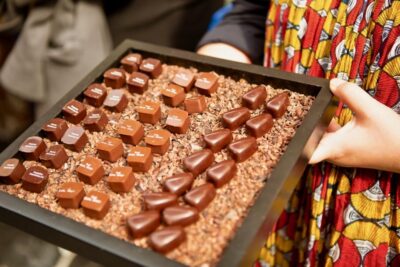
Throughout the walk, you’ll hear about Belgian staples like chocolate, waffles, French fries, and beer. You’ll also get the names and histories of more specific national classics, including moules frites, cuberdon, speculos, pom cook, waterzooi, and carbonnade de la Flamand.
This matters because “knowing the names” is half the battle when you’re ordering in Brussels. Once you’ve heard how these dishes fit into local taste, you’ll feel more confident reading menus later—even if you don’t memorize everything.
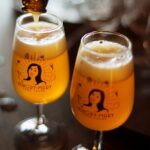
And then there’s the drinks portion: the tour focuses on traditional beverages and monastic Trappist beer. Even if you don’t end up buying extra drinks on your own, you’ll leave with better context for what Trappist beer means and why people in Belgium treat it like a cultural product, not just an alcoholic beverage.
If you’re a beer fan, this is one of the clearest parts of the route’s theme.
Price and value: is $82 for 3 hours fair?
At $82 per person for a 3-hour guided walking tour, you’re paying for three things: expert local guiding, structured time in major central sights, and one included tasting (one food plus one drink).
For value, the key question is whether the guide makes the sights and food names click. The feedback strongly points to excellent guiding—specifically calling out Julia and Juvi as standout guides. When guidance is strong, $82 stops feeling like “pay to walk” and starts feeling like “pay to understand.”
Also, one tasting doesn’t sound like much on paper, but it’s common for food walks. The tour’s strategy isn’t to feed you all afternoon; it’s to give you a taste and then teach you how to order and what to look for next.
If you’re the type who loves architecture and stories but also wants to eat something meaningful, this price makes more sense than a pure sight-seeing walk. If your main goal is to leave stuffed, you might need to plan a follow-up meal after.
What to bring, and the pace reality check
This is an outdoor walking experience, so show up ready.
Bring:
- Comfortable shoes
- An umbrella
- Water
The tour isn’t suitable for wheelchair users, so mobility matters. If you can handle uneven sidewalks and steady walking for a few hours, you’re in the right zone.
Language note: the live guide operates in English and Russian. If you’re traveling with someone who prefers one of those, it’s helpful to align expectations before you go.
Should you book this Brussels walking tour?
Book it if you want Brussels in a single, guided package: central landmarks, architecture and art stops, plus a real food-and-drink tasting tied to classic Belgian dishes and traditional drinks. I’d especially recommend it if you like the idea of leaving with better ordering instincts—so your next waffle, beer, or bowl of moules frites isn’t just a random choice.
Skip it if you hate walking, or if you want a longer, more food-heavy experience with lots of tastings beyond the single included food-and-drink stop.
FAQ
How long is the Walking Tour with Degustation in the Heart of Brussels?
It lasts 3 hours.
How much does the tour cost?
The price is $82 per person.
Where do I meet the guide?
Meet at the statue of Karel Huls, and look for the yellow sign: Bruxelles 15:15/My Super Tour.
What languages are available for the live guide?
The tour is guided in English and Russian.
Is food and a drink included?
Yes. The tour includes one tasting of food and a drink.
Is this tour suitable for wheelchair users?
No, it is not suitable for wheelchair users.
If you want, tell me your travel dates and whether you prefer English or Russian, and I’ll help you plan what to eat afterward so you build on the tour tasting.