REVIEW · BRUSSELS
Historic Ypres WWI Sites – Tour from Brussels
Book on Viator →Operated by History Wolf Tours · Bookable on Viator
A day in the Ypres Salient leaves an imprint. This tour links the big-name memorials with smaller sites where you can actually picture what happened, guided by a historian who keeps the story grounded. I especially like the mix of museums and real trench ground and the way the guide works the day around what you want to focus on. One thing to consider: it is a long day (about 7 to 10 hours) with early start time and plenty of walking, so comfy shoes matter.
I also like that you get lunch plus snacks and soda/pop, so you can spend your mental energy on the history instead of hunting for food. The pace gives you meaningful time inside each stop, including major memorial moments like Menin Gate. If you’re planning a camera-heavy day, bring a bit of patience too—some stops are quiet, somber, and you’ll want to absorb instead of rush.
In This Review
- Key Things You’ll Remember About This WWI Tour
- How the Ieper Salient Tells WWI in a Way Museums Alone Can’t
- The 8:00 a.m. Brussels Start and How to Think About the Day’s Timing
- Hooge Crater Museum: Life-Size Battle Scenes That Make the Weapons Make Sense
- Hill 62 and Sanctuary Wood: Why Preserved Trenches Are More Than Just Photos
- Menin Gate Memorial: The Missing, the Names, and the Last Post at 8 p.m.
- Ypres (Ieper) Walk + Cloth Hall Museum and Belfry Views
- Passchendaele Museum: Dugouts and Trenches That Teach Daily Life
- Tyne Cot Cemetery: The Largest Commonwealth Cemetery by Burials
- What’s Included (and What You Should Bring for Comfort)
- Price and Value: When $701.35 Starts to Make Sense
- Who This Tour Fits Best (and Who Might Want Something Else)
- Should You Book This Historic Ypres WWI Sites Tour from Brussels?
- FAQ
- How long is the Historic Ypres WWI Sites tour from Brussels?
- What time does the tour start?
- Is pickup available?
- What’s included in the price?
- Are admission tickets included?
- Is alcohol included?
- What is the minimum age for this tour?
- Can I cancel for a full refund?
Key Things You’ll Remember About This WWI Tour
- Historian-led explanations at every stop, with time for your questions
- Hooge Crater Museum with life-size battle reconstructions and a big weapons/equipment focus
- Sanctuary Wood and Hill 62 with some of the Western Front’s best-preserved trenches
- Menin Gate Memorial and the significance of the daily Last Post at 8 p.m.
- Tyne Cot Cemetery as the largest Commonwealth WWI cemetery by number of burials
- Lunch, snacks, and drinks included, so the day runs smoothly
How the Ieper Salient Tells WWI in a Way Museums Alone Can’t
The Ieper (Ypres) area is famous for WWI for a reason: you’re not just looking at artifacts, you’re seeing the ground where the fighting shaped everything that came later. I like tours that connect the dots between what you learn in a museum and what you recognize on-site, and this one does that.
You’ll move through a sequence of places that each explain a different angle of the war. Some stops focus on the hardware and battlefield scenes, others on the people who never returned, and others on how the landscape of trenches stayed visible enough to learn from today.
A bonus for your comfort: the tour runs from Brussels with an air-conditioned vehicle, and you’re not left juggling tickets and schedules on your own. Just plan for a full day, because the emotional weight of these sites doesn’t disappear when you’re back on the bus.
You can also read our reviews of more historical tours in Brussels

The 8:00 a.m. Brussels Start and How to Think About the Day’s Timing
The day begins at 8:00 am, so you’ll want to eat a real breakfast before you leave home. The route is built to cover multiple museums and memorials in one go, which means you’ll be thinking in “short visit, strong impact” blocks.
It’s about 7 to 10 hours total, and that range matters when you’re planning your day in Brussels. You’ll also want to keep your expectations realistic: even with good time management, you’re not going to linger for hours like you might on a solo day trip.
The tour is described as a private experience for your group only, with group discounts available. That’s a nice setup if you want the guide to slow down for specific interests (or skip something you don’t care about), because the day isn’t designed as a one-size-fits-all production line.
Hooge Crater Museum: Life-Size Battle Scenes That Make the Weapons Make Sense
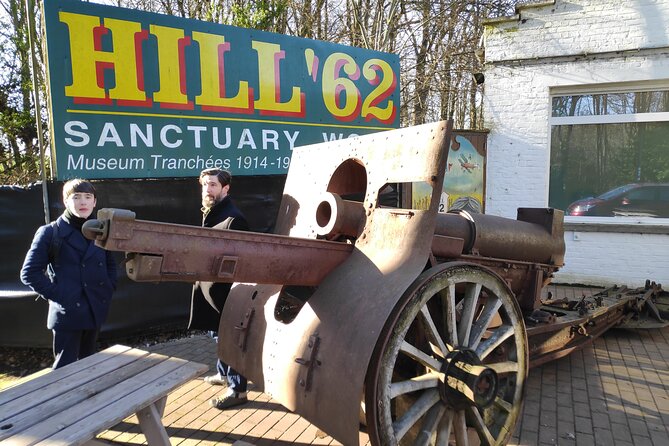
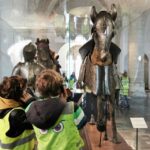
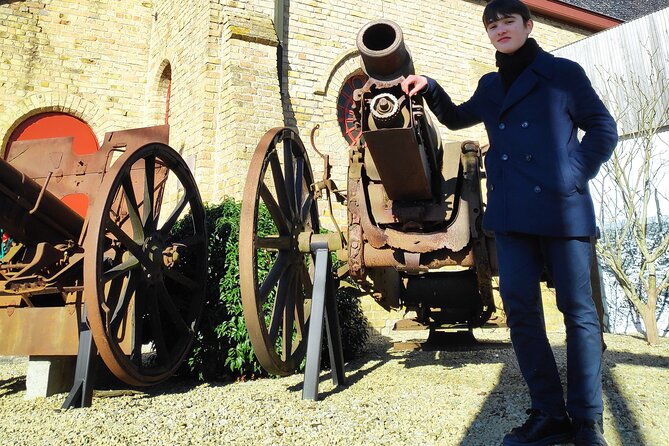
Hooge Crater Museum is one of those places where the setting does half the teaching. It uses life-size reconstructions of WWI battle scenes alongside an extensive collection of weapons, equipment, and photographs.
What I like about this stop is how it helps you connect scale. If you’ve seen museum items before, you may understand them as objects. Here, you’re shown the battlefield context so those objects feel like tools used inside a specific kind of day—foggy, chaotic, and painfully close.
You’ll get around 30 minutes here, and admission is included. That’s enough time to catch the main reconstructions and to ask targeted questions while you’re still “in the story,” especially since the historian will be there to answer what you notice.
One practical note: this museum scene-setting can pull you in. If you’re the type who needs a break from graphic detail, bring a calm strategy—take short pauses, focus on the equipment first, and decide how much of the scene you want to linger on.
Hill 62 and Sanctuary Wood: Why Preserved Trenches Are More Than Just Photos
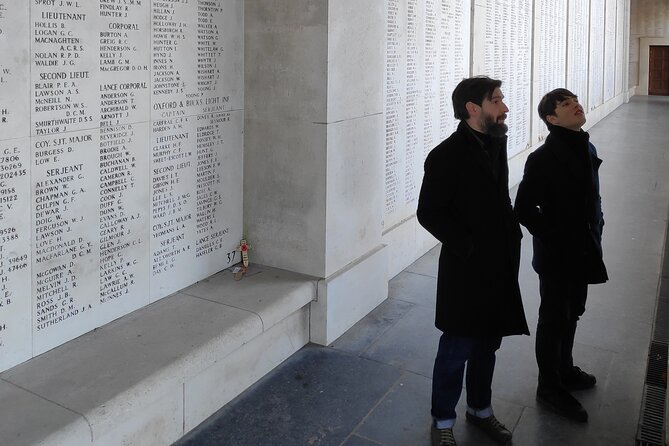
Sanctuary Wood, tied to Hill 62, is where the tour shifts from exhibits to something more visceral: the preserved trench system itself. The name Sanctuary Wood comes from its use as a kind of waiting place for stragglers trying to rejoin their units, and the landowners enclosed the trench lines and dugouts early enough that the area could become a destination for pilgrims and tourists.
Today, Sanctuary Wood is considered one of the best-preserved trench areas on the Western Front. That matters because WWI often gets reduced to dates and headlines, but trenches teach you about movement, cover, and how brutal logistics were.
This stop includes about 45 minutes, with admission included. You’ll also see museum content with 3D stereoscopic photographs of graphic scenes taken during the war. If you’re curious about how technology influenced what people could perceive back then, this kind of presentation is worth your time.
Menin Gate Memorial: The Missing, the Names, and the Last Post at 8 p.m.
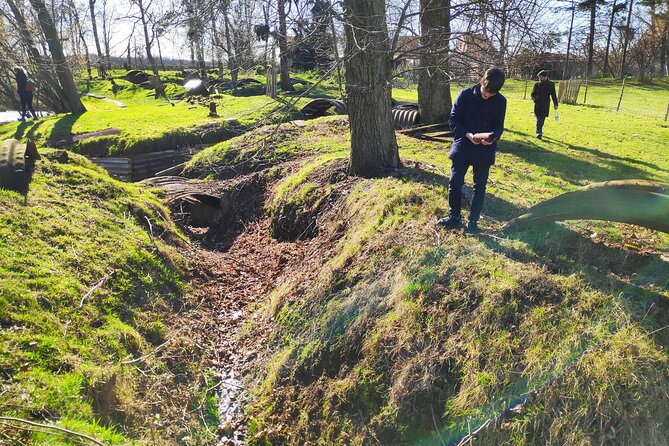
At Menin Gate, the scale hits quickly. The memorial is a symbol of WWI, and inside you’ll find the names of some 55,000 Commonwealth soldiers reported missing before Aug. 15, 1917.
What makes this stop especially powerful is that it is not just about memory in the abstract. You’re looking at the human cost through names, and the guide can help you understand what “missing” really meant in a war where bodies didn’t always get recovered or identified.
Admission is included, and the visit is about 30 minutes. The Menin Gate also has a daily tradition: every evening at 8:00 p.m. sharp, the Last Post resounds under the gate. The tour is scheduled for a full day from Brussels, so you may or may not line up exactly with that moment depending on the day’s timing—but Menin Gate is still the place to understand why people show up for it.
Practical tip: dress for the mood. Even if the day is sunny, the area has a solemn atmosphere, and you’ll enjoy it more if you’re ready for quiet time with your thoughts and your camera switched to respectful use.






Ypres (Ieper) Walk + Cloth Hall Museum and Belfry Views
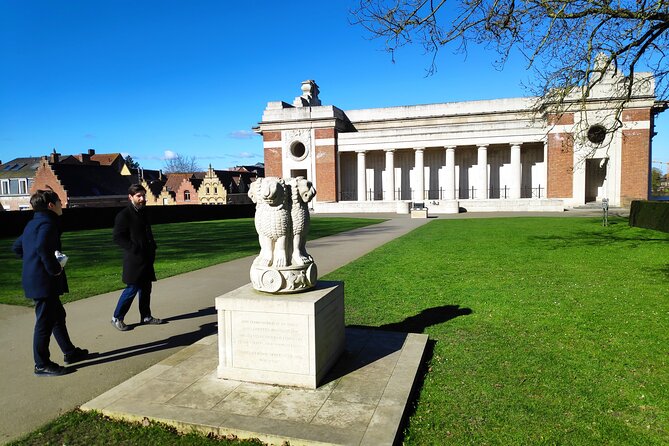
Between memorials and battlefield sites, the tour gives you time to breathe and connect to the town itself. In Ieper (Ypres), you’ll walk around for souvenirs and then have lunch.
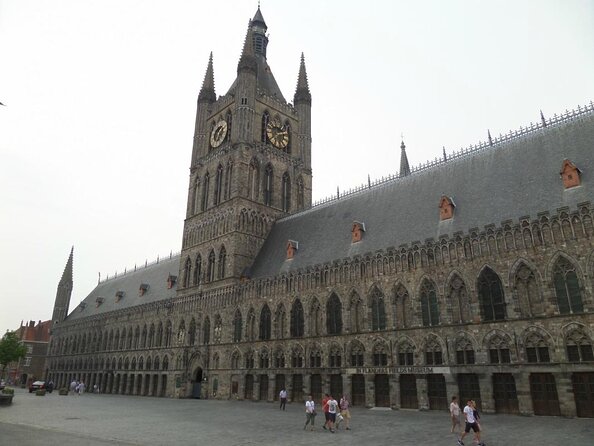
After lunch, you’ll visit the In Flanders Fields Museum, located in the rebuilt Cloth Hall. That building matters because it symbolizes wartime hardship and later recovery, so you’re not just learning what happened—you’re seeing how the city rebuilt itself around remembrance.
The museum tells the story of the First World War in the West Flanders front region and uses the contemporary landscape as one of the last tangible witnesses of the war history. If you climb the restored Belfry, you’ll get views over the city and surrounding battlefields, which helps you understand why this area was so strategically contested.
This stop is about 1 hour 30 minutes, with admission included. I like this timing because you’ve seen enough sites by then to recognize patterns. After the museums and trenches, the view turns into a study tool, not just a pretty panorama.
Passchendaele Museum: Dugouts and Trenches That Teach Daily Life
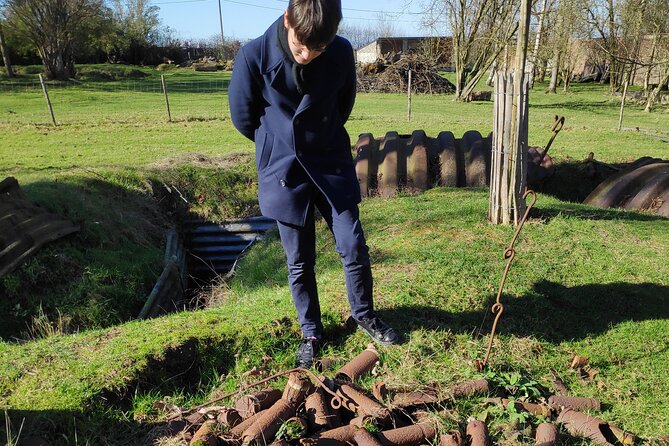
The Passchendaele Museum focuses on what the war felt like on the ground: the day-to-day world of soldiers. You’ll experience this through dugout and trench settings, plus objects used to walk you through the Battle of Passchendaele.
This is one of the stops where the guide’s explanation can really matter. When you’re in a trench setting, it’s easy to misread scale or forget how cramped, tense, and exhausting it was. A historian guide can help you interpret what you’re seeing without turning it into a lecture you can’t process.
You’ll get about 1 hour 45 minutes here, with admission included. That’s a longer block than some museums, and it’s probably because the setting needs time for your brain to catch up to the environment.
One consideration: this part of the day can feel intense, especially if you’ve already taken in reconstructions and preserved trenches earlier. Plan to pace yourself. If you need a reset, use the transition moments—walk back outside, breathe, then come back to the next section with fresh attention.
Tyne Cot Cemetery: The Largest Commonwealth Cemetery by Burials
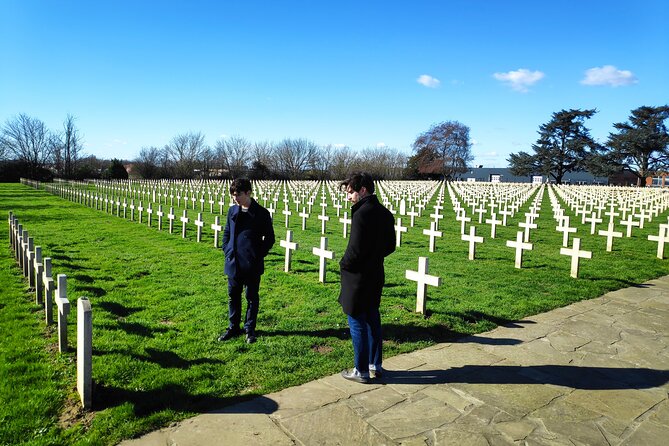
If you want one place where WWI becomes impossible to reduce to statistics, go to Tyne Cot Cemetery. It’s the largest Commonwealth war cemetery in the world in terms of burials, with 11,961 Commonwealth servicemen of the First World War buried or commemorated there.
Tyne Cot also includes the Tyne Cot Memorial, which forms the north-eastern boundary and commemorates nearly 35,000 servicemen from the UK and New Zealand who died in the Ypres Salient. That combination—burials plus remembrance for those without recovered graves—helps you understand why memorials often feel both complete and incomplete at the same time.
You’ll have about 1 hour here, with admission included. Take your time. The value of a cemetery visit isn’t speed; it’s letting names, dates, and spacing do their work.
If you’re bringing a camera, I’d treat this as a personal moment first. You can take photos, but you’ll get more out of the visit if you also put the camera away for a few minutes and just read.
What’s Included (and What You Should Bring for Comfort)
This tour is designed to keep the logistics simple. You’ll have lunch, snacks, and soda/pop included, plus an air-conditioned vehicle, and all fees and taxes are taken care of.
Alcoholic beverages are not included, so if that’s part of your usual travel rhythm, you’ll want to plan otherwise. Tips and gratuities for staff are also not included, which is typical, but it’s worth keeping in mind so it doesn’t surprise you at the end.
The guide encourages you to bring a camera and wear comfortable hiking shoes. That’s not just for comfort—it’s because you’ll be moving through a mix of museum floors, outdoor areas, and memorial grounds.
Also, there’s a minimum age of 16, so it’s a serious adult-oriented day. If you’re traveling as a family with teens, it can still be a strong educational outing, but you’ll want to prepare them for the emotional tone.
Price and Value: When $701.35 Starts to Make Sense
The price shown is $701.35 per person, and the big question is value. For me, this works out best when you add up what you’re actually getting: historian-guided interpretation across multiple major sites, transport from Brussels, included admissions at most stops, and a full day of food included.
Many tours that look similar charge extra for tickets and meals, so I like that lunch and snacks are covered. It reduces the need to improvise while you’re in a town that’s focused on remembrance more than convenience shopping.
You also get flexibility from the guide approach. In particular, I’ve seen this kind of tour succeed when the historian takes time to learn what you care about and adjusts explanations accordingly. That’s a big quality-of-experience factor, and it’s where you start feeling the difference between a “bus tour” and a guided learning day.
The one drawback on the price is simple: it’s not cheap. If you’re a solo traveler, this is less of a budget day. If you’re traveling as a couple or a small group, the value usually feels better because the private format lets the guide work with your pace rather than rushing you through fixed photo stops.
Who This Tour Fits Best (and Who Might Want Something Else)
This is a great fit if you want WWI history explained by a historian and you care about understanding why sites matter, not just ticking boxes. It’s also a good match if you’re interested in the political and economic context around the war, because the guide’s conversation style can connect those dots during the day.
It’s also ideal if you like a structured route. You’ll move between Hooge Crater, Sanctuary Wood/Hill 62, Menin Gate, Ieper’s museums, Passchendaele, and Tyne Cot in one coordinated sweep, without scrambling for timed entries.
If you dislike long days or don’t handle emotionally heavy topics well, this might feel like too much in one go. The day includes memorial spaces and war artifacts that aren’t designed for casual browsing.
Also, since it’s only your group participating, it’s not a “see random people and vibe” kind of tour. It’s you, your guide, and the sites—so your own curiosity and willingness to ask questions will shape how rewarding it feels.
Should You Book This Historic Ypres WWI Sites Tour from Brussels?
I’d book it if you want a guided WWI day that respects the sites while still teaching you how to read them. The mix of museums, preserved trenches, and major memorials is a smart way to understand the war without getting stuck in one angle.
I’d also book it if you like the idea of having food handled and admissions taken care of, especially with lunch and snacks included and a comfortable ride from Brussels. And if you’re the type who likes conversation, this tour has the right structure for asking questions and getting direct answers.
If you’re on the fence because of the price, think in terms of day-value: guide time, multiple paid admissions, transport, and meals all built in. If you can’t justify that, consider a lighter option. But if you want a serious, guided day in the Ieper Salient, this one is a strong call—especially with the historian-led approach.
If plans change, you can cancel up to 24 hours before the experience start time for a full refund.
FAQ
How long is the Historic Ypres WWI Sites tour from Brussels?
It runs for about 7 to 10 hours.
What time does the tour start?
The start time is 8:00 am.
Is pickup available?
Yes, pickup is offered.
What’s included in the price?
The tour includes air-conditioned vehicle, all fees and taxes, lunch, snacks, and soda/pop.
Are admission tickets included?
Admission tickets are included for most stops (for example Hooge Crater Museum, Hill 62/Sanctuary Wood, In Flanders Fields Museum, Passchendaele Museum, and Tyne Cot Cemetery). Time in Ieper for lunch and souvenirs is listed as free.
Is alcohol included?
No. Alcoholic beverages are not included.
What is the minimum age for this tour?
The minimum age is 16.
Can I cancel for a full refund?
Yes, you can cancel up to 24 hours before the experience start time for a full refund.