REVIEW · GHENT
Walking Tour – Ghent City Highlights and Beyond
Book on GetYourGuide →Operated by Tours of Ghent · Bookable on GetYourGuide
Ghent’s medieval skyline teaches fast. This guided walking tour puts Ghent highlights and the big-name medieval towers into one easy, understandable route, starting at Vrijdagmarkt and moving through the city’s most famous corners. You’ll also get context for what you’re seeing—why these buildings mattered, and how the city’s everyday life fits around them.
I like the structure here: you get major landmarks such as Ghent City Hall-area sights and the iconic trio tied to Ghent’s skyline. I also like the small-group format (max 15), which makes it easier to ask questions and actually keep up when the guide is juggling streets, viewpoints, and timing.
One thing to consider: it’s still a real walking tour. You need to be able to cover about 3–5 kilometers at a gentle pace, and it isn’t a fit if you have mobility limits or you’re not feeling well, since the tour runs rain or shine.
In This Review
- Key things I’d aim for on this tour
- Starting at Vrijdagmarkt: Meet Jacob Van Artevelde in the action
- The 1.5–2 hour route through Ghent’s medieval icons
- Ghent City Hall area sights and why civic buildings matter
- Graslei and Korenlei quays: the trade heart you can still feel
- Beguinages, street art, and everyday Ghent culture beyond the famous bits
- English guide, photo stops, and what the tour includes (and doesn’t)
- Practicalities that can make or break your day
- Who should book this Ghent highlights walk
- Should you book this Ghent City Highlights and Beyond tour?
- FAQ
- FAQ
- Where is the meeting point for the tour?
- How long is the Ghent City Highlights walking tour?
- How big is the group?
- What language is the tour guide?
- Which major sights will we see?
- Are museum entries included?
- What should I bring?
- Can I bring a child?
- Does the tour run in bad weather?
- What are the rules on recording and smoking?
Key things I’d aim for on this tour
- Vrijdagmarkt start: easy to find, right in the thick of Ghent’s daily rhythm
- The tower trio: Saint Bavo’s Cathedral, the Belfry, and Saint Nicholas’ Church
- Graslei and Korenlei quays: former trade power, still photogenic today
- More than monuments: beguinages, museums, parks, and street art beyond Graffiti Street
- Small group (1–15): a guide can slow down for questions without losing the route
Starting at Vrijdagmarkt: Meet Jacob Van Artevelde in the action
Your tour begins where many people start their Ghent day: Vrijdagmarkt, a lively square that feels like the city’s meeting point. The official meet spot is at the Jacob Van Artevelde statue in the middle of the square, which is a relief if you’re the kind of person who hates hunting for a guide in the first five minutes.
From there, the walk becomes more than a checklist. You’re not just passing buildings—you’re learning what role this part of Ghent played and why the skyline looks the way it does. That turns the first 10–15 minutes into the right kind of orientation: you start recognizing streets, sightlines, and landmarks before you’ve even reached the biggest photo points.
If you’re arriving in Ghent for the first time, this start matters. You’re not wandering in a fog of names and directions. You get grounded fast, then you can branch out afterward on your own with less guesswork. And because the group stays small, the guide can keep the pace friendly while still moving through central sights.
You can also read our reviews of more walking tours in Ghent



The 1.5–2 hour route through Ghent’s medieval icons
The tour lasts about 90 minutes (often described as 1.5 to 2 hours), and that timing is perfect for a “first day in town” experience. You won’t feel like you’re doing a marathon. At the same time, it’s long enough to get proper context instead of a rushed photo parade.
The heart of the route is Ghent’s trio of tower landmarks: Saint Bavo’s Cathedral, the Belfry, and Saint Nicholas’ Church. These aren’t just tall shapes on a postcard. The guide uses them to explain how Ghent’s power and influence showed up in architecture—who built what, and what it signaled to everyone watching from the streets.
Here’s the smart part for your planning: you’ll see these towers as part of a connected story. That makes it easier to remember details afterward and spot similar features around the city. It’s also a good way to understand the skyline even if you don’t plan to go inside every building during your trip.
Comfort note: this is a walking tour with a gentle pace, but you do need comfortable shoes. Expect real pavement, some turns, and time spent stopping. Bring weather-appropriate clothing too, because tours go ahead in rain or shine.
Ghent City Hall area sights and why civic buildings matter
The tour isn’t limited to churches. You’ll also see key civic landmarks, including Ghent City Hall and City Pavilion in the highlights mix. That matters because Ghent wasn’t only a religious center—this was a city where government, trade, and public life all shaped what people experienced day to day.
Civic buildings can feel “less interesting” to some visitors at first, compared with towers and cathedrals. But in Ghent, they’re tied to the same bigger theme: how a prosperous medieval city functioned. When your guide connects the civic structures to the way power worked, you start noticing small design choices—placement, scale, and how the buildings face the public spaces.
This is also a good moment to ask questions if you have them. If you’re the kind of traveler who likes to understand before you take photos, this portion gives you a chance to make the tour feel like your tour rather than a scripted walk.
One practical benefit: knowing what you’re looking at helps later when you’re deciding which neighborhood to explore next. You’ll have a better sense of what’s “center-stage,” what’s “quiet local,” and what’s worth a return visit.
Graslei and Korenlei quays: the trade heart you can still feel
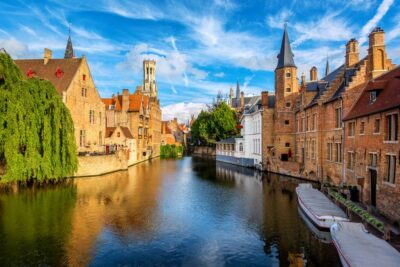
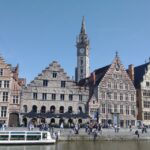
After the tower area, you’ll reach the Graslei and Korenlei quays, described as the former beating heart of medieval trade. This waterfront stretch is the reason Ghent feels different from many other Belgian cities: you’re standing in places where commerce shaped the city’s layout and energy.
You’ll see the quays as more than water and stone. Your guide will frame why this area mattered, and how the city’s long commercial history still shows up in the atmosphere and the way the streets meet the river. It’s one of those “now I get it” stretches where the explanation makes the visuals click.
For photos, this is usually the part where you slow down naturally. The viewpoints are straightforward, and the buildings along the water give you good angles without requiring tricky navigation. It’s also a great rest point because the guide can time stops for photo opportunities without turning the walk into a series of hurried sprints.
If you want to extend your day afterward, these quays are a sensible place to reposition yourself. You’ll be close to the historic city center when the tour ends, so you can continue on your own without trekking across town again.
Beguinages, street art, and everyday Ghent culture beyond the famous bits
What I especially like about this tour is that it doesn’t stop at the big names. Ghent has layers, and the guide points you toward them—three tranquil beguinages are mentioned as part of what you’ll learn about, along with museums, green parks, and a street art scene that runs beyond the famous Graffiti Street.
Street art and beguinages might sound like they belong to different cities, but Ghent blends them in a way that actually makes sense once you understand the scale of the city. The guide helps you see how people live with history rather than treating it like a museum. That’s a big part of why Ghent feels welcoming to different kinds of visitors: students, locals, and travelers all share the same streets and squares.
Your tour won’t replace museum time—you’ll see pointers for where to go later. But it gives you enough context to make smart choices. For example, you might decide which museum fits your interests, or whether a beguinage visit is your kind of quiet break from the main sights.
Also, the small group size helps here. In a crowd, street scenes blur. In a group of up to 15, your guide can actually point out the details you’d miss if you were walking solo.
You can also read our reviews of more city tours in Ghent
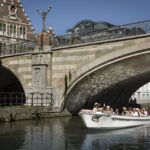





English guide, photo stops, and what the tour includes (and doesn’t)
This experience is built around guided sightseeing with local guide time focused on city highlights and Ghent history. It includes photo opportunities, and there’s a clear emphasis on making sure you understand what you’re seeing—not just where to stand.
The price is listed at $68 per person for about 90 minutes. For value, the key is what you’re getting: a guided route through central sights, context for major landmarks, and the ability to ask questions in a small group. If you’re doing Ghent for the first time and you want orientation without paying for multiple separate activities, this is a reasonable way to spend your first slice of time.
What’s not included matters too. There’s no transport, and you shouldn’t plan on museum entries being covered. Snacks and drinks also aren’t included, so plan a coffee stop on your own before or after the tour. Since the itinerary includes several outdoor stops, bringing water for yourself is a simple way to stay comfortable if the weather is warm.
Also worth noting: smoking isn’t allowed, and video recording isn’t allowed. If you like recording everything for later, plan to take regular photos instead and keep your phone usage respectful.
Practicalities that can make or break your day
This tour asks for a walking baseline: you should be able to walk about 3–5 kilometers at a gentle pace. It goes ahead rain or shine, so you’re planning for weather, not just sightseeing.
Bring comfortable shoes first. That’s not a throwaway suggestion—it directly affects how enjoyable the stops feel. If your feet are unhappy, the tour stops being fun fast because you’ll want to hurry. With comfy shoes and weather gear, the stops become what they should be: a chance to pause, look up, and understand.
You’ll meet at Jacob Van Artevelde statue. If you prefer being early, arriving a few minutes before start time is smart, especially in weather. The tour is English-language, so if English is your working language, you’ll likely follow comfortably.
ID is also mentioned: bring an ID card, and a copy is accepted. That detail may not feel urgent until the last moment, so it’s worth remembering if you’re traveling with digital-only copies.
Finally, keep an eye on your own health constraints. The tour isn’t suitable for children under 10, and it’s also not meant for pregnant women, people with back problems, mobility impairments, those who have a cold, people over 80, or those with pre-existing medical conditions or low fitness. If any of those apply, it’s worth choosing an easier pace elsewhere.
Who should book this Ghent highlights walk
This is best for you if you want a clear introduction to Ghent’s “big skyline” landmarks and waterfront story, without spending your whole day in museums. If you like learning how cities worked historically—why specific buildings sit where they do—this format fits.
It’s also a good choice for travelers who dislike very large tour groups. With max 15 people, you’re more likely to feel like the guide can actually respond to your questions and that you’re not getting steamrolled by the pace.
If you’re traveling with limited time—say you’ve got a day in Ghent but want to leave ready to explore afterward—this ending point close to the historic city center is useful. You can keep going on your own while the city is still fresh in your mind.
On the other hand, if you’re looking for a museum-heavy itinerary, this tour won’t satisfy that on its own. Museum entries aren’t included. You’ll get pointers, but you’ll still need to add museum time separately.
Should you book this Ghent City Highlights and Beyond tour?
If you want an efficient, guide-led orientation to Ghent—medieval towers, quays, and culture beyond the obvious—this booking makes a lot of sense. It’s also priced in a way that feels fair for a small-group walking tour with live guidance, especially for a first-time visit.
I’d book it if:
- you’re comfortable walking 3–5 kilometers
- you want a guided story that connects landmarks to history
- you want to end near the center so you can keep exploring on your own
I’d skip it if:
- you’re dealing with health issues that make weather and walking tough
- you want museum admissions included
- you don’t like tours that involve several outdoor stops
One last tip: treat this as your foundation. Use what you learn here to choose your next stops wisely—whether that’s a beguinage visit, a museum, or the kind of street art route the guide points you toward.
FAQ
FAQ
Where is the meeting point for the tour?
You meet your guide at the Jacob Van Artevelde statue in the middle of Vrijdagmarkt.
How long is the Ghent City Highlights walking tour?
The tour runs for about 90 minutes.
How big is the group?
The group is small, with a maximum of 15 people (1 to 15).
What language is the tour guide?
The live tour guide speaks English.
Which major sights will we see?
You’ll see Ghent City Hall and City Pavilion highlights, plus the three medieval towers linked to Saint Bavo’s Cathedral, the Belfry, and Saint Nicholas’ Church. You’ll also visit the Graslei and Korenlei quays.
Are museum entries included?
No. Museum entries are not included.
What should I bring?
Bring comfortable shoes and weather-appropriate clothing. You should also bring your ID card (a copy is accepted).
Can I bring a child?
The tour is not suitable for children under 10 years old.
Does the tour run in bad weather?
Yes. Tours go ahead rain or shine.
What are the rules on recording and smoking?
Smoking is not allowed, and video recording is not allowed.