REVIEW · BRUGES
Bruges: Ticket Groeningemuseum (Groeninge Museum)
Book on GetYourGuide →Operated by Musea Brugge · Bookable on GetYourGuide
A museum ticket with a real change of pace. The Groeningemuseum in Bruges takes you through six centuries of Low Countries art, so you’re not stuck with one narrow style. I like how it centers artists connected to Bruges in the late 1400s and early 1500s, then keeps moving forward into later Belgian painting and even modern print and poster-like works.
My favorite part is that you can slow down without feeling lost. The museum uses audio guidance and QR codes that make the explanations practical, and there’s seating that helps you actually spend time with what you’re seeing instead of sprinting.
One thing to plan around: you should treat this as a time-slot visit and not a drop-in whenever. Also, the museum closes at 17:00, so I’d build in enough time to see the key galleries before you get forced into a fast finish.
In This Review
- Key things I’d prioritize
- Bruges art feels different once you see the timeline
- Picking a route through six centuries (so you don’t miss the best parts)
- Flemish Primitives: where the Low Countries set the standard
- Flower pieces and monumental canvases (the Bruges you don’t expect)
- The 18th and 19th centuries: neo-classical refinement comes to Bruges
- 19th–20th century Belgium: expressionists and the modern turn
- Modern stars: Magritte, Delvaux, Broodthaers, and Van Tongerloo
- The audio guide and QR codes: how to use them without wasting time
- Timing and museum rules that can affect your day
- Skip-the-line value: why this $17 ticket makes sense
- Who should book this, and who might skip it
- Should you book the Groeningemuseum ticket?
- FAQ
- How long is the Groeningemuseum ticket valid for?
- What’s the price per person?
- Does the ticket include skipping the ticket line?
- Is the museum wheelchair accessible?
- Are there restrictions on what I can bring?
- Do children get free entry?
Key things I’d prioritize
- Flemish Primitives core: Jan van Eyck, Hans Memling, and Hieronymus Bosch set a high bar right away
- Use QR codes + audio: you get better context without needing a formal guide
- Six-century timeline: painting and styles shift in a way that stays fun, not just educational
- Flower pieces and monumental canvases: Bruges isn’t only about portraits and altarpieces
- Belgian modern hits: Magritte, Delvaux, expressionists, and post-war voices are part of the same visit
- Plan for 17:00 closing: a clear deadline keeps your route focused
Bruges art feels different once you see the timeline
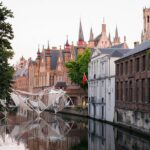
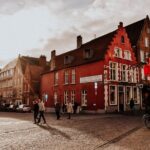
Bruges can be a little deceptive. From the canals, it looks like a postcard frozen in time. Step into the Groeningemuseum, and you learn that the city kept producing new art ideas for centuries.
This museum is built like a guided story, even when you walk it at your own speed. You start with the artists who helped define Northern European painting, and you keep going until you reach later 1800s and 1900s Belgian artists, including surrealists and expressionists. The result is a visit that feels like you’re watching artistic “rules” change as society changes.
If you like museums where the collection explains its own evolution, this works. If you only want one era and nothing else, you might find it a bit wide-ranging, but you can still pick a route.
You can also read our reviews of more tours and experiences in Bruges
Picking a route through six centuries (so you don’t miss the best parts)
You have one day, so it helps to think in “gallery goals,” not hours. In the Groeningemuseum, the big win is that the collection naturally splits into time periods and themes.
Here’s how I’d structure your visit:
- First pass (focus): aim for the major names and the transitions between centuries
- Second pass (taste): slow down for subjects you care about most (portraits, landscapes-as-they-were, flower pieces, modern ideas)
- Final reset: use your audio/QR tools where you need the most help, not everywhere
You’ll find the museum’s strengths across multiple styles: early 1400s/1500s realism and symbolism, then 1700s/1800s classicism and portrait culture, then later expressionists and surrealist thinking. The collection also includes print works and major modern pieces, so it’s not only “paintings on walls.”
Flemish Primitives: where the Low Countries set the standard
If you’re coming to Bruges for art, this section is why. The museum highlights the tradition of the Flemish Primitives, with major names tied to the Low Countries, particularly during the late 15th and early 16th centuries.
This is where you’ll notice the craft-first approach: careful detail, strong composition, and a sense that painting could be both spiritual and intensely observed. Even if you’ve seen reproductions of famous works elsewhere, seeing them here gives you better scale and presence.
What to watch for:
- How figures and objects are rendered—not just pretty, but purposeful
- Small visual clues—the museum’s explanations help you read them faster
- How these works connect to the broader European art conversation—you can feel the influence as the timeline progresses
This isn’t the style of art that forgives rushing. If you want to understand why the reputation is deserved, give these works more time than the “quick glance” you might plan.
Flower pieces and monumental canvases (the Bruges you don’t expect)
Bruges art isn’t only grand altarpiece vibes and solemn faces. The museum also brings you into flower pieces and historical objects, plus big canvas works that show a different kind of ambition.
A key name here is Jacob van Oost, whose work is part of the collection’s punchy middle stretch. You’ll see how the museum uses these works to widen your idea of what Bruges art included. It’s a helpful reminder that museums often pick one stereotype for a city, while real collections show the broader range.
Practical tip: when you see flower pieces, don’t treat them as filler. If you use the audio guidance, you’ll get context that makes the subject feel intentional, not decorative.
The 18th and 19th centuries: neo-classical refinement comes to Bruges
As the timeline moves forward, the vibe shifts. The museum includes Bruges neo-classical artists from the 18th and 19th centuries, including Joseph-Benoît Suvée and Jean Bernard Duvivier.
This is the era where you start seeing art speak a slightly different language: more polished portrait approaches, history-style compositions, and an emphasis on refined themes. The museum’s framing here matters. It doesn’t treat neo-classicism like a detour; it shows it as part of how Bruges artists earned recognition beyond the city.
I’d use this section to ask yourself a simple question: do you like how the museum shows change over time, or do you prefer one consistent style? If you like seeing the “next chapter,” you’ll enjoy this part because it sets up what comes later—when styles get bolder and more psychological.
You can also read our reviews of more museum experiences in Bruges


19th–20th century Belgium: expressionists and the modern turn
After you hit the neo-classical period, you’ll notice the collection gets more electric. The museum includes 19th and 20th century works by artists like Edmond van Hove, Ferdinand Khnopff, and Emile Claus.
Then the museum leans into Flemish expressionists, including Permeke, De Smet, Van de Woestyne, and Brusselmans. This is a good place to stop and recalibrate your eyes. Expressionism isn’t about smooth perfection; it’s about feeling and emphasis. The point isn’t to find beauty in the same way as the earlier centuries, but to find meaning through distortion, mood, and bold choices.
A helpful way to navigate this section:
- If you feel overwhelmed, pick one expressionist and keep comparing works
- Use audio/QR guidance when you don’t immediately “get” the mood—this is where context really helps
- Take breaks. Sitting for a moment makes it easier to keep up
Modern stars: Magritte, Delvaux, Broodthaers, and Van Tongerloo
If you’ve ever loved surrealist thinking, you’ll be pleased. The Groeningemuseum includes striking works by Paul Delvaux and René Magritte. Even for people who don’t call themselves art experts, these names tend to give instant hooks because their style is so recognizable in concept.
The collection also features significant modern/modern-adjacent material, including:
- Marcel Broodthaers: complete editions of his printed works
- Georges Van Tongerloo: several masterpieces
- Post-war works by Raoul De Keyser and Roger Raveel
Why this matters for your visit: it prevents the museum from being stuck in the past. You come for the Flemish Primitives, but you leave understanding how Belgian artistic ideas kept evolving after the famous early centuries. This shift is part of the museum’s value, not extra credit.
The audio guide and QR codes: how to use them without wasting time
This is where the museum gets a lot of practical love. The audio guidance is described as effective, and the QR codes give you access to information that makes the art easier to enjoy.
Here’s how I’d use it like a pro:
- Start with audio for the major anchors (the big-name works and the clearest stylistic transitions)
- When you find a subject you really care about—like flowers, portraits, or expressionist mood—switch to QR codes for focused context
- Don’t listen to everything. Use it to answer the specific question that’s in your head right now
One review note that matches the experience: there’s seating that helps you read at a comfortable pace. That’s not a small thing. In many museums, the layout pushes you to keep moving. Here, you can actually stop and take your time.
Timing and museum rules that can affect your day
This ticket is built for a one-day visit, and the museum closes at 17:00, so I strongly recommend planning to arrive with breathing room. If you get there late, you’ll feel rushed—especially if you want both the early masters and the later modern section.
A few rules that shape how you move:
- Flash photography isn’t allowed
- Luggage or large bags aren’t allowed
- Pets aren’t allowed, though assistance dogs are
- The museum is wheelchair accessible
If you’re coming with kids, note the policy: children under 13 can get a free ticket at the box office. Also, bring a passport or ID card for children.
And one more reality check: because you’re reserving your entry for a specific start time, treat it like a scheduled appointment. If your plans slip, it can mess up the visit.
Skip-the-line value: why this $17 ticket makes sense
At about $17 per person, this is one of those museum tickets that can feel “small” until you remember what you’re getting. You’re paying for more than just a room of paintings—you’re paying for a curated sweep across centuries, with explanations that make the art more readable.
Here’s the value breakdown I see:
- Big-name coverage across multiple eras (Flemish Primitives through modern Belgian work)
- Practical guidance via audio and QR codes, which reduces the intimidation factor
- A calm way to learn without hiring a private guide
Also, the skip-the-line feature matters in Bruges. Even a “simple” ticket can turn into wasted time when crowds build, so skipping that friction buys you more time with the collection.
Who should book this, and who might skip it
Book this ticket if:
- You want a one-day museum that covers a lot of artistic ground without feeling like a blur
- You like art that changes over time, not just one period
- You enjoy using audio or QR-based explanations while you look
- You’re curious about Belgian art beyond the early masters
You might reconsider if:
- You only care about one narrow era and want a very focused museum
- You hate time-slot entry systems and prefer free wandering with no schedule pressure
Should you book the Groeningemuseum ticket?
Yes, if you’re doing Bruges for art and you want a high hit-rate day. The collection’s structure—early Flemish giants, then neo-classical refinements, then expressionists and surrealists—means you’ll keep finding something that matches your interests. Add in audio guidance, QR code support, and places to pause, and the visit becomes easier to enjoy than a lot of bigger, harder-to-navigate museums.
If you’re short on time, decide what you want most (Primitives, expressionists, or surrealists) and commit to that route. The museum’s close at 17:00 means planning pays off.
FAQ
How long is the Groeningemuseum ticket valid for?
It’s listed as valid for 1 day. Check availability to see starting times.
What’s the price per person?
The summary price is $17 per person.
Does the ticket include skipping the ticket line?
Yes. Entrance includes skip the ticket line.
Is the museum wheelchair accessible?
Yes, the museum is wheelchair accessible.
Are there restrictions on what I can bring?
Luggage or large bags aren’t allowed, and flash photography isn’t allowed. Pets aren’t allowed (assistance dogs are allowed).
Do children get free entry?
Children under 13 can obtain a free ticket at the box office. You should bring a passport or ID card for children.