REVIEW · BRUSSELS
Brussels: Private Tour of the Upper and Lower City
Book on GetYourGuide →Operated by Bravo Discovery · Bookable on GetYourGuide
Brussels flips from riverbank to rooftops fast. I love how this walk links Grand Place and Manneken Pis to the city’s origins, and I love the way the guide turns architecture into stories about Art Nouveau, Belgian beer, and chocolate. The only catch is timing: in 3 hours it is more orientation than a museum marathon, and museum tickets are not included.
You start in the Lower City, then later go uphill for the Upper City highlights. I also like the practical setup: it is a private group with hotel pickup possible, and your guide can work in multiple languages so the details actually land.
You will cover a lot of ground, but the route is designed to keep you moving through classic squares and finish in the Royal Galleries area, which is a nice place to slow down and grab a treat after.
In This Review
- Key points to know before you go
- The Upper-and-Lower-City idea that makes Brussels click
- Lower City highlights: Grand Place, Manneken Pis, and the squares in between
- Climbing to the Upper City: Stained glass, royal space, and Sablon squares
- Saint-Michael and Saint-Gudula Cathedral
- Place des Palais, royal park, and palace area
- Musical Instruments Museum vs. Magritte Museum and the Palace of Fine Arts
- Petit Sablon and Grand Sablon
- How the guide shapes the whole experience (Emil and Hr. Boeykens as examples)
- Price and value for a private group up to 20
- Timing, walking comfort, and what to plan for outside the tour
- Art Nouveau, beer, and chocolate: the cultural threads you’ll learn while walking
- Should you book this Brussels Upper and Lower City private tour?
- FAQ
- How long is the Brussels Upper and Lower City private tour?
- What is the price for the tour?
- Does this tour cover both Lower City and Upper City?
- Where does the tour start?
- Is hotel pickup included?
- Is transportation included in the price?
- Are museum tickets included?
- What languages are available for the live guide?
- Is the tour wheelchair accessible?
- Can I cancel and get a refund?
Key points to know before you go
- Two-city layout: Lower City first, then a climb to the Upper City so you get the full map in one outing
- Big landmarks, not just photos: Grand Place, Manneken Pis, the federal opera house, and Saint-Hubert Royal Galleries are built into the route
- Inside cathedral time: You can admire stained glass from within Saint-Michael and Saint-Gudula Cathedral
- Museum choice built in: Musical Instruments Museum or Magritte Museum plus the Palace of Fine Arts, depending on what you prefer
- Guide energy matters: A good guide will connect the city’s development and keep the mood up even if weather is annoying
The Upper-and-Lower-City idea that makes Brussels click
Brussels is one of those cities where the map makes more sense than the usual postcard. The Lower City sits lower and tells you how daily life grew around major civic spaces and waterways. Then the Upper City feels like a different “level of power,” with churches, royal spaces, and the kind of view you only get after you start climbing.
This private format helps you understand the logic of that climb. Instead of treating Brussels like a checklist, you get a guided sense of why these places ended up where they did and how the city expanded. That’s especially useful if you have just a day or two, or if you want to spend more time walking the streets you actually came to see.
It also makes the cultural themes easier to grasp. Art Nouveau is not just a style you spot randomly; your guide can connect it to the city’s growth and the way Brussels reinvented itself over time. The same goes for Belgian beer and chocolate. You are not only learning what Belgium is famous for, you are learning why those traditions fit this particular place.
The one thing to keep in mind is that you’re moving. This is a 3-hour city walk, so you’ll see many key spots but you won’t linger for long. If you want long museum time or multiple full exhibits, you will need a second plan.
You can also read our reviews of more city tours in Brussels
Lower City highlights: Grand Place, Manneken Pis, and the squares in between
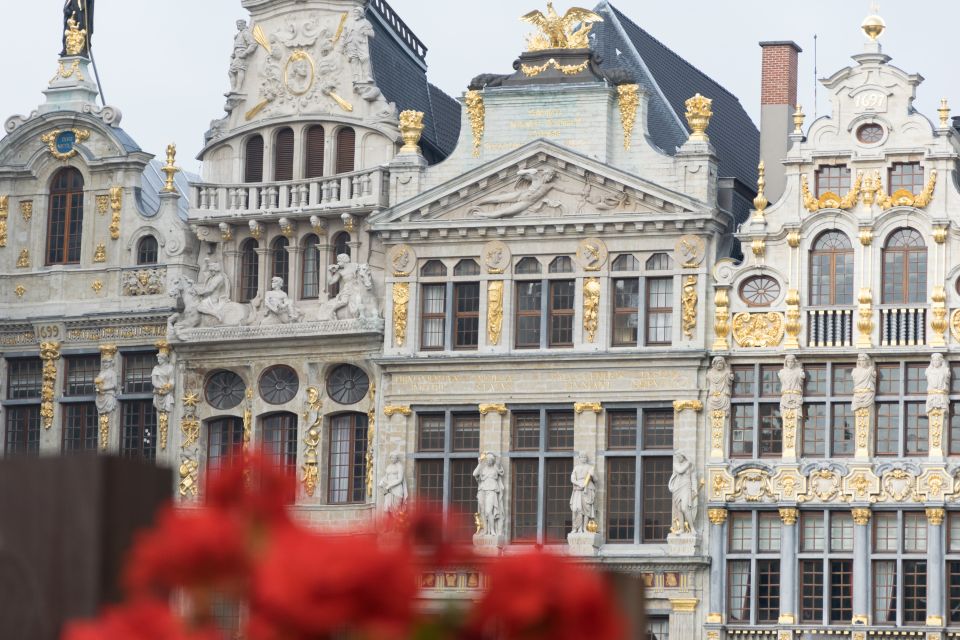
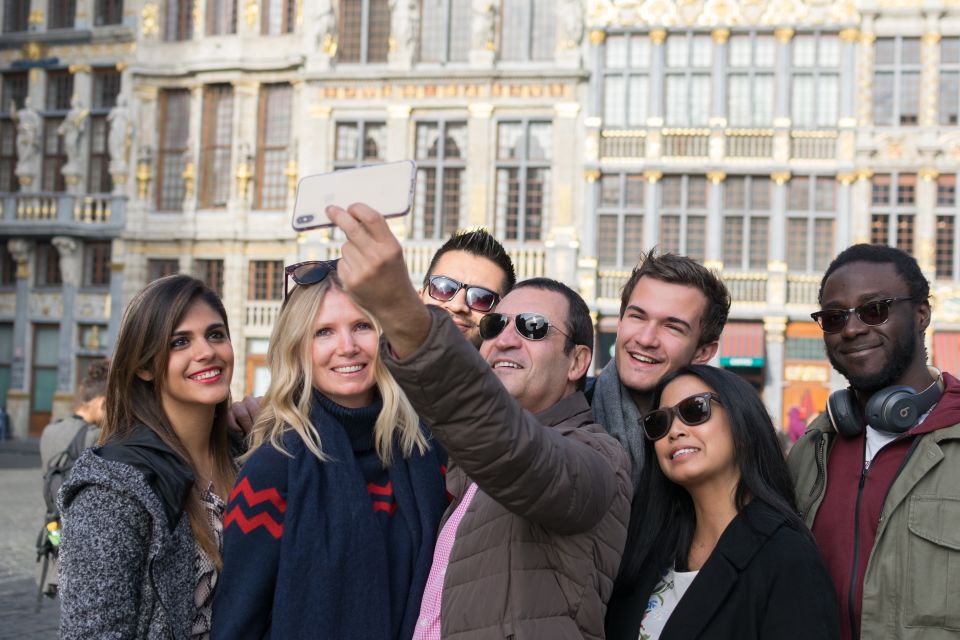
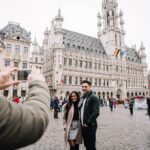
You kick things off around Grand Place, the big civic stage of Brussels. From there, the tour naturally works its way through the Lower City landmarks that define the feel of the center: busy corners, historic facades, and those small details that make you look twice.
Here’s the Lower City path and why each stop matters:
- Grand Place: This is where Brussels flexes. Even if you’ve seen it in photos, it hits differently in person because of the scale and the surrounding architecture that frames the square.
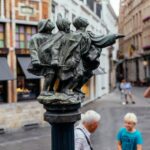
- Manneken Pis: You’ll get the story behind the bronze landmark. It’s a quick stop, but it’s the kind of place that teaches you how Brussels mixes humor, tradition, and public identity.
- Saint-Géry island: This area connects to the Senne river, which matters because rivers shape cities. When you understand that, the layout of the center stops feeling random.
- St. Catherine square: A good break in the route, with an open feel that helps you reset before the next set of crossings.
- De Brouckère and Monnaie squares: These are key for seeing how Brussels developed major public spaces beyond the medieval core.
- Belgian federal opera house: Even if you are not an opera person, it’s a smart sight for understanding the city’s cultural ambitions and its architectural style.
- Saint-Hubert Royal Galleries: Ending in the Royal Galleries is practical and atmospheric. You get a covered, elegant passageway vibe where you can regroup and plan your next stop.
A useful tip: wear shoes you trust. This area can mean cobblestones and lots of short turns, so don’t save your best footwear for a museum with marble floors.
Climbing to the Upper City: Stained glass, royal space, and Sablon squares
After the Lower City walk, you head uphill. That change in altitude is not just a physical challenge; it helps you understand why the Upper City feels more ceremonial. It is where Brussels goes from public square life to institutions and royal symbolism.
Your Upper City route starts again near the Grand Place area, then moves toward:
Saint-Michael and Saint-Gudula Cathedral
This is the big interior moment. You can admire stained-glass windows from inside, which turns a quick exterior sight into a slower, more contemplative stop. If you like details in light and color, this is the moment that makes the climb feel worth it.
Place des Palais, royal park, and palace area
You’ll reach Place des Palais, where you can see the royal park and the palace setting. Even if you don’t enter everything, the placement of these spaces teaches you how Brussels organized authority and “civic prestige” higher up.
You can also read our reviews of more private tours in Brussels


Musical Instruments Museum vs. Magritte Museum and the Palace of Fine Arts
From here, you have options built into the flow. You might visit the Musical Instruments Museum, or you might go the art route with the Magritte Museum and the Palace of Fine Arts, then walk on to the Sablon areas.
If you care about art history, Magritte is an easy thematic match for Brussels. If you love crafts and design, the Musical Instruments Museum can feel more personal and less expected. In either case, the tour keeps you moving so you still end with classic street-life energy.
Petit Sablon and Grand Sablon
You finish in the Sablon zone, which is known for a calmer, more upscale feel than the core squares. It’s a great landing point because you can browse, snack, and keep your afternoon flexible without feeling like you left everything too early.
If you’re traveling with kids or anyone who hates stairs, tell your guide your pace needs early. A good guide can steer you to the most manageable moments while still hitting the big names.
How the guide shapes the whole experience (Emil and Hr. Boeykens as examples)
A private tour rises or falls on the guide. The best ones connect what you see to what it means, and they don’t just rattle off dates.
From examples of guiding styles tied to this tour, I like the approach where the guide mixes the city’s different time periods so the story feels ordered. One guide example, Emil, was noted for hitting the right balance between different eras of the city. That matters because Brussels can feel layered and confusing if you don’t get a framework.
Another guide example, Hr. Boeykens, was praised for staying upbeat and entertaining even when the weather was cold and miserable. That’s not a small detail. If you’ve ever been freezing outdoors waiting for a tour to start, you know attitude affects how much you remember.
You can also ask for the tone you want. The itinerary can be arranged depending on whether you prefer entertaining, academic, or professional storytelling. And because the tour is offered in Spanish, Dutch, English, French, German, Italian, Russian, and Portuguese, you can keep the details in your comfort zone rather than guessing at pronunciation.
Price and value for a private group up to 20
The price is listed as $353 per group up to 20 for a 3-hour experience. That sounds high until you do the math like a traveler who actually pays attention.
- With a full group of 20, it works out to about $17.65 per person.
- With a smaller group, the cost per person climbs fast, so it makes the most sense when you can fill the group space.
Also remember what is included: a professional guide. Not included: transport, tickets to museums, and drinks or meals. So think of this as a guided walking circuit that maximizes what you can see quickly, not as an all-in-one day with museum admissions and lunch included.
Why that can still be good value: Brussels rewards getting your bearings early. If you arrive in the city feeling scattered, one solid guided loop can prevent wasted time. You’ll know what you want to return to once you’re back out on your own.
This is especially worth it if you:
- want a private pace for a family, a couple, or friends
- care about explanations, not just sights
- want the Lower and Upper City coverage in one outing
- prefer a guide who can tailor the vibe
Timing, walking comfort, and what to plan for outside the tour
Three hours is a sweet spot for a city orientation, but you should plan your expectations. You’ll see many landmarks, and you’ll hit at least one interior site (the cathedral). But long stops inside multiple museums may not be the goal here, especially since museum tickets are not included.
Transport is also not included. If you plan to use transit or taxis, factor that into your day. The good news is hotel pickup is possible from your Brussels hotel, which cuts down on the usual early meeting stress.
Weather matters in Brussels. Even with covered segments like the Royal Galleries, much of your time is outdoors walking between squares. If you are visiting in winter or shoulder season, dress for damp streets and cooler wind.
On the positive side, the tour is wheelchair accessible. That means the operator has planned for access needs, but you should still consider how the route’s inclines affect comfort. The Upper City climb is part of the point, so it can take extra time for everyone.
Art Nouveau, beer, and chocolate: the cultural threads you’ll learn while walking
One of the smartest things about this tour is that it does not treat Belgian culture like trivia. It ties Art Nouveau, Belgian beers, and chocolate into the story as you move through the city.
Art Nouveau shows up in the way Brussels looks and how the city expressed identity through design and decoration. Your guide can point out how the style fits the city’s shifts over time, so it becomes visual and understandable instead of random façade spotting.
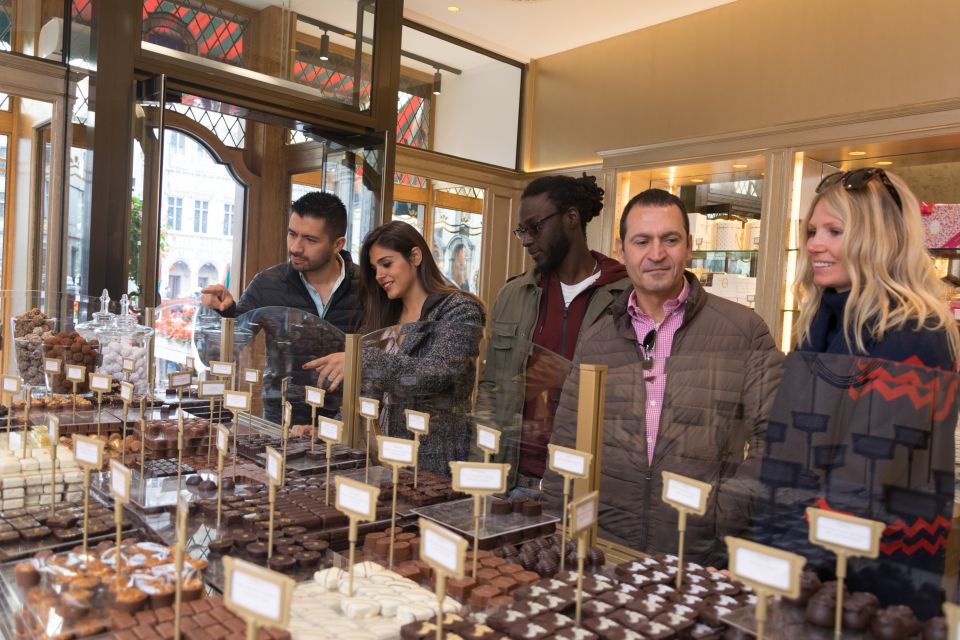
Belgian beer and chocolate are also cultural anchors. Even if you don’t stop for a formal tasting on the tour itself, the explanations help you know what to look for when you’re shopping later. After the walk, you’ll be better at choosing what feels local rather than generic souvenir versions.
And because your route ends near elegant shopping arcades (Saint-Hubert Royal Galleries), it’s a natural place to continue the food-and-design theme with your own choices.
Should you book this Brussels Upper and Lower City private tour?
Book it if you want a focused Brussels overview that hits the big sights in both the Lower and Upper City, with a professional guide who can explain the city’s development and culture. It’s a strong pick for first-timers, short stays, and groups who want hotel pickup possible and a private pace rather than a crowded bus feel.
Skip it or pair it with something else if you’re aiming for deep museum time. Since museum tickets and entry costs are not included, and the format is 3 hours, you may want a second activity for whichever museum you care about most. Also, if stairs and uphill walking are a deal-breaker for your group, plan your day carefully around the Upper City portion.
If your goal is to get your bearings fast, understand why Brussels is laid out the way it is, and leave with clear ideas for what to return to, this private two-city walk is an efficient way to do it.
FAQ
How long is the Brussels Upper and Lower City private tour?
It lasts 3 hours.
What is the price for the tour?
The price is $353 per group up to 20.
Does this tour cover both Lower City and Upper City?
Yes. It starts in the Lower City and later continues in the Upper City.
Where does the tour start?
It begins in the Lower City at the Grand Place.
Is hotel pickup included?
Pickup is possible from your Brussels hotel.
Is transportation included in the price?
No. Transport is not included.
Are museum tickets included?
No. Tickets to museums are not included.
What languages are available for the live guide?
The guide is available in Spanish, Dutch, English, French, German, Italian, Russian, and Portuguese.
Is the tour wheelchair accessible?
Yes, the tour is wheelchair accessible.
Can I cancel and get a refund?
You can cancel up to 24 hours in advance for a full refund.