REVIEW · BRUSSELS
Brussels Must-See Attractions Walking Tour
Book on GetYourGuide →Operated by Guydeez Tours · Bookable on GetYourGuide
Brussels can feel like a puzzle. This 2-hour walk turns the map into a story, with stops that mix famous icons and local character. I love the guide-led pace and the way you get context for what you’re seeing, not just names on a sign. I also like that you can choose a group or private format depending on how you want to move through the center. One thing to consider: it’s a compact route, so you’ll want comfortable shoes for a focused two hours.
The route is built around major sights, but the best part is what your guide adds between them. At places like Manneken Pis and the Jacques Brel statue, you’ll get the “why people react to this” angle, plus practical tips on what else to do after the walk. In the reviews, guide quality gets praised again and again, including people mentioning Savannah, Fabio, and Andrea for being energetic and clearly prepared. If you hate any walking at all, this tour may feel a bit too efficient.
In This Review
- Key Points at a Glance
- Why This 2-Hour Brussels Walk Works So Well
- Meeting at Bd Anspach 188: Start Fast, Stay Oriented
- St. Nicholas Church: A Calm First Chapter in a Busy City
- Maison Dandoy at the Grand Place Area: A Local Landmark Moment
- Grand Place and the Middle-Aged Tavern Stop: The Center You Can Feel
- Manneken Pis: The Infamous, Loved Story Behind the Statue
- Jeanneke Pis: A Second Look That Changes the Meaning
- Jacques Brel at L’envol: Brussels’ Arts and Attitude
- Les Galeries Royales Saint-Hubert: A Change of Scene Mid-Walk
- Royal Theatre Toone: Going Inside (and Spotting the Cat)
- Price and Value: Is $32 Fair for a 2-Hour Tour?
- What This Tour Feels Like Day-of
- Who Should Book This Tour (and Who Might Skip)
- Should You Book This Brussels Must-See Attractions Walking Tour?
- FAQ
- How long is the Brussels Must-See Attractions Walking Tour?
- Where does the tour start?
- What language options are available for the live guide?
- Is there a group tour or private option?
- Which attractions are included on the walk?
- Is the tour wheelchair accessible?
- What’s the cancellation policy?
- Can I reserve without paying right away?
Key Points at a Glance
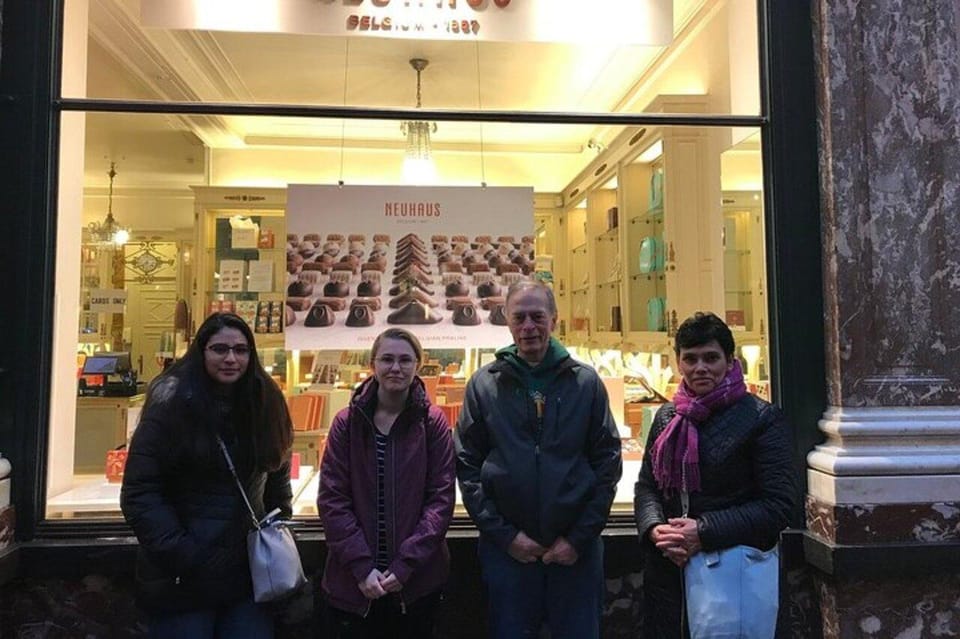
- 2-hour, high-impact route through the heart of Brussels without dragging on
- Manneken Pis explained: infamous, but also genuinely loved
- Jacques Brel connection through the L’envol/Statue de Jacques Brel stop
- Royal Theatre Toone interior time plus a chance to see the resident cat
- Les Galeries Royales Saint-Hubert for a change of scene in the middle of the walk
- English, French, Spanish, Italian guides, with private group options
Why This 2-Hour Brussels Walk Works So Well
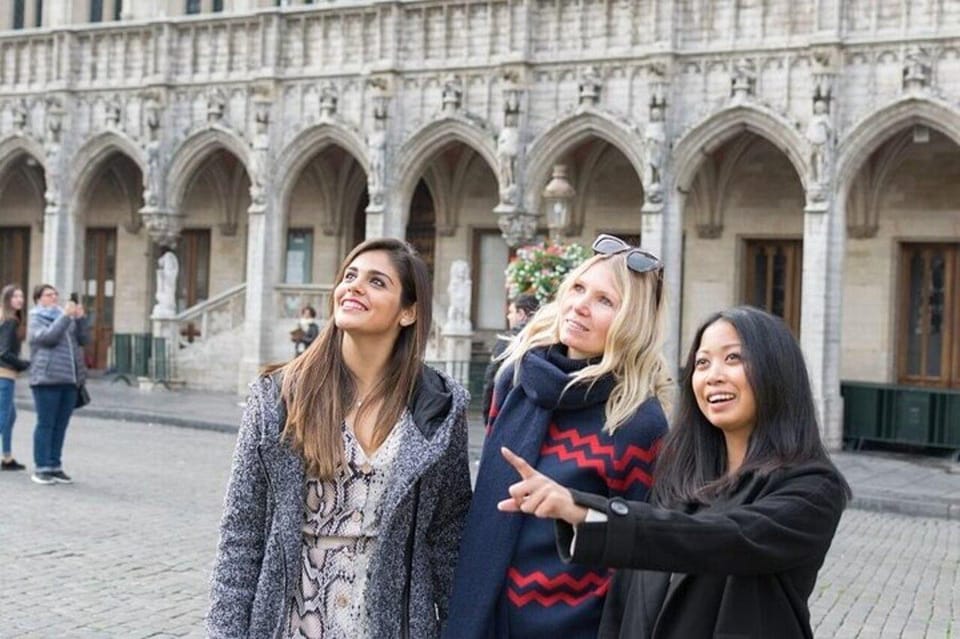
This is the kind of tour that respects your time. Two hours is long enough to hit the big highlights in central Brussels, but short enough that you won’t spend the whole day in “must-see” mode.
I like the structure because it keeps your attention moving. You start with a church and Grand Place area buildings, then shift into playful Brussels with the peeing statues, then land in arts and atmosphere at the Royal Theatre Toone. That mix is what makes the walk feel like more than a checklist.
You’re also paying for a human guide, not just a route on a phone. With multiple languages available (French, English, Spanish, and Italian), it’s easier to follow the story clearly from beginning to end.
You can also read our reviews of more walking tours in Brussels
Meeting at Bd Anspach 188: Start Fast, Stay Oriented
Your private tour starts at the meeting point at Bd Anspach 188, in front of the Vibes shop. That’s central, easy to find when you’re already in the core area, and it helps you get moving quickly.
This kind of start matters more than people think. If you begin the walk with clear orientation, you’ll enjoy every later stop more, especially at places like Grand Place where the streets radiate in multiple directions.
If you’re joining as a private group, you’ll also benefit from more control over your pace. If you’re doing the group format, the pace is still designed to fit the two-hour window.
St. Nicholas Church: A Calm First Chapter in a Busy City
The walk begins with a stop at St. Nicholas Church, guided throughout. Churches in Europe can feel intimidating if you just show up silently, but a guide helps you “read” what you’re looking at.
This first stop sets a tone. It gives you a historical and cultural foothold before the tour moves into the more playful and photogenic landmarks. It’s a smart ordering move: you get context early, then your later landmarks won’t feel random.
A potential downside is that if you’re rushing and want immediate street-level drama, you might find this early church stop a little slower than expected. But if you can enjoy a few minutes of explanation, it pays off later.
Maison Dandoy at the Grand Place Area: A Local Landmark Moment
Next you head to Maison Dandoy in the Grand Place area, with a guided visit. This stop is helpful because it anchors the walk in a specific neighborhood rhythm around Grand Place—still central, still recognizable, but not just “stand here, take a photo, leave.”
You’ll also hear how the guide connects culture to place. That’s the value of a walking tour at this scale: you can move from one meaningful point to the next without losing the thread.
One practical consideration: because this is in the Grand Place orbit, you may find it busier than quieter streets. If you dislike crowds, go in with the mindset that the guide will keep you moving and pointed in the right direction.
Grand Place and the Middle-Aged Tavern Stop: The Center You Can Feel
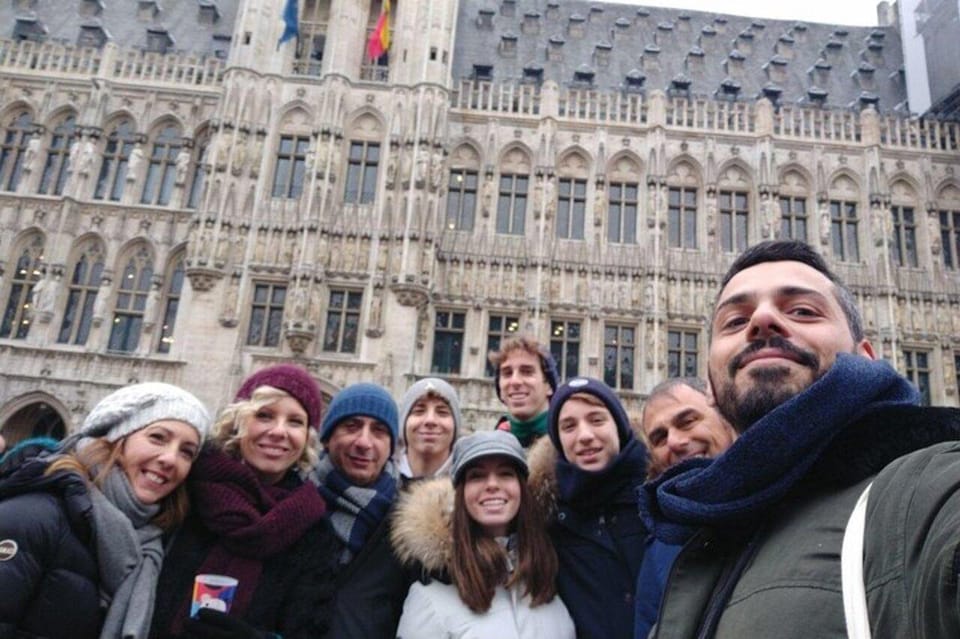
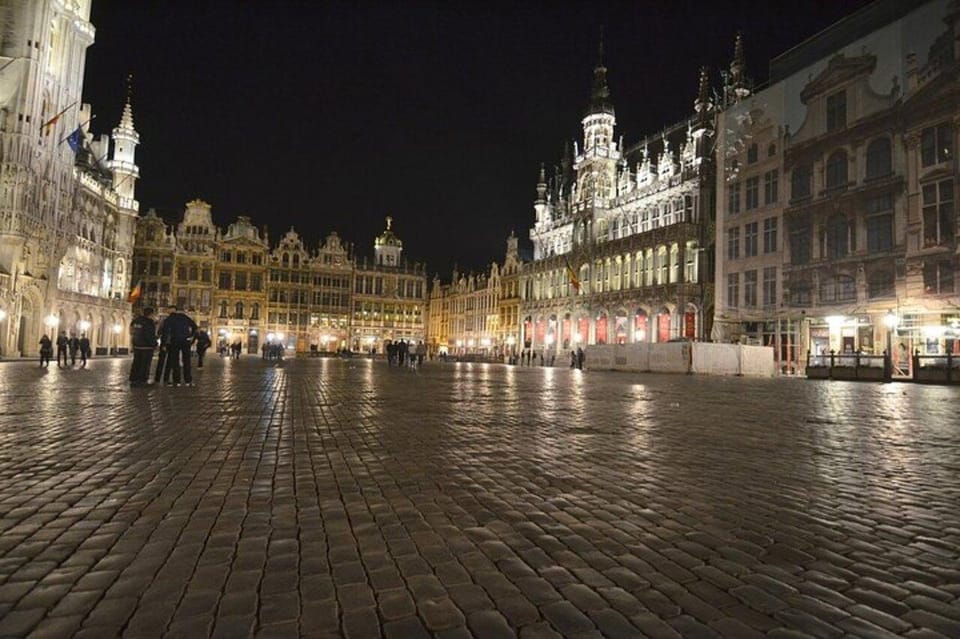
Grand Place is the emotional center of central Brussels, and the tour includes a guided stop there plus the Grand Place Middle Aged Tavern area. Even if you’ve seen pictures before, it’s one of those places where you quickly understand why it matters.
This part of the walk works because it blends architecture and atmosphere. Your guide’s job here is to help you notice details and understand why the square plays such a big role in how people experience the city.
If you like to photograph, this is your zone. Just remember that your guide might ask you to slow down and look, not just snap. That’s usually worth it—especially when you’re trying to learn something real in a short time.





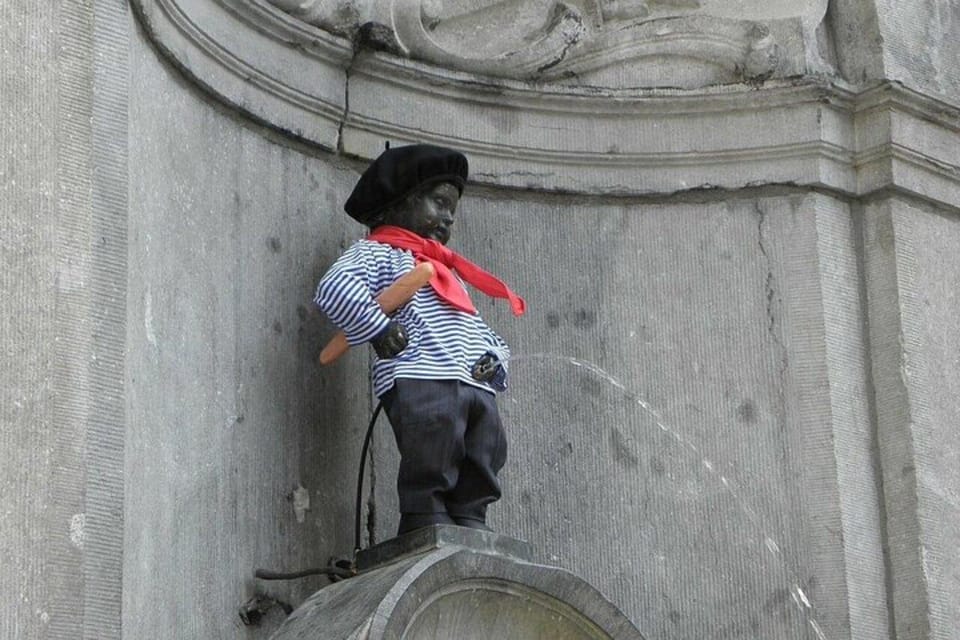
Manneken Pis: The Infamous, Loved Story Behind the Statue
Then comes the headline stop: Manneken Pis. You’ll visit it with a guide who explains what makes the statue so infamous, but also so loved.
That explanation is the difference between seeing a famous object and understanding why it becomes a symbol. Even if you know it’s a peeing statue in general terms, you’ll get the “people’s reaction” angle that makes it part joke, part local identity, part tradition.
I also like that this stop isn’t treated like a quick photo break. It’s guided, so you can ask questions and get the story in plain terms.
Possible drawback: Manneken Pis is a major magnet for attention. If you’re sensitive to standing around, you may feel the pinch. The best approach is to stay close to your guide and accept that the moment is short, even if the area is busy.
Jeanneke Pis: A Second Look That Changes the Meaning
After Manneken Pis, you’ll continue to Jeanneke Pis for another guided stop. This works as a smart contrast: you’re still in playful “icon” territory, but now you’re noticing how Brussels repeats themes in different forms.
This kind of pairing helps the tour feel cohesive. You’re not just collecting famous sights—you’re seeing how the city builds a recognizable style of humor and identity.
If you love quirky stories and unexpected cultural signals, this part of the walk is likely to be a highlight for you. It’s also a good moment to reset before you shift into the arts side of Brussels.
Jacques Brel at L’envol: Brussels’ Arts and Attitude
Next you’ll visit L’envol (Statue de Jacques Brel). Jacques Brel is one of those names that shows up in conversations about Belgian culture, and this stop helps you connect the artist to place.
Your guide will explain what to look for and how this statue fits into Brussels’ wider cultural attitude. It’s a useful pivot away from monuments and squares into something more personal and human.
In the reviews, guide energy comes up a lot—people like the way their guide shares smaller details and curiosities that make a short walk feel worth it. This stop is where that approach really pays off.
Les Galeries Royales Saint-Hubert: A Change of Scene Mid-Walk
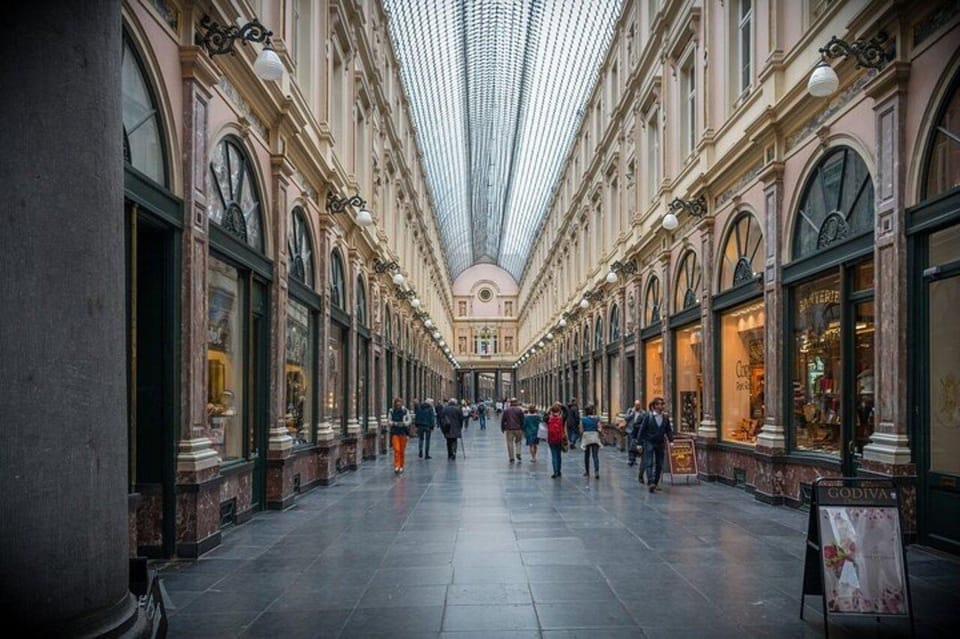
Then you move to Les Galeries Royales Saint-Hubert with a guided visit. This is a good “breather” stop. It shifts you from open-square energy into a more enclosed, atmospheric setting.
Even if you’re not a shopping-galleries person, it’s the kind of location that helps you slow down. You’ll get guided context, which makes it easier to notice the building’s feel rather than treating it as a transit corridor.
The value here is pacing: you’re halfway through the tour, and this stop keeps the experience from flattening into a straight line of photos.
Royal Theatre Toone: Going Inside (and Spotting the Cat)
The tour concludes at the Royal Theatre Toone. You get the opportunity to explore the interior of the old theatre and see the resident cat before the walk finishes back in the heart of Brussels at Grand Place.
This is the part I think you should pay attention to. Many walking tours stop at exteriors only. Here, you’re given a chance to go inside and experience the theatre atmosphere, plus the added touch of the resident cat.
It makes the tour memorable in a simple way. A small surprise at the end can beat another “same famous landmark” moment earlier in the walk.
If you hate theatre spaces, you still might enjoy this, because it’s brief and guided. And if you like quirky details, the cat check is exactly the kind of story-driven payoff that makes a two-hour tour feel like more.
Price and Value: Is $32 Fair for a 2-Hour Tour?
At $32 per person for a 2-hour guided walk, the value depends on one thing: how much you care about context. If you want only photos, you’ll probably feel the price. If you want the “why it’s famous” and “what to notice” details, it’s a fair spend—especially in a compact central route.
You’re also getting flexibility:
- you can pick a group or private format
- guides are available in French, English, Spanish, and Italian
- you can choose private travel with public transportation costs covered (for the private option)
And the ending at Royal Theatre Toone is a practical value boost. Inside access and the resident cat are not the kind of add-ons you get from a generic city-walk.
The rating is strong too: 4.7 with 67 reviews, which lines up with what people emphasize—good guiding, clear explanations, and a route that feels smooth.
What This Tour Feels Like Day-of
This is a walk designed to keep you engaged without turning the day into a marathon. The stops are close enough to fit in two hours, and the guide uses them to build a sequence: history and culture first, then playful symbols, then arts and theatre.
If you like your travel days organized but not rigid, this fits. If you’d rather roam and discover on your own immediately after arriving, you can treat this as your setup walk—something that helps you get your bearings fast.
A consideration: because you hit multiple recognizable sights, you’ll want to be okay with a slightly “on the go” pace. This tour is for people who like structure, not those who want unlimited wandering time.
Who Should Book This Tour (and Who Might Skip)
Book it if you:
- want a guided introduction to central Brussels in about two hours
- like getting stories behind famous spots like Manneken Pis
- appreciate theatre and cultural landmarks, especially the Royal Theatre Toone interior stop
- want a choice between private and group tour formats
- need a guide in English, French, Spanish, or Italian
- prefer a tour with strong guide reviews, including praise for guides like Savannah, Fabio, and Andrea
You might skip it if you’re looking for a deep, slow, multi-hour tour of one neighborhood. This experience is about coverage and context in a tight time frame.
Also, if you’re traveling with limited mobility, the tour is listed as wheelchair accessible, which is a plus. Still, keep in mind it is a walking tour, so check with the operator if you want to plan around your specific needs.
Should You Book This Brussels Must-See Attractions Walking Tour?
I’d recommend booking this if you want a smart “first taste” of Brussels with a guide doing the explaining. The standout reasons are simple: Manneken Pis with context, the Jacques Brel statue stop, and the unusual payoff of going inside Royal Theatre Toone plus the resident cat.
At $32 for two hours, it’s priced like a compact sightseeing experience, not a bargain mystery tour. If you’re the kind of traveler who values stories and small details, this is a solid bet.
If you’re only in Brussels for a short time and want your day to start with structure and charm, you’ll likely be happy you booked it.
FAQ
How long is the Brussels Must-See Attractions Walking Tour?
It lasts about 2 hours.
Where does the tour start?
The meeting point is at Bd Anspach 188, in front of the Vibes shop.
What language options are available for the live guide?
The guide is available in French, English, Spanish, and Italian.
Is there a group tour or private option?
Yes. You can choose a group tour or a private group option.
Which attractions are included on the walk?
You’ll visit St. Nicholas Church, Maison Dandoy (Grand Place area), Grand Place, Manneken Pis, L’envol (Statue de Jacques Brel), Les Galeries Royales Saint-Hubert, Jeanneke Pis, and Royal Theatre Toone.
Is the tour wheelchair accessible?
Yes, it’s listed as wheelchair accessible.
What’s the cancellation policy?
You can cancel up to 24 hours in advance for a full refund.
Can I reserve without paying right away?
Yes, there is a reserve now & pay later option to keep plans flexible.