REVIEW · BELGIUM
Brussels: Musical Instruments Museum Entry Ticket
Book on GetYourGuide →Operated by Royal Museums of Art and History · Bookable on GetYourGuide
Music and architecture in one stop sounds good.
At the Brussels Musical Instruments Museum (MIM), you can play along with nearly 300 sound clips and see instruments in four focused floors. I especially liked the way the included multimedia device makes the collection feel like it’s actually being used, and I still think about spotting the oldest preserved saxophone in the world.
Here’s the one catch: not every instrument is guaranteed to have the same headphone-style audio feature, so a few exhibits can feel more display-focused than sound-focused. Still, the museum’s layout and the sheer variety of instruments keep you moving and listening.
In This Review
- Key highlights
- MIM on Mont des Arts: a museum you can navigate fast
- Getting in smoothly: line-skipping and the QR-code tip
- The four-floor route: what each collection is really doing
- Europe’s instrument story and the keyboard collection
- Traditional instruments from around the world
- Electronic instruments and the modern step forward
- Nearly 300 sound clips: how the multimedia device changes everything
- The saxophone moment and why certain artifacts feel personal
- Art Nouveau details in the Old England building
- Neoclassical hall concerts: what you can do on the day
- How long to plan and when it feels worth it
- Small rules and comfort notes that matter
- Should you book this Brussels Musical Instruments Museum ticket?
- FAQ
- What does the Brussels Musical Instruments Museum ticket include?
- How many floors and what collections will I see?
- Do I get to listen to instruments, or is it mostly displays?
- Is the concert included with the ticket?
- How long should I plan for the visit?
- What are the main rules on site?
- Is the restaurant available during the visit?
Key highlights
- Nearly 300 sound clips you can access with the included multimedia device
- Four floors of instruments covering Europe’s history, keyboards, global traditions, and electronic instruments
- The oldest preserved saxophone on display
- Art Nouveau architecture in the old England building on Mont des Arts
- A neoclassical concert hall where you can stay for a live program (concert ticket not included)
- Audio guide in English, Dutch, and French, plus wheelchair accessibility
MIM on Mont des Arts: a museum you can navigate fast
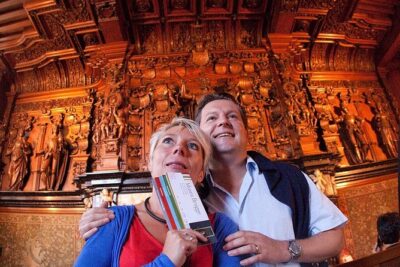
The Musical Instruments Museum sits on Brussels’ Mont des Arts, a convenient base if you’re already exploring the Hill of the Arts area. The building itself is worth your attention: it’s in Art Nouveau style and the old England structure brings a light, ornate feel that matches the subject.
For me, the best part of MIM is that you don’t need to be a music expert to have fun. You’re given a path through instruments, and the sound clips help you connect objects you might otherwise just look at.
Also, it’s easy to plan: your ticket is valid for one day, and you can check available starting times when you book. If you’re the type who likes to set a timeline and stick to it, MIM is a great pick because the experience is designed to be done in one sitting.
Getting in smoothly: line-skipping and the QR-code tip
Your entry ticket includes skip-the-ticket-line access, which matters in busy city museums. After you arrive, scan the QR code at the entrance—this is a practical time-saver because it avoids bouncing between offices just to get pointed toward the right door.
Once inside, you’ll want to pick up the included audio guide (English, Dutch, and French are available). Even if you only use it for select rooms, it helps you understand what you’re seeing without slowing down your pace.
One more practical note: the museum has rules that are easy to follow—no oversize luggage, and no flash photography. If you’re traveling with a bigger bag, plan to travel light and keep your storage needs simple.
The four-floor route: what each collection is really doing
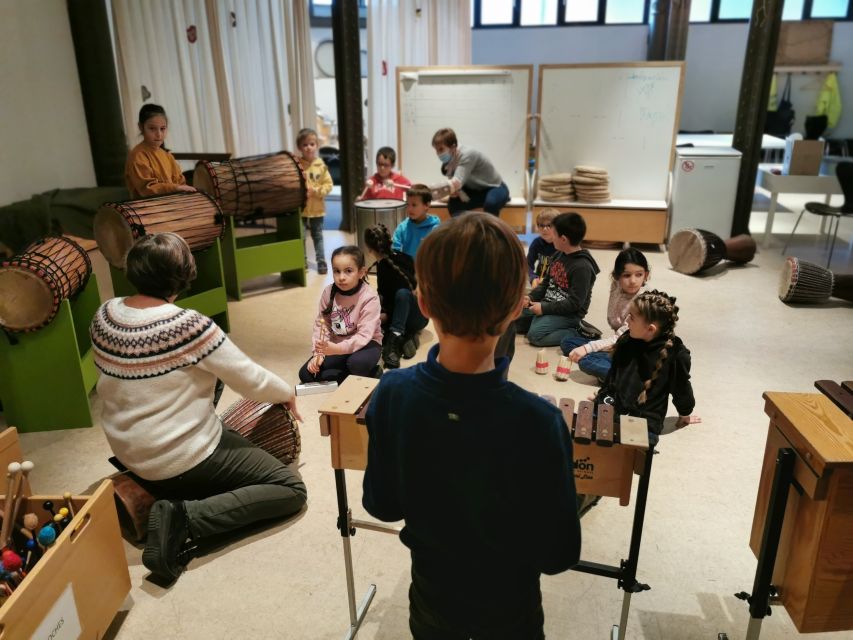
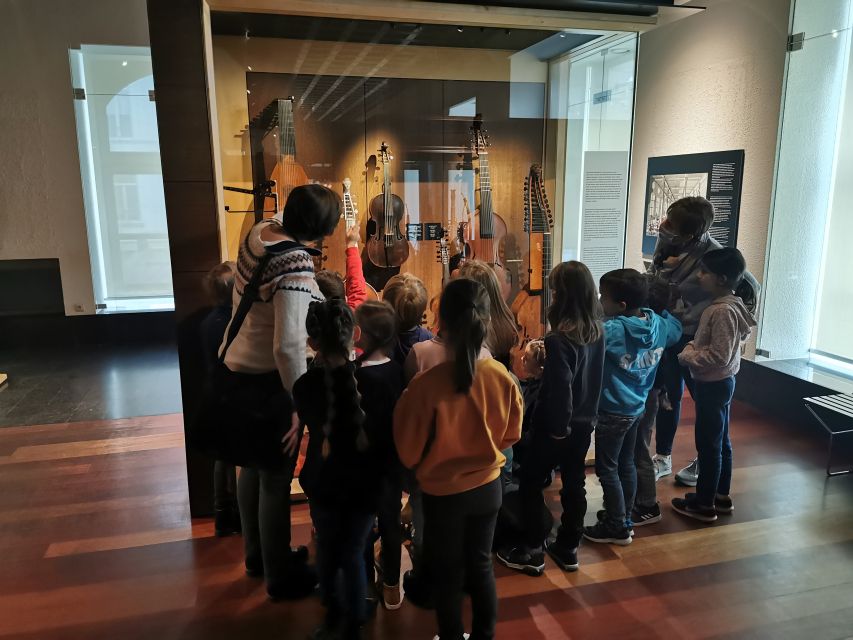
MIM isn’t just “a lot of instruments in rooms.” The museum builds a logical listening route, and each floor has a different focus. I like that because it turns a museum visit into a series of small themes instead of an endless gallery crawl.
Europe’s instrument story and the keyboard collection
One of the exhibits looks at the history of musical instruments in Europe. This matters because it gives you context for why certain instruments became standards in the Western musical world.
You also get a dedicated keyboard collection. Even if you don’t know every type of keyboard instrument, the audio support helps you hear differences in how they sound. That comparison is where this section becomes more fun than it sounds on paper.
Traditional instruments from around the world
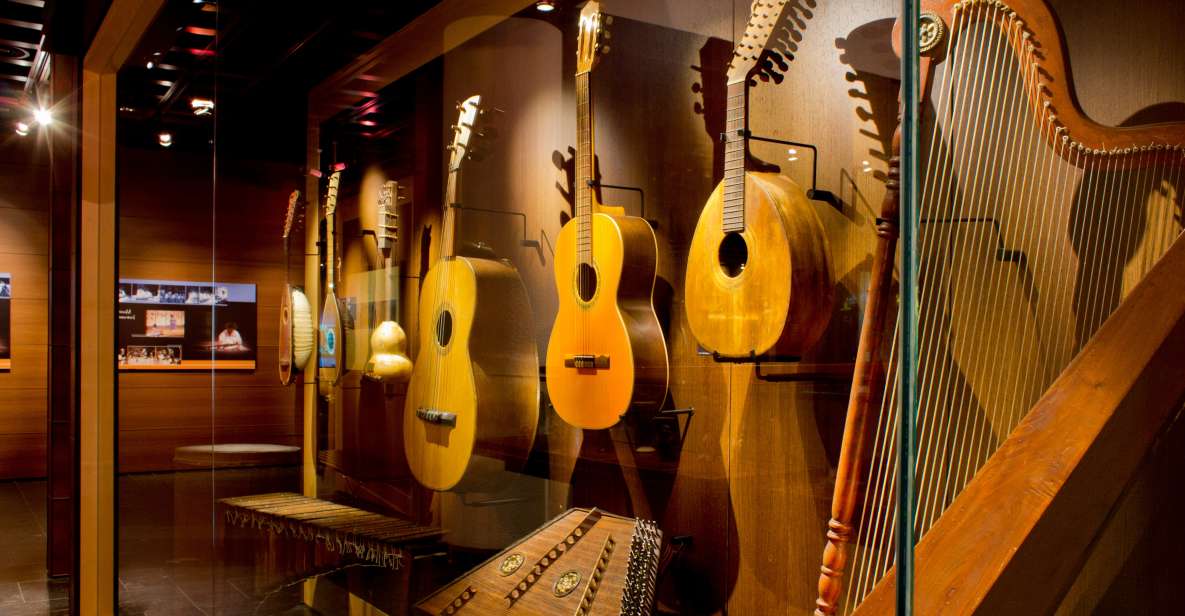
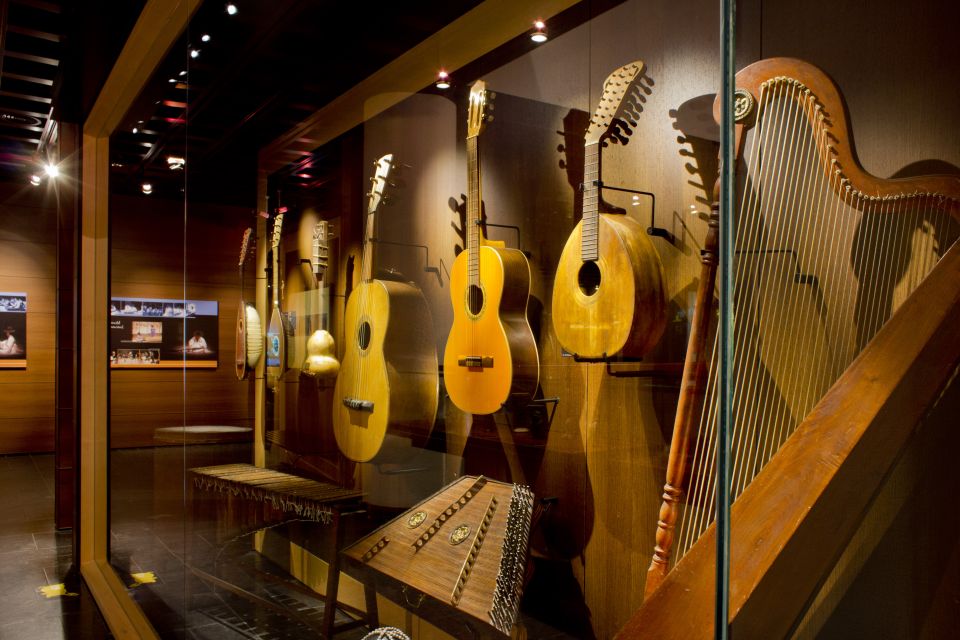
Another room centers on traditional instruments from across the globe, including African slit drums and Western keyboards within the broader mix of what’s on offer. The point here isn’t to treat every tradition the same way—it’s to show how many different musical solutions exist, and how instrument design grows out of culture and needs.
If you’re a “show me, don’t tell me” visitor, this room works well. You’ll likely spend extra time here, because hearing even one instrument in the right sound context can change how you perceive the object.
Electronic instruments and the modern step forward
The museum also includes an exhibit on electronic instruments. This is a smart inclusion because it connects the idea of instrument history to the way modern sound is produced and shaped.
It also gives you a modern contrast to the older artifacts. For people who assume “music museum” means only antiques, this floor is a reality check—in a good way.
Nearly 300 sound clips: how the multimedia device changes everything
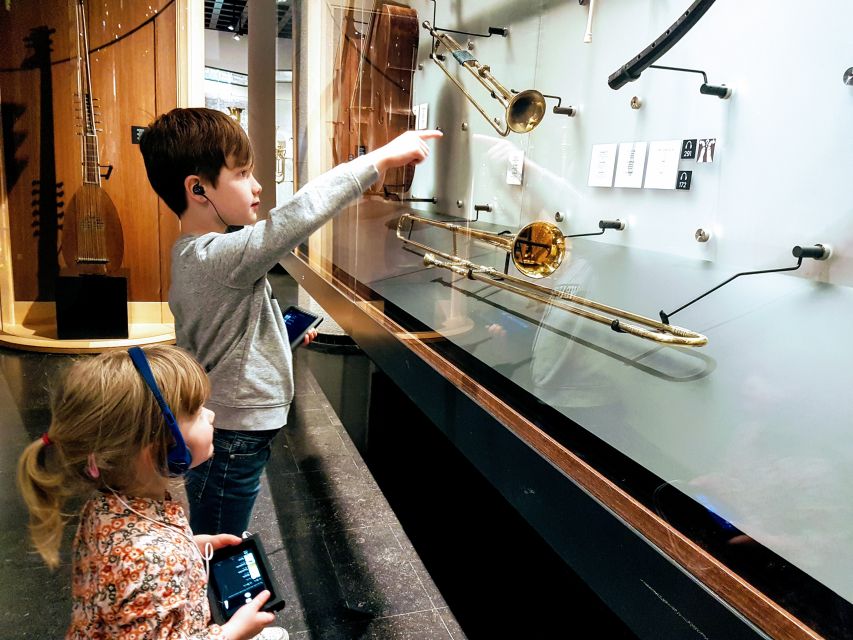
The headline feature is the included multimedia device with almost 300 sound clips. This is not a gimmick. It’s the main tool that makes MIM feel interactive, even though you’re walking through displays.
What I found useful is how the sound clips help you “translate” instruments that are visually similar. Two instruments can look related, but sound different in tone, attack, or resonance. With headphones, you can pick up those differences without needing live performers in every room.
There is one limitation to keep in mind: some exhibits lean more heavily on the audio experience than others. One review note that not all instruments had the same headphone-style sound feature, and that matches what you should expect from a museum with many objects. If you care most about hearing as many instruments as possible, plan extra time and don’t feel like you need to cover every single display in one rush.
The saxophone moment and why certain artifacts feel personal
If you only remember one thing from MIM, make it the display of the oldest preserved saxophone in the world. That’s the kind of artifact that grabs you fast because it’s both specific and meaningful. It connects innovation to an actual physical object, not just a label.
Beyond that, the museum’s strength is how it mixes types of instruments across time and geography. When you see an older piece side-by-side with something more modern or electronic, it becomes easier to understand that instruments evolve because people want new sounds, better control, portability, or new performance needs.
That personal connection is what keeps the visit from feeling like a storage space for history.
Art Nouveau details in the Old England building
MIM is housed in an Art Nouveau setting tied to the old England building, and the architecture shows up in the way you move between spaces. It’s the kind of setting where you pause without realizing you’re pausing—ornate details invite you to look up.
I also like that the building doesn’t fight the exhibits. The décor frames your visit instead of overwhelming it. After a few rooms, a bit of visual breathing space helps you reset your attention before the next instrument group.
Neoclassical hall concerts: what you can do on the day
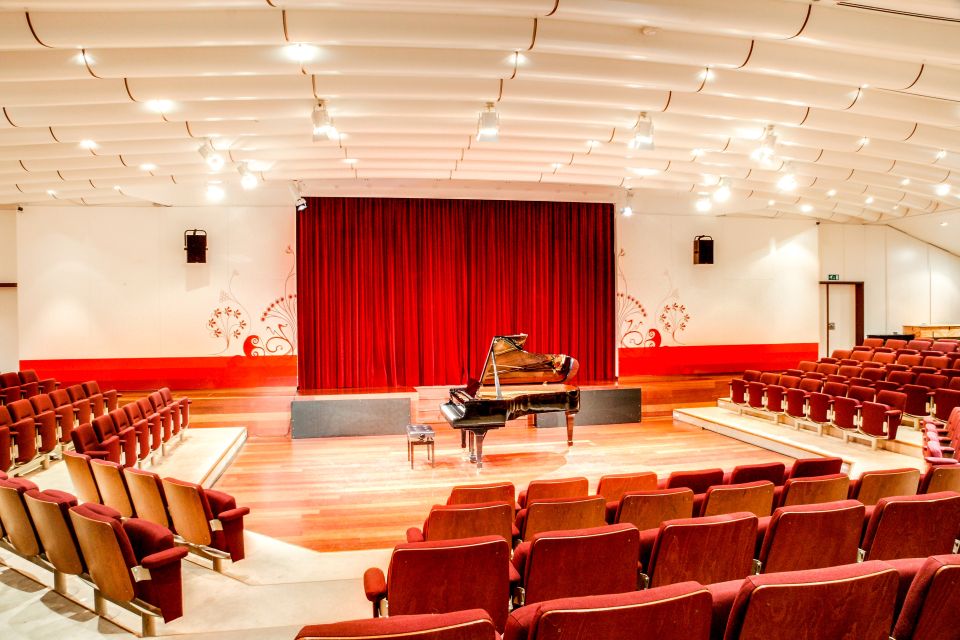
One of MIM’s nice extras is the chance to stay for a live concert in the museum’s neoclassical concert hall. The experience provider frames it as a benefit of visiting, but the concert ticket isn’t included.
So here’s how I’d plan it:
- Treat your museum entry as the core plan.
- If a concert fits your timing, consider adding it by buying the separate concert ticket.
This keeps you from feeling stuck with a “maybe” and helps you use your time wisely.
How long to plan and when it feels worth it
Plan on about 2 hours for the museum if you want a steady pace—enough time to see the main collections and use the sound clips, but not so much that you feel mentally tired. If you’re a music listener and you actively use the headphones for comparisons, you may stretch longer.
Pricing is reasonable for what you’re getting. The ticket is $17 per person and includes entry, skip-the-line access, and the audio guide plus the multimedia sound experience. For a focused indoor attraction with real listening value, it’s strong value compared to many “single-room” museums.
You’ll also want to align it with your day. Your ticket is valid for one day, and you’ll choose a starting time based on availability. If you have a tight itinerary in central Brussels, this museum is easy to slot in because it doesn’t require multiple transit legs inside the city center.
Small rules and comfort notes that matter
A few practical things can affect your comfort once you arrive:
- No oversize luggage. If your bag is large, keep it minimal.
- No flash photography. Phone photos without flash are typically your best bet.
- The museum’s restaurant is currently closed for renovation, so don’t count on grabbing a meal inside.
If you’re visiting around a meal time, check nearby options in the Mont des Arts area or plan a snack break elsewhere. This is one of those “minor details” that can save your day if you’re hungry mid-visit.
Wheelchair accessibility is also confirmed, which is good for planning a smooth route through a multi-floor museum.
Should you book this Brussels Musical Instruments Museum ticket?
Book it if you want a museum where your ears do as much work as your eyes. The sound clips are the main reason it’s worth your time, and the mix of European history, keyboard instruments, global traditions, and electronic instruments gives you variety without confusing the route.
Skip booking only if you’re hoping for a concert-first experience, because the live performance is separate—you’ll need a concert ticket. Also, if you’re extremely focused on hearing every single instrument with the same headphone feature, you should know that not all displays may offer the same audio experience.
If you’re in Brussels and you like cultural, hands-on-style learning that stays practical, this ticket is a solid choice.
FAQ
What does the Brussels Musical Instruments Museum ticket include?
The ticket includes entry to the museum. It also includes an audio guide (English, Dutch, French) and a multimedia device with sound clips.
How many floors and what collections will I see?
You’ll visit four floors of exhibits, including a history of musical instruments in Europe, a keyboard collection, a room of traditional instruments from around the world, and an exhibit on electronic instruments.
Do I get to listen to instruments, or is it mostly displays?
You get access to the included multimedia device with sound clips (nearly 300). Headphones let you hear many of the instruments, though not every instrument may have the same audio feature.
Is the concert included with the ticket?
Staying for a concert in the museum’s neoclassical concert hall is possible, but a concert ticket is not included.
How long should I plan for the visit?
A good target is about 2 hours, especially if you want time to use the sound clips while walking through the main collections.
What are the main rules on site?
Oversize luggage isn’t allowed, and flash photography is not allowed.
Is the restaurant available during the visit?
The museum’s restaurant is currently closed for renovation, so don’t count on eating inside the building.