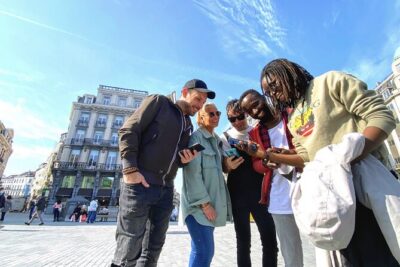
Brussels is best when you walk. This 3-hour, local-guided route links big landmarks like St. Nicholas’ Church and Grand-Place with quieter stretches in Bois de la Cambre and the Sonian Forest, so the city feels more like a lived-in place than a photo checklist.
I especially like two things: the way the guide turns the major sights into stories (not just names), and the fact you can choose between a shared group or a private tour that can be adjusted to your interests. You’ll also have an optional stop for a snack or drink at a guide favorite, which makes the day feel more casual and Brussels-like.
One possible drawback: the experience depends heavily on the guide and the vibe of your group. If you want heavier historical detail at every stop, the private option is the safer bet for keeping the pacing and focus exactly where you want it.
In This Review
- Key highlights to look forward to
- Meeting at Bd Anspach 93: The easiest way to start strong
- St. Nicholas’ Church: More than a quick glance
- Royal Palace area: Getting the why behind the landmark
- Grand-Place: The square that rewards a guided eye
- The “Brussels in-between” walk: Where local tips matter
- Bois de la Cambre: Switching gears from city to calm
- Sonian Forest: Ending with a quieter Brussels
- Price and value: Why $35 can make sense (or not)
- Shared group vs private tour: Pick the right pace
- Guides and experience quality: What to watch for
- Timing, logistics, and what to bring
- Who this tour is best for
- Should you book this Brussels highlights and lesser-known spots walking tour?
- FAQ
- How long is the Brussels highlights and lesser-known spots walking tour?
- Where do I meet the guide?
- What major sights are included on the walk?
- Is there a private option?
- What languages are offered for the live guide?
- Is the tour wheelchair accessible?
- What should I bring?
Key highlights to look forward to
- Start at a simple, central meetup near Pizzeria Del Corso on Bd Anspach 93
- See the core trio: Saint Nicholas Church, Royal Palace, and Grand-Place
- Get a nature reset with Bois de la Cambre and the Sonian Forest after the city center
- Learn from a live local guide in English, Spanish, Italian, or French
- Choose shared or private so you can decide between social pacing and total tailoring
- Plan for no included food since drinks and snacks are on you
Meeting at Bd Anspach 93: The easiest way to start strong
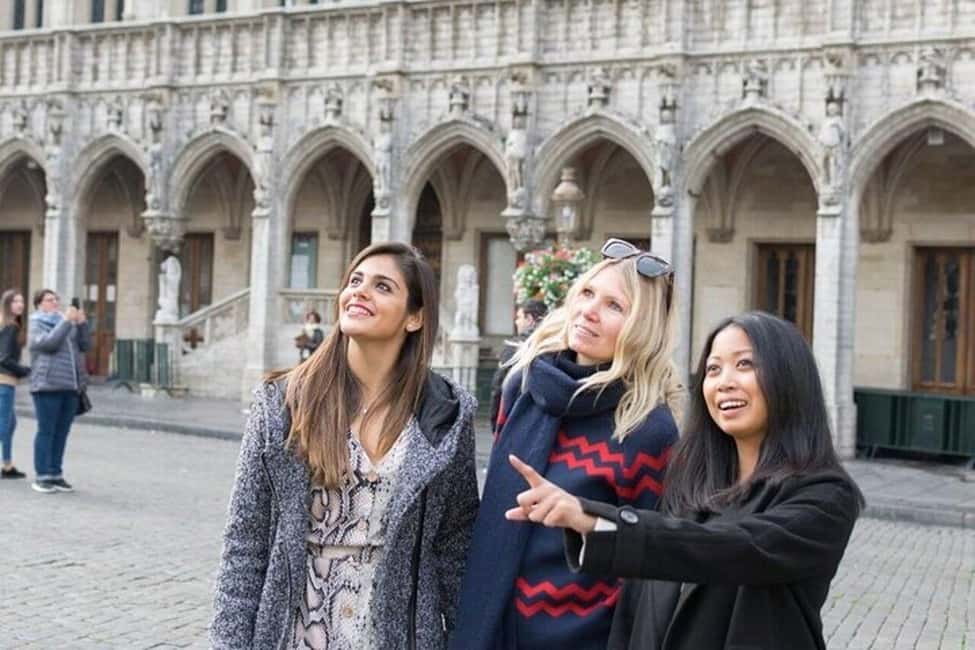
Your walk begins near Pizzeria Del Corso on Bd Anspach 93. I like this because it’s in a straightforward, central area where you’re not playing “where are we meeting?” for half the morning. Plus, starting at a real restaurant spot often means you can quickly grab water, use the restroom beforehand, and mentally switch into walking mode.
The tour runs for about 3 hours, and the route is designed to mix city sights with calmer green spaces. That timing matters: you get enough time to see the landmarks clearly, but not so much you feel dragged from one end of Brussels to the other.
Practical note: bring comfortable shoes. This is a walking tour, and you’ll be on your feet through dense central streets and then into park/forest areas.
You can also read our reviews of more walking tours in Brussels
St. Nicholas’ Church: More than a quick glance
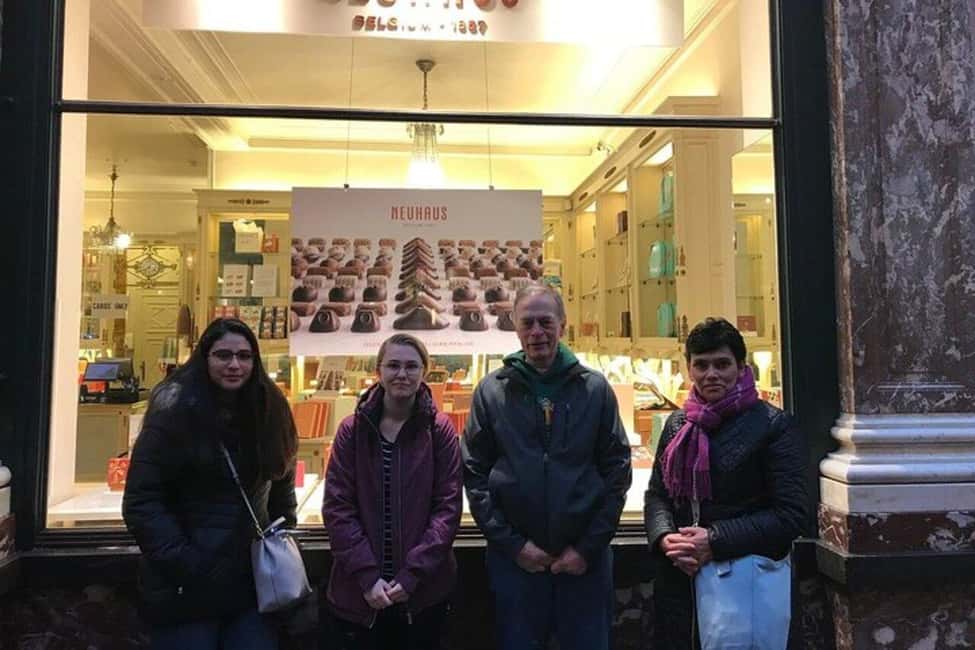
Saint Nicholas Church is one of the first stops on the route, which is a smart move. Starting here gives you a strong “Brussels anchor” early, before you’re full of impressions from later stops.
What makes this stop work on a guided format is the way you’re not just looking at the building—you’re hearing the context behind it. Your guide shares history and cultural notes tied to what you’re seeing, which helps the church feel like part of the city’s story rather than an isolated monument.
A consideration: churches can be visually impressive but can also be hard to enjoy if you’re rushing. With only a few hours total, keep your expectations realistic. You’ll get meaningful viewing time and explanation, but you shouldn’t plan on a long, independent architectural study session during the tour.
Royal Palace area: Getting the why behind the landmark
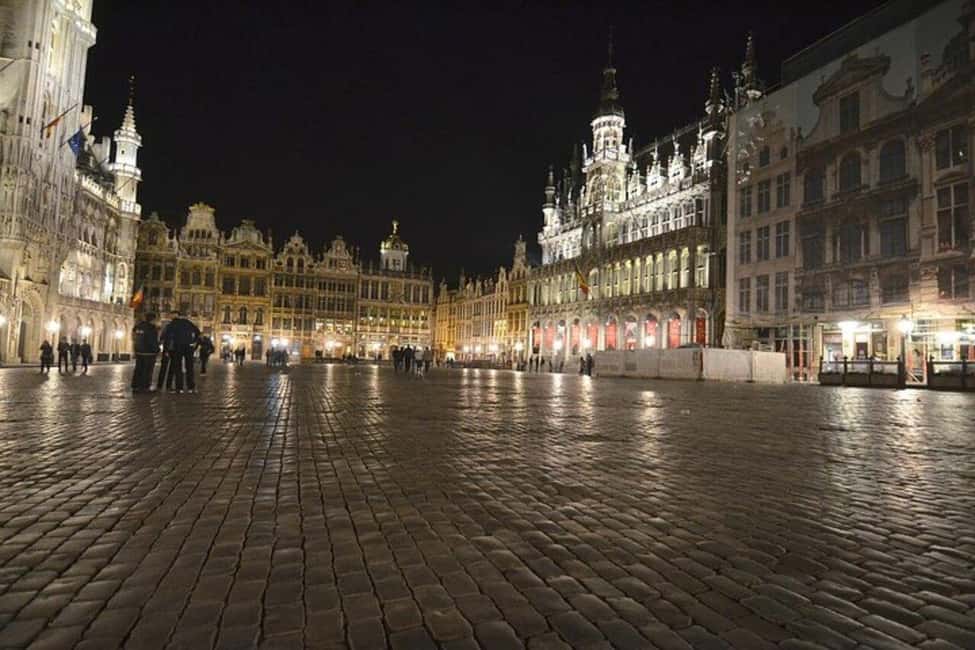
Next comes the Royal Palace area. Even if you’re not a royal-history superfan, this stop can help you understand how Brussels presents power, tradition, and national identity in everyday street life.
The guide’s job here is key: they connect what you can see with what those symbols meant historically and how they relate to the city today. That kind of “why it matters” commentary often turns a quick photo stop into a moment that sticks.
One small heads-up: you’re mostly there for viewing and storytelling, not for a deep interior visit. If you’re specifically hoping for inside-access details, you’d want to confirm what’s included on the day of your booking. The tour data focuses on walking and guided viewing rather than ticketed palace interiors.
Grand-Place: The square that rewards a guided eye
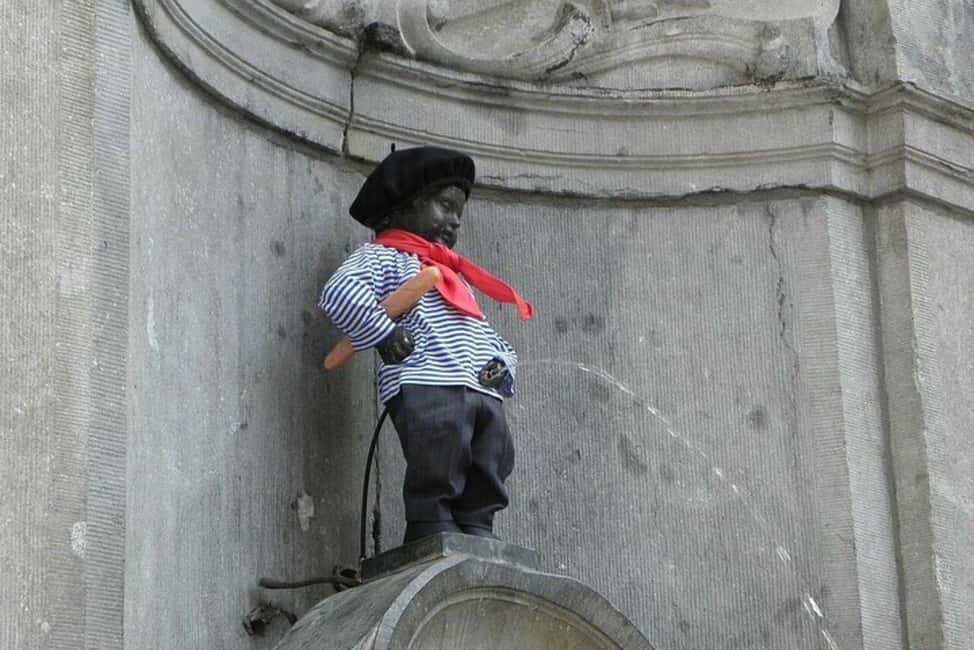
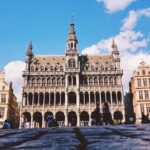
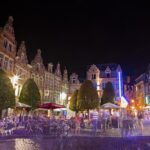
Grand-Place is the big headline, and it earns its reputation. The beauty of the square is one thing—but the guide adds a second layer: the stories that explain why this place feels so ceremonial, so central, and so important to Brussels.
This is also where walking tours show their value most. Left alone, many people bounce from facade to facade and miss the thread. With a guide, you get a clearer sense of how the sights relate to each other and why the square has endured as a focal point.
The main drawback here is simple: central squares can feel crowded and a bit hectic on busy days. Your best strategy is to follow the guide’s positioning and listen for the specific details they highlight, so you’re not just fighting for angles.
The “Brussels in-between” walk: Where local tips matter
Between major landmarks and parks, the tour includes additional time in Brussels streets beyond the obvious posters. This is where you can get the most satisfaction if you enjoy the city as a place people actually live.
Your guide shares insights and stories about Brussels’ past and present as you move through these areas. I like this style because it gives you practical mental maps—what to notice next time you’re wandering solo, and what details are worth slowing down for.
If you’re the type who wants every minute to be a famous monument, this in-between portion may feel like “extra walking.” But if you want your Brussels day to feel human—less like a checklist and more like a real morning out—this is often the section that makes the tour feel worth the price.


Bois de la Cambre: Switching gears from city to calm
After the denser center, the tour shifts toward Bois de la Cambre. This part works well because it breaks up the intensity. Instead of ending the day right after the big squares, you get breathing room in a more open, park-like setting.
Your guide keeps the context going while you change scenery. Even if you’re not there to become a nature person on your trip, the simple effect is great: you reset your legs and your brain before the last stretch.
One consideration is pacing. Because the tour also includes Sonian Forest afterward, this isn’t meant to be a long, stop-and-stare hike. Think of it as a transition point—an intentional “slow down” within a limited 3-hour window.
Sonian Forest: Ending with a quieter Brussels
The final outdoor highlight is Sonian Forest. This is a strong closer because it changes the feel of the day. You’ve already seen the city’s iconic architecture and central squares; now you walk into a calmer environment where the mood shifts from built-up to restorative.
I like endings like this, because it gives you something to remember that isn’t just stone and statues. You’ll get a guided, story-led walk that wraps up the day with a different side of Brussels.
A practical note: if you’re prone to fatigue, use this portion to catch your breath, especially if the weather is variable. The tour is only 3 hours total, but the mix of sidewalks and park paths can still add up.
Price and value: Why $35 can make sense (or not)
The tour costs $35 per person for a 3-hour, live guided walking experience. That price is easiest to justify if you’re short on time and want your first Brussels day to be efficient: you cover the major sights (Saint Nicholas Church, Royal Palace, Grand-Place) plus add parks you might not naturally combine into a single plan.
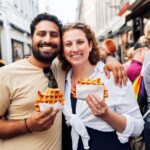
It’s also good value because the guide isn’t just there to point. They provide history and cultural context, plus local recommendations such as an optional snack or drink stop. Since food and drinks aren’t included, it’s smart to budget a little extra if you plan to take them up on that suggestion.
Where it might not be the best deal: if you already know Brussels well and simply want independent wandering, you could build a self-guided route. But if you’re new to the city or want a smoother introduction, paying for someone to stitch the sights together usually saves time and confusion.
Shared group vs private tour: Pick the right pace
You can do this as a shared group or a private and customizable walking tour. I like having that choice because Brussels can suit different travel styles.
A shared group is great if you want a social atmosphere and don’t mind following a set flow with other people. It also tends to be the easiest option for first-time planning when you don’t want to overthink details.
The private option is for focus. You can tailor the tour to your specific interests, and that can matter a lot when you care deeply about either history, architecture, or the park-and-quiet side of Brussels. In past experiences of guides with this kind of flexibility, some groups have benefited from convenience tweaks like starting closer to where they’re staying and finishing near their dining plans. Your guide can’t promise every change every time, but it’s a strong reason to choose private if your schedule is tight.
Guides and experience quality: What to watch for
The tour runs with a live guide in English, Spanish, Italian, or French. In the feedback tied to this experience, guides like Marielle, Andrea (including Andrea Mogni), and Fabio have been singled out for being fun and for sharing details that made the walking feel interesting and easy to follow.
There’s also a clear counterpoint: if you end up with a replacement guide or a different match than expected, the balance can tilt toward lighter anecdotes instead of deeper monument explanation. That’s not a dealbreaker if you’re mostly there for the sights and atmosphere, but it matters if you’re paying for strong history narration.
If you want to reduce the odds of a mismatch, choose the private format and be direct about what you want. Tell your guide you’re most interested in history context at each stop, not just quick stories.
Timing, logistics, and what to bring
The tour lasts about 3 hours, and starting times depend on availability. I suggest checking your schedule like you would for a museum visit: pick a time when you’re not exhausted, so the last outdoor stretch doesn’t feel like punishment.
Bring comfortable shoes. Since food and drinks are not included, it’s smart to have a small plan for hydration and any snack needs you might have. If you want the optional snack or drink stop with the guide’s favorite place, just expect to pay for it yourself.
Wheelchair accessibility is listed as available, which is a major plus for travelers who need that level of support. If you have mobility needs, it’s worth confirming the route specifics with the provider before you go, but the activity itself is marked wheelchair accessible.
Who this tour is best for
This Brussels walking tour is a strong fit if you want:
- a guided, time-efficient introduction to Brussels’ highlights
- a mix of iconic sights and quieter green spaces
- either shared fun or private customization
- local context delivered in a language you understand well
It’s also a good option for couples and solo travelers who don’t want to waste their first day figuring out how to connect all the “must-sees” into one manageable walk.
If you’re traveling with kids or in a group that moves slowly, the short overall length helps—but the amount of walking still matters. The parks at Bois de la Cambre and Sonian Forest are a nice payoff, but they’ll still require energy.
Should you book this Brussels highlights and lesser-known spots walking tour?
If your goal is a smart first pass through Brussels—Grand-Place, Saint Nicholas Church, the Royal Palace area, then a relaxed ending in Bois de la Cambre and Sonian Forest—this tour is worth considering. The price is reasonable for what you get: a live guide, a coherent route, and guidance on what to pay attention to.
Book it if you want local storytelling and you’d rather walk a prepared route than build one from scratch. Skip it or switch to private if you’re very specific about heavy history at every stop, since the guide’s style can shift the balance of anecdotes versus deeper explanations.
If you want Brussels to feel like a place you understand, not just a place you pass through, this walking tour does a solid job of stitching the city together in a single morning or afternoon.
FAQ
How long is the Brussels highlights and lesser-known spots walking tour?
It lasts 3 hours.
Where do I meet the guide?
You’ll meet your guide near Pizzeria Del Corso on Bd Anspach 93.
What major sights are included on the walk?
You’ll see Saint Nicholas Church, the Royal Palace, and Grand-Place, along with additional areas in Brussels, including Bois de la Cambre and Sonian Forest.
Is there a private option?
Yes. Private group tours are available, and they can be customized to your interests.
What languages are offered for the live guide?
The tour guide speaks English, Spanish, Italian, and French.
Is the tour wheelchair accessible?
Yes, the tour is listed as wheelchair accessible.
What should I bring?
Wear comfortable shoes.