REVIEW · BRUSSELS
Brussels: Fall and Rise of Art-Nouveau Guided Tour
Book on GetYourGuide →Operated by Curiositas Mundus · Bookable on GetYourGuide
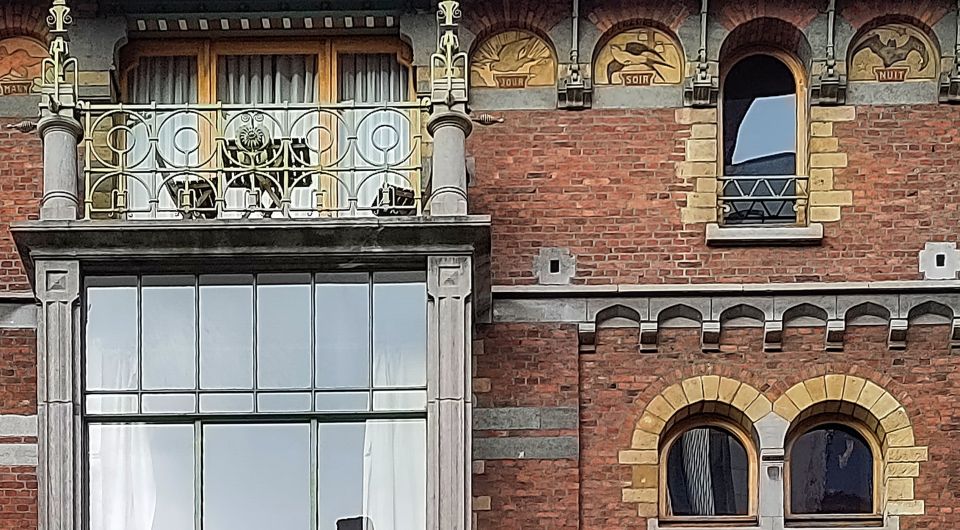
Art Nouveau in Brussels is best read up close, not behind glass. This guided route takes you along a focused loop in Saint-Gilles and Ixelles, where you can spot the design logic of the movement on real façades. I like how the tour turns architectural details into something you can actually see and name, including sgraffito and how it differs from frescoes.
Two things I especially value here: the chance to study Art-Nouveau techniques in plain language while you’re walking, and the way the tour ties those details to a landmark context around Victor Horta’s Maison du Peuple remains. If you’re expecting a quick highlight reel, the one thing to consider is that this is a 3-kilometer street walk with weather in the mix, so your umbrella game matters.
In This Review
- Key highlights you’ll feel in the streets
- Why Art-Nouveau in Brussels works so well on a guided walk
- Getting started by Horta Metro: where to meet and what to notice first
- The technique lesson you’ll carry home: sgraffito versus frescoes
- Saint-Gilles and Ixelles: reading Art-Nouveau façades like a pro
- Horta’s Maison du Peuple remains: the story behind a famous name
- Following the guide into the outskirts: charming streets with a learning pace
- The guide and the teaching style: clear answers beat guessing
- Price and value: why $17 can be a smart use of your Brussels time
- Who should book this and who might not
- Should you book the Brussels Fall and Rise of Art-Nouveau guided tour?
- FAQ
- How long is the Art-Nouveau guided tour?
- Where do I meet the guide?
- What language is the tour offered in?
- How much walking is involved?
- Is the tour wheelchair accessible?
- What’s included in the price?
- Do I need to bring anything?
- What should I do if it rains?
- Can I cancel for a refund?
Key highlights you’ll feel in the streets
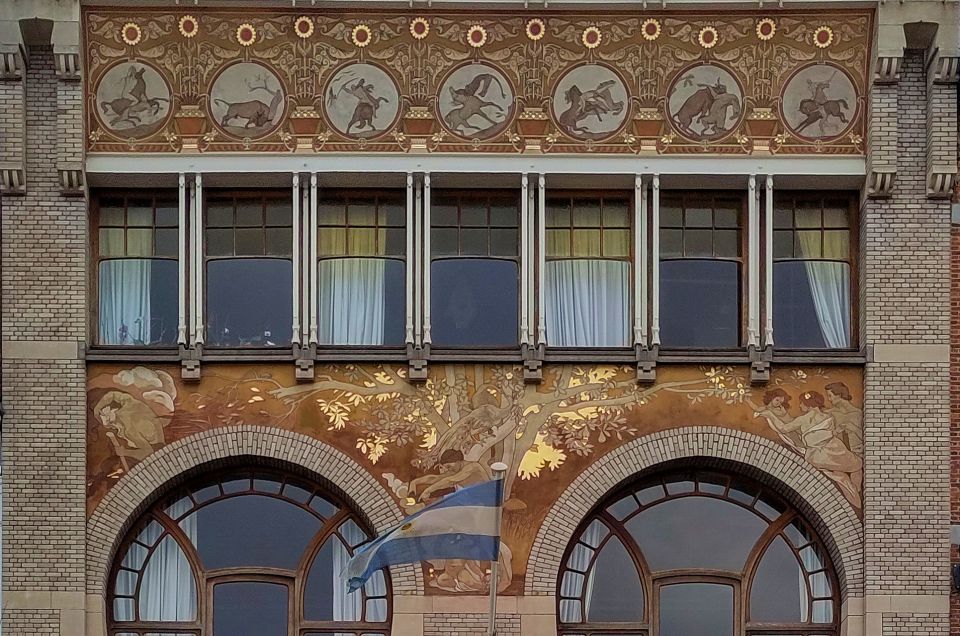
- Sgraffito explained where you can spot it and compared directly to frescoes
- Practical Art-Nouveau techniques that help you read façades fast
- Maison du Peuple remains with Horta context, not just photos
- Beautiful Brussels streets in the outskirts, not the usual only-in-the-center checklist
- Spanish live guide with audiovisual support to keep the ideas clear
Why Art-Nouveau in Brussels works so well on a guided walk
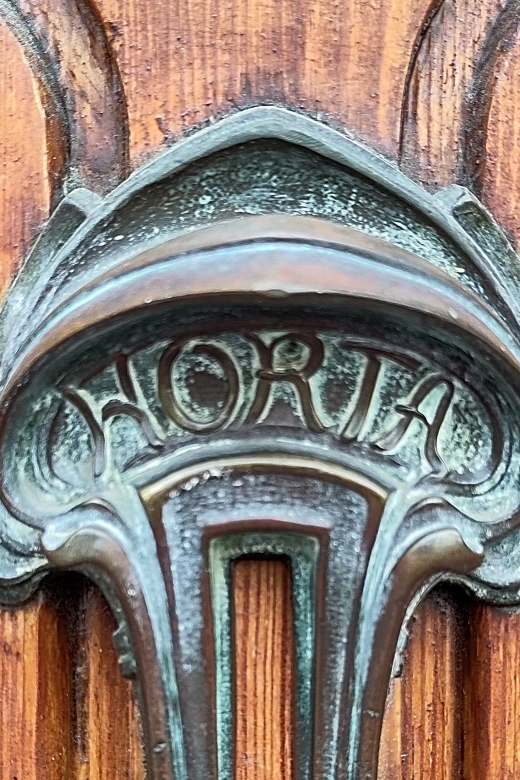
Brussels can feel like a lot if you go in cold. Art-Nouveau buildings are everywhere, but the hard part is knowing what you’re looking at. This tour solves that by teaching you how the movement thinks—through materials, surfaces, and decoration—while you’re actually seeing the examples.
What makes it fun is the rhythm: walk a short distance, then stop long enough to decode what’s on the façade. You’re not just admiring curves and plants. You’re learning the building blocks of the style, the same way a painter learns tools before picking colors.
You can also read our reviews of more guided tours in Brussels

Getting started by Horta Metro: where to meet and what to notice first
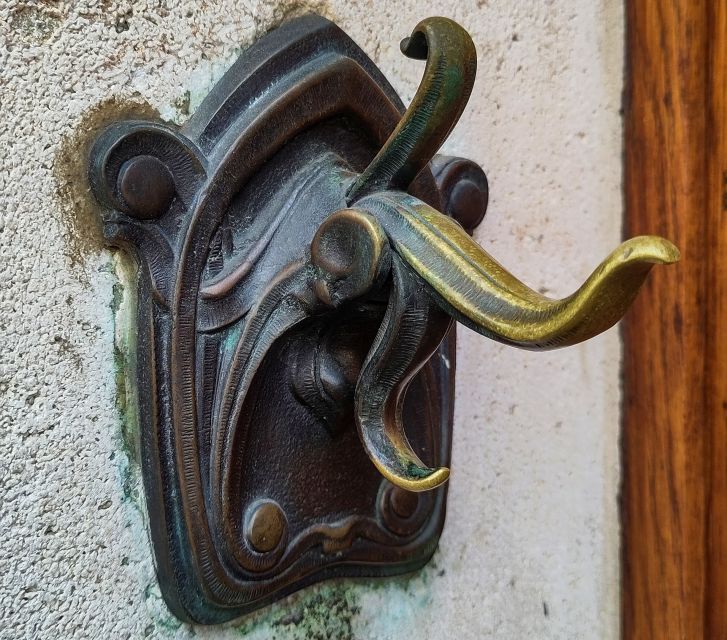
The meeting point is right by Horta Metro station (lines 3 and 4) on the Chaussée de Waterlo, at number 187. The guide will be easy to identify with a Curiositas Mundus badge, so you’re not playing the awkward game of guessing who knows what.
From the start, pay attention to the façade patterns around the station area. Even before the deeper explanations begin, Brussels’ Art-Nouveau tells on itself: repeating motifs, careful placement of ornament, and a sense that decoration is part of the building’s structure—not just pasted on later.
Practical tip: if rain is possible, bring what the tour asks for—umbrella and rain gear. This is a walking tour, and drizzle doesn’t make architecture less interesting, but it does make your phone screen less usable.
The technique lesson you’ll carry home: sgraffito versus frescoes
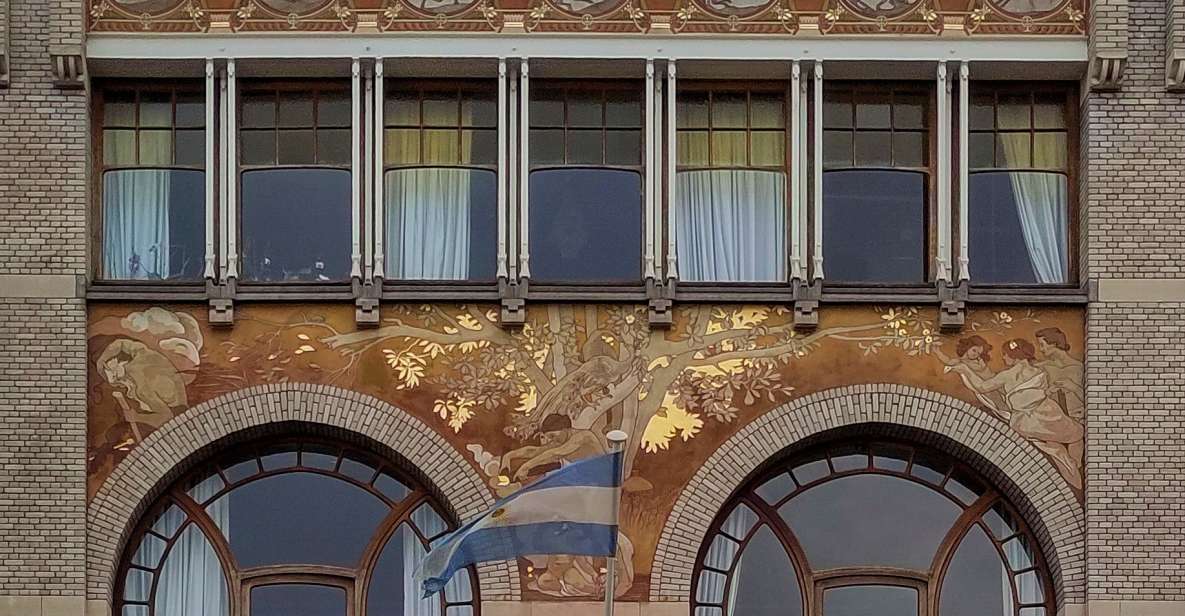
Art Nouveau isn’t only about shapes. A big part of the story is how surfaces are made. That’s where the tour’s focus on the sgraffito technique becomes especially useful, because once you understand it, you’ll start spotting it across other buildings you see later in Brussels.
Here’s the key idea:
- Sgraffito is usually created by applying layers of colored plaster or render, then scratching through the top layer to reveal the contrasting layer underneath. The design is literally drawn by removing material.
- Fresco is wall painting done with pigment applied to wet plaster, so the paint becomes part of the surface as it dries.
Why this matters on the street: when you learn what a surface is made of and how it’s revealed, you stop treating façades like wallpaper. You start reading them like a process.
This tour also frames sgraffito in a wider way—showing you what techniques are common in Art-Nouveau work and why those methods suited the style’s desire for hand-crafted character. The audiovisual additions help connect what you see in real time with the concept being explained.
Saint-Gilles and Ixelles: reading Art-Nouveau façades like a pro
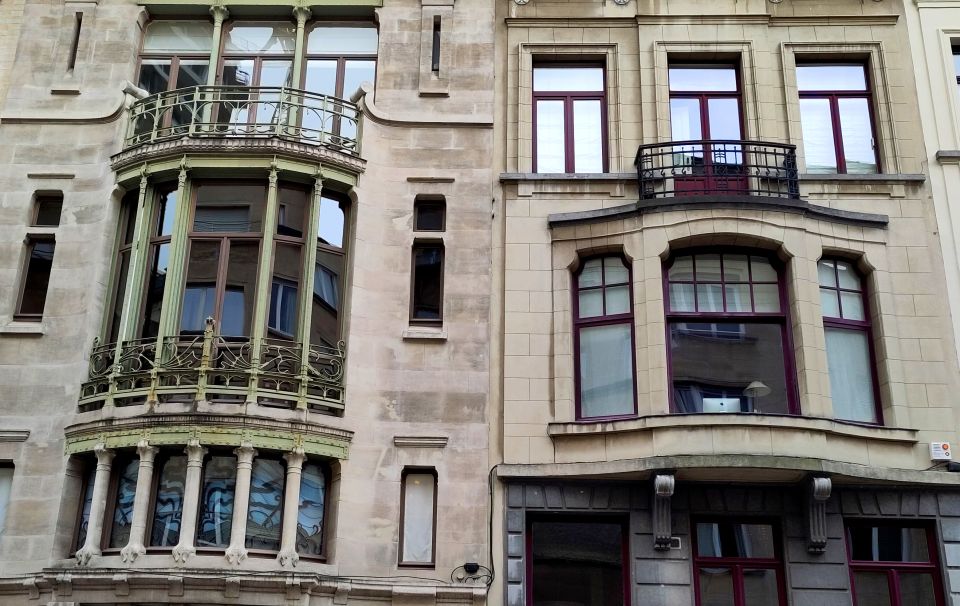
This route is centered on areas of Brussels where Art-Nouveau houses remain in stable form—especially around Saint-Gilles and Ixelles. That’s a big deal. In cities, architectural styles are often represented by one or two famous survivors. Here, you get more chances to compare buildings and patterns, which makes learning stick.
As you walk, you’ll likely spend time on details that are easy to miss when you’re just sightseeing:
- How ornament is integrated into the façade, rather than stuck on randomly
- How windows, lines, and decorative elements work together
- How exterior treatments create a sense of movement and texture
And yes, this is where a guided explanation pays off. Without it, you might enjoy the look but miss the logic. With it, you can look at a façade and say, I know why this surface treatment matters. That feeling is the real souvenir.
A small consideration: because this is a guided route, you’ll want to stay attentive during the stops. If you’re the kind of person who likes to wander ahead for photos, you may feel slightly rushed during explanation moments.
Horta’s Maison du Peuple remains: the story behind a famous name
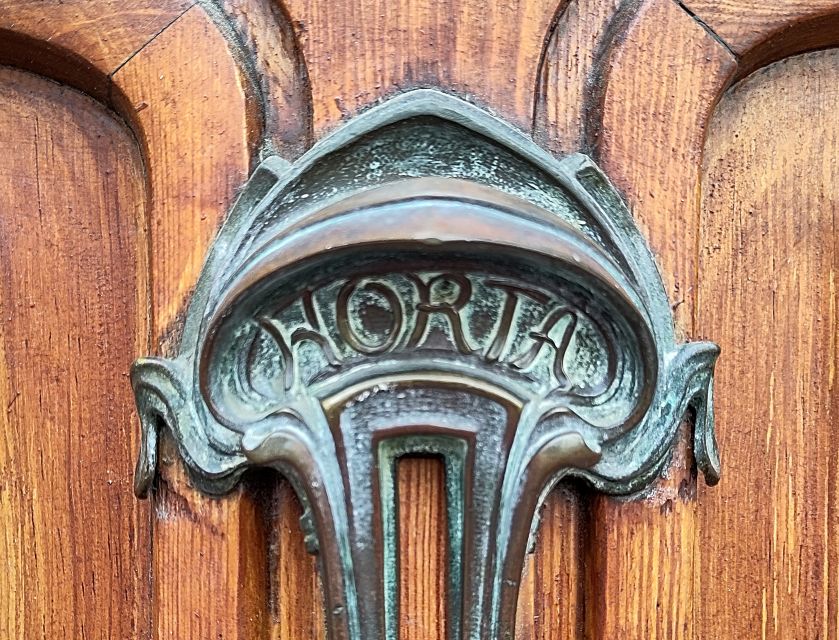
One of the tour’s central moments is exploring the historical remains of Victor Horta’s Maison du Peuple. Even if you don’t know Horta’s work yet, the guide’s approach makes the building feel understandable rather than mysterious.
Why this stop is worth it:
- Horta is one of the anchors of Art-Nouveau thinking in Brussels.
- The tour uses the remains to connect the style’s details to a larger cultural and architectural ambition.
- You’re not only learning about decorative techniques—you’re also learning how those choices relate to a specific place and purpose.
You’ll also get context about what was considered the first major Art-Nouveau house. The tour is set up to answer that kind of question directly as part of the flow—so you leave with more than just a list of pretty streets. You leave with a sense of sequence, when styles began, and why that timing matters.





Following the guide into the outskirts: charming streets with a learning pace
The tour covers about a three-kilometer route around the outskirts of Brussels. That distance is manageable for most people, but it’s long enough that you’ll feel you’ve done something by the end. Total time is 150 minutes, which is a good match for anyone who wants a meaningful walking experience without turning the day into a marathon.
What I like about this setup is that it balances “structured learning” with time for actual street impressions. You’re encouraged to admire some of the most beautiful streets of the Belgian capital, but the beauty isn’t treated as random. The guide helps you link each view to the design ideas you just learned.
If rain shows up, don’t panic. Just dress for it. The practical instruction is clear: bring an umbrella, raincoat, or poncho. You’ll still be outside, and Art Nouveau details keep their charm even when the weather is moody.
The guide and the teaching style: clear answers beat guessing
This tour is live and guided in Spanish. The format includes additional audiovisual information, which helps when architecture concepts get tricky. Instead of only relying on what you can infer from looking, you get backup.
From the way the tour has been described by past participants, the teaching style matters. One Spanish review specifically names Samuel as the guide and praises how clearly he explained what Art Nouveau is, using different façades so the explanations landed better. Another highlight you can expect in practice: you’ll be able to ask questions, and the guide won’t treat them like an interruption.
I’d call this tour a good choice if you prefer explanations that are direct and grounded in what you can see. If you want a silent photo walk, this probably won’t be your perfect fit.
Price and value: why $17 can be a smart use of your Brussels time
At $17 per person for 150 minutes with a live guide, this is priced like a focused learning experience rather than a generic city stroll. You’re getting:
- A guided walking tour
- Additional audiovisual information
- A route designed to cover real Art-Nouveau pockets, including the Maison du Peuple remains context
- A practical technique lesson (especially sgraffito) that makes future self-guided exploring easier
Value isn’t only about cost—it’s about what you leave able to do. After this, you’re more likely to look at façades and recognize surface techniques and design intentions. That means the tour doesn’t end when you do. It keeps working while you wander the city afterward.
Who should book this and who might not
This tour is a strong match for you if:
- You want to understand Art Nouveau beyond general admiration
- You like learning how decorative techniques work, not just what they look like
- You’re planning to spend time in Brussels’ neighborhoods beyond the absolute tourist core
It may be less ideal if:
- You only read Spanish at a beginner level and you’re worried about following explanations closely
- You dislike walking outdoors for about a three-kilometer route
- You want to spend most of your time strictly taking photos without stopping for instruction
Should you book the Brussels Fall and Rise of Art-Nouveau guided tour?
If you’re curious about Art Nouveau but tired of feeling like you’re guessing what you’re seeing, I think this tour is worth it. For a modest price, you get a guided route with technique-focused learning, clear explanations (including sgraffito and how it differs from frescoes), and a meaningful context stop connected to Victor Horta’s legacy through the Maison du Peuple remains.
Book it if you want to come away with a sharper eye and a better way to explore Brussels on your own right after. Just remember: pack an umbrella, dress for the weather, and stay engaged during the stops so you actually earn the learning.
FAQ
How long is the Art-Nouveau guided tour?
The tour lasts 150 minutes.
Where do I meet the guide?
Meet next to Horta Metro station (lines 3 and 4) on the Chaussée de Waterlo, at the height of number 187.
What language is the tour offered in?
The live guide speaks Spanish.
How much walking is involved?
The tour includes approximately three kilometers of travel.
Is the tour wheelchair accessible?
Yes, the tour is wheelchair accessible.
What’s included in the price?
It includes a guided walking tour and additional audiovisual information.
Do I need to bring anything?
Bring an umbrella and rain gear.
What should I do if it rains?
If rain happens, bring an umbrella, raincoat, or poncho.
Can I cancel for a refund?
Yes. You can cancel up to 24 hours in advance for a full refund.