REVIEW · BRUSSELS
Brussels: Art Nouveau Walking Tour with a Local Guide
Book on GetYourGuide →Operated by Pachadunia · Bookable on GetYourGuide
Art Nouveau in Brussels is never just stone. This Belle Époque walking tour pairs iconic names like Victor Horta with lesser-known architects, so you see the city’s 1900-era imagination without getting stuck in the usual crowd paths. What I like most is the mix of famous and not-so-famous buildings, and the way the route turns big architectural ideas into something you can actually notice on the street.
The one possible drawback is simple: you’re on foot for about 3 hours, with some transfers on public transport (tickets not included). If you need step-free routes or extra mobility support, note that the streets are not set up for wheelchairs.
In This Review
- Key reasons to take this Art Nouveau walk
- Belle Époque architecture, explained the way you’ll actually use it
- Eric the guide: the difference between seeing and understanding
- Where the tour starts: Mérode or the Grand Place area
- Stop 1 and the first style cues: Cauchie House sets the tone
- Square Ambiorix and the art of timed walking
- Etterbeek, Schaerbeek, Ixelles, and St Gilles: the neighborhoods do the storytelling
- Hôtel Solvay and the payoff at the end of the route
- Optional Art Nouveau restaurant meal: adding flavor without the stress
- Price and value: is $91 a smart use of your time?
- What to bring, and how to make the walk easy
- Who this tour suits best
- Should you book this Art Nouveau Brussels tour?
- FAQ
- How long is the Art Nouveau walking tour?
- How much does it cost?
- What’s included in the price?
- Are public transport tickets included?
- What languages are available for the live guide?
- Is a meal included in the tour?
Key reasons to take this Art Nouveau walk
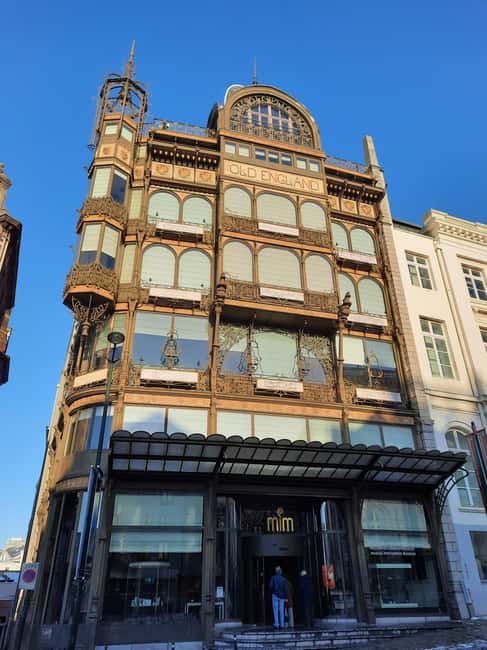
- Eric the guide: personable, funny, and able to tailor stops to what you care about
- Horta focus: you’ll spend real time on standout Art Nouveau work, not quick photo stops
- Cauchie House + Square Ambiorix: two early anchors that help you read the style on your own
- Neighborhood mix: Etterbeek, Schaerbeek, Ixelles, and St Gilles for architecture most visitors miss
- Optional Art Nouveau meal: same theme, but you choose whether to slow down and linger
Belle Époque architecture, explained the way you’ll actually use it
Brussels has an Art Nouveau story, but it’s easy to miss if you only look at the obvious façades. This walk is built to help you see how the style works: sweeping lines, decorative detail, and the confident belief that design could improve daily life. You’re not just sightseeing. You’re learning how to recognize patterns while you’re still standing in front of the building.
I also like the balance in the tour approach. Yes, you get the major reference point—Victor Horta—but you’re not trapped in one-name worship. The route includes creations by other, less-famous architects too, which matters because Art Nouveau in Brussels isn’t one person’s hobby. It’s a whole creative moment, with ideas overlapping across districts.
One more practical benefit: this is a walking tour that stays focused. In three hours you cover historic center areas plus lesser-known neighborhoods, so you finish the day with both big highlights and a better sense of where the style lived beyond the postcard core.
You can also read our reviews of more walking tours in Brussels
Eric the guide: the difference between seeing and understanding
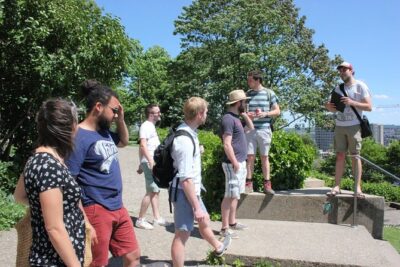
The star here is Eric, and the way he tells the story. The best thing about his approach is how he makes room for different levels of interest. If you’re an Art Nouveau fan, he can bring out the deeper connections. If you’re newer to it, he keeps the pacing friendly and makes the architecture feel understandable, not like a test.
You’ll also notice how he uses a local’s rhythm. He doesn’t just list facts. He points out what to watch for as you walk—details on façades, how buildings relate to their streets, and why certain places feel like part of the same creative wave. That’s exactly what turns architecture tours from information dumps into a real experience.
And there’s something else you’ll likely appreciate: Eric’s humor and welcoming tone. It keeps the walk from feeling stiff. You end up chatting with the city while still learning why the buildings look the way they do.
Where the tour starts: Mérode or the Grand Place area
You get two pickup options, which helps a lot if you’re staying somewhere specific. You can meet at Hilton Brussels Grand Place for a route that begins in the historic center and heads toward Ixelles. Or you can meet at Nona Pizza Merode, at the métro station Mérode, which starts a circuit through Etterbeek and Brussels before reaching Ixelles.
Either start works, but think about what kind of day you want. If you’re based near the center and want to start with the classic feel fast, go with the Hilton pickup. If you want a smoother path into the more residential architecture districts, the Mérode start is a nice choice.
This is a private group experience, and you’ll likely feel that from the pacing and attention. It’s also offered in multiple languages, so if you want English, French, Spanish, or Dutch, you can pick the one that keeps the storytelling closest to what you want to hear.
Stop 1 and the first style cues: Cauchie House sets the tone
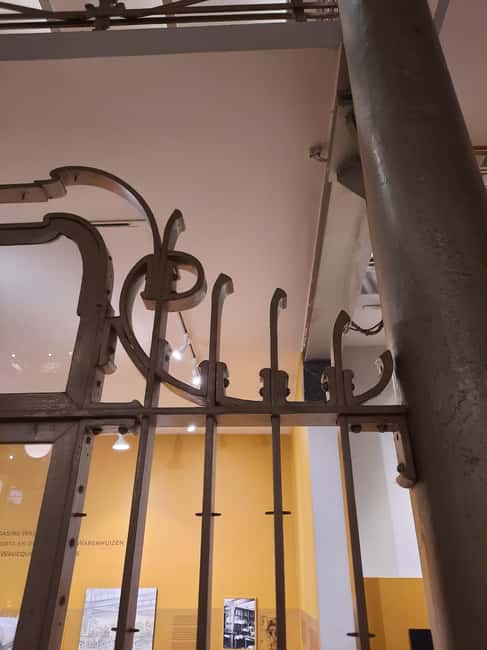
You begin at your selected pickup and then move into the architecture portion with an early, high-impact stop: Cauchie House. You get about 20 minutes here, which is a good length for a first introduction. It’s long enough to notice the building’s character without making you feel trapped in one location for the whole tour.
This kind of opening matters. An early stop gives you a mental checklist. After seeing one strong example up close, you start noticing how other buildings echo (or react against) similar design ideas. That makes the rest of the walk more rewarding because you’re not starting from zero.
A small reality check: you’ll still be walking afterward. So if you’re the type who likes to read every tiny detail, wear comfortable shoes and don’t be afraid to come back to the most interesting angles with your camera.
Square Ambiorix and the art of timed walking
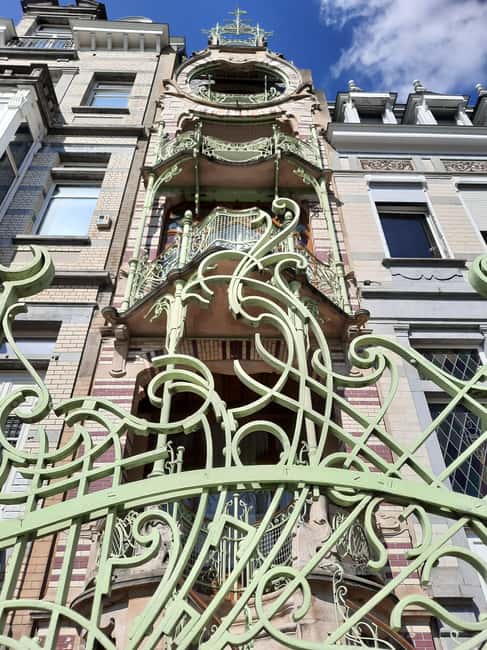
After Cauchie House, there’s a short transfer on public transport (about 10 minutes). It’s not included with tickets, so plan to cover that yourself. The point is to move between architectural zones efficiently while keeping the day at a human pace.
Next comes Square Ambiorix, where you’ll spend roughly 40 minutes. This stop is valuable because it gives you breathing room to see how Art Nouveau relates to public space. It’s not only about the building skin; it’s about how the street setting frames the design. In a square, you get more angles and distance, which can make decorative elements easier to spot and understand.
Here’s the practical tip I’d give you: if you’re photographing, don’t spend all your time on the front façade. Look for side views and how the building meets the ground. You’ll often get better compositions, and you’ll understand the architecture faster.
The route then includes another guided stop after Square Ambiorix (the plan moves you to a different point for a fresh look), followed by another public transport segment of about 25 minutes.
You can also read our reviews of more guided tours in Brussels


Etterbeek, Schaerbeek, Ixelles, and St Gilles: the neighborhoods do the storytelling
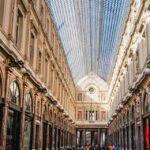
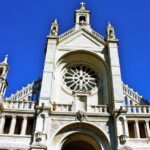
One reason this tour feels different is the neighborhood mix. You pass through Etterbeek, Schaerbeek, Ixelles, and St Gilles, and the tour uses those areas to show you how Art Nouveau spread beyond the most obvious landmarks.
This is where the experience becomes more than a list of buildings. Districts have a mood. Streets have scale. When you move from one neighborhood to another, you start to see how the style fit local contexts—how it looked at street level, how it sat among everyday life, and how different architects expressed similar ideas with their own voice.
You’ll also have a longer guided stretch in Ixelles, around one hour. That’s a big chunk for a walking tour, and it’s time well spent. A longer block lets your eyes adjust and your understanding build. You don’t just glance and move on. You learn to notice patterns: the relationship between ornament and structure, and how the design choices guide your gaze.
If you like architecture but get bored when tours rush, this layout helps. It keeps the day flowing while still giving enough time for your brain to connect the dots.
Hôtel Solvay and the payoff at the end of the route
The last major guided highlight is Hôtel Solvay, with about 20 minutes on site. This is a strong finish because it brings you to one of the iconic Art Nouveau addresses on the route. You’ll see why the style has such a lasting reputation, not just because it looks impressive, but because it feels deliberate in how everything is arranged.
I like finishing here because it gives you closure. After walking through multiple districts and comparing different architectural expressions, your eyes are already warmed up. At the end, you can appreciate the coherence between detail and overall design intent.
Again, plan for the last part of the day to be photo-heavy. Keep your water handy, and pace your shots so you don’t arrive at the end exhausted. The tour is built for a steady rhythm, not a sprint.
Optional Art Nouveau restaurant meal: adding flavor without the stress
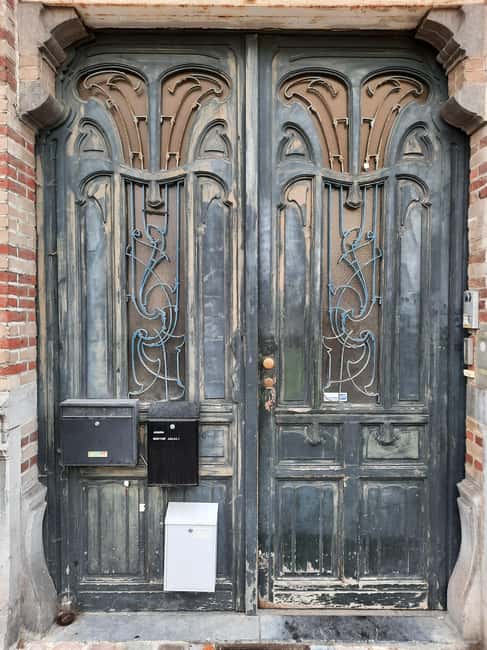
If you want, the tour can include a meal at a period Art Nouveau restaurant. It’s not included in the price, but the concept is simple: you keep the theme going from architecture to interior décor. The décor is described as surprising and moving, and it’s also noted as being almost unchanged for more than a century, so it’s not just a gimmick.
Here’s how to think about it. If you tend to get hungry on walking days, this option can be a smooth transition. It also helps you slow down and absorb what you saw. But if you prefer to control timing, you can skip it and pick your own stop nearby.
Either way, having a themed meal option is a nice value-add, because it extends the story beyond façades and doorways.
Price and value: is $91 a smart use of your time?
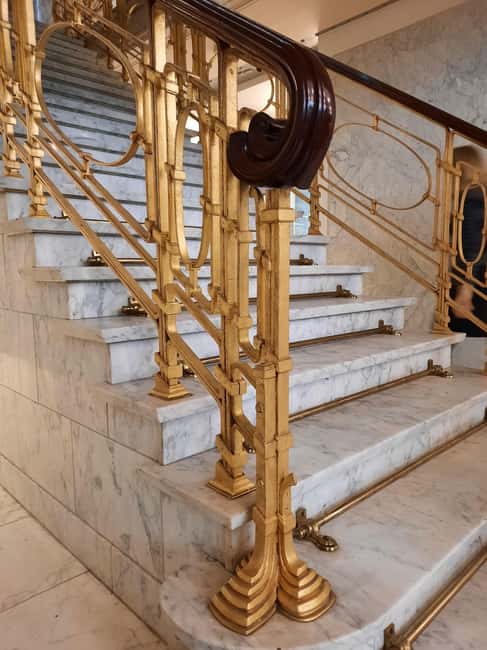
At $91 per person for a roughly three-hour guided walk, you’re paying for more than entrances and sightseeing stops. You’re paying for an expert local guide who connects buildings, districts, and style influences into a route that makes sense.
What’s included matters. You get guided visits to Art Nouveau buildings, plus time in the historic center and lesser-known districts. You also get the guide’s in-depth perspective on Art Nouveau, which is where a walking tour earns its keep. Anyone can stand in front of a façade. Few tours help you understand what you’re looking at in real time.
A couple things are not included. Meals and drinks are extra, and entrance fees to museums or attractions are not part of the package. Public transport tickets also aren’t included, even though you do use public transit during the route. If you’re budgeting, factor that in so the day feels predictable.
On balance, the price feels fair if you want a guided experience that covers multiple districts in one go. It’s also a good option for non-experts, since the guide can keep storytelling accessible while still being interesting for architecture lovers.
What to bring, and how to make the walk easy
This is a walking-focused experience, so your biggest gear choice is footwear. Bring comfortable shoes and weather-appropriate clothing. Water helps during a few concentrated guided stops and transfers, especially if you hit a warm day.
You’ll also want a camera. The tour is designed for close viewing and repeat angles, so photos are part of the fun. And if you like taking notes, keep a small notebook or save voice memos on your phone for what stood out most.
One practical consideration: the tour route doesn’t work well for wheelchairs, since Brussels streets aren’t adapted in the way you’d need for a smooth, accessible experience.
Who this tour suits best
I’d point this tour at you if you want a serious Art Nouveau fix but you don’t want it to feel academic. It’s also great if you like tours where the guide can match your interest level.
You’ll probably love it if:
- You’re drawn to Art Nouveau details and want help seeing what to look for.
- You like architecture but aren’t sure where to start.
- You prefer a route that mixes major landmarks with less-visited neighborhoods.
You might consider another option if you dislike walking for long stretches or if public transport transfers are hard for you. Also, if you want a museum-heavy day with lots of indoor time, this is more street and building focused than that.
Should you book this Art Nouveau Brussels tour?
If your goal is to see Brussels Art Nouveau in a way that actually changes how you look at the city, this is a strong choice. Eric’s storytelling is the main reason to book: the tour isn’t just moving you between buildings, it teaches you how the style connects across districts and architects. Add in the focused time at Cauchie House, Square Ambiorix, and Hôtel Solvay, and you get a route that feels both structured and flexible.
Book it if you want value for your time, you enjoy architecture, and you’re comfortable walking for about three hours. Skip it if you’re looking for a totally indoor, fully accessible route or if you only want the single biggest landmark and nothing else.
FAQ
How long is the Art Nouveau walking tour?
The tour lasts about 3 hours.
How much does it cost?
It costs $91 per person.
What’s included in the price?
The price includes a guided tour of Art Nouveau buildings, visits to the historic center and lesser-known districts, and an expert guide.
Are public transport tickets included?
No. Public transport tickets are not included.
What languages are available for the live guide?
The tour is offered in Dutch, English, French, and Spanish.
Is a meal included in the tour?
Meals and drinks are not included. A meal can be added optionally at an Art Nouveau restaurant, if you wish.