REVIEW · GHENT
2 Hours Private Historical Walking in Ghent
Book on Viator →Operated by Beardbarian Entertainment Tours · Bookable on Viator
Ghent has a way of packing big meaning into small streets. This private historical walking tour keeps the focus on trade, politics, and everyday life—so the medieval façades start to make sense fast.
What I like most is the guide level: Yves (Beardbarian Entertainment Tours) brings a history degree, sharp humor, and a real local feel for how Ghent grew into the place it is. The second big win is the stop design: you move from the old harbour to major civic and commercial stories, so it’s not just photos—it’s cause and effect. One possible drawback: it’s still a walking tour, so comfortable shoes matter, and if you need to rest, you should tell the guide so the route can work for you.
In This Review
- Key highlights you’ll care about
- Why this Ghent walk makes history click on the street
- Route basics: where you start and where you finish
- The old harbour stop: where medieval trade secrets live
- A famous landmark (and why its evolution mattered)
- Trade that made Ghent great—and got it into trouble
- The multi-purpose building: power of the people, not just kings
- Where wealthy Old Ghent lived (and what that contrast teaches)
- Guide experience: Yves’ humor and local memory are part of the product
- Price and value: $336.82 per group can be cost-friendly
- Practical tips to make the most of the walk
- Should you book this private Ghent walking tour?
- FAQ
- How long is the private historical walking tour in Ghent?
- Is this tour private?
- Where does the tour start and end?
- Does the tour offer pickup?
- Is Belgian beer included?
- Can I cancel for a full refund?
Key highlights you’ll care about
- Small-group feel, big personalization: private tour for your group only (up to 10).
- English-guided storytelling with a guide who knows how to make history readable.
- Old harbour trade stories that explain what merchant and sailor life meant in medieval Ghent.
- A landmark-focused stop that connects its creation and evolution to the history around it.
- Civic power through a multi-purpose building—the “people” side of Ghent’s influence.
- Finish near Hoogpoort so you can keep the evening going with pubs and restaurants close by.
Why this Ghent walk makes history click on the street
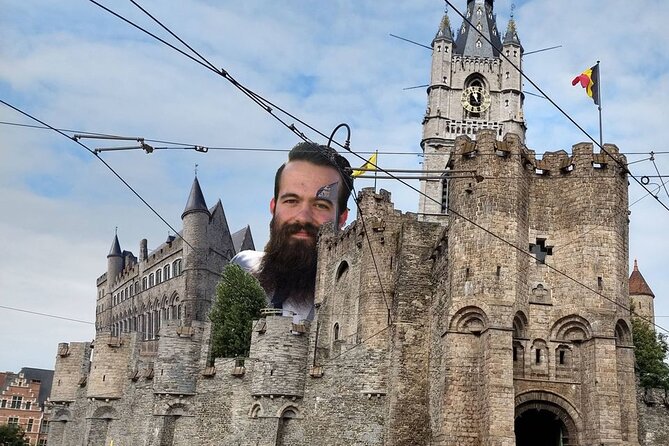
Ghent history can feel like a list until someone links it to daily life. This tour does that with an approach you can feel as you walk: every stop ties back to what moved the city—commerce, leadership, and civic identity.
I especially like how the tour uses trade as a thread. The focus isn’t abstract monarchy talk. You’ll hear about sailors and merchants, and how the old harbour functioned behind the scenes. That matters because Ghent’s wealth and power came from people moving goods, money, and connections. When you understand that engine, the buildings stop being “pretty” and start being useful—like they’re still doing a job, even centuries later.
The other thing I like is the guide energy. Yves isn’t presented as a lecturer. Based on the feedback, he mixes historical context with a sense of humor and personal warmth, and that keeps the stories from turning heavy. If you’ve ever had a walking tour where you lose the thread halfway, you’ll appreciate this style more than you expect.
You can also read our reviews of more walking tours in Ghent



Route basics: where you start and where you finish
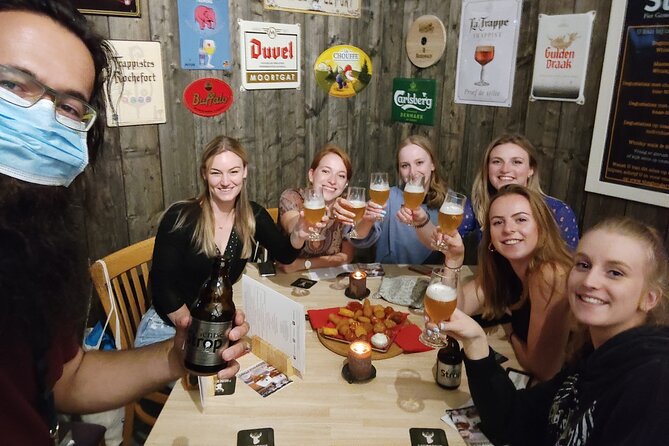
The tour starts at Gent Korenmarkt perron 29000 Ghent, Belgium. That’s a central meeting point, which helps if you’re arriving from elsewhere in the city. It’s also a good way to begin in the middle of the action instead of starting out at some far-off edge.
You end at Hoogpoort 56, 9000 Gent, close to plenty of places to grab a drink or a bite. The end location is the kind of finish point that lets you transition immediately from guided time to wandering time—especially useful when you want to keep exploring without losing your bearings.
If you want pickup, the tour offers it. You can communicate your hotel location so the guide can meet you—by phone or email. That’s practical if you’re staying near the center but don’t want to manage the first-minute rush of finding a meeting spot.
The old harbour stop: where medieval trade secrets live
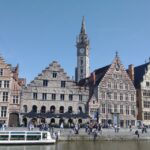
Your first major story is the old harbour. This is more than a scenic introduction. The key promise here is the behind-the-scenes view: you’ll learn old trade secrets and hear experiences of sailors and merchants, plus how the medieval façade of the town hides—or at least masks—what was really going on.
Why this stop is smart: Ghent’s wealth didn’t appear from nowhere. Maritime trade and moving goods shaped who got power, who got rich, and what kind of city Ghent became. When you’re standing in or near the harbour area, you can start asking better questions: Who used these routes? What did the city need to keep running? How did people make money from shipping, logistics, and the customers who were willing to pay?
One practical tip: when the guide points out details, slow down and look. Harbour areas often read as “just roads and buildings” unless someone helps you connect them to movement—boats, warehouses, streets where supplies would travel, and the people who made it all work.
A famous landmark (and why its evolution mattered)
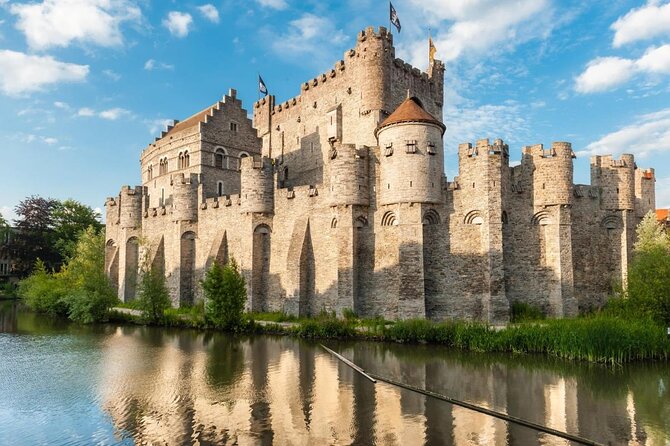
Next comes one of Ghent’s most famous landmarks, where you discover how its creation and evolution changed the history of the surrounding area. You’re not just getting a name. You’re getting a storyline: what was built, why it mattered at the time, and how that shifted what came next.
This kind of stop is valuable because it prevents a common tourist trap: seeing a landmark as frozen in time. Many major buildings in old cities have layers—political priorities, economic changes, repairs, expansions. The tour format helps you think about what changed and why, so you can keep making connections after the walk ends.
What to watch for as you listen: the guide will likely connect the landmark to the city’s wider power dynamics—who gained influence when the building was created, and how its later evolution reflected new realities. Even if you’re not a deep architecture person, the “why it changed” angle makes the landmark feel alive.
If you’re short on time in Ghent, this stop is a good one to prioritize because it acts like a hub. After you understand the landmark’s role, the streets around it tend to feel less random.
Trade that made Ghent great—and got it into trouble
Another stop centers on the trade that made Ghent and Flanders great, and how it brought trouble with some of the most powerful leaders of Europe. This is where the tour turns from local to international.
That’s a big deal for value. City tours often stay inside the city walls. This one connects Ghent’s economic success to pressure from “bigger” forces—leaders who wanted control, advantage, or influence. You’ll hear how thriving commerce could make Ghent attractive, but also a target, because power and profit rarely stay purely local.
If you like history that explains tensions rather than just outcomes, this part should land well. Trade creates winners. Winners create rivals. And rivals create politics. In other words: you’ll get the cause-and-effect chain that helps you understand why Ghent’s story isn’t only about prosperity.
Practical note: these stops can be the most concept-heavy. If you tend to get mentally overloaded, let the guide’s pacing do its job. Ask a quick question if something feels unclear; this is a private tour, so you can get clarification without slowing down a big group.
You can also read our reviews of more private tours in Ghent





The multi-purpose building: power of the people, not just kings
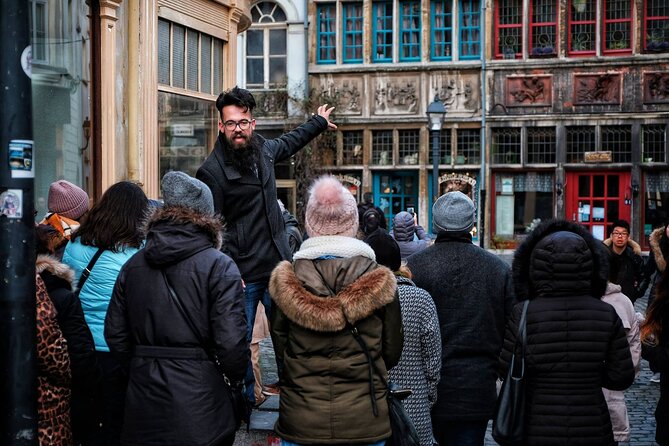
One stop focuses on a multi-purpose building that represented the power of the people living in town. This is a refreshingly grounded angle. Instead of treating history like it only happened at palaces, you get a view of civic power.
When people share power locally, you usually see it in the places where community decisions happen—buildings where different functions overlap, and where the public presence matters. Even without naming every institutional detail, the stop’s message is clear: Ghent’s identity wasn’t only shaped from above. It was shaped by the town’s residents and their collective influence.
This part of the walk also helps you “read” Ghent differently after the tour. You’ll be more alert to signs of civic life: public-facing spaces, structures that suggest gathering or authority, and the way different social groups might have interacted.
Where wealthy Old Ghent lived (and what that contrast teaches)
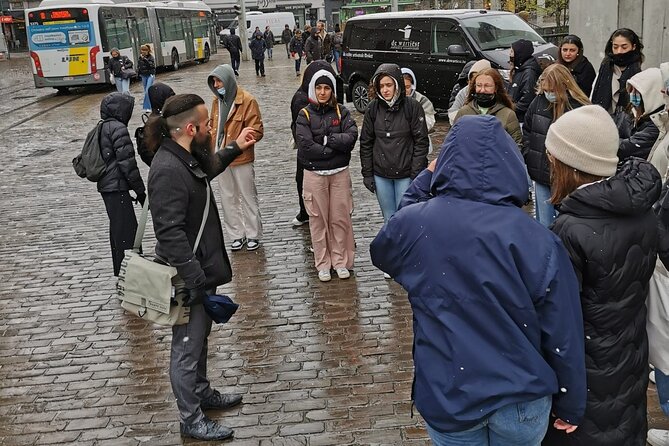
Near the later part of the route, you’ll see how the wealthy of Old Ghent lived. The tour doesn’t frame it as gossip. It’s more useful than that: you learn through contrast—what wealth changed in daily living, and how social status shaped the urban feel of the city.
I like stops like this because they make the city easier to visualize. Trade explains money. Politics explains conflict. Then this kind of stop explains outcomes in real life: where wealth concentrated, what it meant for neighborhoods, and how the city’s physical character reflected different lifestyles.
Even if you’re traveling on a short schedule, this stop can give you a “so that’s why this street feels like this” feeling. You start to notice differences in scale, frontage, and the way the city’s layout hints at social separation and opportunity.
Guide experience: Yves’ humor and local memory are part of the product

A 2–3 hour tour lives or dies by the guide. This one is repeatedly praised for Yves’ blend of expertise and personality. The feedback highlights:
- a history degree
- a sharp, friendly sense of humor
- a personable style
- local upbringing that gives stories a real “I’ve seen this from the inside” quality
That last point matters more than people think. Someone who grew up locally can add small context you won’t find in a guidebook. Not random trivia. Context—like how Ghent changed over time, what locals still notice, and how to interpret the city’s medieval layers without feeling lost.
And because it’s private, you get a more natural conversation flow. If you want a quick clarification or want the route to focus more on trade than on civic power (or vice versa), a private guide can adapt the pacing to your interest level.
Price and value: $336.82 per group can be cost-friendly
The price is $336.82 per group for up to 10 people, and the tour lasts about 2 to 3 hours. That structure is key for value.
If you come as a small group, the cost per person drops quickly compared with booking multiple individual guided tours. If you’re two or four people, you’ll feel the value more than you would with a per-person ticket. If you’re solo, it’s still a good way to get a custom route, but the pricing model is clearly designed for shared groups.
Also, all fees and taxes are included. That reduces the usual “wait, what else is extra?” stress. The only clear non-inclusion is alcohol: a Belgian beer stop is not included.
So you’re paying for guidance, time, and interpretation—not for add-ons. If you want to taste beer anyway, you can do it on your own schedule after the tour ends near Hoogpoort.
Practical tips to make the most of the walk
Here’s how to get the smoothest experience.
- Wear walking shoes. This is a walking route, and Ghent’s streets are often not flat.
- Plan for a quick rest option. The tour notes that if you have trouble walking long distances (injury, pregnancy, etc.), you can tell the guide so they can make sure you walk past places where you can sit and rest.
- Bring phone-friendly tickets. You’ll use a mobile ticket.
- Use the pickup option if it helps. Communicate your hotel by phone or email so the guide knows where to meet you.
- Ask for food and pub direction at the end. The tour ends at Hoogpoort, close to spots to keep the evening going.
Finally, remember the tour’s tone: it’s built around stories. If you show up curious—about how trade shapes politics, how civic power shows up in buildings, and how wealthy living reflects the city’s economy—you’ll enjoy it more than a pure checklist sightseeing mission.
Should you book this private Ghent walking tour?
Book it if you want a guided walk that explains why Ghent looks the way it does. The strongest reason is the guide fit: Yves pairs a history degree with humor and local feel, and that makes medieval trade, civic power, and political conflict come across clearly.
It’s also a smart booking if you’re traveling with a small group (up to 10). The shared price model plus a private format can feel like good value, and you’ll get room to ask questions without holding up others.
Skip it only if you strongly prefer museums or indoor stops over street-level storytelling. Since the format is a walking tour with multiple stops, it’s best when you’re ready to keep moving for about 2 to 3 hours.
If your goal is to leave Ghent understanding the “engine” behind its old greatness—not just collecting landmark photos—this is an easy yes.
FAQ
How long is the private historical walking tour in Ghent?
The tour runs for about 2 to 3 hours.
Is this tour private?
Yes. It’s a private tour/activity, so only your group participates.
Where does the tour start and end?
It starts at Gent Korenmarkt perron, 29000 Ghent, Belgium, and ends at Hoogpoort 56, 9000 Gent.
Does the tour offer pickup?
Pickup is offered. You can tell the guide which hotel you’re staying at by phone or email so the guide can arrange pickup.
Is Belgian beer included?
No. Alcoholic beverages are not included, and a Belgian beer stop is not included in the tour.
Can I cancel for a full refund?
Yes. You can cancel up to 24 hours in advance for a full refund.