REVIEW · BRUSSELS
1.5h Belgian Chocolate Workshop in Brussels (bean to bar)
Book on Viator →Operated by The Belgian Chocolate Makers SRL · Bookable on Viator
Chocolate begins with bitter beans. In this Brussels bean-to-bar workshop, you start by tasting raw cacao and move into real chocolate-making steps like tempering on a marble table. I also love the mix of education and action: you learn why Belgian chocolate behaves the way it does, not just how to assemble sweets, but the room can feel cool, so dress for it.
You’ll make a proper set of Belgian-style treats—think mendiants and truffles—plus a personalized chocolate bar, then pack everything into a gift box to take home. The instruction style is warm and practical, with staff like Patricia (and sometimes Elisabetta) keeping things clear and moving at a good pace.
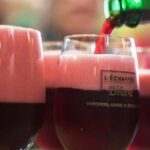
If you go for the VIP upgrade, you add a welcome glass of champagne and an embroidered apron with the logo. It’s a great 90-minute stop when you want something hands-on that still feels very “Brussels,” not just another souvenir factory.
In This Review
- Key points worth knowing
- Bean-to-bar in a Brussels training centre: what 90 minutes feels like
- The cacao tasting that sets up the chocolate: bean, liquor, and mucilage
- Tempering on marble and making mendiants, truffles, and a personalized bar
- Ruby pink chocolate secrets: what you learn versus what you taste
- VIP upgrade: champagne and an embroidered apron
- Location, check-in, and how to plan your arrival
- Price and value: is $76.19 fair for a Belgian chocolate workshop?
- Who this workshop suits best (and who should think twice)
- My booking advice: when to go and what to bring
- Should you book this Belgian chocolate workshop?
- FAQ
- How long is the Belgian Chocolate Workshop in Brussels?
- What languages are available?
- What do I make and take home?
- Do I need to wear a hairnet?
- Is there a VIP upgrade?
- Can I get a full refund if I cancel?
Key points worth knowing
- Bean-to-bar focus: taste cacao origins and learn what goes into real chocolate, not just flavored candy.
- Hands-on tempering: the marble-table tempering is the kind of technique you’ll remember.
- A take-home gift box: you don’t just snack on site—you leave with your own chocolate creations.
- Cacao tasting route: raw beans, cacao liquor, and cacao pod juice (mucilage) come before the sweets.
- Ruby pink chocolate context: you’ll learn how ruby pink chocolate is made, though tasting may vary by session.
- VIP perks are straightforward: champagne plus an embroidered apron, not a vague bundle of extras.
Bean-to-bar in a Brussels training centre: what 90 minutes feels like
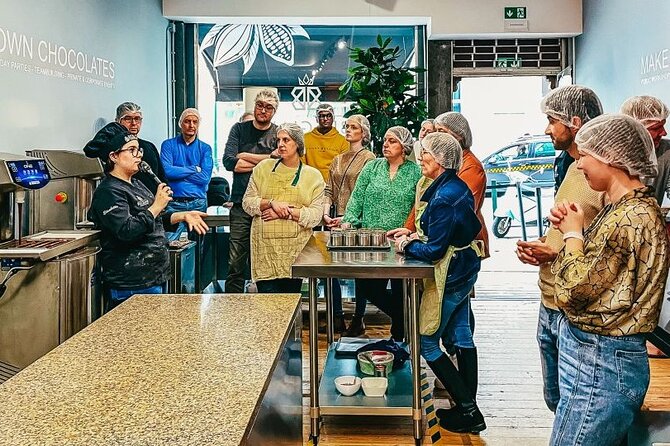
This workshop runs about 1 hour 30 minutes and keeps the group size capped at 60. You’ll be in a brand-new 170 m² training centre with air-conditioning, and that matters because chocolate work often uses cool-to-warm processes where stable conditions help. One thing to plan for: it can feel cool inside, even in warmer weather, so bring a light layer.
You’ll get a mobile ticket, and the sessions run at 11 AM, 2 PM, and 5 PM. Booking tends to fill up (the average booking window is about 36 days), so pick your time early—especially if you’re pairing it with other Brussels hits like Grand-Place-area walks.
Before you start, you’ll be given a hairnet and asked to wear it during the workshop. Water dispensers are available, and there’s a disabled-access toilet on site, which is a helpful basic comfort for a hands-on activity.
If you’re traveling with kids, this format usually works better than long museum-style stops because you’re doing things with your hands. Still, go in knowing the time is tightly managed, so you’ll get guidance and then move straight into production.
You can also read our reviews of more drinking tours in Brussels



The cacao tasting that sets up the chocolate: bean, liquor, and mucilage
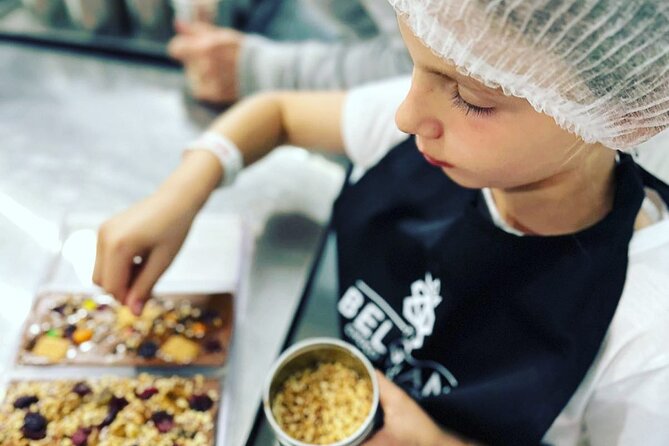
What makes this chocolate workshop feel more “real” is the cacao tasting sequence. You don’t start with chocolate first; you start with cacao in its raw forms, so the sweetness and flavor make sense by the end.
You’ll taste:
- a raw cacao bean (it’s super bitter),
- pure cacao liquor, the paste used to make chocolate (no alcohol, just cacao),
- cacao pod juice, also called mucilage,
- and you’ll even hold a fresh cacao pod and taste it at the fruit stage.
That tasting portion is more than a fun gimmick. It trains your palate to notice how chocolate flavor evolves as ingredients are processed and refined. If you’ve ever wondered why some chocolates taste more fruity or more roasty, this is where the answer begins.
I also like that the cacao is described as organic and 100% traceable to small farmers. You don’t have to become a cacao nerd for it to add value—you just get a clearer story behind what you’re eating.
Note on expectations: the workshop highlights ruby pink chocolate and the secrets behind it. You’ll learn about it, but if your main goal is lots of ruby chocolate tasting, you may want to confirm what will be served for your session before you book.
Tempering on marble and making mendiants, truffles, and a personalized bar
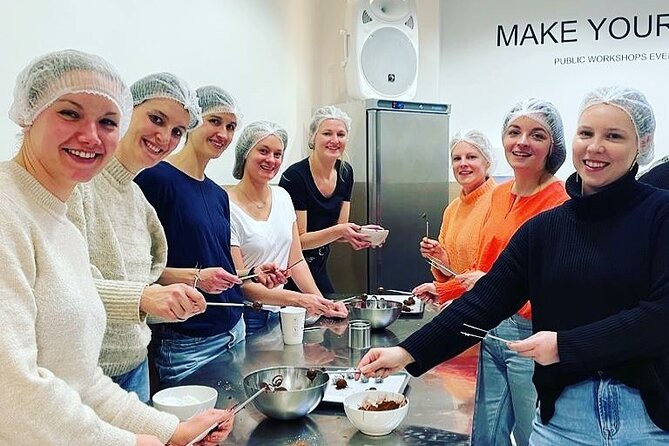
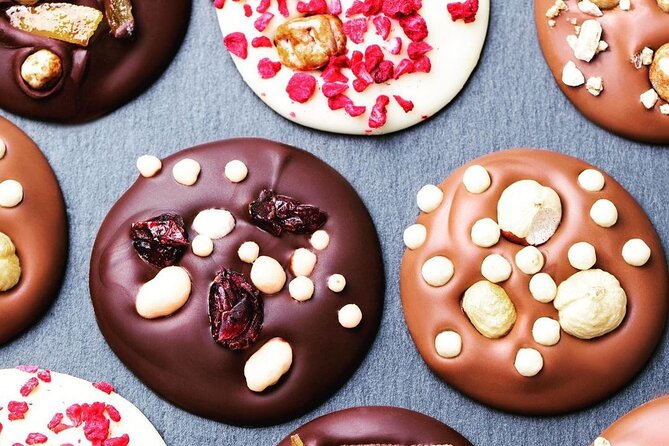
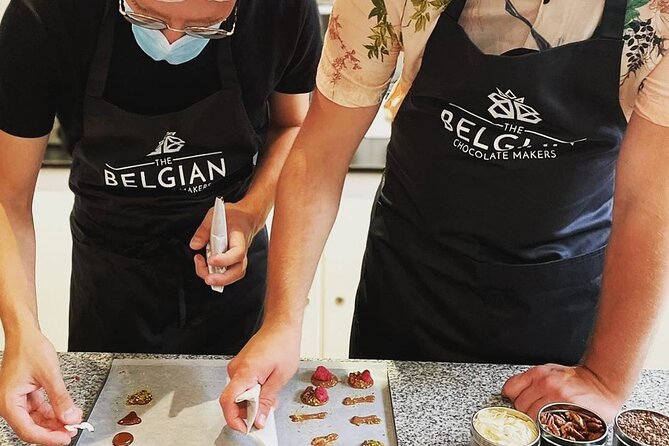
Now for the part that turns your ticket into a souvenir you actually made: hands-on chocolate work. The workshop is built around core Belgian chocolatier techniques, including tempering. You’ll watch special techniques—especially the tempering step on a marble table—then you’ll perform parts of the process yourself.
Your creations are designed to feel varied and classic, not one-note. You’ll make mendiants and truffles, and you’ll also create a personalized chocolate bar. The workshop description also mentions lollipops and mediants as part of the variety, so you’ll likely get a mix of shapes and toppings rather than repeating the same mold again and again.
A few practical points that affect how the experience lands:
- You’ll add toppings and finishes, so pay attention to the instructor’s timing so the chocolate doesn’t cool too far.
- It’s normal to get some chocolate on your clothes. Wear something you don’t mind if it gets a small stain.
- You’ll pack your chocolate into a gift box at the end, so it’s gift-ready without extra wrapping.
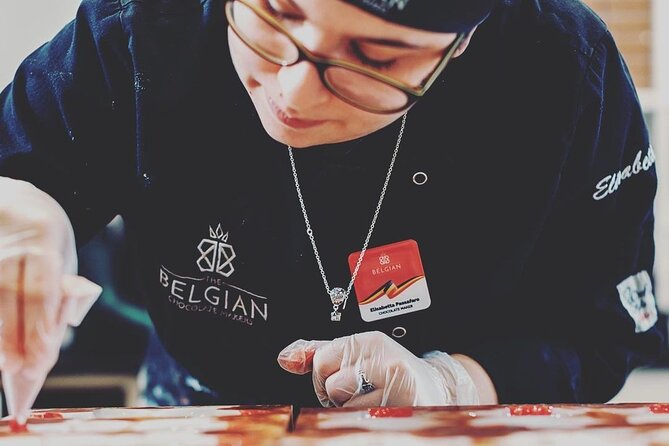
Even if you’re a beginner, the way these sessions are structured makes it feel doable. People like Patricia and Elisabetta are called out in feedback for being clear, supportive, and quick to help. That matters in a chocolate workshop, because one step done a little wrong can change the shine and texture.
Ruby pink chocolate secrets: what you learn versus what you taste
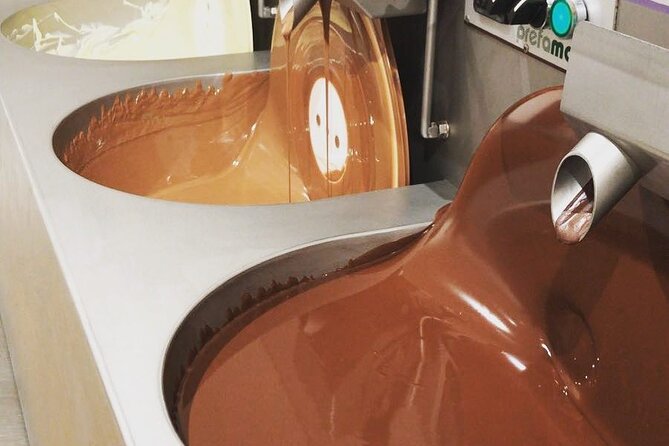
Ruby pink chocolate has a fan base for a reason: it tastes different from milk or dark, and it looks unlike the usual browns and ambers. This workshop promises you’ll find out the secrets of how ruby pink chocolate is made.
Here’s the honest way to think about it. The session is an introductory hands-on workshop, so the ruby content is likely more about process and explanation than a full ruby tasting flight. One review mentioned disappointment that there weren’t enough ruby samples or detailed ruby-making coverage, while others described the class as fun and informative.
So if ruby pink is your one obsession, I’d treat this as a learning stop with some candy, not a ruby-pink-only tasting lab. If ruby is a bonus and you’re happy focusing on the hands-on making (tempering, molding, topping), you’ll probably feel satisfied.
VIP upgrade: champagne and an embroidered apron
The VIP option is not complicated. It adds a welcome glass of champagne plus an embroidered apron with the logo. If you like the idea of turning the workshop into a more celebratory moment—birthday, anniversary, or just a special day on your trip—this is a clean upgrade.
Is it worth it? For me, it depends on what you value:
- If you’re the type who enjoys a small “thank you for taking the time” treat, the champagne is an easy win.
- If you want the apron because you like keeping a wearable memory from workshops, that’s a tangible bonus.
- If you’re on a tight budget, you still get the main value: cacao tasting, techniques, making multiple chocolates, and taking them home in a gift box.
Also, the apron is only included with the VIP upgrade, so don’t count on it as a standard souvenir.
You can also read our reviews of more tours and experiences in Brussels



Location, check-in, and how to plan your arrival
You start at The Belgian Chocolate Makers booking desk at Pl. de la Justice 5, 1000 Bruxelles. The activity ends back at the meeting point, so you won’t have to wander once you’re done.
One logistics detail to take seriously: the class isn’t at the exact check-in desk. The team walks you to the workshop location after check-in, so give yourself a few minutes. I’d arrive early, especially if you’re with kids or want an unhurried start.
Comfort-wise, plan for cool indoor temperatures. The workshop is air-conditioned, but chocolate processing areas can feel chilly, so a light sweater helps.
Accessibility note: a review mentioned stairs on the way to the lab part, so if mobility is an issue, ask ahead so you’re not surprised by steps. The presence of a disabled-access toilet is good, but route details still matter.
Transportation is a plus: you’ll be near public transit, so you can fit this between neighborhood walks without a long taxi hop.
Price and value: is $76.19 fair for a Belgian chocolate workshop?
At $76.19 per person, you’re paying for three things at once: ingredient quality, hands-on instruction, and take-home output.
Here’s what’s included that supports the price:
- organic cacao from small farmers with traceable origin,
- cacao tasting (raw bean, cacao liquor, and pod juice),
- making your own chocolate bar, mendiants, and truffles (plus the workshop’s variety),
- packing it into a gift box,
- and a 20% discount in the shop after the workshop.
That last point can tip the math in your favor if you like to buy a few bars or gifts to take home. Even if you don’t go big on shopping, the discount turns the workshop into a mini chocolate “day pass”: you taste, you make, and then you get a later incentive to bring home more.
The only clear “watch-outs” are the fit and your expectations. This is not a bean-to-bar production factory tour where you watch full industrial bean processing from start to finish. It’s a hands-on training-style workshop that teaches and practices key steps at a participant level.
If you want a mostly theoretical talk, you might feel it’s too hands-on. If you want a full professional production line experience, you might find it shorter and more guided than you expected. But if you want to leave with real, lab-level technique and multiple chocolates in a gift box, the value usually makes sense.
Who this workshop suits best (and who should think twice)
This works best for:
- chocolate lovers who like hands-on steps like tempering,
- people who want a practical Brussels activity (short, focused, and easy to schedule),
- families who want kids to taste and make instead of only watching,
- anyone curious about cacao origins and flavor differences.
It may be less ideal if:
- you have severe food allergies (it’s stated as not suitable for severe food allergy),
- ruby pink chocolate is your only target and you want lots of ruby samples,
- you’re sensitive to dark chocolate intensity, because multiple creations can lean dark depending on the session and setup.
One more practical thing: you should expect some mess. Not a disaster, but enough that clothing care is smart.
For adults, the workshop is a fun skill-building session. For families, it’s a good “tasting plus making” mix. Kids typically enjoy the molds and toppings, but you might want to confirm the chocolate types if your child prefers sweeter, milkier flavor.
My booking advice: when to go and what to bring
Because sessions run at 11 AM, 2 PM, and 5 PM, you can choose timing based on your day. If you’re doing a morning in the city, the 11 AM slot is often easier to pair with walking breaks afterward. If you want a mid-afternoon activity, 2 PM can work well before dinner plans.
Bring:
- a light layer (the room can feel cool),
- closed-toe shoes (basic comfort while you work),
- something you don’t mind getting a tiny bit of chocolate on.
If you’re booking around a special date, consider the VIP upgrade for the champagne and embroidered apron, since it’s one of the clearer “extra experiences” offered. If you’re sensitive to certain flavors, ask what chocolate types will be used in your specific session.
And if you care about ruby pink chocolate details, don’t assume you’ll get every ruby step as a full tasting sequence. Ask a quick question before you show up so the lesson matches your expectations.
Should you book this Belgian chocolate workshop?
I’d book it if you want a hands-on Belgian chocolate experience that goes past basic tasting. The cacao lineup (raw bean, cacao liquor, mucilage) plus technique practice like tempering makes it feel educational in a way that still ends with something you made with your own hands.
Skip or ask more questions first if you:
- have severe food allergy concerns,
- need very specific ruby pink tasting content,
- or want a longer, full production walkthrough rather than a guided workshop.
At $76.19, the best part is that you’re not leaving empty-handed. Between the gift-box take-home, the 20% store discount, and the chance to learn the process behind Belgian chocolate, this is one of the more practical “foodie classes” you can fit into a Brussels itinerary.
FAQ
How long is the Belgian Chocolate Workshop in Brussels?
It runs for about 1 hour 30 minutes.
What languages are available?
The workshop is offered in English.
What do I make and take home?
You handcraft chocolates and then pack them in a gift box to take home, including a chocolate bar, mendiants, and truffles.
Do I need to wear a hairnet?
Yes. A hairnet is provided and must be worn during the workshop.
Is there a VIP upgrade?
Yes. The VIP upgrade includes a welcome glass of champagne and an embroidered apron with the logo.
Can I get a full refund if I cancel?
Yes. You can cancel up to 24 hours before the experience for a full refund. If you cancel less than 24 hours before, the amount paid is not refunded.