REVIEW · BRUGES
Thé best chocolate in Bruges! Private tour!
Book on GetYourGuide →Operated by City Tours Belgium · Bookable on GetYourGuide
Chocolate turns Bruges into a walking feast. This private 2-hour tour pairs six luxury tastings with a guide who connects the chocolate story to real corners of the city, from the fish market to the Beguinage. I also like the simple, hands-on way you compare bars and pralines at three chocolate stops using the 3 C’s: cacao, color and creaminess. The one thing to consider is that the pace is brisk, so it’s built more for tasting and seeing highlights than for long shopping sprees.
You’ll start at Historium on Market Square and finish in the calm gardens of Ten Wijngaerde, with time carved out for both history and sweets. In the background, you may get tips from guides who have real fans behind them, like Claire and Helen, who are repeatedly praised for clear chocolate know-how and a love for telling Bruges stories. If you’re sensitive to strong smells, or you want a larger meal-style experience, this is still very chocolate-forward.
In This Review
- Key things to love before you book
- Sweet start at Historium: meeting point, pace, and what to wear
- Six tastings across three stops: how to compare chocolate like a local
- Basilica of the Holy Blood: short guided time, big wow factor
- Vismarkt and the fish market vibe: history you can walk through
- Canals and monuments near Gruuthuse: the stories behind the streets
- Huidenvettersplein to Passage Bourgondisch Cruyce: small detours, big atmosphere
- Rozenhoedkaai, Simon Stevinplein, Katelijnestraat, Walstraat: tasting while the city moves
- Sint-Janshospitaal and the Almshouses Rooms Convent: history with a human pulse
- Ten Wijngaerde Beguinage: the quiet UNESCO moment at the end
- Price and value: is $85 for two hours actually fair?
- Who this tour is best for (and who should pick something else)
- Should you book the chocolate-and-Bruges private tour?
- FAQ
- How long is the private chocolate tour in Bruges?
- How many chocolate tastings are included?
- Where do we meet, and where does the tour end?
- Is the tour wheelchair accessible?
- What language is the guide?
- What should I bring for the tour?
Key things to love before you book
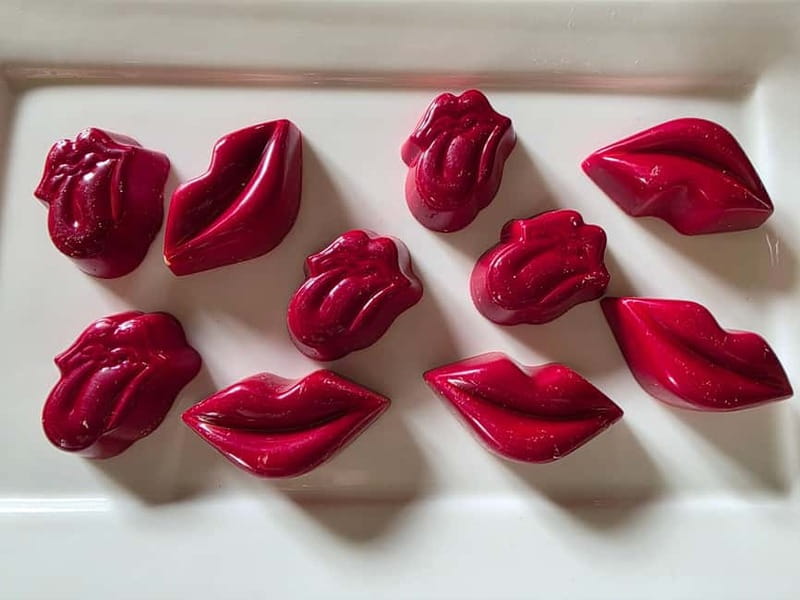
- Six chocolate tastings across three locations, so you can compare quality without wasting time hopping shops
- Private, English-speaking guide, often called out for being organized and engaging
- Real Bruges landmarks on foot, not a bus circuit: Holy Blood, Vismarkt, and more
- Beguine Beguinage break at Ten Wijngaarde UNESCO site, with those quiet white houses
- Chocolate tasting method you can actually use again after the tour
Sweet start at Historium: meeting point, pace, and what to wear
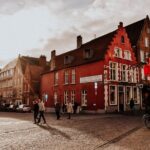
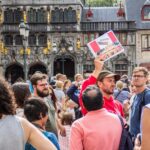
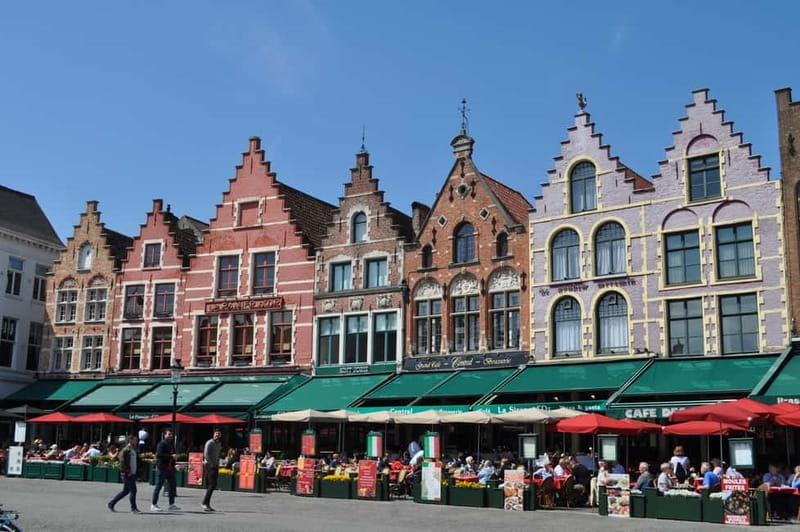
Meet your guide in front of Historium at the Market Square in Bruges. Your guide will be holding a sign for City Tours Belgium, and the key here is timing: be on time so the group stays on schedule. This tour is only two hours, so there’s no slack for late arrivals.
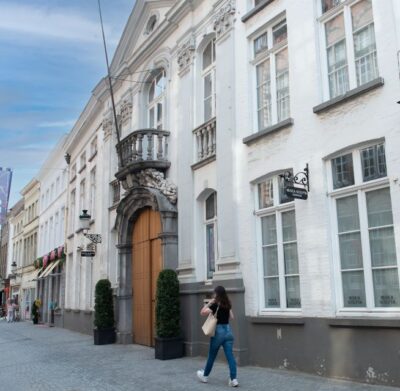
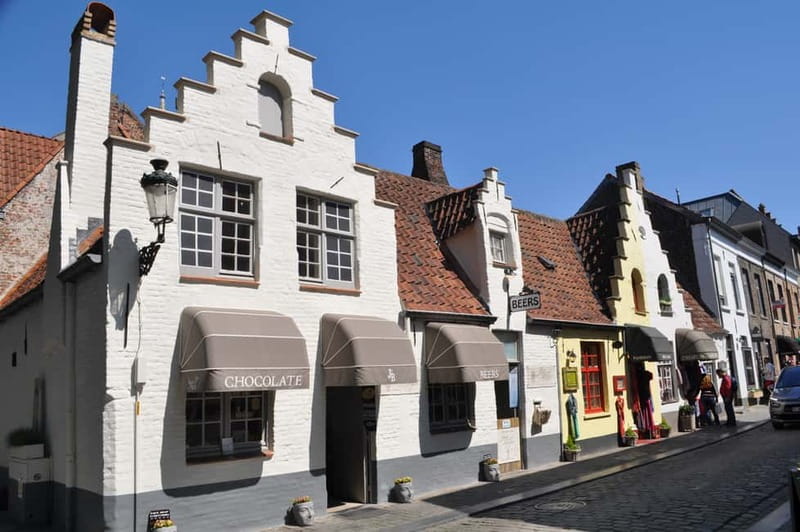
Wear comfortable shoes. Bruges is famous for cobblestones, and you’ll be walking through cozy squares and along old streets for the full route. Even if you’re staying fit and mobile, the surface can slow you down if you’re in the wrong footwear.
The other “what to expect” factor is that this is a private group experience. That usually means you’re not stuck listening to a large crowd shuffle behind you. You can ask questions, linger for a second on a photo spot, and get answers tied to what you’re tasting and seeing.
You can also read our reviews of more private tours in Bruges
Six tastings across three stops: how to compare chocolate like a local
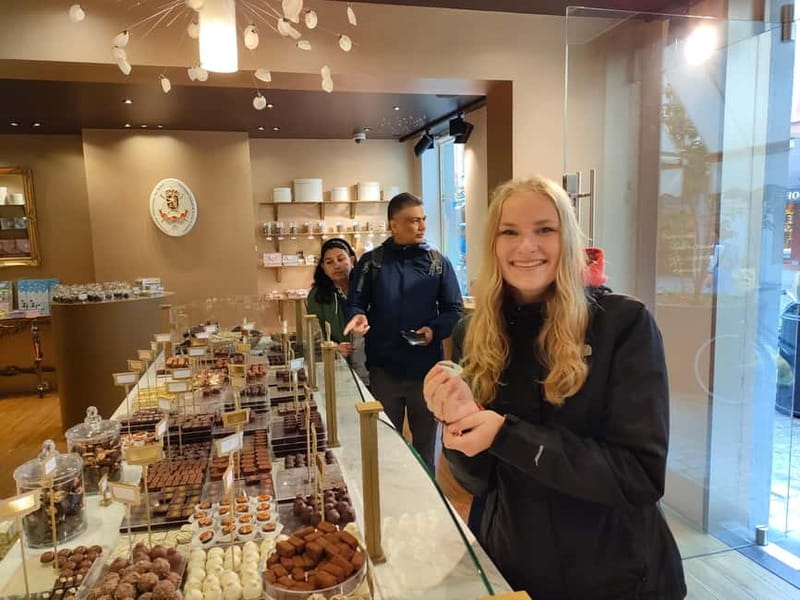
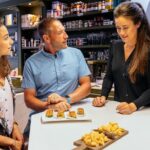
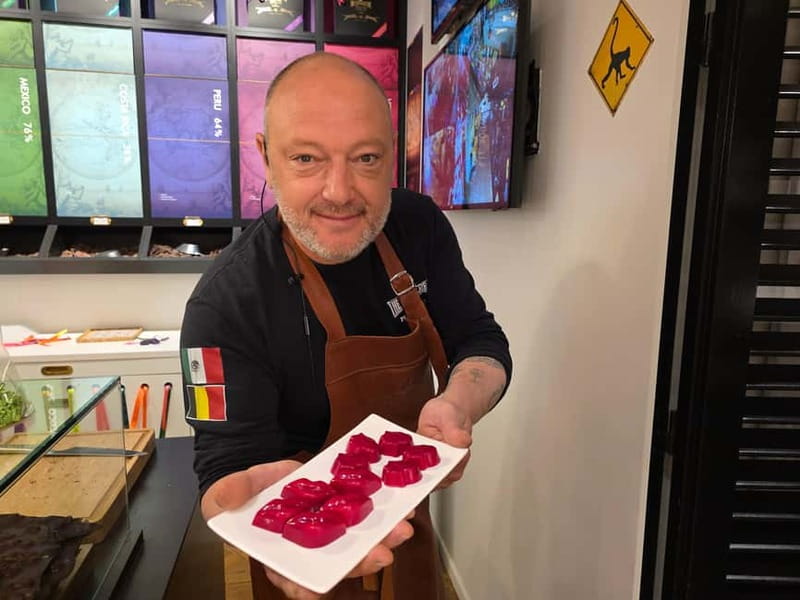
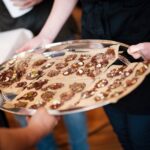
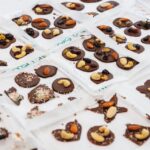
This tour is built around three chocolate locations and six tastings. That structure is great value because it keeps variety high while still leaving time for Bruges. You’re not just sampling sweets randomly. You’re learning how to judge quality through your senses.
Here’s the approach your guide encourages, and it’s useful beyond the tour:
- Cacao: stronger cocoa presence usually signals better ingredients and flavor depth
- Color: chocolate quality often shows in the look and finish
- Creaminess: the texture matters, from how it melts to how it feels in your mouth
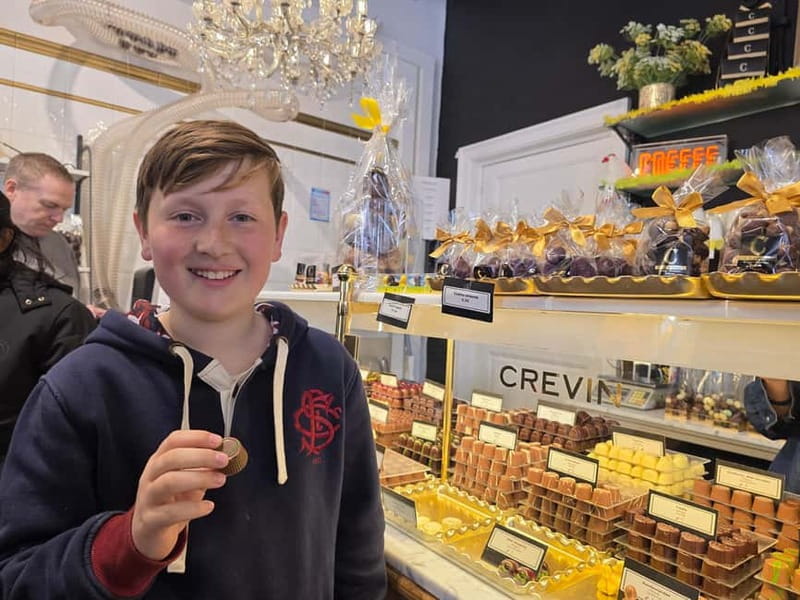
As you sample, you’ll also get coached on what to notice: the way good chocolate feels silky instead of grainy, how it smells when you first open or unwrap it, and how flavors release on the palate. One of the biggest surprises on a tasting like this is realizing that chocolate isn’t just sweet. It has cocoa body and fine flavor notes you can actually pick out when someone teaches you what to listen for.
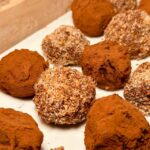
You’ll also taste pralines, the kind Bruges is known for. A praline is more than a candy. It’s a flavor experience designed to open step by step as it melts and softens.
Basilica of the Holy Blood: short guided time, big wow factor
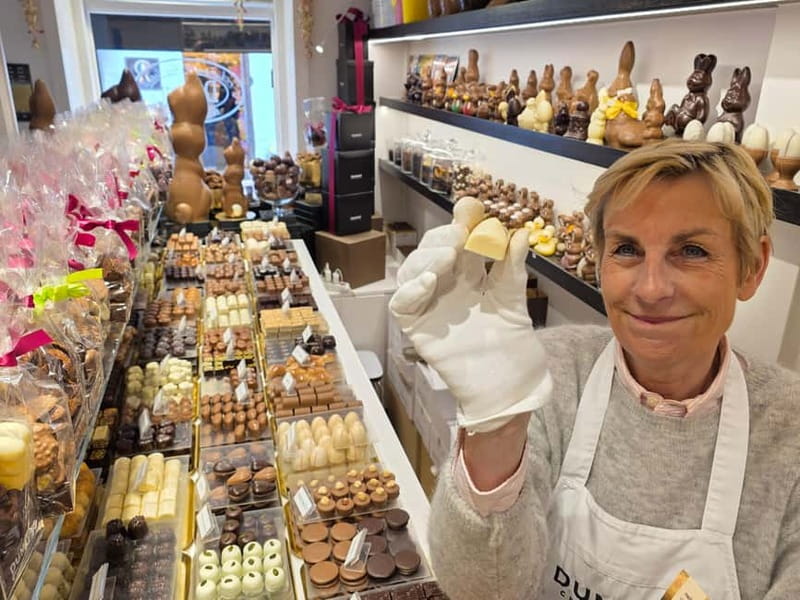
The tour starts moving quickly from Historium into the religious core of the city, with a stop at the Basilica of the Holy Blood. You’ll get about 15 minutes of guided time here. That’s long enough to understand what you’re looking at without turning the stop into a half-day museum task.
Why this works: Bruges can feel like a postcard. The guide helps you see beyond the pretty facades by explaining the meaning behind what you’re visiting. Even if you don’t consider yourself a “church person,” this stop gives context to Bruges history and the forces that shaped the city.
Also, a guided micro-visit is handy in Bruges. Waiting around to figure things out on your own is slow, and you only have two hours total. This part keeps the momentum while adding substance.
Vismarkt and the fish market vibe: history you can walk through
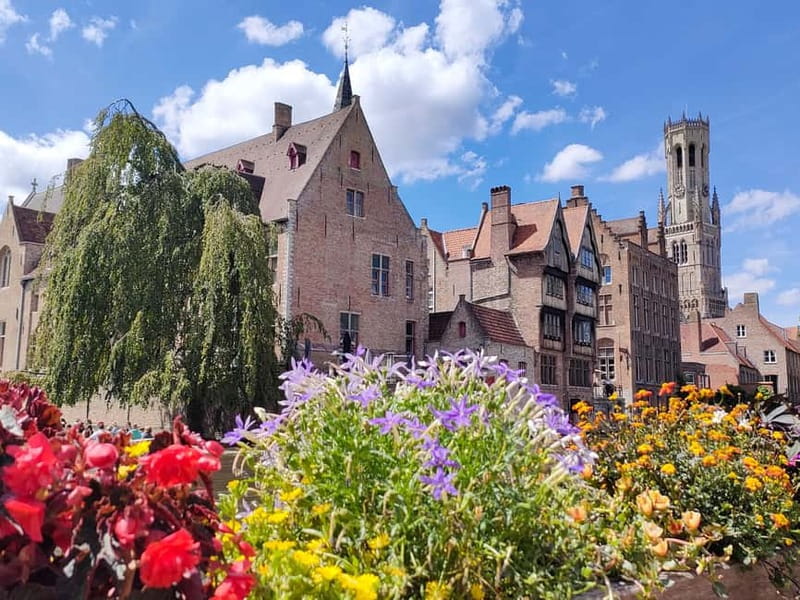
Next up is the Fish Market, Vismarkt, with a 10-minute guided visit. This isn’t just about food markets as a concept. You’re standing in a real Bruges square that historically mattered to daily life and trade.
What I like about placing the fish market here is the contrast. You’ve got sacred architecture at the basilica, then you drop into the marketplace atmosphere. The guide connects how people lived, worked, and built the city’s wealth. That connection matters because Bruges monuments can feel “frozen in time” unless someone puts them into human context.
Even the short guided time helps you understand why this city layout looks the way it does. Bruges streets and canals aren’t random. They evolved around movement, commerce, and places where people gathered.
Canals and monuments near Gruuthuse: the stories behind the streets
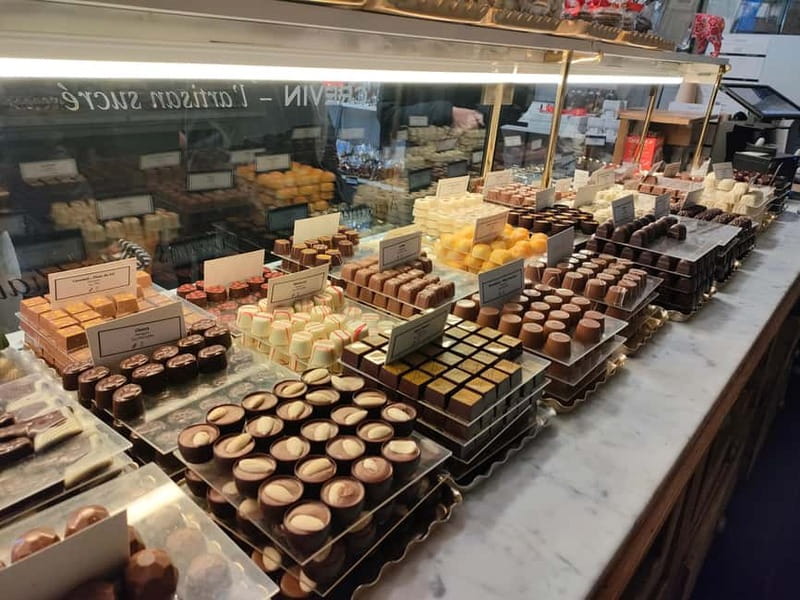
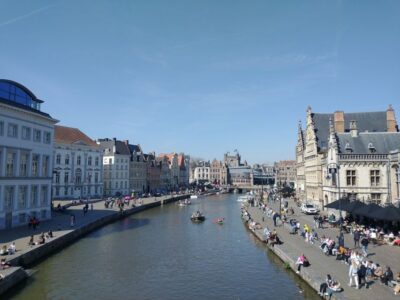
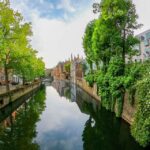
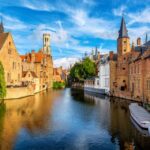
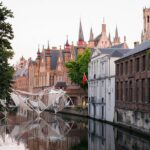
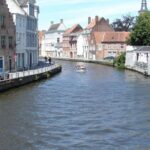
As you keep walking, you’ll pass through and near the kind of landmarks that make first-time Bruges visitors stop and point. The tour includes the highlights you’d want on a first walk: the town hall, the fish market, and the city palace of Gruuthuse, all woven into the route.
This is the heart of what makes a private tour worth it. Instead of treating each monument like a separate photo stop, the guide ties them together with stories and history linked to what you’re walking past. You get a “why it matters” view, not just a “what it looks like” view.
One practical note: this portion includes several short guided pauses—typically around 5 to 10 minutes each—plus tastings at key spots. So if you’re the type who likes to sit down for long explanations, you might feel the time is tight. But if you enjoy a steady walk with crisp stops, it’s a smart rhythm.
You can also read our reviews of more tours and experiences in Bruges

Huidenvettersplein to Passage Bourgondisch Cruyce: small detours, big atmosphere
You’ll visit Huidenvettersplein for about 10 minutes guided. Then you’ll glide into Passage Bourgondisch Cruyce for a brief 5-minute guided segment. These stops are short, but they matter because they show you how Bruges is layered.
Courtyards, passages, and tucked-away places often hold the “how do people actually live here?” feeling. Bruges isn’t only grand squares. It’s also the smaller streets and connectors between them.
A bonus for photos: passages and smaller squares can be easier to shoot than the busiest main streets. And the guide will help you notice details you might otherwise miss, even in a fast walk.
Rozenhoedkaai, Simon Stevinplein, Katelijnestraat, Walstraat: tasting while the city moves
You’ll have multiple food-tasting moments, which is where the tour turns into a chocolate experience rather than just a sightseeing walk. The tasting blocks include:
- Rozenhoedkaai (about 10 minutes)
- Simon Stevinplein (about 15 minutes)
- Katelijnestraat (about 15 minutes)
- Walstraat (about 15 minutes)
Taken together with the overall structure, these tasting times support the goal of six tastings across three locations. In other words, you’ll have enough variety to compare, but you won’t feel like you’re spending the whole tour standing in a shop line.
This is one of the most valuable parts for first-time Bruges chocolate lovers. You’ll learn how to tell the difference between what looks nice and what actually has cocoa depth and a smooth melt. When you’re tasting, focus on:
- how fast it melts and how smooth it feels
- how the flavor lingers versus fades
- whether the chocolate tastes more cocoa-forward or more sugary
And keep expectations realistic: pralines and specialty chocolates can be intense. If you’re the type who snacks lightly, plan to keep dinner later. This tour is designed to spoil you.
Sint-Janshospitaal and the Almshouses Rooms Convent: history with a human pulse
Now the route shifts to places tied to care and community: Sint-Janshospitaal Museum (about 10 minutes guided) and Almshouses Rooms Convent (about 10 minutes guided). These stops are important because they add an emotional layer to the tour.
Bruges monuments can seem decorative from a distance. But institutions like these show the city functioning as a place that supported people. The guide’s job is to help you interpret the buildings beyond appearances, so you understand why this city preserved these structures in the first place.
A practical benefit of the short guided time: you can learn enough context to feel satisfied without turning the tour into a museum marathon. You’ll still have energy left to enjoy the finish.
Ten Wijngaerde Beguinage: the quiet UNESCO moment at the end
The tour ends at Beguinage Ten Wijngaerde. You get a break in the calm garden atmosphere with those 18th-century white houses tied to the beguines tradition. And yes, this is a UNESCO world heritage site, so you’re not just strolling somewhere pretty—you’re in a protected cultural landscape.
Why this stop lands so well at the end: after walking old streets, tasting chocolate, and squeezing history into bite-sized chunks, Ten Wijngaarde gives you a quiet reset. The guide’s direction helps you notice how the space feels different from the surrounding town.
The tour also notes a practical detail: while the experience happens, the setting serves as a pause point where even horses get a break. It’s a reminder that Bruges is living today, not only preserved for visitors.
When you reach the finish, you’ll likely feel that mix of sweet satisfaction and city-understanding. That’s the tour’s main win.
Price and value: is $85 for two hours actually fair?
The price is $85 per person for a private walking tour with six chocolate tastings at three locations plus guided visits across key sights. Whether it feels like a good deal depends on your priorities.
Here’s how I’d measure value:
- You’re paying for a guide to connect Bruges landmarks to context, not just to point
- You’re paying for tastings that do the hard work of comparison for you
- You’re paying for private pacing, so the experience fits your group instead of a big bus schedule
If you wanted to recreate this yourself, you’d spend time chasing shops, figuring out which ones are worth it, and then losing the guided context at every monument. This tour compresses that into two hours with a structured tasting plan.
Is it expensive? Yes, compared with a simple self-guided chocolate walk. But it’s closer to a premium experience than a bargain sampler, and that fits what you get: guide time, guided heritage stops, and repeated tastings designed for quality comparison.
Who this tour is best for (and who should pick something else)
This tour is ideal if you’re:
- coming to Bruges for the first time and want key sights without rushing
- a chocolate fan who wants to learn what makes good chocolate different
- someone who likes a private guide who can explain while you walk and taste
It may be less ideal if you want:
- a long, unhurried shop-and-buy day
- a full day of museum-level history
Because the tour is two hours, the model is “high-impact highlights + learning through tastings,” not extended browsing.
Should you book the chocolate-and-Bruges private tour?
If you like chocolate and you want Bruges at walking speed, this is a strong choice. The best part is the pairing: tasting quality while the guide points out why different parts of the city matter. You also get that calming ending at Ten Wijngaarde, which turns the whole experience from sugar-only into city understanding.
Book it if your goal is clear: learn how to judge chocolate, see Bruges highlights, and end somewhere peaceful. Pass if you want a slow shopping day or a stand-alone chocolate crawl without heritage stops.
FAQ
How long is the private chocolate tour in Bruges?
The tour lasts about 2 hours.
How many chocolate tastings are included?
You’ll enjoy six luxury chocolate tastings across three different locations.
Where do we meet, and where does the tour end?
You meet your guide in front of Historium on the Market square of Bruges, and the tour finishes back at the Beguinage Ten Wijngaerde.
Is the tour wheelchair accessible?
Yes, it is wheelchair accessible.
What language is the guide?
The live tour guide is available in English.
What should I bring for the tour?
Wear comfortable shoes for walking on cobblestone streets.