REVIEW · BRUGES
Private Historical Tour: The Highlights of Bruges
Book on Viator →Operated by Legends of Bruges Free & Private Tours · Bookable on Viator
Bruges history is best with a local voice. This private 2-hour walking tour is built for your group only, with hotel pickup and drop-off so you can skip the fuss and start absorbing the medieval city right away. You’ll trace the highlights from the Markt to Burg Square while an English-speaking guide connects the dots between politics, trade, and daily life.
I especially like two things here. First, the guide work: people mention guides such as Martin or Piet who tell the city story with dates, building facts, and lots of human details, not just a script. Second, you leave with usable local direction. Many guides share practical next steps, from where to eat to what to prioritize when you still have energy for museums or a quick drink.
One thing to plan for: several key stops may involve optional entry fees. Also, on at least one run, the tour ended early and missed a couple of planned sights, so if Minnewater Lake or the beguinage matters to you, it’s worth checking the timeline with your guide as you go.
In This Review
- Quick highlights before you walk Bruges
- Why this private two-hour Bruges intro makes sense
- Price and what you get for $99.81 per person
- Getting started: Markt pickup, mobile ticket, and a smooth handoff
- Stop-by-stop: Markt to Burg Square, with real stories tied to each place
- The Markt: the medieval trading engine and the French connection
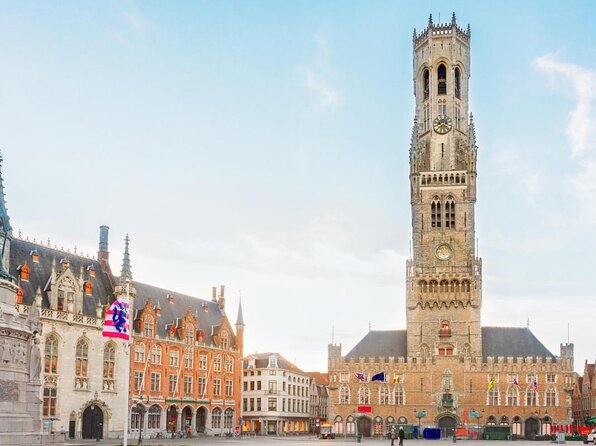
- Belfort: the bell tower’s job in the Middle Ages
- Gruuthusemuseum: a palace, a monopoly, and the city’s trade machinery
- Sint-Janshospitaal: how medieval society handled care
- The Princely Beguinage Ten Wijngaarde: 800+ years of women’s community life
- Minnewater Lake: swans, love, and political trouble by the water
- De Halve Maan Brewery: Fools of Bruges and beer moving underground
- Onze-Lieve-Vrouwekerk: Michelangelo, Burgundian tombs, and a brick tower power play
- Groeningemuseum garden: Flemish masters in a museum setting
- Huidenvettersplein: the Tanner’s Square smell-and-all story
- Burg Square: the political heart and birthplace of the city
- What the guide experience adds (and why names like Martin and Piet come up)
- Timing, pace, and comfort: who this walk fits best
- How to use this tour to plan the rest of your day
- Should you book Highlights of Bruges?
- FAQ
- How long is the Highlights of Bruges private tour?
- Is this tour private or shared?
- What language is the tour offered in?
- Does the price include hotel pickup and drop-off?
- What’s included in the tour price?
- Are museum or church entrance fees included?
- Where does the tour start and end?
- Can I choose the start time?
Quick highlights before you walk Bruges
- Private guide for your group only, so questions don’t get squeezed into a group schedule
- Hotel pickup and drop-off to keep the day flowing
- A tight medieval route, from trading power at the Markt to the political heart at Burg Square
- Beguinage and Minnewater included on the standard walk, with long-standing stories tied to the place
- Church and museum time is optional, since some entrances are not included in the price
- Real local tips, reported by many guests after the tour, not just a list of monuments
Why this private two-hour Bruges intro makes sense
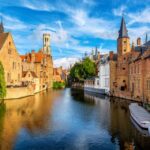
Bruges can feel like a postcard at first glance. But after a while, you notice the same bricks, canals, and towers repeating. This tour helps you read the city so the details stop being random.
The format matters. Two hours is long enough to get a real sense of how Bruges worked in medieval times, yet short enough to still have your bearings for the rest of the day. The private setup also helps because you’re not getting dragged forward every few minutes. You can slow for photos, ask follow-up questions, and steer the pace if your group likes history more than gift shops.
You can also read our reviews of more private tours in Bruges
Price and what you get for $99.81 per person
At $99.81 per person, it’s not a budget bus tour. But it’s also not priced like a half-day excursion with complicated logistics. The value comes from three practical elements: private guide time, hotel pickup/drop-off, and a route that covers the city’s big “why it mattered” locations.
Also, it’s a good match for families and mixed-age groups. One of the nice points from past guests is that the pace can work for everyone, including people who walk slower. If you’re in Bruges for a limited number of hours, a guided overview can save you from wandering past the best parts without understanding what you’re looking at.
One caution on value: since some entrances are not included, you should budget a bit extra if you want to go inside every paid stop. If you prefer to look from the outside, you can still get a lot from the walk.
Getting started: Markt pickup, mobile ticket, and a smooth handoff
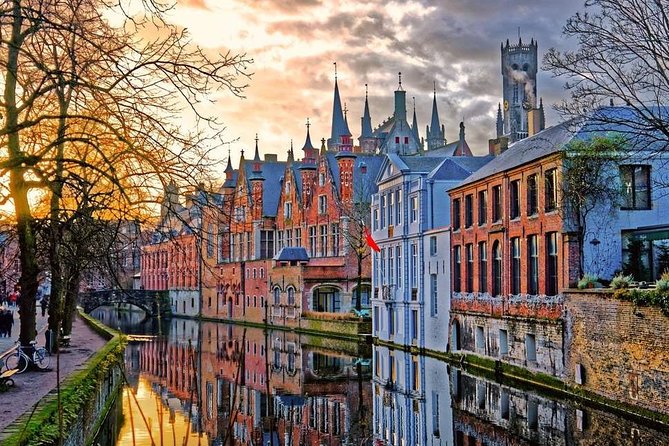
Your tour begins at Pieter de Coninck en Jan BreydelMarkt and ends at Burg Square. The meeting location is easy to reach in the center, and the tour includes hotel pickup and drop-off, which is a big deal in a compact medieval city where parking and walking can get annoying fast.
You’ll also receive a mobile ticket. That’s the kind of detail that sounds small until you’re standing outside in cold wind and everyone is fumbling with confirmation emails. (Bruges weather has a talent for being chilly at the exact wrong time.)
If you’re choosing your start time, put thought into it. Booking ahead is common, since the tour is often reserved about two months out. In practice, early starts can help you avoid the worst of the crowd crush, especially during seasonal events like Christmas markets.
Stop-by-stop: Markt to Burg Square, with real stories tied to each place
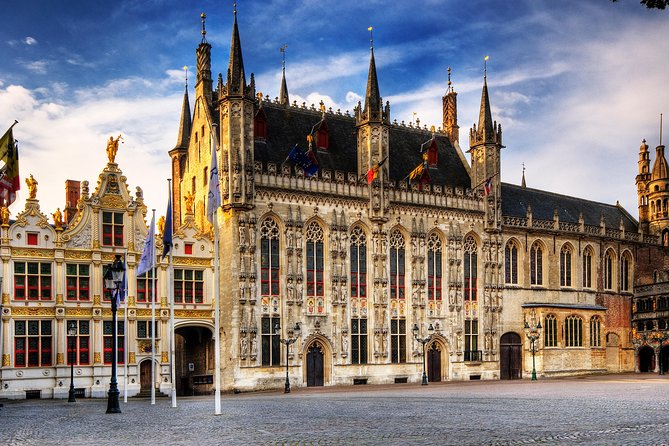
This walk is arranged so you understand Bruges in layers: commerce first, then power, then the quieter institutions that kept society running.
The Markt: the medieval trading engine and the French connection
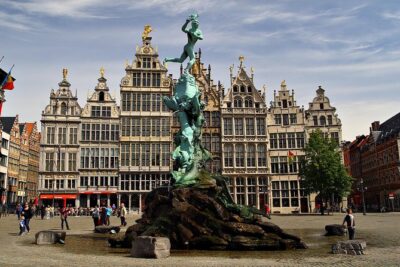
The walk opens at the Markt. This square is the perfect place to start because it immediately signals Bruges’ importance as a trading hub. Your guide explains how the city’s wealth and influence were tied to commerce, and you also hear about the tougher relationship between Bruges and the French king.
Why this stop works: once you know Bruges was a trading power, the rest of your sightseeing clicks into place. You start noticing where authority showed up and where money moved.
Time note: you’re given about ten minutes here, so treat it as orientation. If you want extra photos, angle for a bit of patience before you move on.
You can also read our reviews of more historical tours in Bruges
Belfort: the bell tower’s job in the Middle Ages
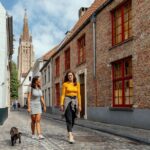
Next is the Belfort. You’ll visit halls behind the bellfry, and the guide ties the tower to its role during the Middle Ages. This is one of those spots where a tower is not just scenery. It’s also administration, status, and city pride.
What to watch for: the guide’s explanations help you see the tower as a tool of governance, not just a landmark. Past guides have also been praised for answering lots of questions, so bring yours.
Gruuthusemuseum: a palace, a monopoly, and the city’s trade machinery
The Gruuthusemuseum stop is short on purpose, but it points you toward a deeper layer of Bruges. The Gruuthuse palace belonged to a wealthy family tied to a trade monopoly in a specific sector. The guide connects the building to the people who profited from commerce.
Entrance reality check: admission for the museum is not included. Even if you skip going inside, this is a useful “power and profit” checkpoint for understanding how families shaped the city.
Sint-Janshospitaal: how medieval society handled care
St John’s Hospital is next, and it’s a standout stop for anyone who likes how everyday systems were built in the past. The guide describes it as one of the oldest still existing hospitals in the world and a cornerstone of medieval society.
Entrance reality check: admission is not included here either. Still, the stop is valuable because it frames the hospital as more than a building. It’s part of how the city organized responsibility.
The Princely Beguinage Ten Wijngaarde: 800+ years of women’s community life
Then the route shifts to something quieter: the Princely Beguinage Ten Wijngaarde. You’ll walk into a beguinage, described as the biggest of its kind in the world, where a community of ladies lived together for over 800 years.
Why it matters: this stop gives Bruges balance. You’re not only learning about markets and rulers. You’re also seeing an old model of communal life.
Entrance reality check: this stop is listed as free, so it’s a great place to spend your time if your group wants to walk slowly and absorb atmosphere.
Minnewater Lake: swans, love, and political trouble by the water
At Minnewater Lake, you’ll learn why there are swans on Bruges canals. You’ll also hear how the city got into conflict with Emperor Maximilian of Austria. So yes, it’s picturesque, but the story has teeth.
This is also one of the places where timing can matter. One low-rating account said the tour was cut short and two planned sights were missed, including Minnewater Lake and the beguinage. If Minnewater and the beguinage are your top priorities, ask the guide to confirm you’ll cover them before you settle in.
De Halve Maan Brewery: Fools of Bruges and beer moving underground
Next is a stop in front of De Halve Maan Brewery. The guide talks about why Bruges people got the nickname Fools of Bruges, and you’ll see part of a beer pipeline that flows beneath the city.
Entrance reality check: admission here is not included. Still, the context is useful. Bruges beer isn’t just a souvenir idea. It’s part of the city’s working life and infrastructure.
Onze-Lieve-Vrouwekerk: Michelangelo, Burgundian tombs, and a brick tower power play
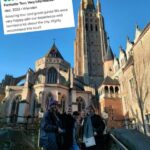
This is the famous church stop: Onze-Lieve-Vrouwekerk. The guide explains the iconic building, including that it has the 2nd tallest brick tower in the world. You’ll also hear about a statue by Michelangelo and the tombs of the last Dukes of Burgundy.
Entrance reality check: admission is not included. If your group is excited about art and tombs, this is likely the stop where you’ll decide whether paid entry is worth it for you.
Groeningemuseum garden: Flemish masters in a museum setting
You’ll spend time by the garden of the Groeninge Museum. The guide points out that some works by big Flemish masters are on display here.
Entrance reality check: the museum entry is not included. Even with a short look, the stop helps you understand why Bruges is a serious art destination, not just a walking postcard.
Huidenvettersplein: the Tanner’s Square smell-and-all story
Then you arrive at Huidenvettersplein, the old Tanner’s square. This is the point where the tour gets delightfully blunt about medieval trade: greasing skins and turning them into leather was the messy business behind the area’s work.
Why this stop is smart: Bruges is often cleaned up for visitors. This square reminds you that medieval industry came with real materials and real consequences.
Burg Square: the political heart and birthplace of the city
The tour ends at Burg Square. The guide frames it as the political heart and birthplace of the city of Bruges, after passing by the old Fishmarket.
If you’re planning your next move, Burg Square is a strong place to finish. It’s central, it’s photogenic, and it makes a natural launching point for choosing your afternoon or evening plans.
What the guide experience adds (and why names like Martin and Piet come up)
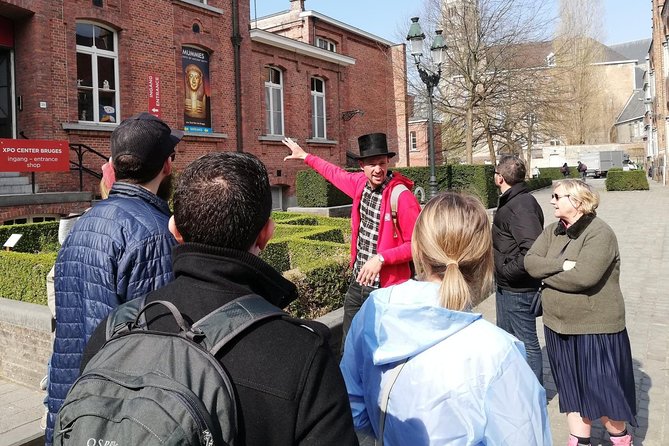
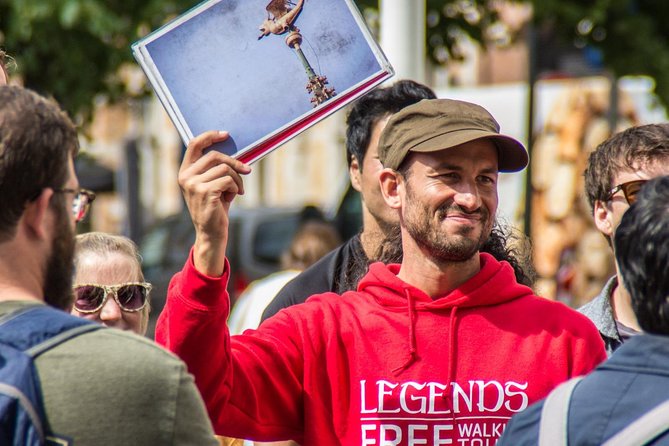
The loudest praise in the stories around this tour is the guide style: friendly, organized, and able to answer questions. People mention guides like Martin and Piet (and also Louis, Patrick, Sam, Erik, and Mauricio) for being engaging, funny when appropriate, and able to explain how facts connect.
A few repeat patterns from past guides’ approaches can help you set your expectations:
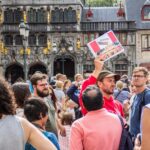
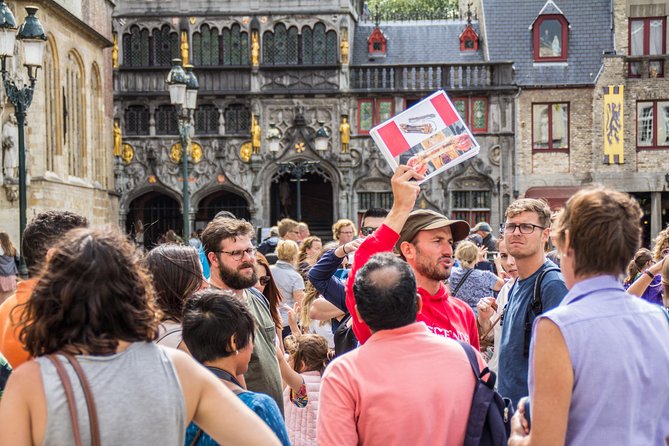
- Visual aids help, including laminated pictures showing what buildings may have looked like in earlier centuries
- Concrete dates and building details are shared, so you’re not left with vague impressions
- Questions are welcomed, not brushed aside
- Local recommendations come after the tour, including practical picks for food and drink
One person even mentioned the guide using the idea of an open gate as a welcome on in. That’s the kind of small cultural cue that can make you feel less like you’re just consuming sights.
Timing, pace, and comfort: who this walk fits best
This is a walking tour, so wear comfortable shoes. Beyond that, the main “comfort” variable is the pace. Many past guests praised the easy pace and the guide checking in with the group, especially on cold days.
Because the tour is private, you’re more likely to get your group’s needs covered, whether that’s extra time for photos or a bit more explanation of church art versus medieval politics.
Who it’s ideal for:
- First-time Bruges visitors who want orientation fast
- People who like their history told through real places, not just textbooks
- Families with mixed ages who still want a structured route
How to use this tour to plan the rest of your day
Think of this walk as your map in story form. After you learn why the Markt mattered, why the bell tower mattered, and where the city’s power sat, you can roam Bruges with less aimless wandering.
A simple strategy: right after the tour, pick one museum or church stop to go inside, based on what you liked most during the explanations. Stops like the Onze-Lieve-Vrouwekerk or Gruuthusemuseum are the ones where extra entry time can turn “I saw it” into “I understood it.”
Also, if you like to eat well without spending a bunch of time deciding, follow your guide’s recommendations. Past guests reported guides giving clear suggestions for local food and even categories like waffles, fries, and Flemish dishes, plus beer ideas.
Should you book Highlights of Bruges?
I’d book it if you want a focused overview that turns Bruges from pretty scenery into a readable medieval city. The private format, hotel pickup/drop-off, and guided context make it a good value for the price, especially if your time in Bruges is tight.
I’d pause and ask a couple of questions before booking if your group has very specific must-sees that include paid entries or exact timing for Minnewater Lake and the beguinage. One low-rating account mentioned a shortened tour that missed those locations, so it’s smart to confirm the plan with your guide once you meet.
If you’re flexible and want a strong first pass through Bruges’ biggest stories, this private intro is an efficient, enjoyable way to start.
FAQ
How long is the Highlights of Bruges private tour?
It runs about 2 hours.
Is this tour private or shared?
This is a private tour. Only your group participates.
What language is the tour offered in?
The tour is offered in English.
Does the price include hotel pickup and drop-off?
Yes. Hotel pick up and drop off are included.
What’s included in the tour price?
The price includes all fees and taxes, a local/professional guide, and the private tour format, plus hotel pickup and drop-off.
Are museum or church entrance fees included?
Some are not included. The tour lists Gruuthusemuseum, Sint-Janshospitaal, De Halve Maan Brewery, Onze-Lieve-Vrouwekerk, and Groeningemuseum as admission not included.
Where does the tour start and end?
It starts at Pieter de Coninck en Jan BreydelMarkt and ends at Burg Square.
Can I choose the start time?
Yes. You’re asked to mention what time you would like to start the tour.