REVIEW · BRUGES
Bruges: Ticket Volkskundemuseum (Folk Museum)
Book on GetYourGuide →Operated by Musea Brugge · Bookable on GetYourGuide
Bruges has a room full of everyday time machines. I love the restored 19th-century interiors and the way the museum turns daily life into something you can actually see and study. I also like the antique artifacts on display, especially the small, specific objects that make history feel hands-on. One drawback to consider: if you’re only hunting for big, dramatic landmarks, this visit moves at a calmer, quieter pace.
This is a “look closely” museum. You’ll wander through laborer’s dwellings that feel preserved, then keep going through rooms like an old classroom, a vintage pharmacy, a tailor’s workshop, a confectionery store, and a grocery store. It’s easy to lose time here because every room feels like it has a story—even when the story is just how people lived day to day.
If your visit lands on the right days, it gets extra fun. The museum hosts a sweet maker on the first and third Thursday afternoons each month (noted until September 21, 2023, with a sweet return in 2024), and there’s a Mid-winter Festival in December. On top of that, the museum includes indoor gardens where you can find folk games.
In This Review
- Key things I’d prioritize at Volkskundemuseum (Folk Museum), Bruges
- Step into 19th- and early-20th-century Bruges homes
- The laborer’s dwellings: where the museum really clicks
- Rooms you’ll recognize: classroom, pharmacy, tailor’s shop
- Confectionery and grocery stores: objects that tell a sweet story
- Antique objects to look for: pipe heads, pennants, and old games
- Upper floor rotating exhibitions: a second reason to return
- Folk games in the indoor gardens and December festivals
- Practical value for a $9 Bruges ticket
- What to expect from timing on your one-day visit
- Who this museum suits best in Bruges
- Should you book the Volkskundemuseum ticket?
- FAQ
- How much is the Volkskundemuseum (Folk Museum) ticket in Bruges?
- How long is the ticket valid for?
- What’s included with the ticket?
- Can children get free entry?
- Are pets and large bags allowed?
- Is there anything special happening during the year?
Key things I’d prioritize at Volkskundemuseum (Folk Museum), Bruges
- Restored daily-life rooms you can walk through: classroom, pharmacy, tailor’s shop, confectionery, grocery
- 19th- and 20th-century artifacts in specific categories: pipe heads, tobacco products, games, pilgrimage pennants
- Rotating temporary exhibitions upstairs so your visit can feel different day-to-day
- Seasonal extras: sweet maker afternoons (first and third Thursday afternoons) and a Mid-winter Festival in December
- Folk games in the indoor gardens for a playful break from reading labels
Step into 19th- and early-20th-century Bruges homes
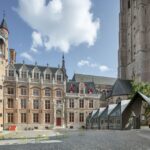
At the Volkskundemuseum, the big idea is simple: you’re not just viewing objects, you’re seeing lived-in spaces from the 19th and early 20th centuries. The museum focuses on historical interiors tied to Bruges daily life, with spaces that look meticulously restored. It’s the kind of museum where the room matters as much as the things inside it.
You’ll get a strong sense of texture and routine. Even without flashy effects, you can picture how people cooked, worked, learned, shopped, and spent time at home. That everyday angle is exactly what makes this ticket feel like good value—because one admission gets you both rooms and collections, not just one or the other.
You can also read our reviews of more tours and experiences in Bruges
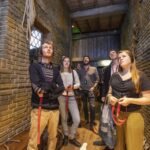
The laborer’s dwellings: where the museum really clicks
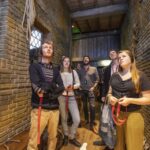
The core of your visit is the laborer’s dwellings. These are the restored homes that transport you back in time, with a layout that helps you understand what “a normal day” might have looked like. I like how the museum doesn’t treat workers’ lives as a side note; it treats them as the main story.
As you move through, watch for details that reflect work and trade. Many of the rooms are arranged to feel familiar, so your brain starts connecting objects to tasks—like tools, packaging, small household items, and everyday trade goods. It’s especially satisfying when you slow down and scan shelf-level items rather than just looking at the biggest display cases.
Possible drawback: this is not a high-speed “scan and go” museum. Plan for a slower rhythm if you want the full effect.
Rooms you’ll recognize: classroom, pharmacy, tailor’s shop
One reason this museum earns my recommendation is the variety of “everyday institutions.” You can step from a classroom to a vintage pharmacy, then move to a tailor’s workshop. The sequence helps you compare how knowledge, health, work, and craft were handled in ordinary life.
In a classroom, you’re likely to focus on how children learned and what they were exposed to. In a pharmacy, the interest is often in the feel of medicine and goods—how the space signaled trust and routine. In the tailor’s workshop, you get the craft side of daily survival, where clothing and repairs mattered.
These spaces matter because they show how social life was built around practical needs. It’s not just nostalgia. It’s a tour of systems—education, health, and skilled labor—presented through real rooms.
Confectionery and grocery stores: objects that tell a sweet story
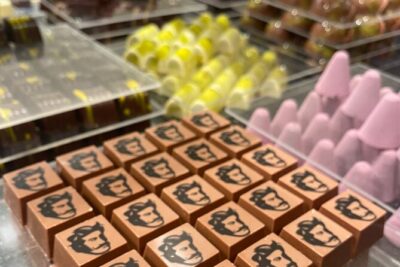
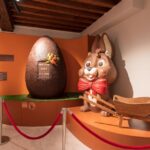
The museum’s shop rooms are some of the easiest places to connect. The confectionery store and grocery store are full of artifacts that feel tied to buying, sharing, and celebration. You’ll find items like cake and chocolate molds, which makes the idea of treats feel physical rather than abstract.
The confectionery angle also connects well to the museum’s seasonal programming. On the first and third Thursday afternoons of each month, the sweet maker fills the museum with aromas of delicious treats (noted until September 21, 2023, with a sweet return in 2024). Even if you don’t catch the schedule, the room itself gives you that “the day-to-day has flavor” feeling.
If you have kids or teens with short attention spans, this shop area is a smart anchor. It’s visual, hands-on in spirit, and naturally holds attention longer than rooms that rely mostly on text.
Antique objects to look for: pipe heads, pennants, and old games
What I love about the Volkskundemuseum collection is that it’s specific. You’re not just told that people used pipes or bought souvenirs. You can spot particular categories of objects tied to everyday habits and local culture.
As you walk through, keep an eye out for:
- tobacco products and finely crafted pipe heads
- pilgrimage pennants
- vintage children’s games
- cake and chocolate molds
This kind of focus helps you build your own mental picture of life in Bruges. A pipe head tells you about work, social rituals, and craftsmanship. A pilgrimage pennant hints at travel, devotion, and identity. Old children’s games help you remember that play has always been part of growing up—just with different materials and rules.
For older visitors, this can feel like a quiet trip down memory lane. For younger visitors, it can become a scavenger hunt: find the odd object, then ask what it was for.
You can also read our reviews of more museum experiences in Bruges


Upper floor rotating exhibitions: a second reason to return
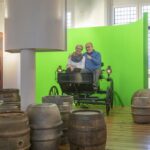
On the upper floor, you’ll find engaging activities and captivating exhibitions. The museum also has rotating temporary exhibitions, which means your one-day ticket can include something fresh depending on when you go.
This matters for two reasons. First, temporary exhibitions prevent the museum from feeling static. Second, if you’re traveling with someone who thinks museums are repetitive, the rotation gives you a change of pace within the same building.
If you have time, treat the upstairs areas as your “second pass.” After seeing the restored rooms below, you’ll understand the collection context better. The exhibitions then feel like a focused explanation of what you saw in the lived-in spaces.
Folk games in the indoor gardens and December festivals
The museum doesn’t stop at rooms and artifacts. It includes welcoming indoor gardens where you can explore folk games. That’s a nice break from the “read labels, see objects” routine, and it turns the museum visit into something more active.
Then there’s the festive side. In December, the museum hosts a Mid-winter Festival. That’s a great time to visit if you like the idea of history being staged as a living tradition rather than kept under glass.
And if you’re traveling around the sweet maker schedule, plan your day around it. The first and third Thursday afternoons each month are noted for sweet-making activity until September 21, 2023, with a return in 2024. If you’re flexible, that’s a simple upgrade you can plan around.
Practical value for a $9 Bruges ticket
This ticket is priced at $9 per person and lasts 1 day. For that money, you get entrance to the museum and temporary exhibitions, plus you can skip the ticket line. In a city where time can vanish between canals and cafés, skip-the-line access is more valuable than it sounds.
One more planning win: you can reserve now and pay later, which makes sense if your schedule is still shifting. Free cancellation up to 24 hours in advance gives you a cushion too—handy when Bruges weather or train times try to mess with plans.
What’s also helpful is knowing what not to bring. No luggage or large bags are allowed, pets are not allowed (assistance dogs are allowed), and flash photography is not allowed. If you’re doing a day of walking and shopping, pack light and save your big bag for a hotel or locker situation rather than banking on bringing it in.
What to expect from timing on your one-day visit
Since the ticket is valid for one day, you can shape the visit around your energy. If you like to read details and slow-walk rooms, give yourself enough time to stay seated for a moment here and there and to look at smaller objects without rushing.
If you’re more focused on highlights, start with the restored dwellings and the familiar rooms (classroom, pharmacy, tailor’s shop, shops). Then move upstairs for the rotating exhibitions. Finally, use the indoor gardens and any folk games as your break toward the end, when you might not want another hour of standing.
This order helps you keep context. Seeing the rooms first makes the exhibitions upstairs easier to connect to what you already noticed downstairs.
Who this museum suits best in Bruges
This ticket is especially good for:
- people who enjoy everyday history and restored interiors
- travelers who like object-based museums (the “look closely” style)
- families looking for a calmer, kid-friendly way to explore
- older visitors who enjoy nostalgia without needing formal lectures
It may be less ideal if you want only landmark icons, big panoramic views, or outdoor scenery. This place focuses on interiors, artifacts, and rooms built to reflect daily life.
Should you book the Volkskundemuseum ticket?
If you’re the kind of traveler who likes history you can see in the shape of a classroom, a pharmacy counter, and a tailor’s working space, book this. For $9, you’re getting restored spaces plus rotating exhibitions, and the museum adds extra charm with folk games and seasonal events like the Mid-winter Festival and the sweet maker afternoons.
I’d say yes if you’re visiting Bruges for more than the postcard sights. This is the ticket for travelers who want the slower, human side of the city—one where the details matter and where the rooms make the past feel close.
If your travel style is mostly fast ticking-off of famous monuments, you might still enjoy it, but plan for a quieter visit and set expectations accordingly.
FAQ
How much is the Volkskundemuseum (Folk Museum) ticket in Bruges?
The ticket price is listed as $9 per person.
How long is the ticket valid for?
The ticket is valid for 1 day.
What’s included with the ticket?
Your ticket includes entrance to the museum and the temporary exhibitions.
Can children get free entry?
Yes. Children under 13 can obtain a free ticket at the box office.
Are pets and large bags allowed?
Pets are not allowed (assistance dogs are allowed). Luggage or large bags are also not allowed.
Is there anything special happening during the year?
The museum notes sweet maker activity on the first and third Thursday afternoons each month (until September 21, 2023, with a sweet return in 2024) and a Mid-winter Festival in December.