REVIEW · BRUGES
Medieval Tour in Bruges with Chocolate Tasting
Book on Viator →Operated by Brujas Free Tour · Bookable on Viator
Medieval Bruges feels close in two hours. This tour strings together the city’s most important medieval sights in a way that’s easy to follow, then pays you back with a real chocolate tasting and a guide who connects buildings to the people who lived there. I especially like how the walk stays compact (so you don’t burn the whole day commuting between sights), and I like that the guide’s stories make landmarks like Belfort Tower and the Holy Blood Basilica feel personal, not like random trivia. One consideration: you’re on your feet for about 1 hour 40 minutes to 2 hours, mostly outdoors, and museum entrance fees aren’t included.
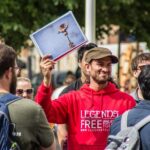
I also appreciate the small-group feel (up to 15), plus the practical extras like a mobile ticket and a PDF mini guide you can use later. In the feedback, guides such as Steven are singled out for staying entertaining while also spending time with individuals, including families traveling with kids.
Key highlights to know before you go
- A tight medieval loop: major squares and bridges, done in one smooth walking route.
- Chocolate tasting is built in: not just a suggestion to find dessert later.
- Beer and beguinage stops: Halve Maan Brewery and Ten Wijngaarde bring extra sides of Bruges.
- Art and architecture moments: Jan van Eyck and the Gruuthuse family palace are part of the route.
- Small group size: max 15 travelers keeps the pace friendly.
- Outside sights dominate: many parts are look-and-learn, while museum tickets aren’t included.
In This Review
- Why This Two-Hour Medieval Bruges Walk Works
- Markt 7 Start: Getting Oriented in the Heart of Bruges
- Market Square and the Belfort Tower Story
- Burg Square: The Holy Blood, Town Hall, and Palace of Justice
- Markt and the Rise-and-Fall Lesson
- Dijver: Tanneries, a Pier, and the Iconic Postcard View
- Groeningemuseum: Jan van Eyck Without the Museum Ticket Pressure
- Gruuthusemuseum: Palace Power and a Bridge Full of Stories
- Onze-Lieve-Vrouwekerk: Michelangelo’s Madonna and Why Chocolate Has a Place Here
- Pur Chocolat Tasting: The Point Where the Walk Gets Sweet
- Halve Maan Brewery: Beer Culture in the Middle of the Medieval Story
- Ten Wijngaarde Beguinage: Maximilian’s Sacred Swans and Women’s Stories
- Minnewater Lake: The Lake of Love Finish
- Price and Value: What You’re Really Paying For
- Group Size, Timing, and Practical Tips
- Who Should Book This Tour With Chocolate Tasting?
- Should You Book This Medieval Tour in Bruges?
- FAQ
- Where does the tour start and end?
- How long is the tour?
- What language is the tour offered in?
- How many people are in the group?
- What’s included in the price?
- Are museum entrance fees included?
- Do I need a printed ticket?
- Is the tour outdoors?
- Is the tour suitable for most travelers?
- Is free cancellation available?
Why This Two-Hour Medieval Bruges Walk Works
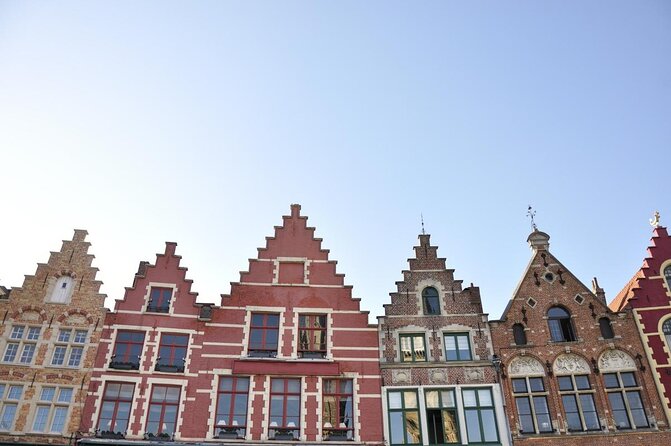
Bruges is famous for looking like a postcard, but the trick is learning what you’re actually looking at. This tour is built for that. In roughly two hours, you cover a chain of central locations that explain Bruges as a medieval trading power—then you end with two very Bruges experiences: chocolate and a gentle send-off at Minnewater Lake.
The value is in the mix. You get a guide throughout, a chocolate tasting included, and a PDF mini guide to help you keep exploring after the walk. The pricing listed per person is surprisingly low for a guided experience, especially in a place where self-guided wandering can still cost you time and wrong turns.
The pace is also realistic. You’ll be walking for most of the experience, and the stops are timed for short, focused explanations—about 10 minutes at many points, with a longer tasting stop. If you want to linger in museums for hours, plan to do that after. Think of this as getting your bearings fast and understanding what matters.
Markt 7 Start: Getting Oriented in the Heart of Bruges
You meet at Markt 7 (in the central area near the main sights), and the walk quickly grounds you in how Bruges was organized. Starting in the heart of town is a smart move because the landmarks connect to each other visually: towers, squares, churches, bridges, and the street fabric all line up in a way that makes the stories make sense.
This is also where the guide’s job really shows. Good city walks aren’t just a list of points. They explain why each spot mattered, so when you glance at the building later, you get the backstory instantly instead of only after you read a plaque.
Practical note: since you’re starting near the core and ending at Minnewater Park, you can plan the rest of your day around that flow—lunch or beer near the center after the walk, or a calm stroll around the lake area.
You can also read our reviews of more food & drink experiences in Bruges
Market Square and the Belfort Tower Story
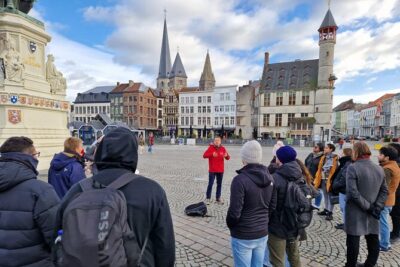
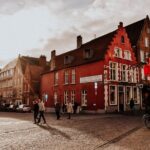
The tour kicks off at Market Square, where you’ll hear the history linked to the Belfort Tower and the surrounding civic power. Even if you don’t go inside every museum, this kind of “why this square looks this way” storytelling helps you understand how Bruges functioned: governance, trade, guild influence, and public life all sat close together.
You also get quick pointers tied to the beer museum and the Flemish Parliament area, plus references like Historium and guild houses. The key is that these aren’t treated like separate attractions. They’re presented as parts of one medieval system, where wealth, politics, and culture all fed into the same central space.
Drawback to keep in mind: if you’re the type who likes to spend time photographing every façade with zero movement, the timed stops mean you’ll have to choose what to linger on. The upside is you’ll cover a lot without getting bored.
Burg Square: The Holy Blood, Town Hall, and Palace of Justice
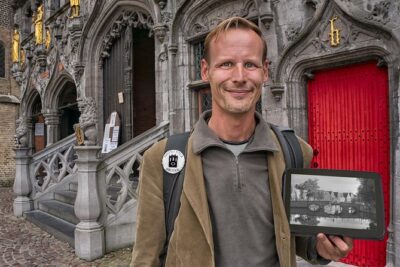
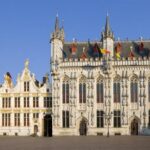
Next is Burg Square, another major civic hub. Here, the focus shifts from tower power to the city’s sacred and legal identity. You’ll learn about the mysteries connected to the Basilica of the Holy Blood, plus what the Town Hall and the Palace of Justice represent in the medieval world.
This stop is valuable because it changes the tone of the walk. Bruges isn’t only merchants and guilds; it’s also faith and law wrapped into public architecture. When you understand that Burg Square was a place where major decisions were tied to civic identity, the buildings stop looking decorative and start looking functional.
The explanation is short, so don’t expect deep museum-style narration. Expect instead a clear mental map of what each building signals.
Markt and the Rise-and-Fall Lesson
At the Markt, you’ll get the “rise and fall of Bruges in the Middle Ages” storyline. That theme matters because it’s the difference between seeing Bruges as a perfect preserved set and understanding why that preservation happened.
Bruges’ medieval story isn’t only about beauty; it’s about how trade networks and fortunes changed. Hearing the big picture while you’re standing in the right location makes the lesson stick. Later, when you spot a tower, a square, or a market-adjacent street, you’ll know what it likely connected to in those shifting years.
This is one of the stops that works especially well for first-time visitors. If you already know Bruges well, you’ll still likely pick up a sharper timeline.
Dijver: Tanneries, a Pier, and the Iconic Postcard View
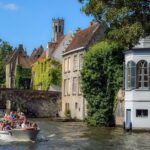
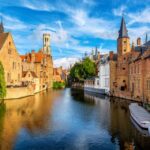
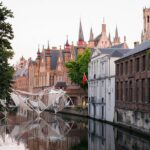
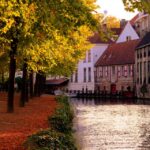
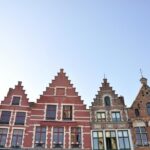
Dijver adds texture to the tour. Instead of only big civic sites, you move toward the river-related side of medieval Bruges: the leather tanners’ square, the Rosario pier, and views that are often used as the iconic postcard angle of the medieval city.
This part can be a favorite because it slows things down in a visual way. River corners and working-city spots help you picture daily life beyond the ceremonial squares. You’ll also get a better sense of how the city’s layout supported trade and production.
One practical consideration: river-side areas can feel cooler in wind, and you’ll be outside through the walk. If the weather is weird, dress in layers.
You can also read our reviews of more tours and experiences in Bruges



Groeningemuseum: Jan van Eyck Without the Museum Ticket Pressure
At Groeningemuseum, you’ll experience the glory of Jan van Eyck’s paintings. The tour doesn’t require you to turn the day into a full art museum marathon. It’s more of a “why this artist matters to Bruges” moment, which is a smart use of limited tour time.
If art is your main interest, you may want to pair this walk with a future visit to see more works in more depth. But even if you’re not an art-specialist, the Jan van Eyck mention helps you understand why Bruges has that reputation as an arts center, not only a tourist postcard.
Gruuthusemuseum: Palace Power and a Bridge Full of Stories
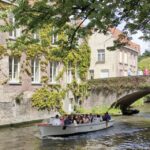
Gruuthusemuseum is where the tour brings in palace-scale medieval influence. You’ll see the spectacular Palace of the Gruuthese family and cross the San Bonifacio bridge, which includes legends tied to the area.
There’s also an intriguing mention of an influential Spanish philosopher in the Middle Ages connected to Bruges. That kind of detail is why I like guided city walks: the guide links local landmarks to wider networks of ideas and people, so Bruges feels connected to the broader European story rather than frozen in time.
If you’re visiting with kids or teens, this stop also tends to work well because it turns architecture into a narrative: who lived here, why they mattered, and what the city “was doing” back then.
Onze-Lieve-Vrouwekerk: Michelangelo’s Madonna and Why Chocolate Has a Place Here
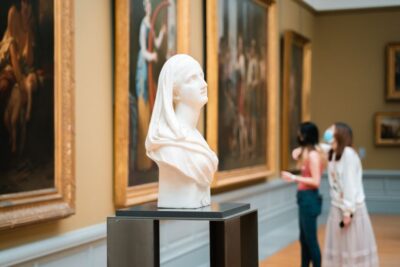
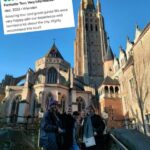
Now the tour leans into one of Bruges’ most iconic church experiences: Onze-Lieve-Vrouwekerk (Church of Our Lady of Bruges). You’ll see the immensity of the church and hear about Michelangelo’s Madonna, including why it’s tied to protection of the city.
Then comes a clever pivot: the history of chocolate. That’s not a random add-on. It’s a reminder that Bruges has always had a relationship with trade, taste, and luxury goods—just in older forms than what you see on today’s shop streets.
If you’re a foodie, this stop gives context before you taste later. If you’re not, it still helps the tour feel like more than just “pretty buildings.”
Pur Chocolat Tasting: The Point Where the Walk Gets Sweet
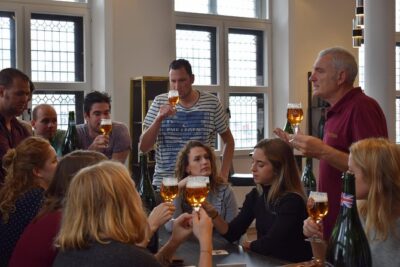
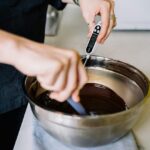
Pur Chocolat Artisanale Chocolatier is the tasting stop, and it runs longer than most other parts—about 20 minutes. This is the moment that turns the tour from educational to genuinely fun.
You’ll taste the chocolate as part of the experience, and that’s the reason this tour is a good choice for couples, families, and anyone who doesn’t want to spend time searching for the best option on their own. You get guided choices and a built-in schedule.
A useful tip from the vibe of the feedback: in some cases, the tasting lineup has included things like fries and waffles alongside the chocolate, which makes the whole run feel like a “snack-and-stories” walk. You can’t assume that’s always identical, but it tells you the experience is set up to be enjoyable, not just instructional.
If you have dietary restrictions, the tour description only explicitly says chocolate tasting and does not list alternatives. So if that matters for you, it’s smart to message ahead.
Halve Maan Brewery: Beer Culture in the Middle of the Medieval Story
De Halve Maan Brewery adds a big flavor layer. You visit the emblematic Halve Maan beer factory and connect brewing culture back to the civic and daily life themes you’ve been hearing since the start.
Even if you’re not a beer drinker, this stop is still worth it because beer in Bruges isn’t just a drink. It’s tied to local identity and the city’s long-standing trading and production habits—same themes, different angle.
This also helps keep the pacing interesting. After the church-and-palace portion, beer offers a different kind of sensory learning.
Ten Wijngaarde Beguinage: Maximilian’s Sacred Swans and Women’s Stories
The Princely Beguinage Ten Wijngaarde is one of the more emotionally satisfying parts of the route. You’ll hear about Maximilian’s Sacred Swans and get stories about the female heroines of the Middle Ages in Bruges.
This stop matters because it changes the cast of characters. Medieval city tours often focus on towers and institutions, which can make everything feel male-led and official. Here, the focus shifts toward women’s lives and influence—at least in the way the tour tells it.
If you like history that includes everyday people, this is a strong add-on. If you only care about the big monuments, you might still appreciate it for variety.
Minnewater Lake: The Lake of Love Finish
The tour ends at Minnewater Park, with Minnewater Lake as the final emotional note. You’ll learn the history tied to the mythical Lake of Love, and the story tone turns more legend-like and dramatic.
Finishing by the lake is a smart way to end a walking tour. It gives you space to slow down, take photos, and decide what you want to do next without feeling like you’re being rushed out.
It also helps that Minnewater is a natural “wrap-up area” in Bruges. You can end here and still keep enjoying the city even if you’re done with guided walking for the day.
Price and Value: What You’re Really Paying For
The listed price (about $3.62 per person) is low enough that you should judge it by what’s actually included—not just the number.
What you get:
- A tourist guide for the whole route
- A chocolate tasting
- A PDF mini guide for Bruges free-tour style
- Promotions and discounts for the menu of the day
What you don’t get:
- Entrance fees to museums or attractions
- Tips (as with most guided experiences)
So the real value isn’t “you avoid paying for everything.” It’s that you get a guide-led route that concentrates the most meaningful medieval story points in a short time, plus chocolate as a built-in reward. If you were planning to wander on your own and then figure out what’s worth your time, this tour can save you the confusion tax.
One practical caution: since museum entrance fees aren’t included, if you want indoor time at Groeningemuseum or other sites, budget for that separately.
Group Size, Timing, and Practical Tips
- Duration: about 1 hour 40 minutes to 2 hours
- Group size: maximum of 15
- Language: English
- Ticket: mobile ticket
- Weather: the experience requires good weather
- Meeting/ending: starts at Markt 7 and ends at Minnewater Park
These details matter because they affect your comfort and your expectations. A group of up to 15 usually means you can hear the guide without shouting across a crowd, and you can still stop for photos without it turning into a long bottleneck.
Practical advice that makes the tour smoother:
- Wear comfortable shoes. The time range means you’ll walk more than you might expect.
- Bring a light layer. Church areas and river-side corners can feel colder than you expect.
- If you’re sensitive to crowds, aim to arrive a few minutes early so you’re not rushing at the start.
Who Should Book This Tour With Chocolate Tasting?
This is a great fit if:
- You’re visiting Bruges for the first time and want a guided “map in your head”
- You want medieval stories that connect squares, churches, and bridges
- You like food experiences that are scheduled, not a last-minute search
- You’re traveling with teens or families and want the guide to keep the energy up (including the kind of fun, interactive touches that have been mentioned for guides like Steven)
It may be less ideal if:
- You want lots of museum entrance time during the tour itself
- You prefer long stop-and-stare museum wandering over a paced walking format
- You don’t do well with weather changes, since the tour requires good weather
Should You Book This Medieval Tour in Bruges?
If your goal is to understand Bruges quickly and enjoy a proper chocolate tasting without turning your day into a museum schedule, I think this is worth booking. The route hits the major medieval anchors—Market Square, Burg Square, Dijver, key churches, and the beguinage—then caps it with Minnewater Lake, a classic Bruges way to end a story-heavy walk.
I’d book it especially if you want value and structure. The guide-led format keeps you from missing why places matter. Just be ready for a solid walking commitment and remember that museum entrances aren’t part of the deal.
FAQ
Where does the tour start and end?
It starts at Markt 7, 8000 Brugge, Belgium, and ends at Minnewater Park (Minnewater 1/15, 8000 Brugge, Belgium).
How long is the tour?
Expect about 1 hour 40 minutes to 2 hours.
What language is the tour offered in?
It’s offered in English.
How many people are in the group?
The tour has a maximum of 15 travelers.
What’s included in the price?
The experience includes chocolate tasting, a tourist guide, and a PDF mini guide Brugesfreetour, plus promotions and discounts for the menu of the day.
Are museum entrance fees included?
No. Entrance fees to any museum or attraction are not included.
Do I need a printed ticket?
No. You’ll receive a mobile ticket.
Is the tour outdoors?
The route involves walking through key places around Bruges, and the experience requires good weather.
Is the tour suitable for most travelers?
The tour notes that most travelers can participate.
Is free cancellation available?
Yes. You can cancel up to 24 hours in advance for a full refund, and cutoff times are based on local time.