REVIEW · BRUGES
Bruges: Musea Sculpta | Monumental Sculptures Entry ticket
Book on GetYourGuide →Operated by MUSEA SCULPTA NV · Bookable on GetYourGuide
A small change in perspective can make famous art feel brand new. At Musea Sculpta in Bruges, you walk through a long gallery where painters like Jheronimus Bosch and Jan van Eyck become three-dimensional, life-sized-looking scenes in gypsum relief.
I love the way the museum makes you slow down. The audio guide helps you spot tiny storytelling details—like the kind of oddball surprises you might otherwise miss—and it turns a quick glance into actual seeing. The second big win for me is the variety: you get monumental reliefs of major Flemish works, plus a calm courtyard garden break with a view.
One consideration: the museum leans on the audio and the sculptures themselves. If you’re expecting tons of reading-style explanations on the walls, you may want to plan on using the audio guide as your main source of context.
In This Review
- Key things to know before you go
- Bruges museum magic: when paintings become monumental sculptures
- Price and value for an experience that’s actually built to be watched
- Finding De Pelikaan: the meeting point and why the building matters
- The 265-metre statue gallery: how to use the audio guide well
- The big masterpieces you see in relief: Bosch, Memling, and the van Eycks
- 700 m² of gypsum sculptures: what “monumental” really means here
- Sofas, Wi‑Fi, and the courtyard garden break with a view
- A practical timeline for a 1-day visit in Bruges
- Who this museum suits best (and who might feel off-target)
- Tips to get more from the reliefs without feeling overwhelmed
- Should you book Musea Sculpta?
- FAQ
- How long does Musea Sculpta take?
- Is the audio guide included?
- What languages is the audio guide available in?
- Where is Musea Sculpta in Bruges?
- How do I find the entrance?
- Is Musea Sculpta wheelchair accessible?
- Are pets allowed?
- Is there a place to sit during the visit?
- Is Wi‑Fi available?
- What are the basic time limits for entry?
Key things to know before you go
- A 265-metre-long gallery of statues makes this feel like a guided walk, not a quick stop
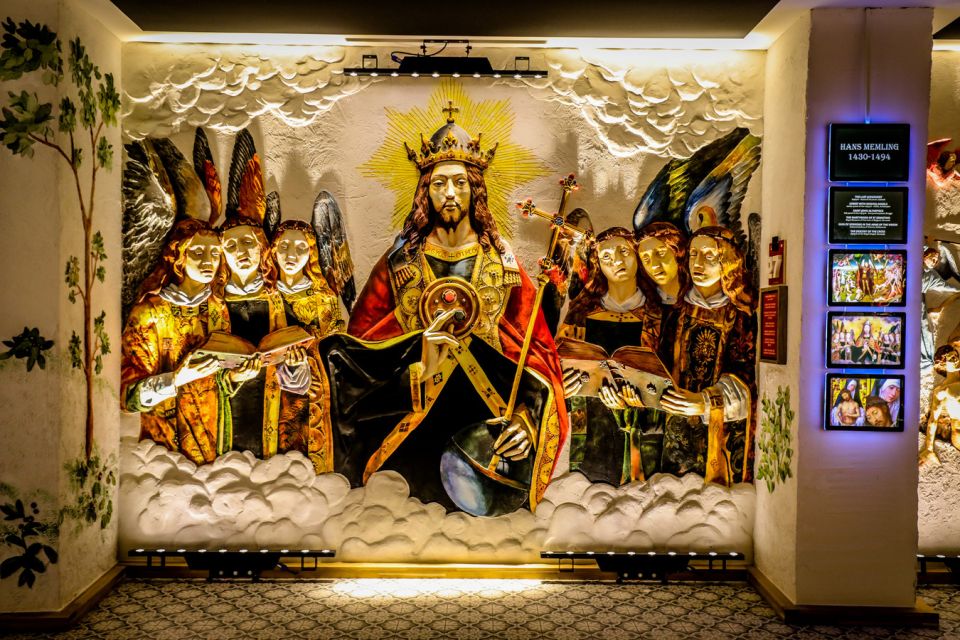
- 700 m² of gypsum reliefs created from 22 tons of plaster-like material
- Major Flemish masterpieces shown in new relief format (Bosch, Memling, and the van Eycks)
- An included audio guide in multiple languages to help you read the details
- Sofas in every room plus a courtyard garden where you can take a breather
Bruges museum magic: when paintings become monumental sculptures
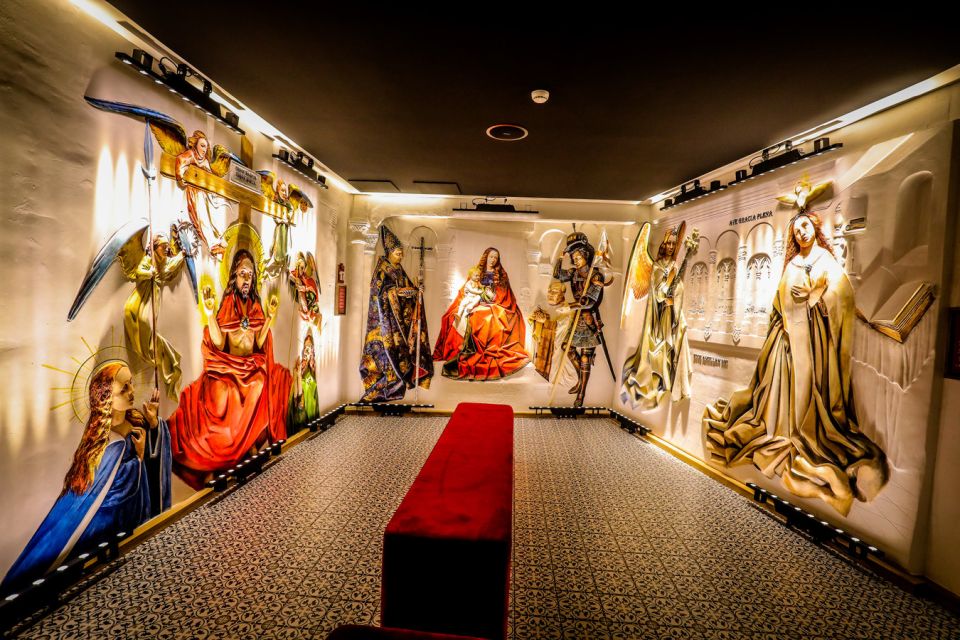
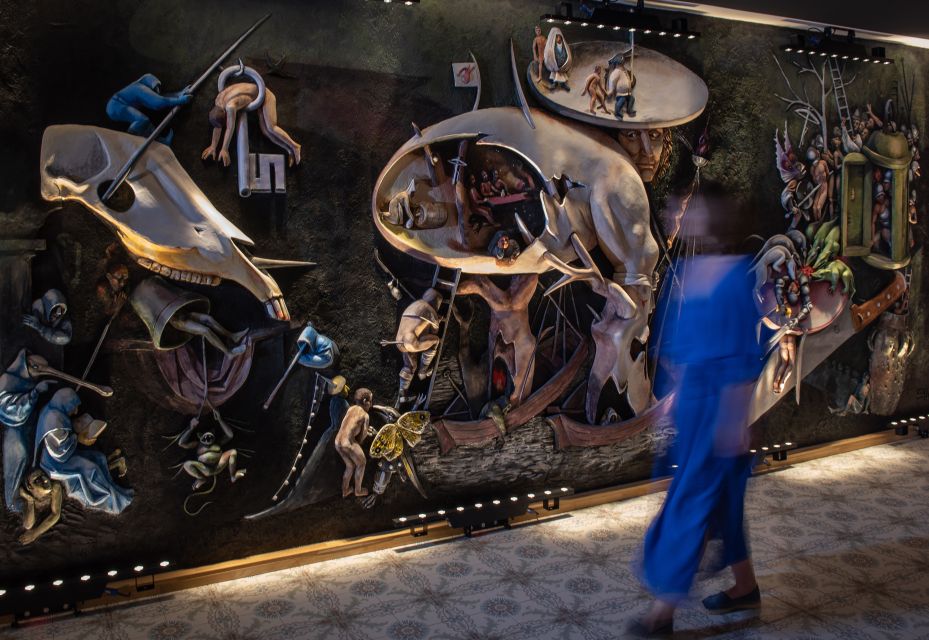
Musea Sculpta is what happens when a museum says: what if you could touch the meaning, not just look at it? Here, familiar scenes from the Flemish masters—famous enough that you’ve probably heard of them—even get translated into huge, wall-mounted sculptural relief.
The result feels equal parts art lesson and visual puzzle. You move along a long path, and the works unfold like a story. You’ll notice patterns: faces, objects, small symbols, and strange creatures that you’d normally miss because they’re too tiny in the original paintings. In relief, those details become impossible to ignore.
And yes, this is still Bruges. You’re in a historic townhouse called De Pelikaan. But inside, the focus shifts from medieval streets to a very specific art world: the Flemish primitives and the beliefs and symbols behind their paintings.
You can also read our reviews of more tours and experiences in Bruges
Price and value for an experience that’s actually built to be watched
At about $11 per person for an entry ticket, you’re paying for a format that’s rare. You’re not just seeing copies or flat reproductions. You’re paying to walk through a purpose-built sculptural gallery—one that uses large-scale relief to help you understand composition and symbolism.
A big part of the value here is the included audio guide. If you’ve ever felt museum audio guides are either too fast or too scripted, this one is built around letting you take in the art at your pace. You can stop, look longer, and replay the parts you care about without the museum “moving you along.”
So it’s not just an affordable ticket. It’s an affordable way to turn famous art into a slower, more readable experience.
Finding De Pelikaan: the meeting point and why the building matters
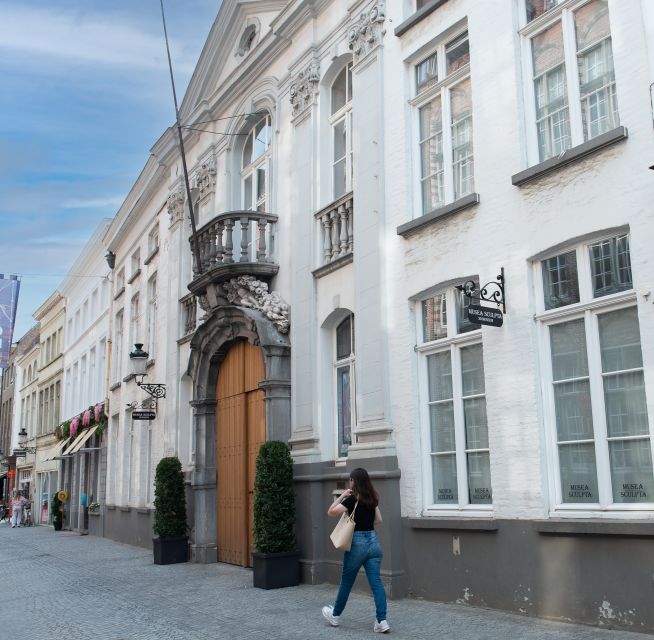
You’ll want to aim for the historic townhouse known as De Pelikaan. Look for the large white building with a brown gate and a pelican statue on the roof. Once you spot that, getting inside is straightforward: you enter through the gatehouse area and then you’re pulled into the sculptural spaces inside.
I like this starting setup because it gives you a sense of arrival. Bruges can feel like you’re constantly walking past charming facades—De Pelikaan is clearly something you’re meant to step into, not just stroll by. It also helps you mentally switch gears: from canal-side scenery to a museum designed for close looking.
The 265-metre statue gallery: how to use the audio guide well
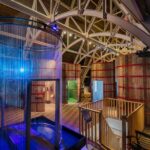
The museum’s core experience runs through a 265-metre-long gallery. That length matters because it signals the “pace” the museum wants from you. This isn’t built for a five-minute sprint. It’s built for a steady walk where each room gives you a new angle on the same idea: Flemish painting translated into sculpted relief.
Here’s how to make the audio guide work for you:
- Start with the audio on so you get the big picture of what you’re seeing.
- When you notice something strange or detailed, slow down and let the guide point it out.
- Don’t feel like you have to stand in every spot the same way. Sofas are available in rooms, so you can sit and study at points instead of only shuffling along.
The audio guide is included and available in English, Dutch, French, Spanish, and German, so you can match it to your comfort level. If you’re more comfortable reading a quick label, you might still use the audio for the “why”—but even if you prefer listening, this format is made for it.
The big masterpieces you see in relief: Bosch, Memling, and the van Eycks
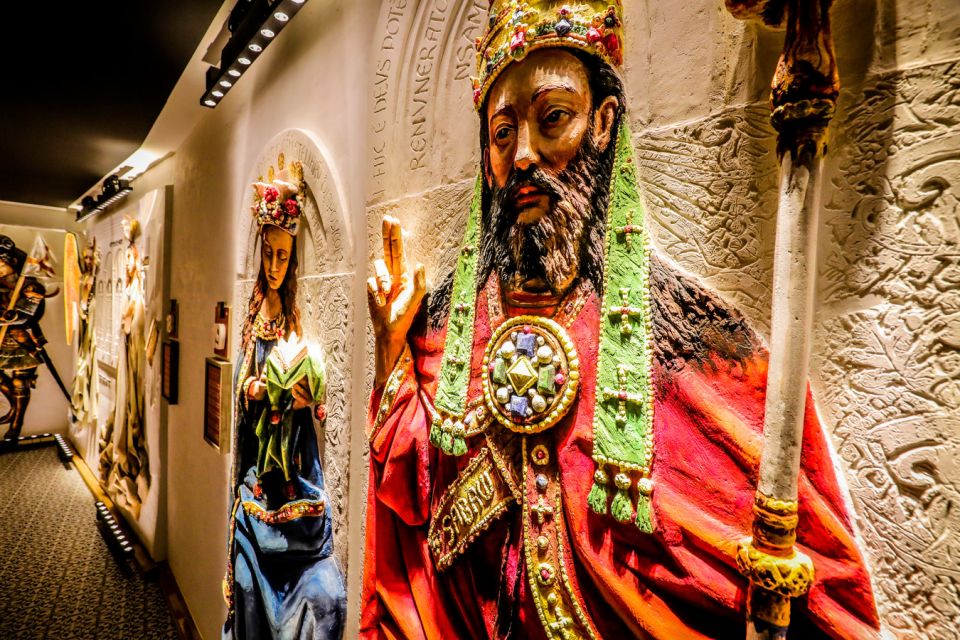
This is the part that makes Musea Sculpta feel distinct. Instead of telling you about famous Flemish works, it brings you face-to-face with them in relief—so the scenes become physical.
Three named highlights you should plan around are:
- Garden of Earthly Delights by Jheronimus Bosch
- The Last Judgement by Hans Memling
- Adoration of the Mystic Lamb by the van Eyck brothers
You’re seeing these works for the very first time in relief format here. That phrase matters because it sets expectations: you’re not looking at the original paintings. You’re looking at a sculptural re-creation designed to show scale, layering, and the way the artists composed the scene.
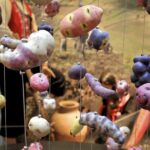
If you like Bosch-style weirdness, you’ll likely enjoy looking for the playful oddities that appear in the scenes. One of the fun notes mentioned in reviews is that it’s possible to spot a unicorn, and that kind of detail is exactly why this relief format works. You’re not searching for a tiny figure under glass. You’re scanning a sculpted wall where the character is right there.



700 m² of gypsum sculptures: what “monumental” really means here
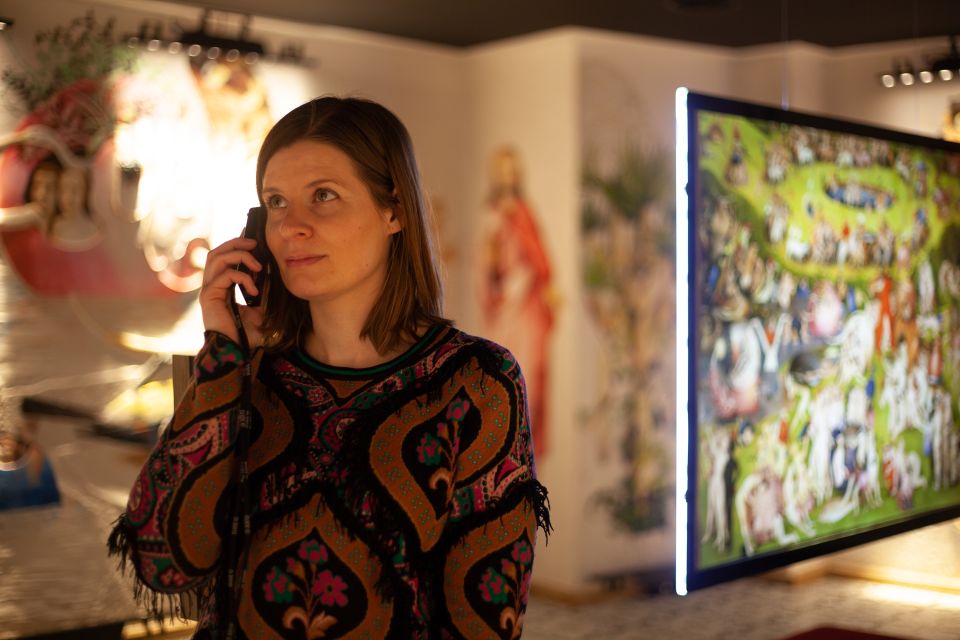
The museum’s sculptural approach is built on scale. The 700 m² of sculptures are made in gypsum by international artists from places including America, Belgium, Germany, Italy, Ukraine, Poland, Russia, and Spain. The museum also notes that 22 tons of gypsum were used to make it happen.
You don’t need to know plaster math to enjoy it. But it’s useful context: this isn’t a small model display. It’s a large project designed to mimic the density of imagery that Flemish paintings are known for.
Also, because these are sculpted in a wall-relief style, you’ll notice how texture and depth change your interpretation. Objects feel closer, faces read more clearly, and background “busy-ness” becomes something you can follow with your eyes.
Sofas, Wi‑Fi, and the courtyard garden break with a view
One of the smartest, most underrated parts of Musea Sculpta is how it supports downtime. You’ll find sofas in every room, which makes it easier to study without turning it into a constant walking workout.
There’s also Wi‑Fi, which sounds small until you’re mid-visit and want to check something quickly on your phone—like the story of a scene or a symbol you noticed.
Then there’s the courtyard garden. During your visit, you can relax there, and the museum notes that it’s a good place to take a break with a drink. The garden is also described as having one of the nicest views, which is exactly the kind of “reset moment” you want after focusing on detailed sculpture.
In Bruges, you can spend hours just moving from street to street. This museum gives you a structured indoor route, then hands you back the ability to breathe.
A practical timeline for a 1-day visit in Bruges
The ticket is valid for one day, and you’ll want to check availability for starting times. Because the museum experience is self-paced with an audio guide, your “schedule” is really about how you want to move.
Here’s a simple approach that works well:
- Give yourself enough time to walk the full gallery and not feel rushed.
- Plan at least one pause where you sit on a sofa and let a room’s details land.
- End with the garden break if you want a calm finish.
Also, arrive before 5pm. If you’re touring Bruges actively, that deadline is worth respecting so you don’t end up stressed during a visit that’s supposed to be slow and visual.
Who this museum suits best (and who might feel off-target)
Musea Sculpta is a strong match if you enjoy:
- Flemish masters and religious-era symbolism (even if you don’t know every term)
- museums that reward careful looking
- art experiences where an audio guide actually changes what you notice
- quirky details and “spot it” moments like the unicorn mention from reviews
It may not be your best choice if you want a classic museum style with heavy wall text. One drawback reflected in feedback is that the experience can feel more focused on the sculptural storytelling and audio rather than lots of reading boards.
In other words: if you love art through explanation, use the audio as your guide. If you prefer reading dense labels, you’ll want to arrive ready to do most of the learning through the guide.
Tips to get more from the reliefs without feeling overwhelmed
This museum is visual overload in the best way. Every wall is busy, and it’s easy to try to absorb everything at once. Here’s how to make it feel fun, not frantic:
- Use the audio guide from the start. It helps you understand the beliefs and period context, which makes the imagery easier to “read.”
- Pick a few moments to linger on. Don’t try to study every corner. Choose the scenes or symbols that catch your eye and sit with them.
- Expect the scale to change your interpretation. Relief makes tiny parts look big, and that can be surprising—in a good way.
- Take the garden break. It keeps the day from turning into nonstop looking.
- If you’re the type who likes a challenge, treat the visit like a scavenger hunt: scan for repeating motifs and strange figures, including the kind of surprise mentioned in reviews.
Should you book Musea Sculpta?
If you’re in Bruges and you want something genuinely different from the usual canals-and-church routine, I’d book it. For the money, you get a full sculptural experience: a long 265-metre gallery, massive gypsum reliefs, major Flemish works in three-dimensional form, and an included audio guide that helps you understand what you’re seeing.
Book it especially if you like art that rewards attention and you’re open to learning through visuals plus narration. If you’re the type who needs lots of wall text to feel satisfied, you may want to manage expectations and rely on the audio guide as your main “labels.”
If your goal is a quick stop, you might feel the design fights that pace. But if your goal is to see familiar masterpieces in a new way—at a calm walking rhythm—this one is an easy yes.
FAQ
How long does Musea Sculpta take?
Plan for about 1 day. The experience is self-paced, guided by the included audio guide.
Is the audio guide included?
Yes. The audio guide is included with your entry ticket.
What languages is the audio guide available in?
It’s available in English, Dutch, French, Spanish, and German.
Where is Musea Sculpta in Bruges?
It’s located in the historic townhouse De Pelikaan in Bruges.
How do I find the entrance?
Look for a large white building with a brown gate and a pelican statue on the roof, then enter through the gatehouse area.
Is Musea Sculpta wheelchair accessible?
Yes. The museum is wheelchair accessible.
Are pets allowed?
No, pets are not allowed.
Is there a place to sit during the visit?
Yes. There are sofas in every room.
Is Wi‑Fi available?
Yes, Wi‑Fi is available.
What are the basic time limits for entry?
You should arrive before 5pm, and you’ll want to check availability for starting times since the ticket is valid for 1 day.