REVIEW · BRUGES
Private Vimy and Belgium Canadian Battlefield Tour from Bruges
Book on Viator →Operated by Ploegsteert Sector Battlefield Experience · Bookable on Viator
WWI moved from history books to real ground when I imagine what it meant to be a Canadian soldier here. This private day trip strings together the most important Canadian-linked sites in Flanders, then closes with the Last Post at Menin Gate in Ypres. I especially like the way you get time in the trenches and tunnels at Vimy, and I also like the focus on memorials and named sacrifice instead of just a drive-through photo stop.
You’ll also feel the difference between battle fields and cemeteries as the day goes on. The Grange Tunnel visit and the walk through the preserved trenches give you a sense of timing and proximity, while cemeteries like Tyne Cot put scale on the cost—12,000 burials and memorial names for 35,000 soldiers with no known grave. One possible drawback: it’s a long day on the road, and you’ll want a guide who actively explains things during the drive, not just at the stops.
In This Review
- Key highlights to expect
- A private WWI Canadian route with real time at the memorials
- Vimy Ridge: memorial views, preserved trenches, and the Grange Tunnel
- Ploegsteert to Hill 62: remembrance spreads beyond Vimy
- Princess Patricia’s Memorial and the Frezeberg lesson
- Tyne Cot: where 12,000 burials and 35,000 names hit hard
- Saint Julien and the Brooding Soldier: the first gas attack is close by
- Langemark and Essex Farm: comparing cemeteries and meeting John McCrae’s words
- Ypres Cloth Hall, free time, and the Menin Gate Last Post
- Price and value: what $535.86 per person buys you
- Guide quality matters more than you think
- Should you book this Private Vimy and Belgium Canadian Battlefield Tour from Bruges?
- FAQ
- How long is the tour?
- What time does the tour start in Bruges?
- Is hotel pickup and drop-off included?
- What’s included in the price?
- Are admission tickets included?
- Is alcohol included with lunch?
- Is this tour truly private?
- Is cancellation possible if plans change?
- What about accessibility?
Key highlights to expect
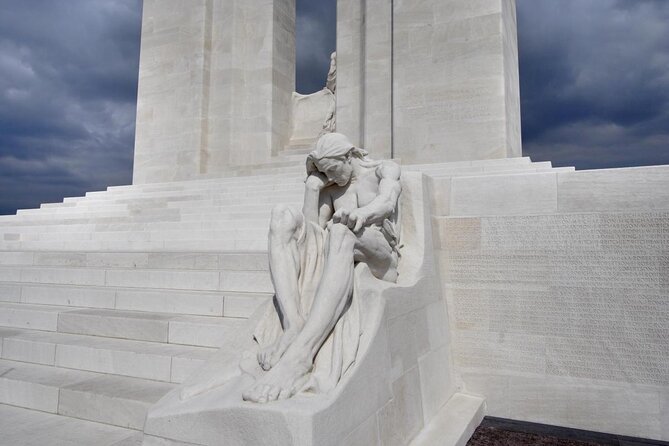
- Vimy Ridge trenches and Grange Tunnel, with a view over the Douai plain and access down where troops waited
- Hill 62 (Sanctuary Wood), a key spring-of-1916 fighting point for Canadians
- Tyne Cot Cemetery, the largest CWGC cemetery there, plus the memorial listing 35,000 names
- John McCrae’s Essex Farm Cemetery stop, tied to the lines of In Flanders Fields
- Ypres Cloth Hall and town time, so the memorial day has a real break built in
- Last Post ceremony at Menin Gate, a powerful end to the day
A private WWI Canadian route with real time at the memorials
This is the kind of tour you book when you want the places to work on you, not just pass by your window. The private minivan and professional guide let you spend hours where it matters—trenches, tunnel, cemeteries—then slow down for the ceremonies and reflection.
Because it starts early (around 8:30am) and runs about 10 hours, you’ll get a full sweep of the Flanders Canadian story in one day. The group stays small and private, so you’re not fighting for attention or trying to squeeze your questions into a crowded schedule. Lunch is included, too, which matters on a day like this when you don’t want to waste your one free window hunting for food.
You can also read our reviews of more private tours in Bruges

Vimy Ridge: memorial views, preserved trenches, and the Grange Tunnel
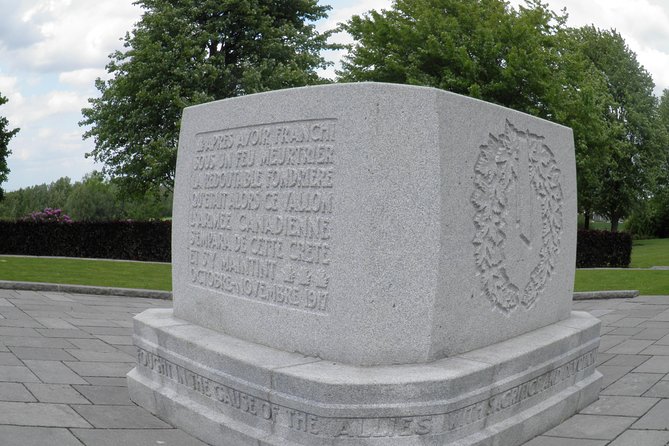
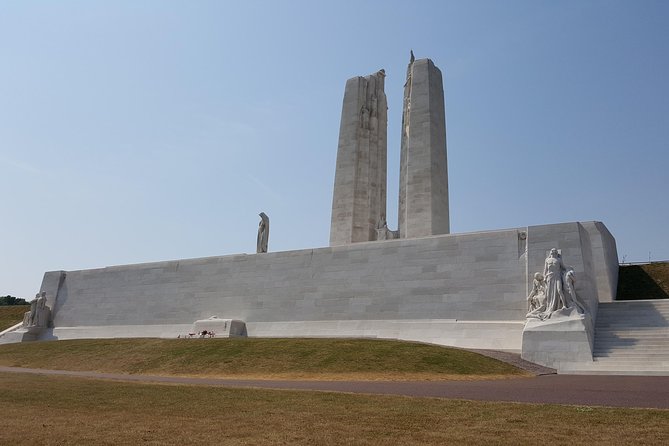
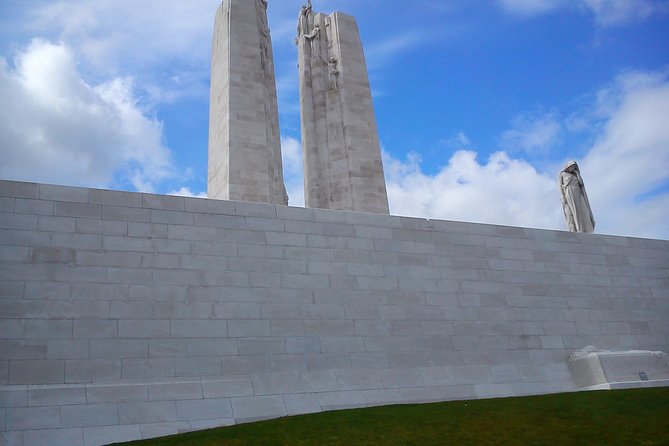
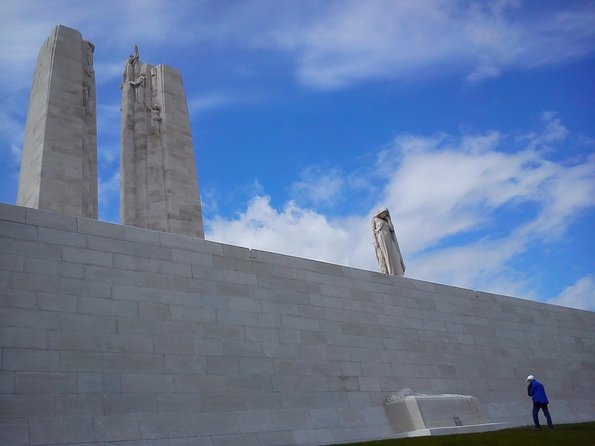
Vimy Ridge is the centerpiece for a reason. You’ll head there from Bruges and have time near the Canadian National Vimy Memorial, where you can look out over the Douai plain. It’s a dramatic vantage, but the real value is what you do next: you walk the preserved trench areas where Canadian and German trenches have been kept in place for visitors.
Then you go down into the Grange Tunnel, one of the most memorable parts of the day. This isn’t just a photo stop. The point is to help you grasp how close the Canadian assault preparations were to the front line—troops were inside this tunnel system in the hours before the battle, then emerged to attack.
If you appreciate context, you’ll like that this stop also includes the newly built visitor centre. It helps you connect what you’re seeing on the ground to what the memorial means. The time here is about 3 hours, which is enough to take it in without feeling rushed.
Practical note: this is a low-energy, respectful day, but your feet will still do a lot of work. Wear shoes you trust on uneven paths and steps around the sites.
Ploegsteert to Hill 62: remembrance spreads beyond Vimy
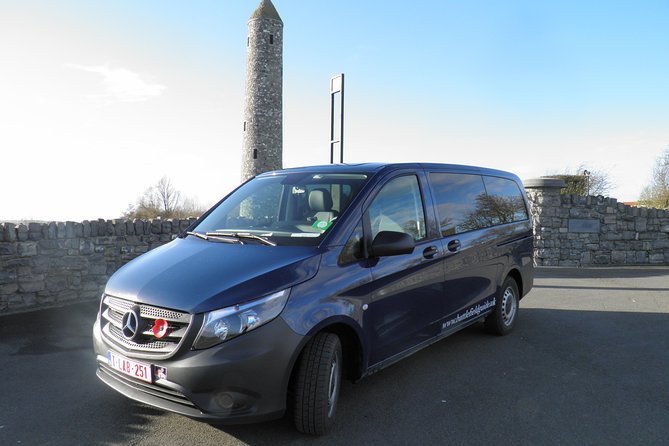
After Vimy, the tour doesn’t just repeat the same theme. You get a stop at the Ploegsteert Memorial to the missing, which shifts the mood from the famous ridge to the reality of men whose names still can’t be tied to a specific grave. Even if you only spend a short moment there, this is a useful reminder: WWI remembrance is not one battle, one date, one kind of loss.
Then you move on to Hill 62 (Sanctuary Wood), a Canadian memorial point tied to the spring of 1916. At Hill 62, you’re essentially standing on a place where Canadians fought for control in a different phase of the war—so you understand Vimy more as a moment in a broader campaign, not a standalone myth.
This mid-morning stretch works because it breaks up the day’s attention. You go from a tunnel and trenches, to missing soldiers, to a hill where fighting happened earlier than the Vimy assault. It prevents the common problem of memorial days turning into a single blur.
Princess Patricia’s Memorial and the Frezeberg lesson
Next comes Princess Patricia’s Canadian Light Infantry Memorial, located at Frezeberg, with a quick stop where you can absorb what happened in May 1915. The story connected to this site is stark: the regiment was nearly wiped out in that period.
Even with a short time here (about 15 minutes), it’s a strong reminder that Canadian fighting didn’t begin with 1917. You’re also getting a clearer sense of the different regiments and different battles that fed into the Canadian identity we often associate with Vimy.
If you’re the type who likes to connect the dots, ask your guide how that early 1915 fighting fed into later operations. You’ll usually get a sharper explanation than you’d get from reading one plaque alone.
Tyne Cot: where 12,000 burials and 35,000 names hit hard
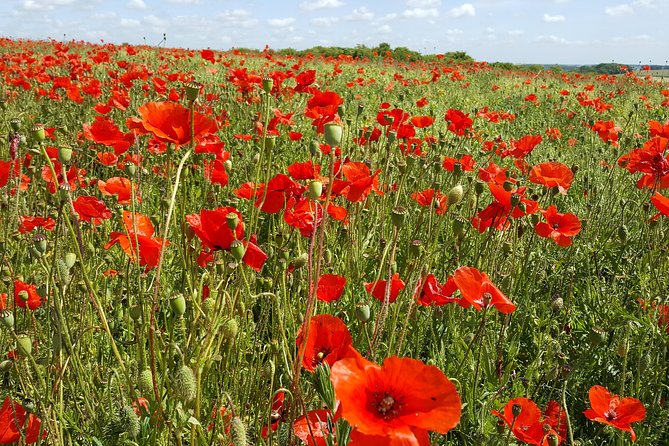
Then the day turns into the cemetery phase, and the biggest one is Tyne Cot Cemetery. It’s described as the largest CWGC cemetery in that region, with 12,000 burials. More than that, it includes a memorial listing names of 35,000 soldiers with no known grave.
This stop is about 30 minutes, and it’s structured for quiet. You don’t need a long lecture to feel the weight here. What’s valuable is that this cemetery connects you to the scale of loss across the war.
One practical tip: if you want to make this place more personal, bring a pen and list a few names you want to look for. The tour guide will likely explain what you’re seeing, but having a small target helps you focus your time instead of wandering with no anchor.

Saint Julien and the Brooding Soldier: the first gas attack is close by
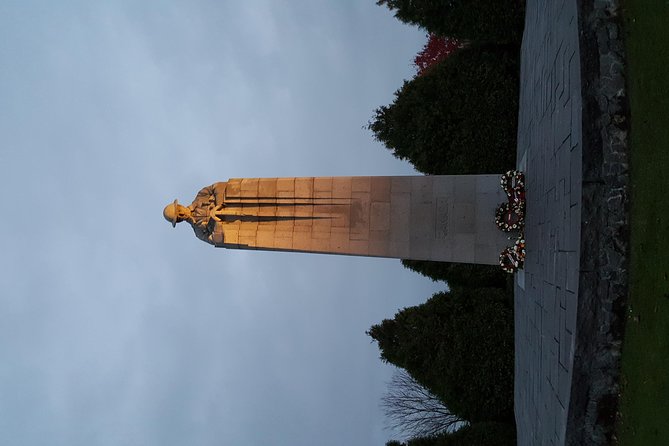
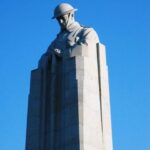
Next you visit the Saint Julien Memorial, including the Brooding Soldier, erected where the first gas attack took place in the spring of 1915. This is one of those stops where the geography matters: you’re not reading about gas warfare in abstract terms—you’re standing near the place where it was used.
Time here is short (about 15 minutes), so it’s ideal if your guide keeps the pacing tight and explains why this memorial is shaped the way it is. If you’ve been through Vimy and Tyne Cot already, the shift to a gas attack memorial gives you a fuller picture of how the war changed.
Langemark and Essex Farm: comparing cemeteries and meeting John McCrae’s words
At Langemark Cemetery, you’ll see a German cemetery, and the tour is designed to make you feel the difference between it and Allied cemeteries. That contrast can be emotionally challenging, but it’s also useful if you want to understand how national memories are shaped in stone and layout.
Then you finish with a literary stop at Essex Farm Cemetery, where John McCrae wrote In Flanders Fields. This is about 15 minutes, but it’s a great pairing after Langemark because it shifts from visual contrast into human voice—poetry born out of a place.
If you know the poem, seeing where it came from adds clarity. If you don’t, it still works as a reminder that people tried to make meaning while everything was falling apart.
Ypres Cloth Hall, free time, and the Menin Gate Last Post
The tour gives you a break in Ypres with time in the historic center. You’ll stop at the Ypres Cloth Hall on the main square and see the cathedral and other buildings. Then you get about 1 hour of free time to wander.
This free time is not a throwaway. After hours of solemn sites, you want a chance to reset—coffee, a quick look around the square, maybe a short walk. It also helps you not feel like your whole day is on autopilot.
Then comes the emotional finish: the Last Post ceremony at Menin Gate. You’ll stand under Menin Gate for the service, which is about 1 hour, then your guide brings you back to your hotel.
This is where the tour earns its “book it” status. You’re not just seeing memorial architecture—you’re experiencing a living tradition tied to remembrance.
Price and value: what $535.86 per person buys you
At $535.86 per person, this is not a budget tour. The value is in the combination of things you’d struggle to do alone: private transport in an air-conditioned minivan, a professional guide focused on the Canadian front, a structured route, and admission timing built around major sites and the ceremony.
You also get hotel pickup and drop-off, plus lunch included. Those details matter on a 10-hour day, because the cost of convenience adds up fast when you’re planning your own route across multiple memorials and cemeteries.
One more value point: it’s a private tour, so you only share the day with your own group. That matters for questions and pacing, especially on a subject that benefits from explanation.
If you’re considering splitting between a solo trip vs a private day, think about your priorities. If your goal is a guided, respectful, full-day remembrance with minimal stress, the price can make sense. If your goal is only to hit a few “top hits” quickly, you might choose something shorter or less structured.
Guide quality matters more than you think
One review theme is clear: the guide can make or break the drive time. When the guide actively talks during the transfer from Bruges, the whole day feels connected and meaningful. When that narration doesn’t happen, you’re staring out the window for about 1.5 hours without much context.
So here’s my practical advice: if history storytelling during the ride is part of what you want, send a quick message when booking asking how the guide will handle the driving segments. And at the stops, don’t be shy about asking what you should focus on in the trenches, in the tunnel, or in the cemeteries.
If your guide happens to be Claude Verhaeghe, the feedback you’ll hear is that he’s passionate about the Canadian experience and keeps the explanations tied to what you’re seeing.
Should you book this Private Vimy and Belgium Canadian Battlefield Tour from Bruges?
Book it if you want a focused, Canadian-front WWI day that moves beyond Vimy Ridge into the cemeteries and the names. The pairing of preserved trenches, the Grange Tunnel, the CWGC sites, and the Last Post ceremony at Menin Gate is a strong mix. You’ll also like it if you’d rather have a guide handle the route and interpretation than self-drive and piece it together.
Skip (or consider alternatives) if you’re mainly after a quick checklist of monuments and don’t care about guided context. Because it’s a long transfer day, the quality and engagement of the narration really matters.
FAQ
How long is the tour?
The tour runs about 10 hours.
What time does the tour start in Bruges?
Start time is listed as 8:30am.
Is hotel pickup and drop-off included?
Yes. Hotel pickup and drop-off are included.
What’s included in the price?
The tour includes lunch, a professional guide, a private tour, transport by air-conditioned minivan, local taxes, and hotel pickup/drop-off.
Are admission tickets included?
Admission tickets are listed as free for the stops mentioned.
Is alcohol included with lunch?
No. Alcoholic drinks are available to purchase but are not included.
Is this tour truly private?
Yes. It’s a private tour/activity with only your group participating. A minimum of 2 people per booking is required.
Is cancellation possible if plans change?
Yes. You can cancel for a full refund up to 24 hours before the experience’s start time.
What about accessibility?
Service animals are allowed, and most travelers can participate.