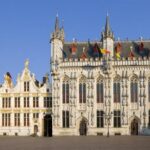
Bruges tastes like it has a pulse. This 4-hour food-and-history tour links famous squares to practical tastings, from the Belfort area to a proper chocolate stop at Depla. You’ll cover a lot of ground, but the story stays tied to what you’re eating and seeing, including Belgian chocolate that’s worth slowing down for.
I especially like two things: the way the route sets context with history stops (churches, squares, civic buildings) and then rewards you with food that fits the moment. The guide approach is the same pattern I saw praised: strong city explanations in plain talk, plus tastings that go beyond just sweets.
One possible drawback: it’s a packed walk with short pauses at each landmark. If you’re hoping for long church interiors or deep museum time, you’ll likely want something else for later in your day.
In This Review
- Key highlights at a glance
- How this Bruges food-and-history walk stays practical
- Starting at Markt 5: the route that gets you oriented fast
- Belfort, Jan van Eyckplein, and Burg Square: medieval Bruges before the first bite
- Vismarkt and the canal-side beer moment at The Belleman Pub
- Wijndijver, Onze-Lieve-Vrouwekerk, and Gruuthusemuseum: where the city gets spiritual (fast)
- Chez Vincent fries: the stop that earns its reputation
- Chocolate Line Bruges and Depla: how to taste chocolate without overthinking
- Price and value: is $203.06 for 4 hours fair?
- Tips to make the most of the walk
- Who should book this Bruges tour (and who might not)
- Should you book the Bruges Food and History Tour?
- FAQ
- How long is the Bruges Food and History Tour?
- What language is the tour offered in?
- What food or drink is included?
- Where does the tour start?
- Is this a private tour?
- Do I need to pay for admission at the sight stops?
- What happens if the weather is bad?
Key highlights at a glance
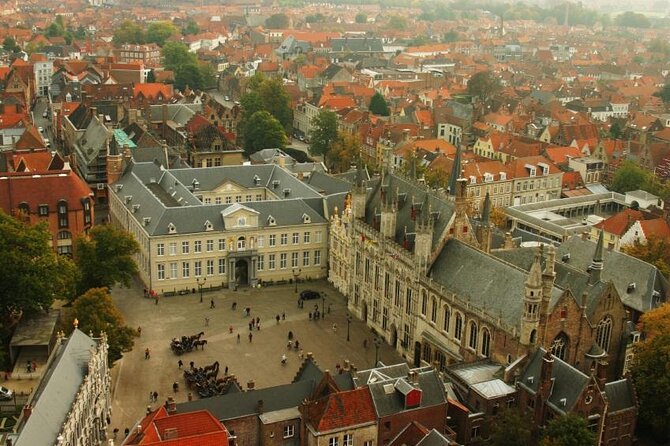
- Belfort, Burg Square, and Stadhuis in one smooth, story-led route
- Beer and sausage included at a classic Bruges pub stop
- Chez Vincent fries included, a major reason this tour gets booked
- Chocolate Line Bruges + Depla Chocolatier tasting to end on something memorable
- Short church and canal breaks built into the timing, not tacked on at random
How this Bruges food-and-history walk stays practical
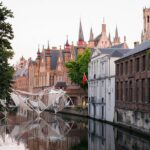
Bruges can feel like a postcard that won’t stop. This tour avoids that trap by linking each stop to why the city looks the way it does. You start in the thick of the medieval core, then move through civic spaces, churches, and market areas before you hit the tastings.
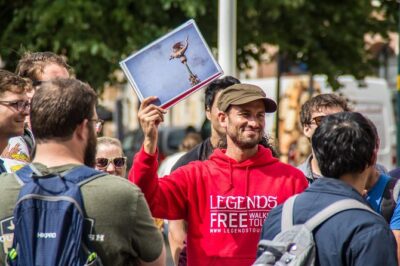
The format is simple: you’ll get a guided walk with frequent photo opportunities and several short landmark moments, then food stops timed so you’re not just eating on the move. It’s offered in English, and it’s described as a private tour for your group, so the pace can work better than the usual big-bus feeling.
At about 4 hours, it also fits into a real travel schedule. Bruges days get busy fast, so I like anything that gives you both orientation and rewards without demanding your whole afternoon.
You can also read our reviews of more food & drink experiences in Bruges
Starting at Markt 5: the route that gets you oriented fast
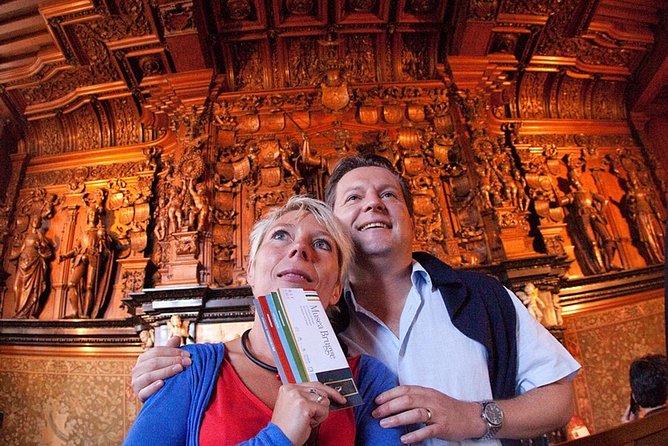
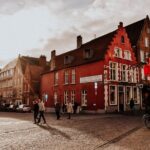
The meeting point is Markt 5 in Bruges. That’s a smart anchor, because Markt Square is central and easy to reference later when you’re wandering on your own.
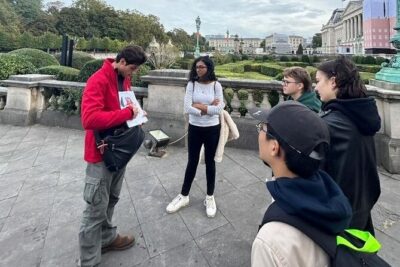
From there, the walk immediately starts teaching you how Bruges is laid out: civic power near the squares, church influence in surrounding streets, and the water/market logic that shaped daily life. You’ll spend enough time at key viewpoints—without turning the day into a sit-down tour—so you can later recognize places you pass on your own.
Also, the tour uses a mobile ticket, which is handy in a place where paper tickets can go missing in a hurry. And because it’s near public transport, you don’t have to wrestle with complicated timing if you’re moving from another part of Belgium that day.
Belfort, Jan van Eyckplein, and Burg Square: medieval Bruges before the first bite
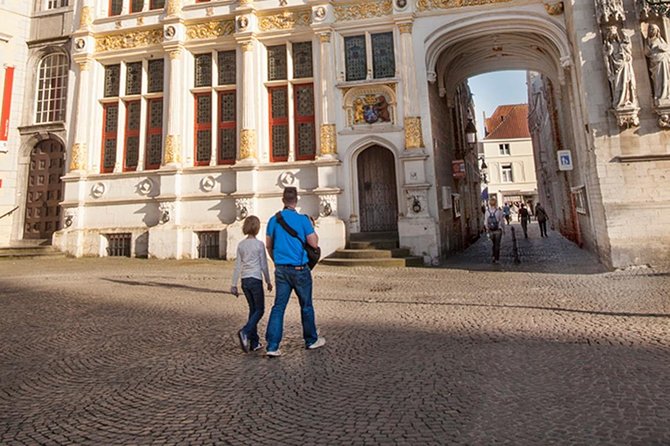
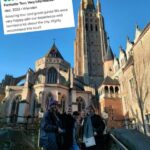
Stop 1 is the Belfort area and Market Square, with about 30 minutes. This is the part of Bruges where you understand power and pride: the city built around public identity. You’ll get the historical and heritage context while you’re in the exact place where that story is still visible.
Stop 2 is Jan Van Eyckplein, about 15 minutes. Even if you only know the name from art history, the value here is the setting: how historical figures and local building styles work together. It’s the kind of context that makes your later sightseeing click.
Then you head into churches and surrounding areas:
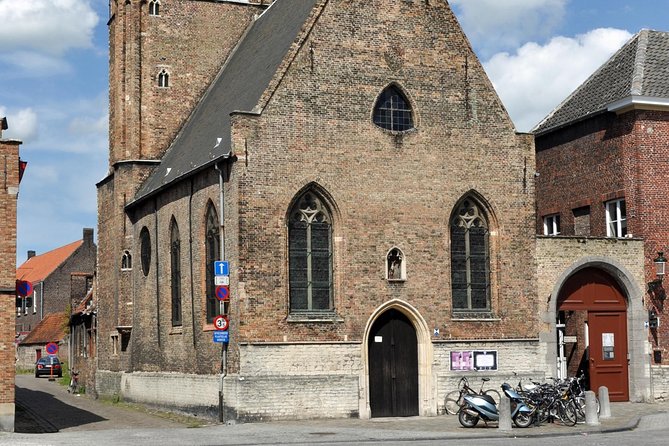
- Stop 3: Sint-Annakerk (about 30 minutes). This one focuses on the church and the neighborhood around it, so you’re not just looking at a building—you’re seeing the human layout that formed around it.
- Stop 4: Adornes Domain (about 10 minutes). This connects the church of Jerusalem and family history, which helps explain why some Bruges buildings feel connected even when they’re not on the same street.
After that, you shift to two big “open-space” moments:
- Stop 5: Burg Square (about 20 minutes), a visual overview of the buildings and how the area’s story developed.
- Stop 6: Stadhuis (about 20 minutes), the city hall and its heritage.
I like this sequence because it’s not random. You learn the civic layer first, then you understand why markets and church areas matter later when food enters the picture.
Vismarkt and the canal-side beer moment at The Belleman Pub
Stop 7 is Vismarkt (about 10 minutes). It’s a market square with “habits” in mind—how daily life worked, what people did there, and how food culture grew from that routine. It’s short, but it sets you up for tasting stops with a reason behind them.
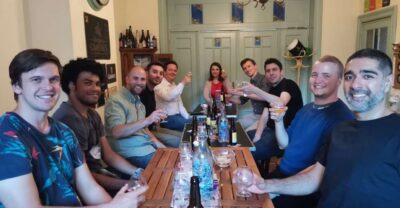
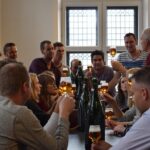
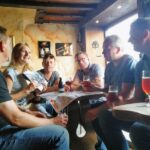
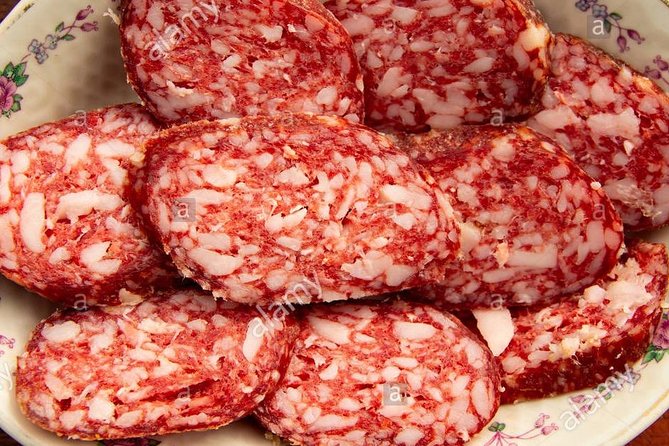
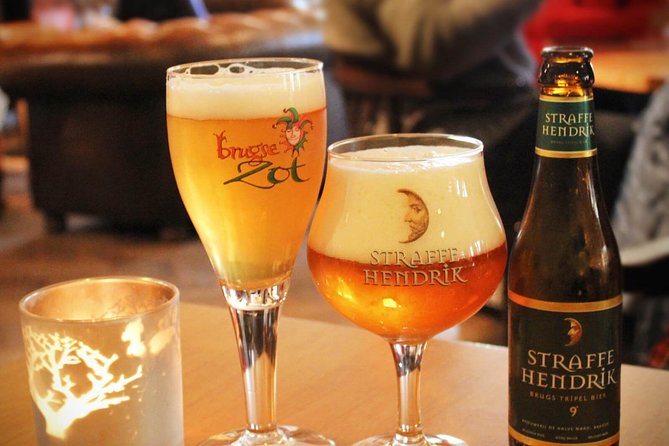
Stop 8 is The Belleman Pub – Brugge (about 25 minutes), and this is where the tour converts history into flavor. Beer and sausage are included. One of the best things about this stop is the vibe: it’s described as a real brewery setting along the canal area, the kind of place that feels like it belongs to Bruges more than it belongs to tourists.
Practical tip: when the group pauses for food, don’t spend all your time staring at your glass. Use the moment to ask what you should pair with what. Guides here tend to connect choices to the city’s food habits, not just the menu.
Wijndijver, Onze-Lieve-Vrouwekerk, and Gruuthusemuseum: where the city gets spiritual (fast)
Stops 9 through 11 keep the walking interesting without making you feel like you’re jumping between totally unrelated places.
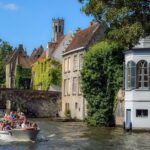
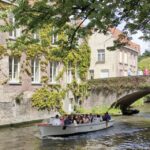
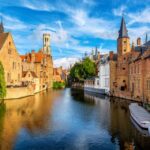
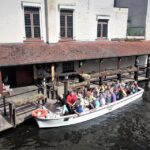
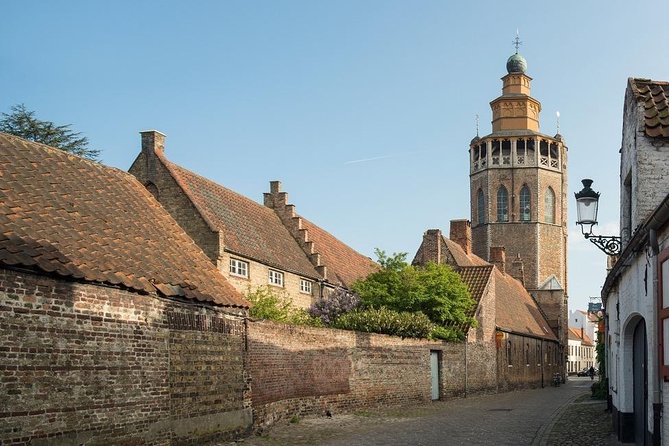
- Stop 9: Dijver (about 10 minutes). This is a walk along the water, which is more than scenery. In Bruges, the canals and water routes explain why trade and markets mattered, and why so many buildings face the way they do.
- Stop 10: Onze-Lieve-Vrouwekerk (about 5 minutes). It’s brief, but focused on history and a straightforward introduction. This stop works well even if you’re not a church-thrill person, because it’s framed as context.
- Stop 11: Gruuthusemuseum (about 10 minutes). You’ll learn about the Gruuthuse family and their heritage. This helps you understand why Bruges had powerful households alongside civic institutions.
One thing I appreciate about these short stops: they prevent the usual Bruges problem where you spend hours chasing grand buildings without understanding what you’re looking at. Here, you get a fast explanation, then you move on before fatigue sets in.
You can also read our reviews of more tours and experiences in Bruges
Chez Vincent fries: the stop that earns its reputation
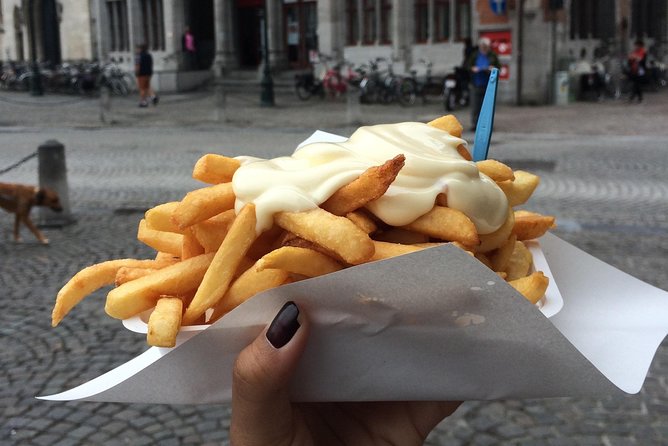
Stop 12 is Chez Vincent, about 20 minutes, and fries are included. This is the part of the tour that gives you a “yes, I needed this” moment. Bruges fries are famous for a reason, and here the plan is simple: eat them while you’re in the middle of the day’s walk, not at the end when you’re too tired to enjoy the flavor properly.
A really useful guide tip that shows up in how people describe the experience: when they serve something like waffles, the guide advises eating it plain first (then adding toppings later only if you want). That same approach makes sense for fries too. Start with the taste as-is, because Belgium’s versions often have a flavor balance built in.
If you’re a foodie, this stop is also a pacing anchor. After churches and museums, you want something hot and salty, and fries do that job.
Chocolate Line Bruges and Depla: how to taste chocolate without overthinking
Stop 13 is The Chocolate Line Bruges (about 5 minutes). The focus here is on the shop experience and learning why Belgium matters for chocolate—why the country is so closely tied to quality and tradition. This is a quick but strategic stop, like a warm-up before the main tasting.
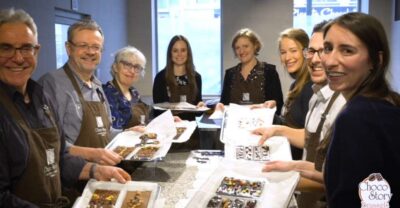
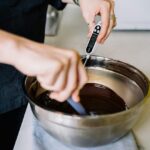
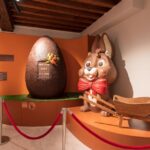
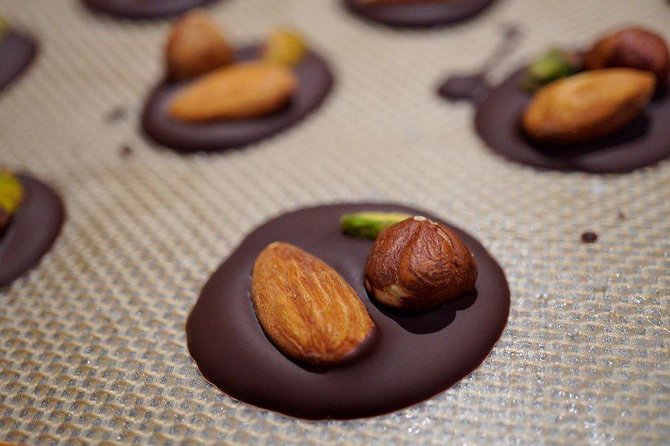
Stop 14 is Depla Chocolatier (about 10 minutes), and a chocolate tasting is included. This is where the tour earns its finale. People describe the chocolate as so good they bought some to take home, and that tracks with how tastings work when you’re guided: you taste with attention, not just with hunger.
What you’ll get most from this part isn’t just sweetness. It’s the comparison—so you notice texture, flavor differences, and what you personally like. Then you can decide what to buy based on your taste, not on hype.
Price and value: is $203.06 for 4 hours fair?
At $203.06 per person, this isn’t a cheap stroll. The value comes from the structure and what’s included.
Here’s the practical math:
- You’re paying for guided coordination across multiple key parts of Bruges: squares, churches, civic buildings, and market areas.
- Several stops list admission tickets as free, which matters because it keeps the day from turning into a series of add-on payments.
- The tour includes meaningful food and drink moments: beer and sausage at The Belleman Pub, fries at Chez Vincent, and a chocolate tasting at Depla Chocolatier.
On top of that, it’s offered in English, and it’s private for your group. That often justifies the price more than a large-group “same tour, different time” situation, because you get a tighter match between your questions and the route.
One sign of demand: it’s commonly booked about 79 days in advance. That doesn’t guarantee quality, but it does suggest it’s a well-liked format that schedules well for visitors.
Tips to make the most of the walk
- Wear shoes you can trust. Bruges cobbles are charming and also unforgiving.
- Pace your water and snacks. The tastings happen in planned gaps, but you’ll still cover plenty of ground.
- If you’re picky about food timing, tell your guide early. The stops are short by design, so your guide can help you prioritize what you care about most.
- Use photo moments wisely. The tour includes photo and sightseeing pauses, but the windows are still timeboxed.
A nice detail from how the experience is described: guides sometimes adjust for what you might have missed earlier. One review noted a special added stop request for the Basilica of the Holy Blood when it hadn’t been seen yet. That’s not something you can count on as a guarantee, but it does fit the overall “group-first” vibe of the tour.
Who should book this Bruges tour (and who might not)
Book it if you’re:
- Doing Bruges for the first time and want fast orientation plus tastings
- A history-and-food person who likes learning the why behind the sights
- Traveling with a group that enjoys a planned route but still wants freedom to wander later
Consider skipping or pairing it if you’re:
- Hoping for a slow, museum-heavy day with long interior time
- Someone who needs long sit-down meals (this tour is built for walking and short stops)
If you’re not sure, the best compromise is to use this tour for your “city logic” and your key foods (beer/sausage, fries, chocolate). Then plan your later hours around what you loved most.
Should you book the Bruges Food and History Tour?
My take: if you want a Bruges day that actually connects landmarks to what you eat, this one is a strong choice. The route is efficient, the food stops are substantive (not just tiny bites), and the balance of squares, churches, and market spaces keeps it from feeling like you’re watching slides while standing.
It’s also a good value when you factor in the included beer/sausage, fries, and chocolate tasting, plus the guided context at several major points like Belfort, Burg Square, Stadhuis, and the canal area around Dijver.
If you’re the type who wants everything served with time to linger in just one place, you might feel rushed. But if you like variety and you want the day to feel like one coherent story, this is the kind of Bruges tour that earns your appetite.
FAQ
How long is the Bruges Food and History Tour?
It runs for about 4 hours (approx.).
What language is the tour offered in?
The tour is offered in English.
What food or drink is included?
Beer and sausage are included at The Belleman Pub – Brugge, fries are included at Chez Vincent, and a chocolate tasting is included at Depla Chocolatier. The tour also includes time at The Chocolate Line Bruges.
Where does the tour start?
The start point is Markt 5, 8000 Brugge, Belgium.
Is this a private tour?
Yes. It’s described as a private tour/activity, and only your group participates.
Do I need to pay for admission at the sight stops?
The stops listed for things like Belfort, the churches, and other sights show admission ticket free.
What happens if the weather is bad?
The experience requires good weather. If it’s canceled due to poor weather, you’ll be offered a different date or a full refund.