REVIEW · GHENT
Discover Ostend while playing! Escape game – The Walter case
Book on Viator →Operated by Coddy · Bookable on Viator
Walking Ostend with a countdown is different.
The Walter Case is an urban escape game played in the streets of Oostende, where you act like a private detective tracking a blackmail plot tied to a CEO—and you’re racing to defuse a bomb before time runs out. I especially like that your choices steer the story (who you question and where you search), and I like that the walk comes with explanations of the buildings you pass so it’s not just puzzle-solving in a vacuum.
There’s also real freedom in how you approach the case. Your route evolves based on what you pick, so the experience feels like a problem you solve as a group, not a scripted stroll. One possible drawback: because it’s a street game with a time pressure element, it may feel a bit intense if you want a slow, relaxed wander.
In This Review
- Key highlights at a glance
- Walter Case in Ostend: the story that drives the whole walk
- Starting at Natiënkaai 1: how the 2.5-hour format actually feels
- How your detective case unfolds: clues, suspects, and searching streets
- The walking part: why building explanations make Ostend feel real
- Family-friendly tension: why teens seem to love it
- Price and value: $24.07 per group for up to 6
- What could feel challenging: language, timing, and the street setting
- Choosing your detective team: who should book the Walter Case
- Should you book this Escape Game in Ostend?
- FAQ
- What is The Walter case escape game about?
- Where is the meeting point for the game?
- How long does the experience last?
- How much does it cost, and how many people can join?
- Is the game available in English?
- Is this a private experience?
- What do I receive for entry?
- Is there free cancellation?
Key highlights at a glance
- A bomb-ticking mystery you solve with detective logic and quick decisions
- Your choices matter: suspects, questions, and searches change what happens next
- Building explanations included as you move through town
- Great for teens: one 14-year-old story sounded like the perfect fit
- Private group format for up to 6 people
- English available with a mobile ticket system
Walter Case in Ostend: the story that drives the whole walk
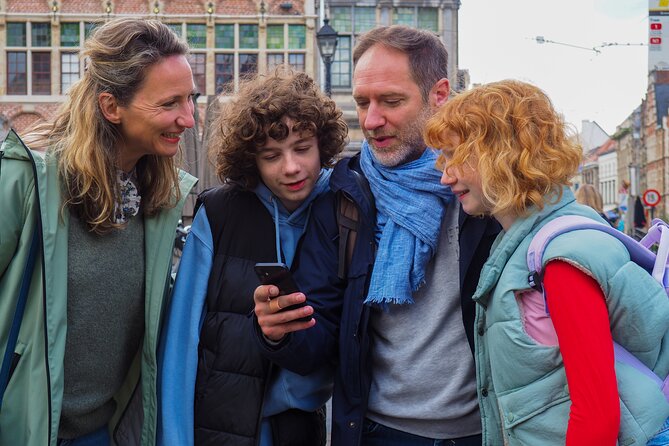
The Walter Case is built like a citywide investigation. You start as a detective working a blackmail case that somehow loops into something far more dangerous: a bomb hidden in town, set to explode in two hours. Then the game keeps pushing the clock forward. That countdown matters, because it changes how you move. You don’t just admire streets—you scan for clues, connect details, and make decisions under pressure.
What I like most is the way the plot stays grounded in choices. You decide which suspects to question and which places to search. That’s not just a gimmick. It means the game can feel personal to your group’s style: some teams go “talk first,” others go “search first,” and the story reflects it.
The tone also seems to match what people hope for from an urban escape game: fun mystery work, plus the sense that you’re really operating in the city, not behind a wall. And because the “case” is set in Oostende, you get a sense of place alongside the puzzle.
You can also read our reviews of more tours and experiences in Ghent.



Starting at Natiënkaai 1: how the 2.5-hour format actually feels

You meet at Natiënkaai 1, 8400 Oostende and the activity ends back at the same meeting point. The session runs about 2 hours 30 minutes, which is long enough to feel like a true investigation but short enough that it doesn’t eat your whole day.
Because it’s a private tour/activity for your group only (up to 6), you avoid the common problem of escape games where you’re trying to coordinate with strangers. Instead, you can assign roles naturally: one person reads and checks clues, another tests ideas, and others focus on locations you’re searching. If you’re traveling with family, that matters even more—kids can stay engaged rather than being sidelined.
The time window listed is broad (daily from 12:00 AM to 11:30 PM), and the program runs across many dates from 2021 through 2026. Translation for your planning: you’re not forced into one tiny slot. You’ll still want to book ahead, but you have flexibility.
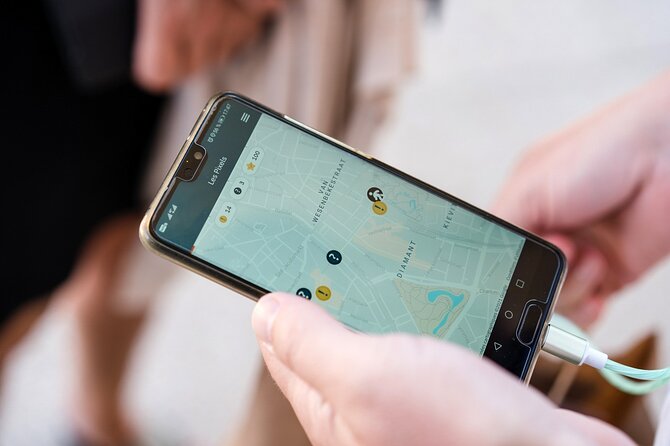
You’ll also use a mobile ticket. That’s convenient, but it’s also a reminder to keep your phone charged and ready, especially if you’re relying on it to access the game at the start.
How your detective case unfolds: clues, suspects, and searching streets
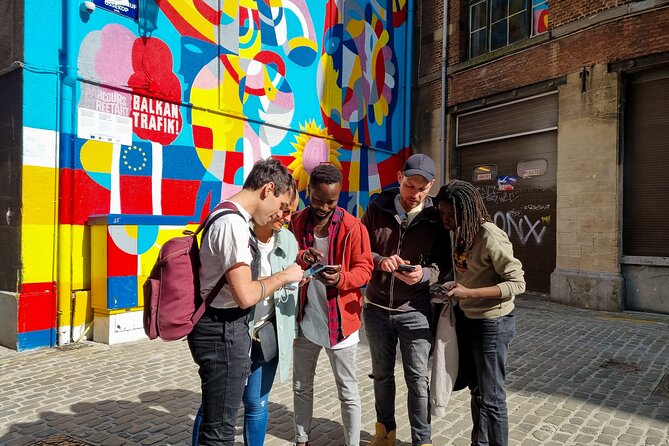
The Walter Case plays out as an investigation that evolves as you choose. Instead of a single line of tasks, you move through stages where information comes from conversations and from locations you investigate.
Here’s how to think about it so you can do well and enjoy it:
- Questioning suspects is how you gather leads. If you skip these or rush them, you may hit walls later when puzzles require a specific detail.
- Searching places is where those leads turn into actions. The game is designed so your choices send you to different parts of the case path.
- Your route changes depending on what you do. That’s why it doesn’t feel like “the same walk every time.”
The time pressure is real: the bomb is supposed to go off in two hours. The best teams keep moving without panic. If you stall too long on one clue, you might still finish, but the pressure can squeeze the fun out of it.
Also, since it’s offered in English, it’s an advantage if your group is comfortable in English for reading clues and deciding what to ask. Most groups that do well are able to share ideas quickly, because the game rewards momentum.
The walking part: why building explanations make Ostend feel real

One of the strongest themes from the experience is that it’s not just a mystery game; it also helps you understand the city as you go. A standout point from a family review was that it looks like a normal walk at first, then the game moment starts after a few minutes. The same feedback highlighted that you get explanations of the buildings you pass.
That matters for two reasons:
- It turns wandering into learning. If you’ve ever done a self-guided game that ignores your surroundings, you know how quickly it becomes “just follow the phone.” Here, the city is part of the puzzle environment, and the explanations help you connect what you see with what you’re doing.
- It gives you context for the vibe of Ostend. In another review note, people referenced the city’s historic monuments, the beach, and restaurants, plus the friendly feel of local people. Even if you’re focused on clues, the route and the explanations keep you tuned to the place you’re in.
So while the game is the headline, the city is the supporting actor that keeps showing up. For many visitors, that’s the difference between a fun afternoon and an afternoon that also leaves you with memories of the streets.
Family-friendly tension: why teens seem to love it

This is one of those activities where age range can make or break the experience. The good news is that it seems to work well with teens. One review described a 14-year-old who jumped in fast and genuinely enjoyed crossing Ostend during the case. The key idea: after a short warm-up, the game kicks in and gives them a role beyond just tagging along.
I’d recommend it especially if you’re traveling with:
- Teens who like solving problems
- Mixed groups where adults want structure and kids want action
- Families that enjoy “we did this together” moments
The time pressure can add energy rather than stress when the group communicates. If you have younger kids, you’ll want to judge your family’s comfort with reading clues and making decisions. The experience says most travelers can participate, but that’s broad. In practice, the group’s willingness to work together is the real factor.






Price and value: $24.07 per group for up to 6
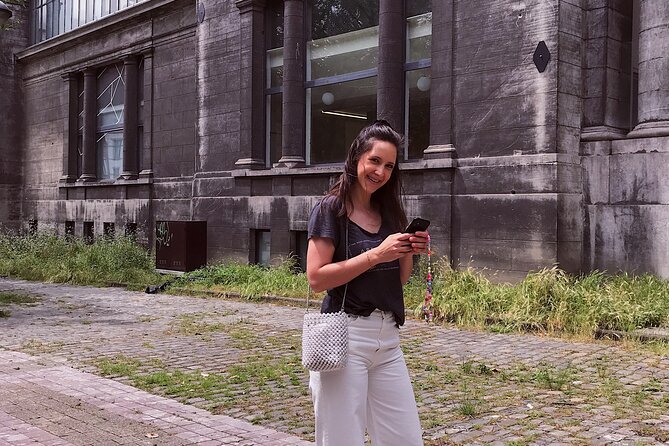
The price is $24.07 per group for up to 6 people. That’s where the value stands out. When you break it down per person, it tends to come out very reasonable compared to many tours—especially because you’re getting both entertainment and a city walk with built-in context.
A practical way to decide if this is good value for you:
- If you’re traveling as a couple, it can still be a strong deal because the price is per group, not per head.
- If you have a family of four to six, it can feel like one of the most cost-effective “shared activity” options in town.
- If you’re solo, the per-group pricing may mean you’ll need to consider whether you’ll end up paying for empty seats.
Also remember the private format. You’re not competing for attention with another party. That improves value because the game experience stays focused on your group’s pace and choices.
What could feel challenging: language, timing, and the street setting
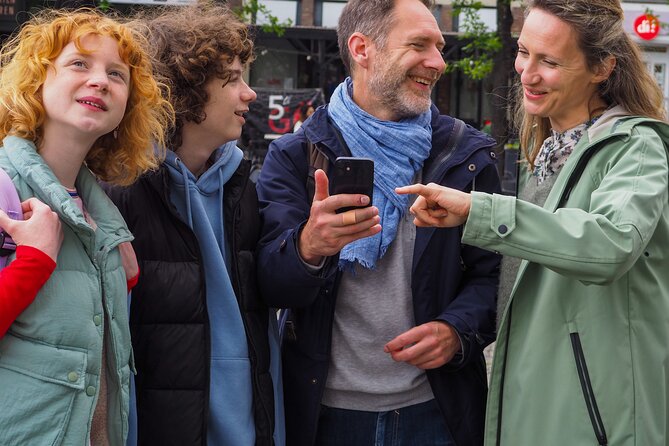
A few considerations can help you set expectations.
- English is listed. If your group prefers French or Dutch, confirm beforehand that the gameplay materials and instructions match what you need. The listing says it’s offered in English, so you should plan around that.
- It’s played in the streets. Even though it’s not described in detail as a heavy hike, you should expect walking as part of solving. If anyone in your group has mobility limits, you’ll want to think about whether time pressure and street movement will be comfortable.
- The countdown changes the mood. If you hate time limits, this game is going to feel pushy. If you like puzzles with momentum, you’ll likely enjoy the energy.
On the bright side, the experience is noted as near public transportation, and service animals are allowed. So you’re not locked into a “car-only” plan.
Choosing your detective team: who should book the Walter Case
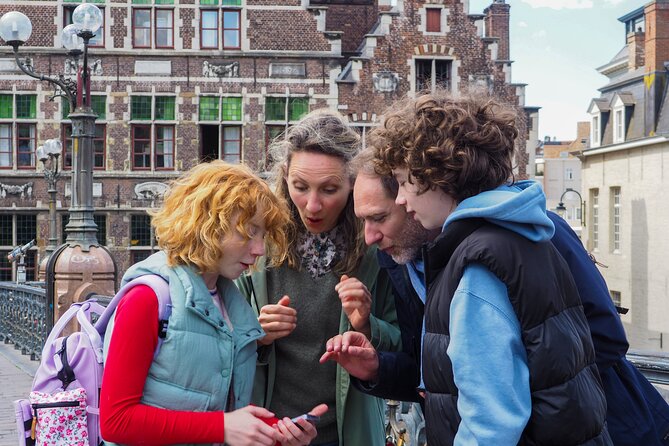
This is a great fit if you want a city activity that mixes fun with local flavor. It’s also ideal if your group likes making decisions together.
I’d steer you toward it if:
- You want Ostend to be more than a checklist.
- Your group enjoys mysteries, clues, and a bit of urgency.
- You’re bringing teens who need an activity that keeps them switched on.
- You like the idea of a private group format that doesn’t depend on strangers.
You might hesitate if:
- Your group doesn’t like English-based puzzle reading.
- You strongly prefer leisurely sightseeing with no time pressure.
- You’re traveling with someone who struggles with being on foot for the full session.
Should you book this Escape Game in Ostend?
If you want a structured way to explore Oostende while solving a story with real stakes, I think the Walter Case is a solid booking. The strongest signals point to engagement—especially for teenagers—and the added bonus is that you’re not just walking in circles; you also get explanations of the buildings you pass.
The biggest reason to book is value: $24.07 per group for up to six people, plus a private format and a full 2.5-hour activity. The biggest reason to skip is if time pressure and street puzzle-walking aren’t your thing.
FAQ
What is The Walter case escape game about?
It’s an urban escape game played in the streets of Ostend where you investigate a blackmail story involving a billionaire CEO and learn that a bomb is hidden in town, set to explode in two hours.
Where is the meeting point for the game?
The start location is Natiënkaai 1, 8400 Oostende, Belgium.
How long does the experience last?
The duration is approximately 2 hours 30 minutes.
How much does it cost, and how many people can join?
It costs $24.07 per group and is for up to 6 people.
Is the game available in English?
Yes. It is offered in English.
Is this a private experience?
Yes. It’s a private tour/activity, meaning only your group participates.
What do I receive for entry?
You’ll get a mobile ticket.
Is there free cancellation?
Yes. You can cancel for a full refund up to 24 hours in advance of the experience start time.