REVIEW · BRUSSELS
Brussels Waffle Workshop
Book on Viator →Operated by Brussels Waffle Workshop · Bookable on Viator
A Brussels waffle workshop is one of those rare food activities that teaches you something real. You get hands-on time with the batter, the hot irons, and the toppings, so you leave with the know-how to make proper waffles back home. Plus, it’s set up so you can go as a solo traveler or as a family and still feel like you’re part of the action.
I love that the workshop is built around learning-by-doing: you prep the batter, you cook your waffles, and you decorate them instead of just watching. I also like the big “food payoff” factor, especially the all-you-can-eat waffles with a complimentary drink and a spread of topping choices that actually go beyond syrup. Instructors like Dani and Maria (and also Jack, Arthur) show up as friendly guides who keep things moving and fun.
One possible drawback to consider: even though the group is capped at 20, some cooking stations can get busy, so you might spend a bit of time waiting for a waffle iron. If you’re expecting a super quiet, step-by-step class for absolute beginners, you may want to bring patience (or come with a positive, hands-on attitude).
In This Review
- Key points before you go
- Mix, Cook, Top: How the Brussels Workshop Works
- Price and Value: Is $43.54 a Smart Buy?
- Meeting at Rue des Foulons: Getting There Without Guesswork
- The Waffle-Making Flow: From Batter to Your First Crisp Edge
- Cooking Stations Reality: Time, Turns, and Waiting Lines
- Toppings That Actually Make a Difference
- Instructor Style: Friendly, Funny, and Practical
- The Big Win for Families and Solo Travelers
- Cleanliness and Comfort: What to Check on Arrival
- What You Actually Leave With: Recipe and Repeatable Skills
- Who Should Book This Brussels Waffle Workshop
- Should You Book This Waffle Workshop?
- FAQ
- FAQ
- Is the Brussels Waffle Workshop offered in English?
- How long is the Brussels Waffle Workshop?
- Where do I meet for the workshop?
- What’s included in the price?
- Do I need cooking experience to join?
- What is the cancellation policy?
Key points before you go

- English instruction with a smooth start that explains how Belgian waffles differ and what to aim for
- Hands-on cooking: batter, waffle irons, then your own decorated waffles
- All-you-can-eat + one drink so you get full value for the time
- Toppings that feel properly Belgian like speculoose and common chocolate favorites
- Family-friendly setup with instructors who engage kids without turning it into babysitting
- Small group limit (max 20) helps the vibe, even if waffle irons can still cause lines
Mix, Cook, Top: How the Brussels Workshop Works
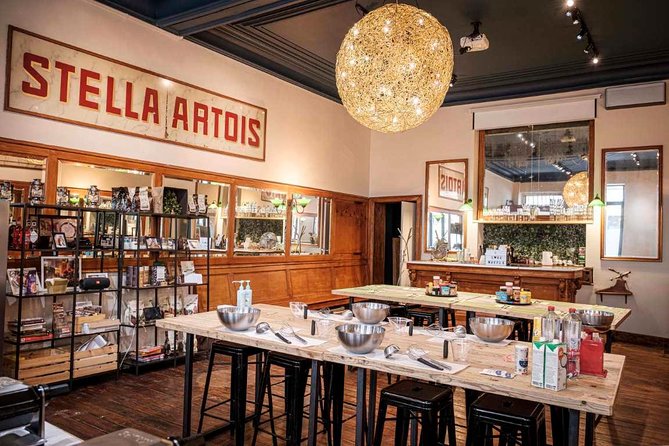
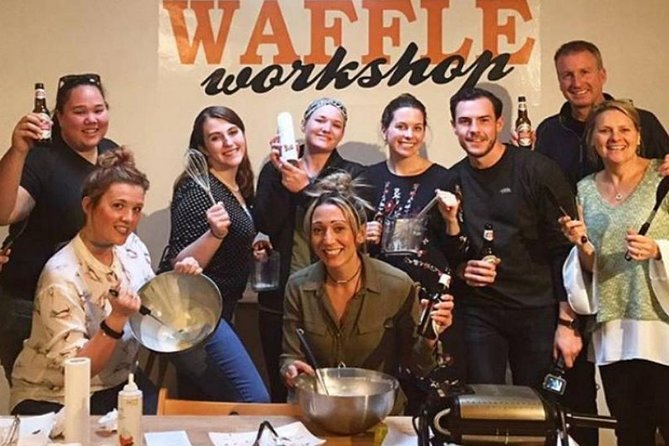
This is a 1 hour 30 minutes Belgian waffle workshop in Brussels that feels like a mini cooking party with structure. The format is simple: an intro at the start, then you get split into teams and start cooking right away. You’ll make batter, watch a bit of guidance, then move into producing your own waffles.
From the first minutes, the goal is clear: you’re not here just to eat. You’re here to learn the sequence that turns ingredients into that classic Brussels-style waffle. After a tasting moment, you’ll keep baking and decorating, and the pace stays focused on letting you actually participate.
If you’re the type who loves food but hates vague cooking instructions, this workshop is a good fit. The best moments are when the instructor talks through what’s happening while you’re doing it, so your waffles get better as you go.
You can also read our reviews of more tours and experiences in Brussels
Price and Value: Is $43.54 a Smart Buy?
At $43.54 per person, this workshop is priced like a real activity, not just a snack-and-story stop. The value comes from what’s included: ingredients, toppings, cooking gear, cookware, and assistance, plus as many waffles as you can eat and one drink.
That matters because waffle workshops can get pricey when they only hand you one finished waffle. Here, you’re set up to keep making and stacking waffles until you’ve had your fill. You also leave with a printed recipe, which helps the class stay useful after the novelty wears off.
Booking timing also hints at demand. On average, people reserve this about 19 days in advance, so if you have firm dates, don’t procrastinate. If your schedule is flexible, you’ll likely find options, but I’d still aim to lock in early so you get the time slot you want.
Meeting at Rue des Foulons: Getting There Without Guesswork
You meet at Rue des Foulons 30, 1000 Bruxelles, Belgium. The activity ends back at the same meeting point, which is convenient when you’re planning the rest of your day in Brussels.
The workshop is near public transportation, so you’re not stuck hunting for parking. Still, one practical note: the meeting spot can be a little tricky to spot, since the sign may be only on the door. I’d rather you arrive 10 minutes early than sprint around looking for it with food on your mind.
Bring your mobile ticket and keep it handy on your phone. Confirmation is sent at booking, so you should be set once you have that message in your inbox.
The Waffle-Making Flow: From Batter to Your First Crisp Edge
The workshop starts with a quick intro to waffles and what makes them special. You’ll then split into teams, which keeps the class from turning into one long line of people waiting to start. After that, you’ll make batter.
This is where you’ll feel the biggest difference between ordering waffles in Belgium and learning to cook them. You’ll practice the basics of mixing and batter prep, then you’ll cook the waffle in the irons. The instructor gives a demonstration and some on-the-spot guidance, so you’re not purely guessing your way through the first one.
Then comes tasting, which is a real checkpoint. It’s not just eat-and-go; it helps you understand what the batter and cook time should be doing. After tasting, you move into the part that people tend to remember most: baking more waffles while experimenting with toppings.
Cooking Stations Reality: Time, Turns, and Waiting Lines

Here’s the part to manage expectations: even in a small group, cooking requires limited equipment. With only a few waffle irons in the room, there can be moments where some people wait for their turn while others are cooking.
The best way to handle this is to treat the wait as part of the experience, not a failure of the class. While you’re waiting, you can help with decorating, prep toppings, or watch the instructor’s tips so your next waffle comes out better.
One more thing to note for comfort and fairness: some participants reported uneven hands-on time when the room runs busy. That doesn’t mean the workshop is unsafe or chaotic, but it does mean you should arrive ready to participate, and if you’re traveling with kids, you might remind them that the cooking part can take a little patience.






Toppings That Actually Make a Difference

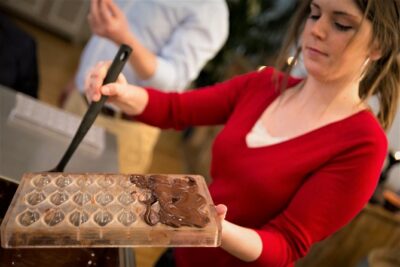
Decorating is where this workshop goes from cooking class to Brussels dessert art. You’ll have a wide range of topping options and you can build your own waffle stacks. Common choices include fresh fruits, chocolate, whipped cream, and favorites like speculoose and Nutella.
A smart move is to do toppings in phases. First, try one “classic” waffle with a simpler combination so you can taste the waffle itself. Then go bolder with toppings once you know what the waffle base tastes like. You’ll get more enjoyment out of every bite instead of covering everything and losing the contrast.
Also, plan for the fact that not every topping may last the entire session. Some people experienced item shortages mid-workshop, like running out of certain toppings. That’s not something you can control, but if you’re set on one specific topping, show up hungry early and build around what’s available.
Instructor Style: Friendly, Funny, and Practical
The instructors set the tone. Names that show up in the experience include Jack, Arthur, Dani, and Maria, and the common thread is clear: they keep things upbeat and guide you through what to do next. People also mention that instructors explain the process in English, which helps if you’re not a fluent cook and just want to understand the steps.
You’ll also hear background information during the intro, including distinctions like street waffle versus a more “regular” Belgian waffle. That kind of quick context makes the experience feel more like Brussels rather than a generic cooking class.
If you’re cooking with kids or teenagers, the teaching style matters a lot. Many families find the class works because the instructor keeps the mood light and stays attentive, so kids don’t feel shut out of the action.
The Big Win for Families and Solo Travelers
This is a family-friendly activity. Kids are welcome, and the setup is designed so children can join in the making and decorating. If your group includes younger cooks, it helps to know that cooking instruction quality can vary by how busy the class gets.
Some participants noted that beginners may need more detailed guidance at specific steps, like egg separation or how long to whip certain ingredients. If you want extra coaching, come with the mindset of learning by doing, and don’t hesitate to ask quick questions during the hands-on parts.
For solo travelers, the small group format is a plus. It’s easy to chat while you’re cooking, and the shared topping decisions naturally spark conversation. One of the best parts of food workshops is that you end up working in the same rhythm as your neighbors, and that breaks the awkward ice fast.
Cleanliness and Comfort: What to Check on Arrival
This workshop generally sounds fun and well-run, but a couple of practical complaints came up. Some people mentioned cleanliness issues in the room (like floors not being properly cleaned) and bathroom conditions (like no paper towels and an overflowing waste bin).
I don’t want you to ignore this. If cleanliness is a deal-breaker for you, you should arrive calmly, check the space when you walk in, and tell the instructor if something needs attention. Most classes will fix issues quickly when they’re pointed out politely and early.
Also, if you’re sensitive to sound, keep in mind that background music was mentioned as a distraction for some participants when English learning was involved. Earplugs are an easy backup if you prefer quiet.
What You Actually Leave With: Recipe and Repeatable Skills
This isn’t just a sugar rush. You’re given a printed recipe, so you can recreate your waffles at home. Even if your first attempt back home isn’t identical, you’ll know the basic process and what to watch for.
The most repeatable skill is understanding the workflow: batter prep, timing, waffle iron cooking, then topping with intention. That’s exactly what makes this worthwhile compared to ordering waffles once and moving on.
And yes, there’s an option to take extra waffles home in at least some cases. If you love leftovers, that’s a nice bonus.
Who Should Book This Brussels Waffle Workshop
Book it if you want a hands-on Belgian food experience in a short time window. It’s ideal for:
- Families looking for an activity that keeps kids busy and happy
- Couples who want a fun morning or afternoon that doesn’t require reservations at a restaurant
- Solo travelers who want friendly interaction without the pressure of group tours
- Foodies who want to go beyond tasting and actually learn the method
It may not be your best pick if you hate waiting for equipment or if you need a very detailed beginner class with slow, step-by-step instruction for every technique. If that’s you, come prepared to ask questions, and focus on learning the waffle rhythm rather than getting every micro-lesson.
Should You Book This Waffle Workshop?
My take: yes, if your priority is making and eating Brussels waffles with real guidance. The included meal value is strong, the format keeps you active, and the topping choices let you personalize your results like a dessert designer.
The two things to consider before you book are equipment bottlenecks (turns can take time) and possible variation in hands-on explanation depth for absolute beginners. If you’re flexible, hungry, and ready to participate, you’ll likely have a great time.
FAQ
FAQ
Is the Brussels Waffle Workshop offered in English?
Yes. The workshop is offered in English.
How long is the Brussels Waffle Workshop?
It lasts about 1 hour 30 minutes.
Where do I meet for the workshop?
The meeting point is Rue des Foulons 30, 1000 Bruxelles, Belgium. The activity ends back at the same meeting point.
What’s included in the price?
You get ingredients, toppings, cooking gear and equipment, instructions and assistance, plus waffles to eat and a complimentary drink.
Do I need cooking experience to join?
No previous cooking experience is needed.
What is the cancellation policy?
You can cancel for a full refund up to 24 hours before the experience start time. Cancellation within 24 hours of the start time is not refunded.