REVIEW · CHOCO STORY BRUSSELS
Brussels: 2.5-Hour Chocolate Museum Visit with Workshop
Book on GetYourGuide →Operated by Choco-Story Brussels · Bookable on GetYourGuide
Chocolate in Brussels, but you’re the chocolatier. I love the small-group workshop where you build your own bars and fun shapes (including lollies and chocolate drawings), and I also like the follow-up museum visit with an audio guide that keeps the history moving without slowing you down. A possible drawback: it’s not a great fit if you have limited mobility, since the activity involves a workshop kitchen space.
The whole thing runs about 2.5 hours, starting at Choco-Story Brussels, Rue de l’Etuve 41, and you end back where you meet. You’ll get tastings, praline-related moments, and a chance to bring your creations with you—so you’re not just buying chocolate, you’re making it.
In This Review
- Key things to look forward to
- Chocolate Workshop at Choco-Story: what you’re really signing up for
- Your workshop start: meet your chocolatier and get set up
- Making your own chocolate tablets: bars, lollies, and designs
- Piping bag practice: small technique lessons that change everything
- Tastings and pralines: where the workshop connects to the bigger story
- The museum next: Choco-Story Brussels with an audio guide
- What you learn: cocoa history and praline secrets that stick
- Timing and pacing: how 2.5 hours is used well
- Price and value: why $51 can make sense in Brussels
- Who should book this workshop plus museum?
- Logistics that matter: where to go and what to add
- The real vibe: fun, friendly teaching, and lots of chocolate
- Should you book Choco-Story Brussels Workshop + Museum?
- FAQ
- How long is the chocolate workshop and museum visit?
- What does the price include?
- What language options are available during the workshop?
- Does the museum audio guide include multiple languages?
- Is the workshop suitable for children?
- What’s the group size like?
- Is the virtual reality film included?
Key things to look forward to
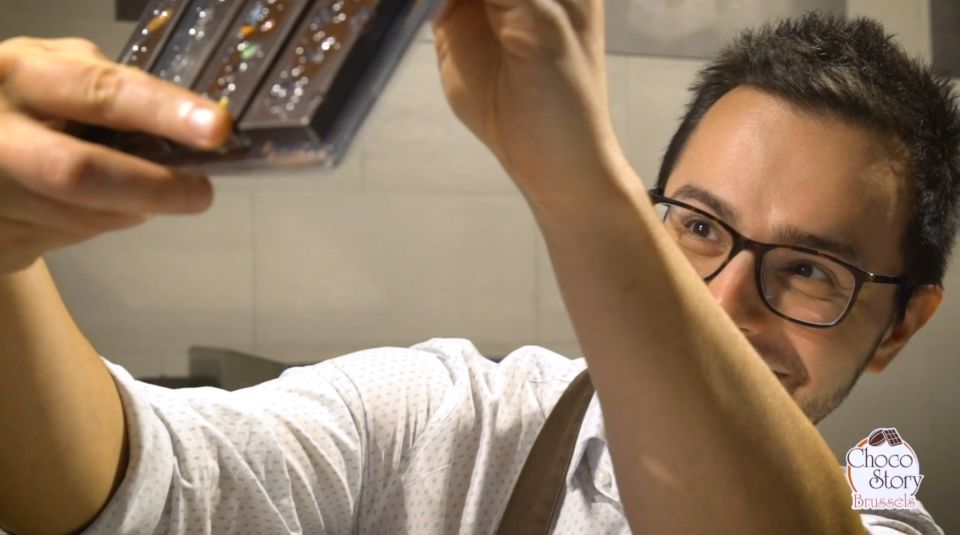
- Hands-on chocolate making in a real workshop, not a sit-and-watch class
- Personalized tablets and toppings, with instruction on using a piping bag
- Chocolate tastings plus a praline demonstration, built into the experience
- Choco-Story museum after the workshop, guided by an included audio device
- Interactive learning about cocoa and chocolate history, including 5,000+ years of context
- A small group capped at 10 participants, which helps you get help without waiting
Chocolate Workshop at Choco-Story: what you’re really signing up for
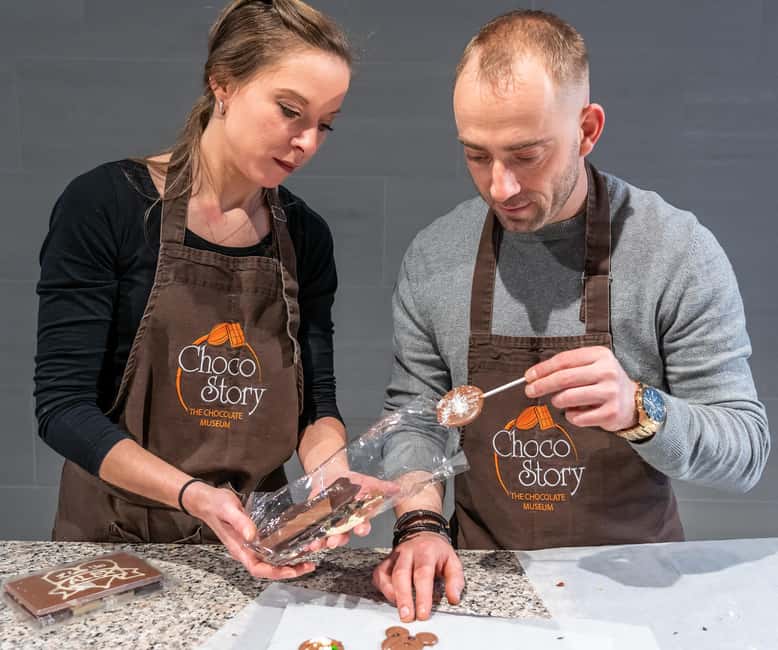
This experience is basically two parts that work well back-to-back: first, you get practical training from a professional chocolatier; then you switch gears and learn the story of chocolate through Choco-Story Brussels’ museum layout.
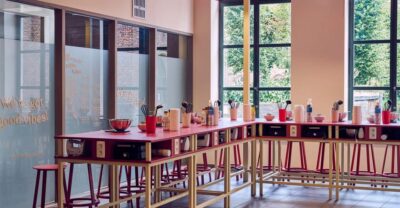
You’re not going to just taste chocolate here. The workshop is designed around making. You’ll work with melted chocolate, use a piping bag, and build creations based on what the chocolatier shows you—then you keep going long enough to make multiple items, depending on what your hands can handle and how creative you get.
The museum side matters because it gives your chocolate-making some context. When you learn why cocoa is processed the way it is, or how pralines are made, your edible “souvenir” starts to feel more meaningful.
Your workshop start: meet your chocolatier and get set up
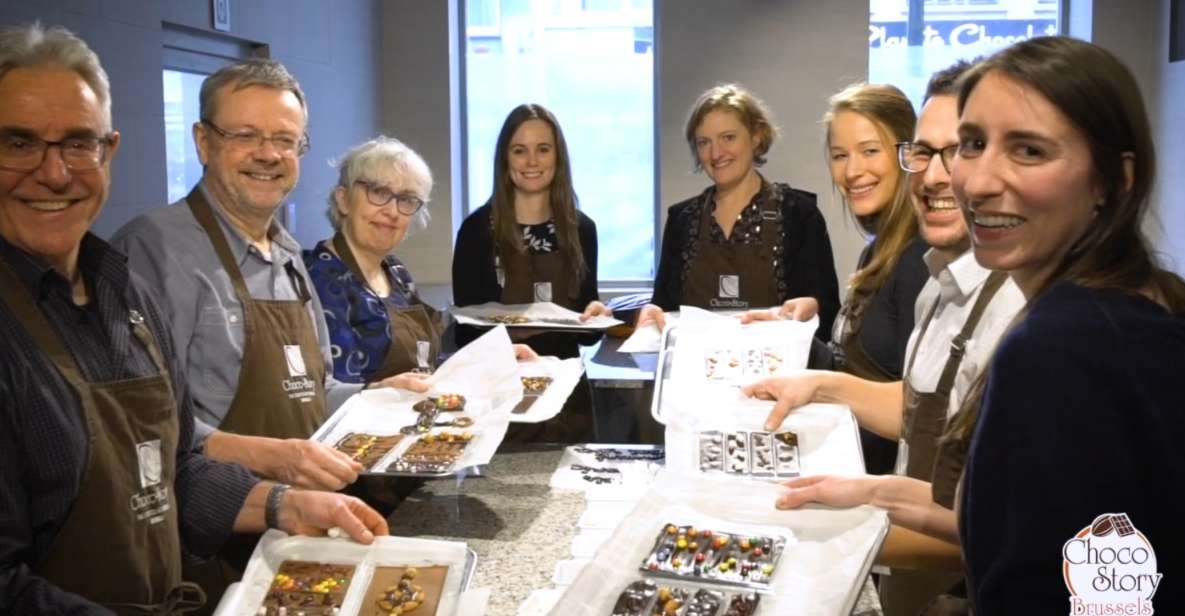
You begin at Choco-Story Brussels (Rue de l’Etuve 41). Once everyone’s gathered, the chocolatier introduces the process and sets expectations for what you’ll create during the workshop.
This part is surprisingly important. Chocolate-making looks easy in photos, but in reality you need good timing and technique. That’s why the instructor’s guidance matters—and it also explains why reviews keep calling out teachers who are patient and funny.
In particular, you’ll hear names like Mario and Louise in the feedback. The common thread is that the instructors teach clearly and keep the tone light, so you don’t feel rushed while you’re learning something new. That relaxed pace is exactly what you want when you’re handling something as delicate as chocolate tempering and piping.
Making your own chocolate tablets: bars, lollies, and designs
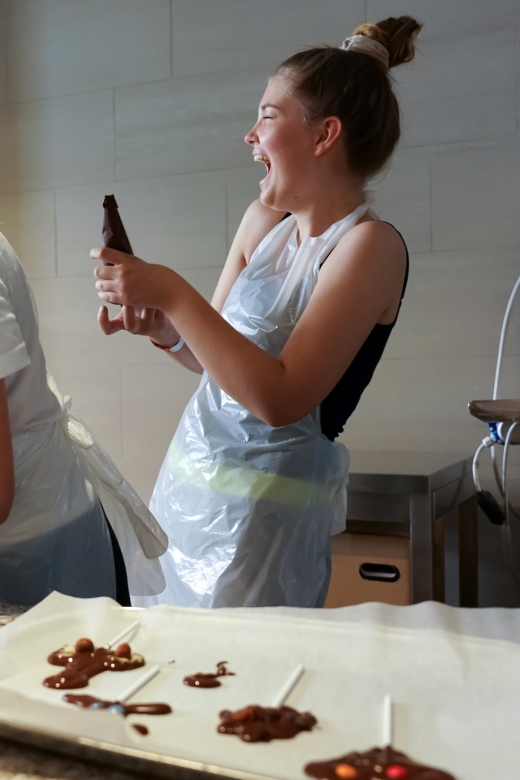
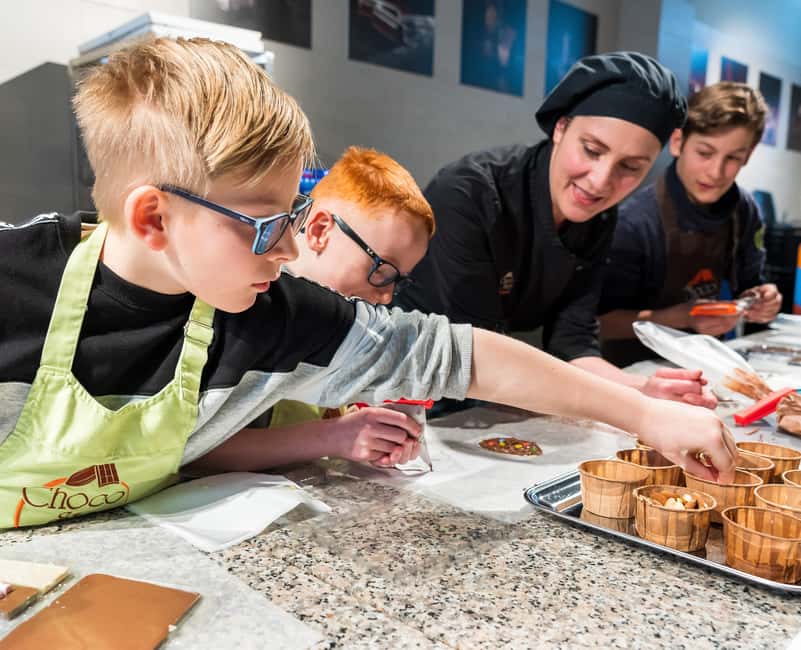
The centerpiece of the workshop is creating your own chocolate tablets. You’ll learn how to use a piping bag, and then you’ll put that skill to work on your own designs.
The fun twist is that it’s not limited to simple rectangles. You can also create other treats like lollies and even chocolate drawings using different toppings. That’s a big deal because it turns the workshop from one “standard product” into something more personal.
Here’s what you’ll likely notice as you start: you get ideas fast, but you still need to follow steps in order. One review described the sequence as making bars first, then moving into freestyle. That pattern helps because you build confidence before you go fully artistic.
Also, you’re not just making one small piece. You have time to make more than a single bite-sized sample. That’s why many people end up leaving with a bag full of creations instead of just one item.
Piping bag practice: small technique lessons that change everything
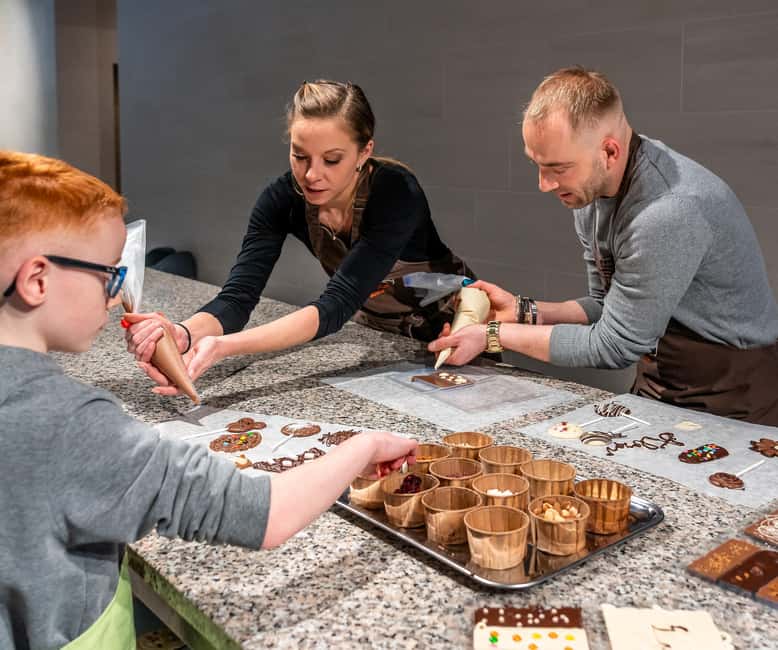
This is the kind of class where small instruction matters a lot. You’ll get advice on how to handle a piping bag and how to place toppings so they look good and set properly.
What I like about this approach is that it turns you from a “wait and hope” beginner into someone who can actually repeat the process. Once you understand what the chocolatier is aiming for—smooth lines, even coverage, steady pressure—you can improvise without losing control.
If you’re traveling with kids, this is also a win. Several people mention making treats that both kids and adults can enjoy, and the task setup gives everyone a real role, not just decoration time. You might start with the basics, but you still end up expressing your own taste.
One fun detail from the experience side: you may even learn how to write your name in chocolate. That kind of small craft detail makes your final creations feel special, not generic.
Tastings and pralines: where the workshop connects to the bigger story
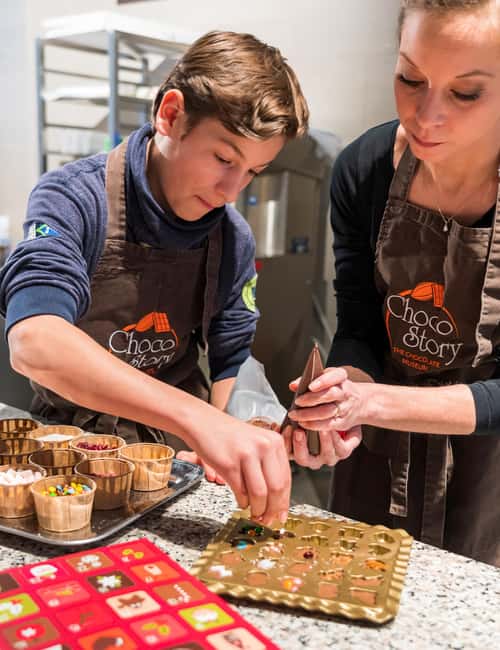
After (or alongside) the making time, you’ll get chocolate tastings. This is more than a dessert break. Tastings help you notice differences in flavor and texture, so you connect what you made with what chocolate can taste like.
Then comes the praline demonstration, which adds a professional perspective. Pralines are a signature part of chocolate culture in Belgium, and the demo helps you understand that the art isn’t only about shaping chocolate—it’s also about technique, filling, and flavor balance.
If you’re a chocoholic, this is the moment that can feel like the class broadens beyond the workshop bench. You begin to see chocolate as a craft with multiple branches, not just one product category.
The museum next: Choco-Story Brussels with an audio guide
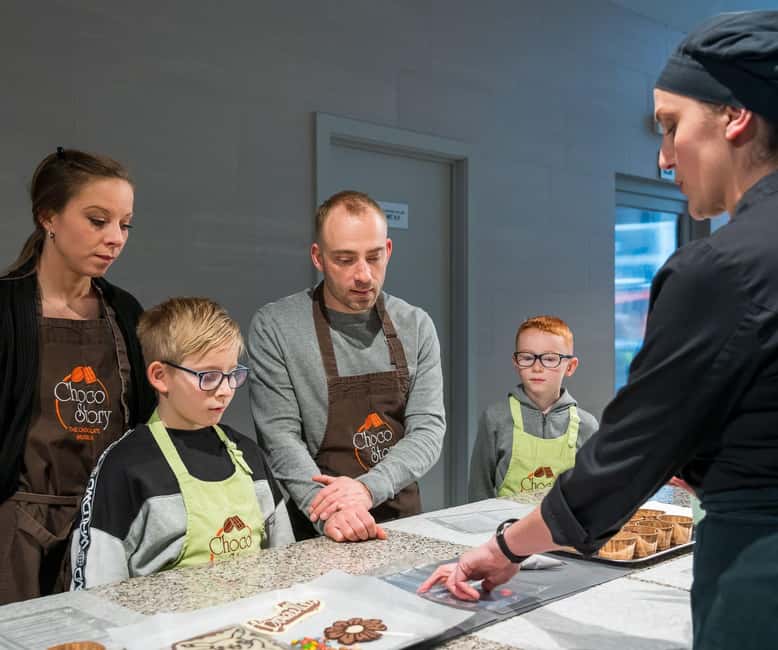
Once the workshop wraps, you move into the Choco-Story Brussels museum. The museum is built as a guided experience through an audio guide—and it’s included with your visit.
Using an audio device matters because it helps you read the room at your own pace. You can linger where something clicks (for example, a tasting station or a cocoa story) and skip faster where you’re not as interested.
Also, the audio format can make the museum feel more interactive. Many people like having the audio device guiding them through exhibits rather than relying on a traditional guided tour structure.
The museum experience is designed around learning the story of chocolate as Brown Gold, including over 5,000 years of cocoa and chocolate history. That’s a big claim, but the way the museum is described makes it feel like it’s broken into digestible chapters, not one giant lecture.
What you learn: cocoa history and praline secrets that stick
The most useful part of the museum isn’t just dates and facts. It’s what those facts explain about process—what cocoa needs, why it’s transformed the way it is, and how chocolatiers build flavor.
You’ll get an overview of the history of cocoa and chocolate, then specific attention on artisanal candy-making, including praline secrets. That matters because it answers the question you might have while you’re piping chocolate at the workshop bench: where do the flavors come from, and why does technique affect the final result?
If you like chocolate as a food, this museum gives you a new lens. Instead of tasting and thinking, Wow, that’s good, you start thinking, Oh, that’s why it tastes that way.
And if you’re traveling with kids or teens, this is one of the rare museum components that can still hold attention. The interactive setup plus tastings and demos helps a lot.
Timing and pacing: how 2.5 hours is used well
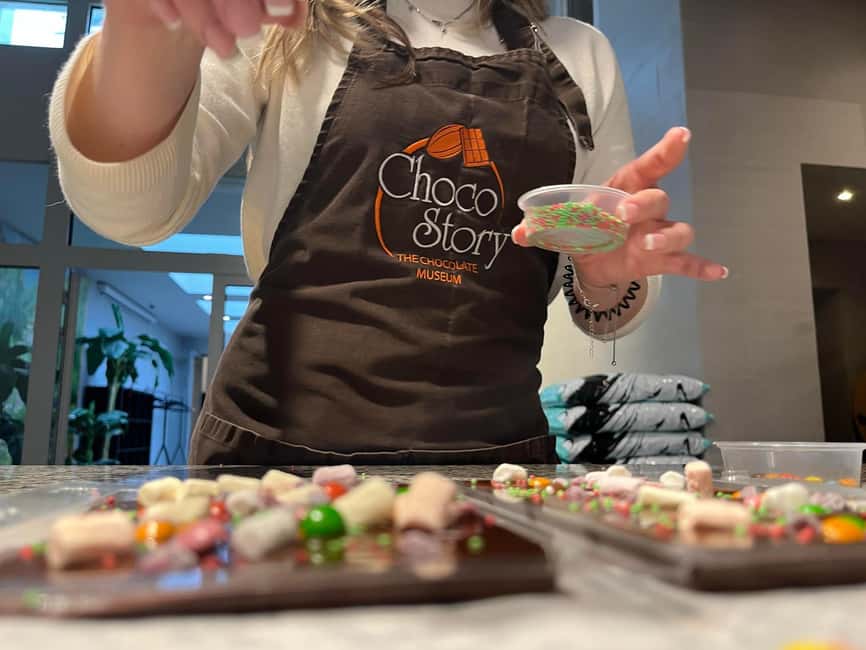
The total duration is 2.5 hours, and the format is designed so you don’t feel stuck for too long in any one place.
In practice, many people describe a clear division: first the workshop instruction and making time, then a museum visit. One review even mentioned about 50 minutes for making after explanations. That kind of pacing is helpful because it gives you time to relax into the task and still finish your designs.
Also, the group size is capped at 10 participants. That’s a sweet spot. You’re not lost in a crowd, and the chocolatier can actually help when you need a hand with something like piping technique or topping placement.
Price and value: why $51 can make sense in Brussels
Let’s talk money. At $51 per person, this isn’t a cheap “buy chocolate” activity. But it’s also not just an entrance fee plus a brief demo.
You’re paying for several built-in value elements:
- workshop instruction and hands-on creation time
- chocolate tastings
- praline demonstration
- entrance to the museum
- included audio guide
The biggest value unlock is the fact that you leave with what you make. Chocolate workshops are often overpriced when you only get a small sample or watch most of it. Here, the emphasis is on making multiple creations—bars, lollies, and even decorative pieces—so the cost ties directly to what you get out of the experience.
For couples, this is a memorable date that doesn’t require booking a restaurant afterward just to feel like you did something. For families, it’s also one of the better “everyone participates” activities in a city full of sightseeing options.
Who should book this workshop plus museum?
This is especially good for people who want a hands-on Brussels activity that still includes learning.
You’ll likely love it if you:
- enjoy food experiences that involve technique, not just tasting
- want a family-friendly activity (it runs for adults and children from age 7)
- like museums but don’t want to spend hours reading every label
- want a take-home edible souvenir you helped create
If you’re traveling with mobility limitations, it’s not recommended. The workshop setting is where the main issue may be, since it’s not designed around being fully accessible.
If you’re a pure history-only type and hate tasting, you might find the chocolate focus takes over. But if you’re even slightly curious about how chocolate becomes candy, the museum component is there to make that connection.
Logistics that matter: where to go and what to add
You’ll meet at Choco-Story Brussels, Rue de l’Etuve 41, and the activity ends back at the meeting point. That makes planning easy, since you’re not dispersing into the city afterward.
In terms of language, the workshop instructor works in English, Dutch, and French. The museum audio guide includes French, English, Dutch, German, Italian, Spanish, Russian, and Chinese. So you’re covered even if you’re traveling in a mixed-language group.
One optional add-on exists: a virtual reality film can be booked for €5 at the cash register. It’s not included, but if you like modern extras, you can decide on-site.
The real vibe: fun, friendly teaching, and lots of chocolate
The tone of the experience comes through clearly in the way people describe it: fun, hands-on, interactive, and not overly strict.
A recurring praise point is that you don’t feel rushed. That matters because chocolate has a timing window, and classes that feel frantic often lead to mistakes and stress. When instructors slow things down, participants get better results and enjoy the process more.
Another consistent compliment is that the workshop feels balanced for both kids and adults. If you’re nervous about whether children will behave or learn, this setup is built to keep them busy in a productive way.
And yes—many people highlight that there’s plenty of chocolate. More than once, people mention leaving with lots of creations to take home, which is the payoff you remember later when you’re eating the last piece.
Should you book Choco-Story Brussels Workshop + Museum?
Book it if you want an activity in Brussels that mixes skill-building with storytelling, and you’d rather make something edible than just photograph it.
Skip it (or consider another option) if mobility is an issue for you, or if you’d rather focus only on traditional sightseeing and avoid a workshop-style environment.
If you’re looking for value, this is one of the stronger “pay once, get a complete experience” choices: you make customized chocolate, taste along the way, watch a praline demo, then use an audio guide to connect it to 5,000+ years of cocoa and chocolate history.
FAQ
How long is the chocolate workshop and museum visit?
The experience lasts about 2.5 hours. Exact starting times vary, so you’ll want to check availability for the day you’re going.
What does the price include?
Your price includes the workshop, entrance to Choco-Story Brussels, an audio guide, chocolate tastings, and a praline demonstration.
What language options are available during the workshop?
The workshop instructor can teach in English, Dutch, and French.
Does the museum audio guide include multiple languages?
Yes. The audio guide includes French, English, Dutch, German, Italian, Spanish, Russian, and Chinese.
Is the workshop suitable for children?
It’s offered daily for adults and children from age 7, with the workshop and museum format designed for mixed groups.
What’s the group size like?
It’s a small group, limited to 10 participants.
Is the virtual reality film included?
No. The virtual reality film can be booked separately for €5 at the cash register.