REVIEW · BRUSSELS
Brussels: Private Tour of the European Quarter
Book on GetYourGuide →Operated by City Unscripted · Bookable on GetYourGuide
Brussels politics looks better when you walk it. This private 3-hour European Quarter tour puts a passionate local host in the lead, turning the EU’s biggest buildings into real street-level stories. I like how the route is customized to your interests, from EU basics to Matonge’s Congolese culture, and I like how the host explains complicated history in a clear, enjoyable way. One possible drawback: it’s still a walking tour, so you’ll want comfy shoes and a little patience for stops and detours.
I also appreciate that you’re not stuck with a rigid script. Your host gets your likes and questions ahead of time, then adjusts in real time based on what you want to see and what you notice along the way. And if you’re the type who enjoys small contrasts—grand 19th-century facades beside sleek modern offices—this tour leans into that feeling hard.
In This Review
- Key things you’ll enjoy most
- Why the European Quarter lands differently at street level
- How the pre-tour questionnaire turns into a custom walk
- Meeting your guide in central Brussels (and why it helps)
- European Parliament and the EU story behind the stone
- Parc du Cinquantenaire and the long shadow of Brussels’ 19th century
- Art Nouveau streets, quiet courtyards, and the texture of daily life
- Matonge and Congolese culture next to EU power
- The real value: insider context for a place people argue about
- Price and what $121 per person really buys you
- Getting around: walking pace and possible extra transport costs
- Who this private European Quarter walk is best for
- Should you book this Brussels European Quarter private walk?
- FAQ
- How long is the Brussels European Quarter private tour?
- What languages are the live guides?
- Is this a private tour?
- What’s included in the tour price?
- Are food, drinks, or attraction tickets included?
- Is the tour wheelchair accessible?
Key things you’ll enjoy most
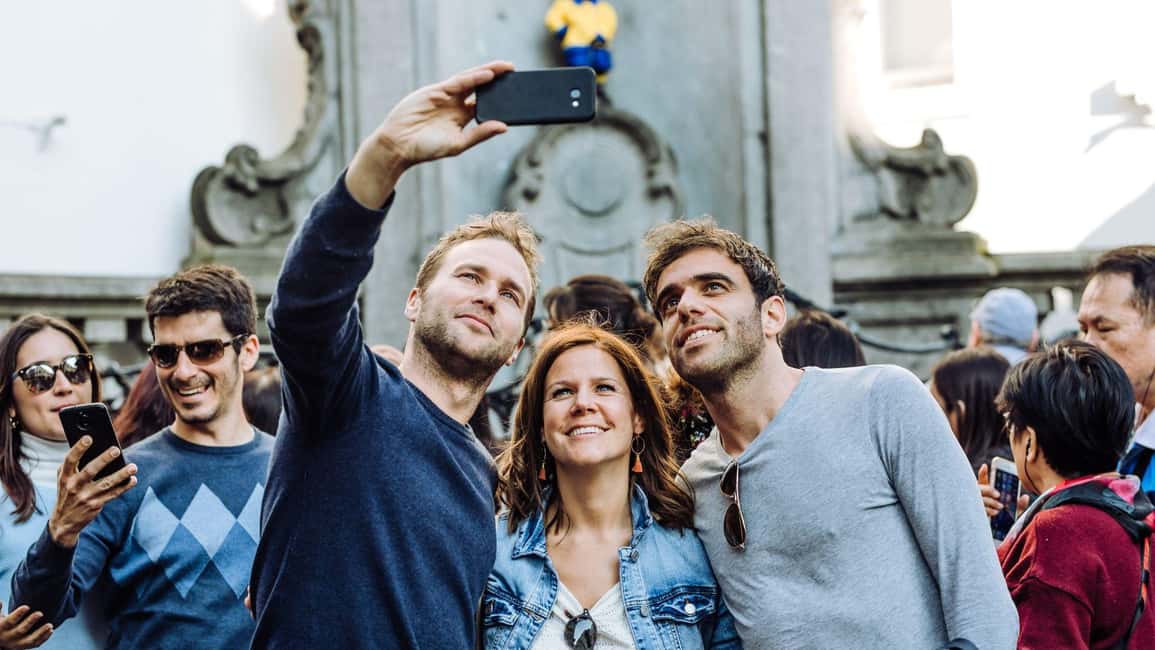
- Tailored itinerary built from a pre-tour questionnaire and your direct input
- EU landmarks plus local streets like Art Nouveau blocks, quiet streets, and courtyards
- A host who adapts on the move if you want more politics, architecture, or culture
- Real context for big institutions so you understand what you’re looking at
- Practical insider tips for the rest of your Brussels days
Why the European Quarter lands differently at street level
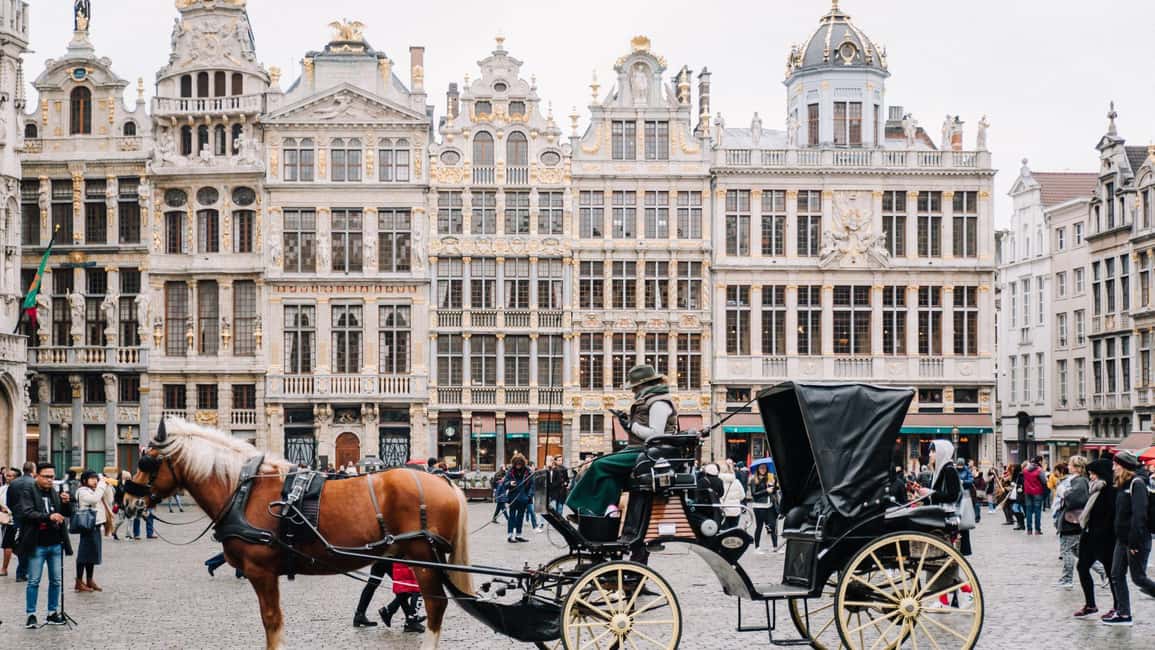
The European Quarter can feel like a postcard: big buildings, clean lines, formal squares. But when you shift from pictures to walking, you notice the human scale. You see where people actually cross, pause, and talk. You also pick up the contrast that defines the area: heavy, old-world 19th-century architecture next to modern EU offices that look like the future.
That contrast matters because it changes how you interpret the EU itself. Instead of thinking only in terms of speeches and treaties, you start noticing how political decisions sit inside everyday urban life. This tour keeps pulling you back to that street-level reality, so the European Quarter becomes a living place, not a museum.
Also, it’s private. That means you can ask the questions that normally get lost in group tours: Why does this institution look this way? How does Brussels’ political role connect to Belgian culture? What does the neighborhood around these buildings feel like after the workday?
You can also read our reviews of more private tours in Brussels



How the pre-tour questionnaire turns into a custom walk

Here’s where this tour has real value: the itinerary isn’t just personalized in name. After you book, you answer a questionnaire about your personality and interests. Then a like-minded host gets the message and reaches out directly to plan your walk.
That matters because Brussels can be interpreted in a few different ways. Some people want the EU story first: how it works, what each place represents, how Brussels ended up as a political hub. Others are more into architecture and urban design. And some people want the culture angle—how neighborhoods around the EU buildings reflect the diversity of Belgium and the wider world.
Your host blends those strands based on what you tell them. If you’re into EU history, you’ll likely get more explanation as you pass major institutions. If you’re curious about Matonge’s Congolese culture, that theme can shape where the walk takes you and what context you get along the way. If you’d rather slow down for a pastry and a chat-style moment, the host can adjust pacing accordingly.
And because it’s a live, real-time conversation, you’re not stuck waiting for the next scheduled stop. Your route can flex with your attention span, your questions, and the things you notice right in front of you.
Meeting your guide in central Brussels (and why it helps)
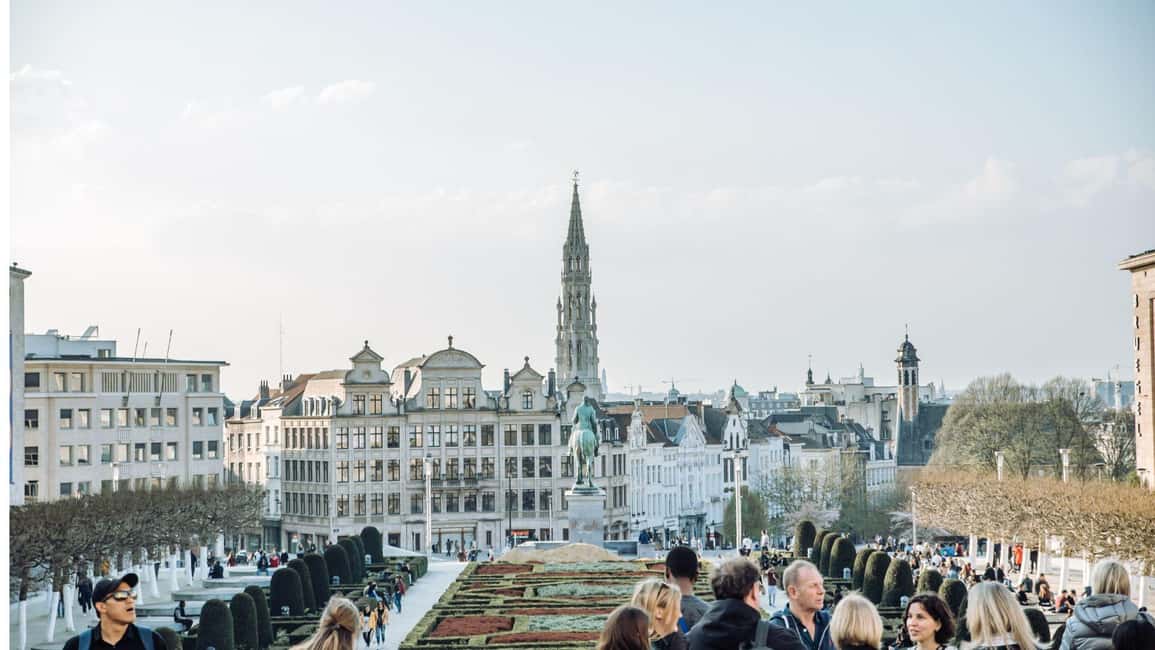
You’ll meet your host at any location in the center of Brussels. If you’re staying centrally, you can have them meet you at your hotel—just share the name and address.
That small detail is a big deal in a city like Brussels, where getting from “where you are” to “where the good walking starts” can eat time. Starting close to your base means you spend more of the 3 hours actually walking and learning, not transferring or hunting for a rendezvous point.
The tour languages are English and French, so you’re not forced into a translation-style experience. And it’s wheelchair accessible, which is especially helpful for anyone who needs step-free routes or a slower walking pace.
European Parliament and the EU story behind the stone
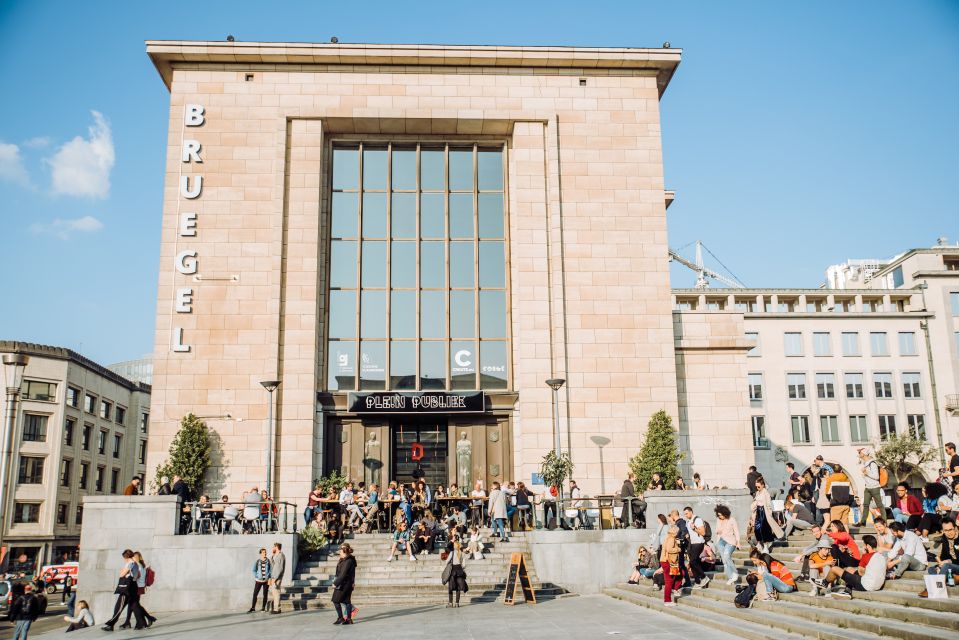
One of the anchors of this tour is the European Parliament area. As you walk past the institution, you’re not just looking at an impressive facade. You’re also hearing how it fits into the EU’s larger political system and why Brussels is full of symbolism.
What makes this part of the experience click is how the host connects building design and location to meaning. Big institutions are easy to treat like a backdrop. A good host makes you see how the place is meant to project authority, openness, and permanence. Even if you don’t know much about the EU going in, the tour is set up to help you understand what you’re seeing.
You’ll also get a feel for the daily rhythm around the European Quarter. Passing these spaces on foot shows you the distance between political “centers” and the neighborhoods that surround them. That contrast is part of the point.
If you care about politics and want something more than surface-level facts, this is the section where the host’s explanation style becomes especially important. The reviews highlight that guides like Andrea can make complicated history and culture feel understandable and enjoyable—so expect the tour to focus on clarity, not lecture mode.
Parc du Cinquantenaire and the long shadow of Brussels’ 19th century
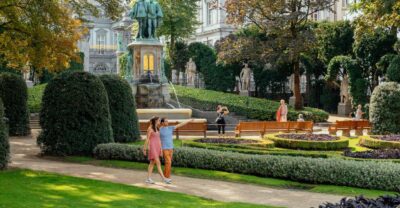
The walk also includes Parc du Cinquantenaire. This stop changes the mood. You move from the institutional architecture into a more relaxed public space, and that shift matters because it helps you reset your brain before you tackle more buildings and stories.
Parc du Cinquantenaire is a perfect counterpoint to the sleek EU offices nearby. It gives you a sense of what the area looked like when Brussels was shaping its identity through grand urban design. You start noticing the deeper layers of the city: how older Belgium left its mark in stone and layout, and how modern political life added its own style on top.
Even if you’re not an architecture superfan, this is still a valuable pause. Parks give you time to absorb the scale of what’s around you, and to look back at the institutional side of the walk with fresh context. You’ll often get better questions in those calmer moments too, because the host can point out details without needing to rush you to keep the group moving.





Art Nouveau streets, quiet courtyards, and the texture of daily life
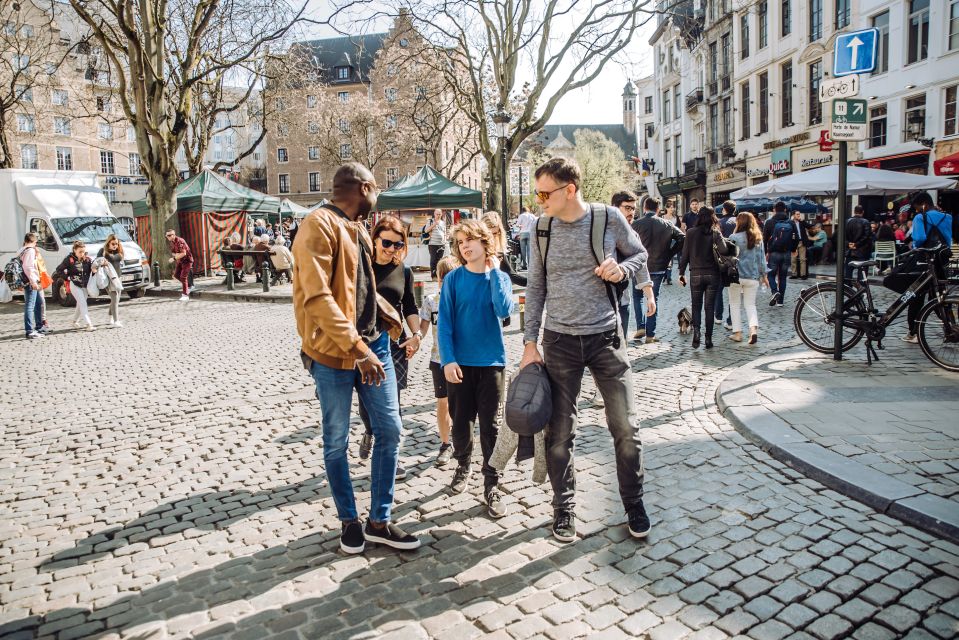
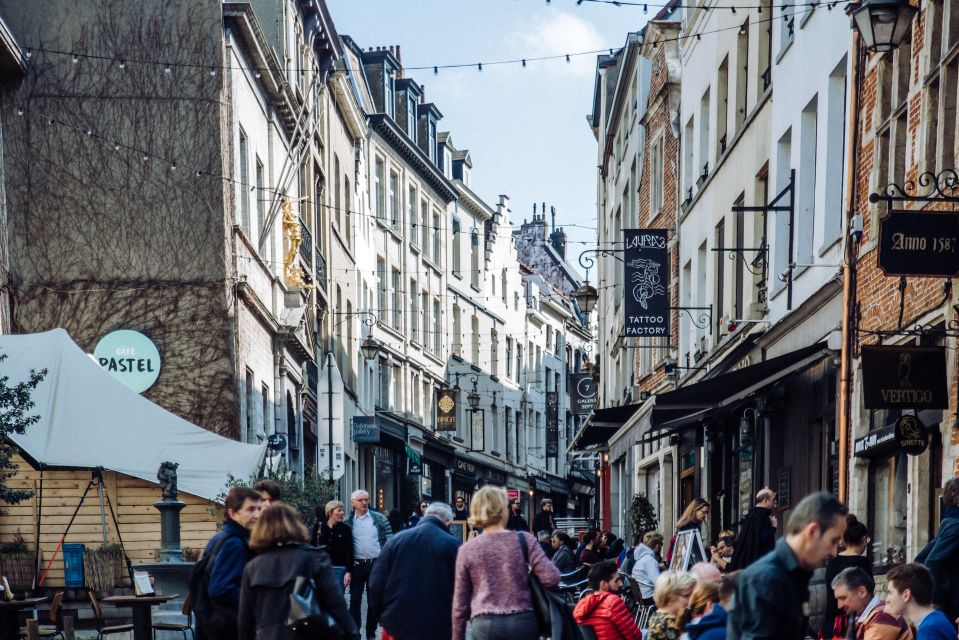
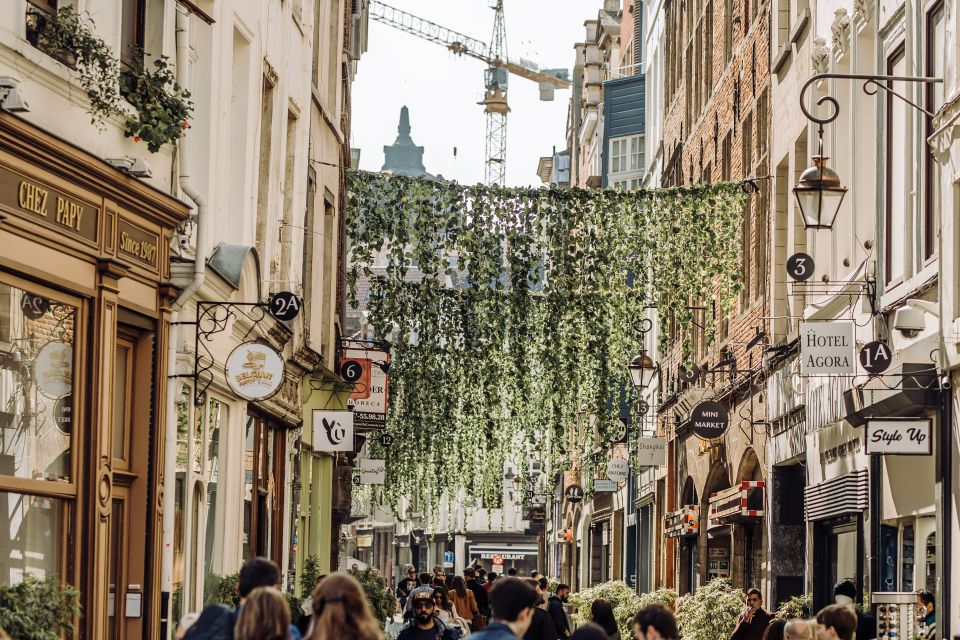
A big reason this tour feels different is the neighborhood texture. You’ll explore quiet streets and see Art Nouveau elements along the way. You’ll also get a sense of everyday Brussels—cozy cafés, backstreet corners, and those little spaces people don’t think to search for on a map.
You might hear the host describe “secret” or hard-to-spot courtyards—those little spaces that make you feel like you’re in on something local. Even if you don’t catch every detail visually, the effect stays the same: Brussels becomes more than its headline sights.
This is also where a private tour pays off. If you have strong opinions about architecture, you can ask for specific observations. If you’d rather focus on local culture, you can steer toward how the neighborhood supports the EU presence. If you’re the kind of person who loves to stop and people-watch, your host can build that rhythm into the walk.
The tour isn’t trying to speed through “must-sees.” It aims to help you slow down enough to notice what makes Brussels feel like Brussels.
Matonge and Congolese culture next to EU power
Another theme that can shape the experience is Matonge, including its Congolese culture. That’s a meaningful pairing with the European Quarter, because it reminds you that Brussels’ role isn’t only political. It’s also social and cultural—an intersection point where different communities shape the city’s day-to-day life.
If you’re curious about Matonge, ask for that direction early when the host contacts you. That way, the tour can decide how much time to give to culture-focused stops versus EU-institution-focused explanations.
Even if you don’t know much about Matonge, the host can frame it in a way that fits your interests: food culture, community life, and how Brussels neighborhoods reflect broader global connections. The goal is for you to walk away feeling like you saw more than a government district.
The real value: insider context for a place people argue about
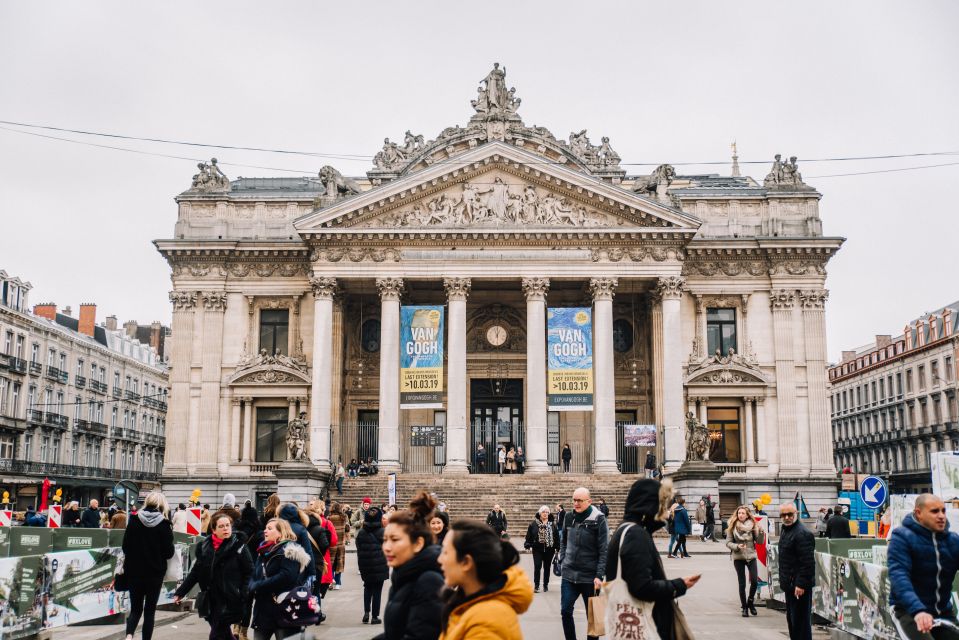
The EU is one of those topics people talk about constantly, often with strong opinions. The problem is that opinions can stay abstract. This tour’s strength is that it brings the discussion back to the streets and buildings you can see.
You’ll get context that helps you make sense of:
- Why Brussels is the place for so many EU institutions
- How the European Quarter mixes old and new styles
- How political life sits next to local neighborhoods
- How culture and community show up around formal power
And the tour does this with a human guide who responds to you. That’s why the best moments tend to feel spontaneous, not like a slideshow. If you pause for questions or want to slow down for a snack, the host can adjust pacing so you don’t feel rushed.
From what’s been said by guests—especially the comments about Andrea’s ability to customize and explain—the approach seems to work particularly well for people who want understanding, not just photos.
Price and what $121 per person really buys you
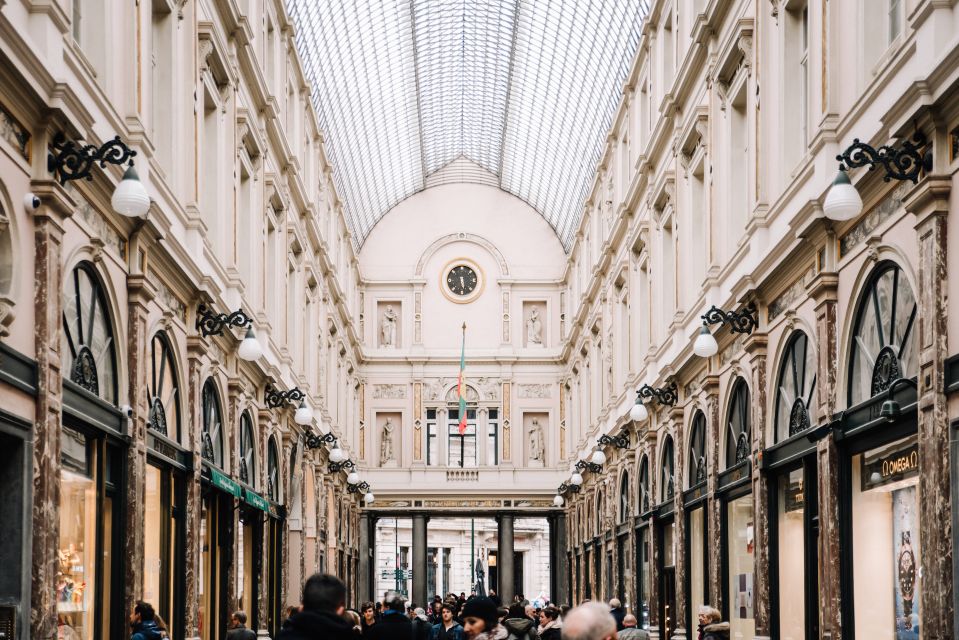
At $121 per person for a 3-hour private walking tour, the cost isn’t low in the way group tours can be. But the value is in the “private” part and the customization.
You’re paying for:
- A single host guiding your group with a flexible route
- Pre-planning through a questionnaire and direct communication
- Tailored attention to your interests, whether politics, architecture, or culture
- Insider tips for the rest of your Brussels stay
If you’re traveling with a friend, partner, or small group and you want more than the standard talking points, this price can make a lot of sense. You’re essentially buying time with a well-briefed local who can translate the EU area into something understandable and relevant to you.
If you’re a solo traveler who loves meeting people and doesn’t mind crowds, a group tour could be cheaper. But if you want control over pacing and focus—this one fits that goal well.
Getting around: walking pace and possible extra transport costs
This is a walking tour with no private vehicle included. That’s good news for seeing the area on foot, but it also means the pace depends on the route your host builds for your interests.
Public transportation or local taxis may be used to transfer between sites. Exact costs aren’t included up front and can be discussed with your host after your reservation is finalized. In other words: expect mostly walking, with the possibility of short transfers depending on how your itinerary shapes up.
Also, because meeting up is easy (central Brussels meeting points, including hotels in the center), you’re less likely to lose time at the start.
Who this private European Quarter walk is best for
This tour fits best if you:
- Want EU landmarks explained in plain language
- Care about architecture and the contrast between old and modern Brussels
- Like learning through stories rather than a strict script
- Prefer a flexible itinerary over a one-size-fits-all route
- Enjoy mixing politics with real neighborhoods like Art Nouveau streets and Matonge
It may feel less ideal if you’re looking for a highly structured checklist with fixed stops and set durations at each point. The whole point here is that your host adjusts. If you want zero flexibility, you might prefer a traditional group format.
Should you book this Brussels European Quarter private walk?
I’d book this if you want Brussels to make sense, not just look impressive. A private host plus a customized plan is especially useful in the European Quarter, where it’s easy to feel like you’re standing in front of big symbols without understanding what they do—or why the surrounding streets matter.
Skip it only if you strongly prefer ultra-cheap, high-volume group tours, or if you know you don’t tolerate much walking. Otherwise, this is the kind of experience that turns an area you’ve heard about into a place you can actually picture and explain after you leave.
FAQ
How long is the Brussels European Quarter private tour?
It lasts 3 hours.
What languages are the live guides?
The tour is available in English and French.
Is this a private tour?
Yes. It’s a private group experience.
What’s included in the tour price?
You get the private, personalized walking tour with a local host, plus insider tips and tailored recommendations for the rest of your stay. Your host also uses a pre-tour questionnaire to customize the route.
Are food, drinks, or attraction tickets included?
No. Food, drinks, and tickets to attractions aren’t included.
Is the tour wheelchair accessible?
Yes, it is wheelchair accessible.