REVIEW · BRUSSELS
Brussels, 1000 Years of Struggles
Book on GetYourGuide →Operated by Brussels By Foot SRL · Bookable on GetYourGuide
Marolles has a memory you can walk. This 1000 Years of Struggles tour is interesting because it criss-crosses the neighborhood with a playful, funny tone while keeping your focus on real social fights that shaped the area. I especially love how the walk takes you into lesser-known alleys and dead ends, so you’re not just ticking off big sights. One thing to consider: the subject is conflict and social struggle, so if you want scenery-only sightseeing, this may feel heavy even when it’s told with humor.
One of the best parts is that you’re not hearing random facts. You’re following two headline events—the Battle of the Marolles (1969) and the Mattress War (1989)—and then connecting them to how the neighborhood changed over time. The live guide works in English or French, and the meeting point can vary by option, so plan to arrive a few minutes early and double-check where your specific start point is.
In This Review
- Key things to know before you go
- Marolles as a living timeline
- What the 2-hour walk is like, step by step
- Battle of the Marolles (1969): street politics in plain sight
- The Mattress War (1989): how a neighborhood fight becomes legend
- Alleys, dead ends, and why the route matters
- How the tour connects old struggles to gentrification
- Language and guide style: English or French, with real personality
- Price and value: why $3.53 can still be a smart use of time
- Practical tips so you enjoy it more
- Who should book this Marolles history walk
- Should you book the 1000 Years of Struggles tour?
- FAQ
- How long is the 1000 Years of Struggles tour?
- What languages are the guides available in?
- What’s included in the price?
- Are drinks and food included?
- Is pick-up offered?
- Where do we meet?
- Can I cancel for a full refund?
- Is there a reserve and pay later option?
Key things to know before you go
- Marolles on a story route: The tour moves through the district, including side streets people often skip.
- Two major conflicts anchor the walk: The Battle of the Marolles (1969) and the Mattress War (1989) bookend the themes.
- Old struggles meet newer change: The tour’s focus can stretch from long-ago battles to more recent neighborhood transformation.
- A humor-forward guide approach: Stories and anecdotes are part of how the history lands.
- English and French live guides: Choose your language and follow along as you walk.
Marolles as a living timeline
Brussels has plenty of tourist-friendly monuments. Marolles is different. This neighborhood runs on stories—some of them loud, some stubborn, and some still relevant when you look at who lives where and who has power in daily life.
That’s why this tour works. Instead of handing you a museum-style timeline, it takes you through streets where social pressure and community life collide. You’ll hear about how different groups fought for space, dignity, and a say in the city. The tone is playful and funny, but the themes stay serious: class conflict, neighborhood identity, and what happens when the city changes around you.
If you like walking tours that feel like a guided street narrative, you’ll get a lot out of the way the route is described as criss-crossing the district. You’re not just going in a straight line, which helps you experience Marolles the way locals experience it—full of turns, corners, and sudden changes in atmosphere.
You can also read our reviews of more tours and experiences in Brussels.



What the 2-hour walk is like, step by step
You’re signing up for a guided walk that lasts about two hours. In that time, the tour doesn’t try to cover every event in Brussels. It chooses key moments and uses the streets to explain why they mattered.
Here’s the flow you can expect:
First, you’ll get oriented to the Marolles district as more than just a “rebel” label. The early part of the walk sets the mindset: these were neighborhoods where ordinary people organized, pushed back, and shaped how the city treated them.
Then the tour shifts into story beats around the two major events—starting with the Battle of the Marolles (1969) and moving toward the later Mattress War (1989). Each story is told with an eye for cause and consequence: what triggered the conflict, who was involved, and what the conflict meant beyond the day itself.
Finally, the walk winds down by tying earlier struggles to later change—especially the kind of social shift that can happen when wealthier newcomers move in. One booking account specifically connected the tour to gentrification as socio-economic change, which is a useful lens to keep in mind as you’re walking.
You’ll also spend time in the “in-between” areas: less-known alleys and dead ends. Those aren’t filler. They help explain how neighborhoods function—how people move, where tensions show up, and why certain streets become symbolic.
Battle of the Marolles (1969): street politics in plain sight
The tour highlights the Battle of the Marolles (1969) as one of its anchors. You’re not just learning that it happened—you’re seeing how street-level conflict becomes part of a neighborhood’s identity.
When you hear a story like this on foot, the details tend to land differently than in a lecture. You get the spatial sense: where people gathered, where movement was possible, and how the neighborhood layout can shape confrontation. Even if the historical events are decades old, walking the district helps you imagine the pressure and momentum of a conflict that spilled out into real life.
What I like about this part of the tour is the way it frames conflict as social struggle rather than random violence. That matters because it keeps the story grounded in why people acted. You’re encouraged to pay attention to the neighborhood’s “why,” not only the “what.”
Possible drawback here: if you’re expecting lots of photo-friendly moments, you might find your phone stays mostly in your pocket. This stop is about understanding, not just sightseeing.
The Mattress War (1989): how a neighborhood fight becomes legend
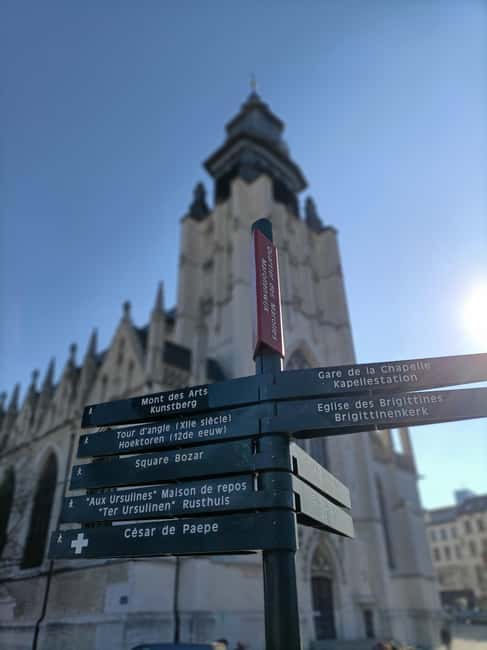
Next comes the Mattress War (1989), another standout highlight. The name alone makes it sound like a weird footnote in history, but the tour uses it to talk about how everyday conflict can become legend—especially in neighborhoods where residents feel pushed, ignored, or forced into action.
This is one reason the tour’s humor-forward approach works. Even when the events are tense, the guide’s storytelling style can make it easier to follow the timeline and the logic. You don’t need a political science degree to get it. You just need to listen and let the street setting do its job.
The value of this story beat is also practical: it trains you to notice how community disputes can evolve into public narratives. Once a neighborhood labels an event as a symbol, it shapes identity for years. That’s useful to remember when you walk into Marolles and notice how people talk about the area.
And since the tour includes anecdotes and stories throughout, the Mattress War portion doesn’t feel like a single lecture segment. It blends into the rest of the walk, tying earlier tensions to later ones.
Alleys, dead ends, and why the route matters
Many guided walks claim they go “off the beaten path.” This one actually sounds like it follows a pattern that makes sense in Marolles: you’ll see less known alleys and dead ends as part of the storytelling.
That matters more than you might think. Dead ends and narrow lanes are where daily life becomes very specific. They’re where you can imagine small community dynamics—where tensions can build because there’s limited space, and where solidarity can form because people end up seeing each other constantly.
Also, a criss-crossing route keeps you engaged. After the first turns, you start to feel the neighborhood rhythm instead of sticking to a single main street. It’s easier to remember the stories when your brain connects them to real streets and corners.
One practical note: wear comfortable shoes. You’ll be walking around the district for two hours, and the route description suggests you’ll be moving through tighter spaces. If your feet are sore, you’ll enjoy the historical context less.



How the tour connects old struggles to gentrification
One of the most interesting threads—based on the tour’s focus on transforming social struggles—is how it can connect earlier conflicts to newer changes.
In one clear booking account, the tour’s approach was described as linking neighborhood change to gentrification, specifically as a socio-economic shift driven by new, wealthier residents arriving and transforming parts of the city. Even if you don’t know anything about Brussels politics going in, this lens is simple and useful: when the city’s economic balance changes, who benefits, and who gets squeezed?
The tour doesn’t just drop the term. It uses the neighborhood walk to help you see the connection between “then” and “now.” That makes it more than a history lesson. It becomes a way to read the present day through the past.
If you’re the kind of person who enjoys conversations about urban life—housing pressures, identity, and who gets to shape a neighborhood—you’ll likely find this angle satisfying. If those topics make you uncomfortable, you might still enjoy the storytelling, but you may want to brace yourself for heavier themes dressed in lighter delivery.
Language and guide style: English or French, with real personality
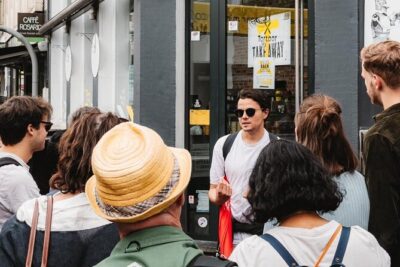
This is a live guided tour with a guide who works in English or French. That’s a big deal for this kind of walk, because the point isn’t only what happened. It’s how the story is told—tone, timing, and little details that help you connect emotionally to events.
One account specifically mentions a guide named Simon, and that’s a helpful clue about the human side of the experience. When a guide has passion, a short two-hour walk can feel longer—in a good way—because you’re not just hearing facts. You’re getting a narrative voice that keeps you following.
You should also expect anecdotes to be part of the package. That’s often what turns a social struggle topic into something you remember later, instead of forgetting by the time you reach the next sight.
Price and value: why $3.53 can still be a smart use of time
The price listed is $3.53 per person, and for a two-hour guided walk, that’s extremely low. At that rate, you’re not buying luxury—you’re buying access to someone’s interpretation of the streets.
That value comes from two things the tour seems to prioritize:
- Time-efficient storytelling: Two hours is enough for a focused story arc without eating your whole day.
- A guide-led viewpoint: You’re paying for structure—what to notice, where to look, and how to connect events to place.
Just don’t assume everything is fully wrapped up. The tour includes the guided tour, but drinks and food aren’t included, and there’s no pick-up. Also, one booking note included a surprise: the GetYourGuide page didn’t make it obvious that the person paid an additional 3 euros at the end (they didn’t have cash). I can’t say that fee is universal from the information provided, but it’s a wise lesson.
My practical advice: bring a little cash in small bills just in case there’s a modest end-of-tour payment. It’s one of those tiny travel fixes that saves stress.
Practical tips so you enjoy it more
This walk focuses on social struggle stories, so your comfort matters.
- Bring water if you’ll be walking on a warm day. Food and drinks aren’t part of the tour.
- Wear comfy shoes. The route includes alleys and dead ends, which usually means uneven ground and more turns.
- Expect questions and curiosity. The tour style is described as playful and funny, which usually means you’ll be invited to think as you go, not just listen.
- Plan for a variable meeting point. The start location can vary depending on the option you book, so confirm the exact address before you head out.
- If you prefer lighter sightseeing, consider it a themed walk rather than a casual wander.
On the flexibility side, you can cancel up to 24 hours in advance for a full refund, and there’s a reserve and pay later option. That’s handy in Brussels, where plans can change with weather or energy.
Who should book this Marolles history walk
This tour suits you if you like:
- walking tours that focus on people and power, not just monuments
- neighborhood history told through stories and anecdotes
- a route that includes streets beyond the main tourist strips
- connecting the past to today, especially around social change
You might skip it if:
- you want mostly architecture and views with minimal social conflict themes
- you don’t enjoy walking for two hours with a structured narrative
It’s also a good choice for solo travelers who like to learn the city by talking with a guide in English or French.
Should you book the 1000 Years of Struggles tour?
I think you should book it if you want Brussels in a more human scale. For two hours, the combination of a humorous guide style, two highlighted conflicts (1969 and 1989), and a route through less expected parts of Marolles makes it a strong value way to understand how neighborhoods fight for identity.
Book it thoughtfully if social struggle topics feel heavy to you. Also, do yourself a favor and bring a few euros of cash in case there’s a small end-of-tour payment, since one booking experience suggests that detail may not be obvious ahead of time.
If you want a tour that helps you read Marolles like a story—not a postcard—this one fits.
FAQ
How long is the 1000 Years of Struggles tour?
The tour duration is 2 hours.
What languages are the guides available in?
The live tour guide is available in English and French.
What’s included in the price?
The guided tour is included.
Are drinks and food included?
No. Drinks and food aren’t included.
Is pick-up offered?
No pick-up is offered.
Where do we meet?
The meeting point may vary depending on the option booked.
Can I cancel for a full refund?
Yes. You can cancel up to 24 hours in advance for a full refund.
Is there a reserve and pay later option?
Yes. You can reserve now and pay later to keep your travel plans flexible.