REVIEW · BRUGES
Bruges: Ticket Museum Sint-Janshospitaal
Book on GetYourGuide →Operated by Musea Brugge · Bookable on GetYourGuide
A hospital museum in Bruges sounds ordinary. It’s anything but. St John’s Hospital Museum pairs Hans Memling’s world-famous paintings with surprising contemporary art inside a 12th-century place built for care, sleep, and hospitality. You also get a look at the old medical world via a pharmacy set-up with an herb garden.
What I like most is how the art feels tied to the building’s purpose, not pasted on top. The second thing I really enjoy is the mix: you’ll see Memling’s religious masterpieces and also works by artists like Berlinde De Bruyckere and Patricia Piccinini, so the museum doesn’t freeze time.
One thing to consider: some of the contemporary imagery can feel strange or even disturbing, especially if you’re sensitive to body-hybrid themes. If you prefer only classic religious art, go in with that in mind.
In This Review
- Key things to know before you go
- Entering St John’s Hospital: When Hospitality Was the Point
- Memling in Bruges: Masterpieces Made for This Exact Hospital
- Contemporary Art in a Medieval Hospital: Clever, Risky, and Often Thought-Provoking
- The Pharmacy Stop: 17th-Century Medicine Meets an Herb Garden
- What the Visit Feels Like: A 1-Day Stop That Works in Real Schedules
- Price and Value: Is $17 Worth It?
- Art-Making Moment: Why It’s Worth Checking What’s Happening On Site
- Tips for a Smoother Visit in Bruges
- Who Should Book This Museum Ticket?
- Should You Book St John’s Hospital Museum Tickets?
- FAQ
- How much is the St John’s Hospital Museum ticket?
- How long does the experience last?
- What are the main highlights?
- Can I skip the ticket line?
- Is the ticket valid for more than one day?
- Is the museum wheelchair accessible?
- Are there restrictions on bags or luggage?
- Are pets allowed inside?
- Are flash photos allowed?
- Are there any ticket rules for children?
- What’s the cancellation policy?
Key things to know before you go
- Memling was commissioned for St John’s Hospital, and the works have stayed here since the 15th century
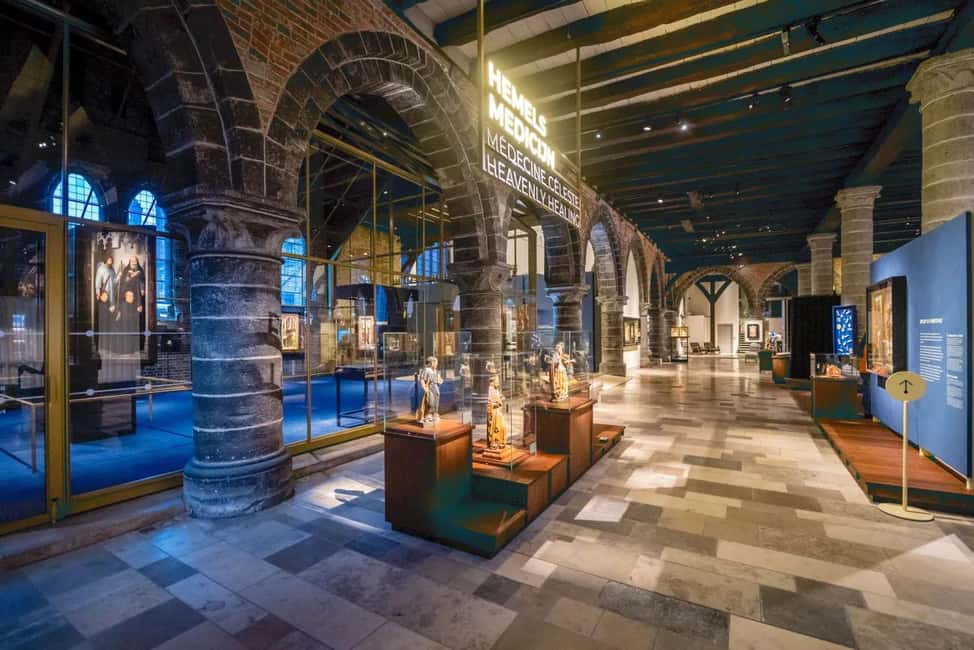
- The museum sits in a 12th-century hospital, so the architecture is part of the experience
- Contemporary art joins the collection, including works by Berlinde De Bruyckere and Patricia Piccinini
- You can visit the old pharmacy, with an authentic 17th-century interior and herb garden
- There are hands-on moments, since at least one visitor specifically mentioned designing their own artwork
Entering St John’s Hospital: When Hospitality Was the Point
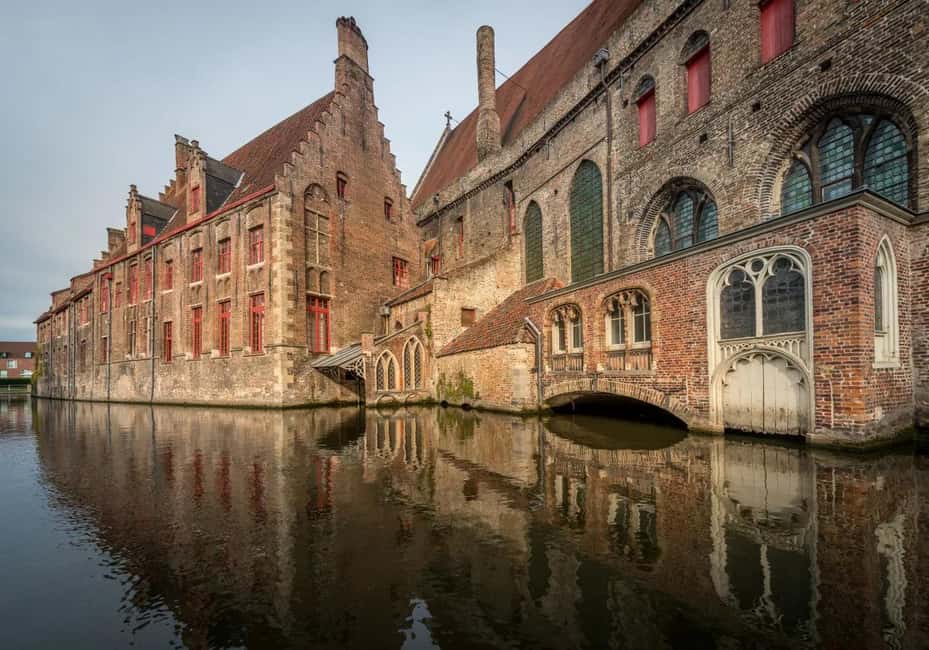
St John’s Hospital Museum starts with a simple idea: care is not a side project. This building dates to the 12th century, and it was designed as a refuge for people who needed help or a place to stay. That matters because the museum doesn’t just show objects. It wraps you in a setting where hospitality was literally built into everyday life.
As you move through the spaces, you’re not only looking at history. You’re watching how a place can carry values across centuries. The museum’s message is warm and human: it’s about empathy, about the way people treat others when they’re at their most vulnerable.
If you like museums that explain why something exists, you’ll appreciate the context and testimonies tied to hospitality and care. It turns a visit into more than sightseeing, even though it still feels like an easy cultural stop in Bruges.
You can also read our reviews of more tours and experiences in Bruges


Memling in Bruges: Masterpieces Made for This Exact Hospital
Here’s the big draw for art lovers: Hans Memling. He was one of the best-known Flemish painters of his era, and multiple major works were created especially for St John’s Hospital. Even better, they’ve been in this location since the 15th century, which means you’re not chasing paintings across the museum world and hoping for the right context.
When art is made for a specific place, it changes how you look at it. You can sense the intention behind the works more than you would in a generic gallery. Instead of asking what the paintings look like, you end up asking why they belong here.
Memling’s paintings are often described as serene and precise, and in a setting like this, that calm can feel more meaningful. The museum doesn’t treat the masterpieces like museum trophies. It frames them as part of the hospital’s long story of caring.
If your Bruges plan already includes art stops, this one is a strong pairing because it adds a layer: the building’s original mission and the paintings were meant to work together.
Contemporary Art in a Medieval Hospital: Clever, Risky, and Often Thought-Provoking
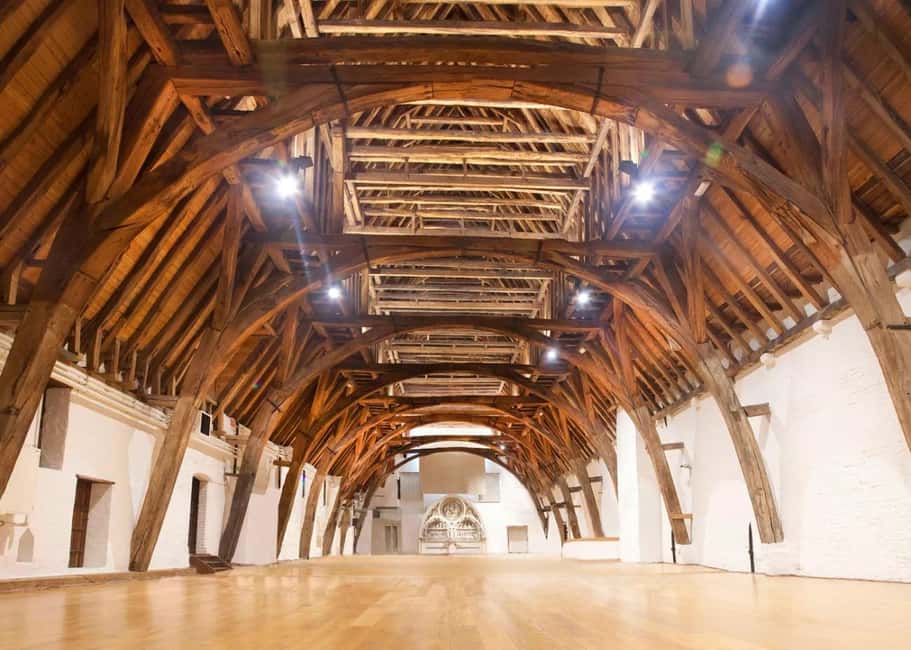
The museum doesn’t limit itself to medieval masterpieces. You’ll also find works by contemporary artists such as Berlinde De Bruyckere and Patricia Piccinini. This is where the visit gets more modern, and where your personal taste will matter.
One review reaction stood out as mixed: a visitor was genuinely thrown off by a human-and-animal depiction described as unsettling. That doesn’t mean the museum is trying to be shocking. It just means the contemporary works can be emotionally intense, and you might need a moment to settle your expectations.
I actually think this modern twist is part of the value. In a hospital setting, discomfort can feel relevant. Care often involves difficult realities. A museum that includes only pretty images would be less honest.
So here’s my practical advice: if you love classic art, you’ll still get the Memling highlight. If you like contemporary art, you’ll enjoy the conversation between eras. If you hate body-horror-adjacent themes, plan your mindset before you reach the contemporary gallery areas.
The Pharmacy Stop: 17th-Century Medicine Meets an Herb Garden
Don’t rush past the pharmacy. This part is one of those experiences that feels tangible, even if you’re not a medical-history person. The museum includes an old hospital pharmacy with an authentic 17th-century interior and an herb garden.
It’s not just decor. It’s a way to understand how medicine worked when care was hands-on and closely tied to plants. Seeing the space where medicinal practice took place helps you picture the daily rhythm of hospital life, not just the big moments of art and architecture.
And the herb garden adds a second layer: you get a connection between nature and treatment. Even if you don’t know the plants, the idea lands quickly. Medicine wasn’t abstract. It was grown, prepared, and used.
If you’re traveling with kids, this section often plays well because it’s visual and physical. You can point, ask questions, and connect it to the broader theme of care.
What the Visit Feels Like: A 1-Day Stop That Works in Real Schedules
This experience is listed as a 1-day activity, and that fits Bruges perfectly. You don’t need to carve out a half-day tour with transport planning. You can slot it into a day already packed with canals and churches.
Also, the ticket is designed to make entry easier. Your entrance ticket includes skipping the ticket line, which matters in popular Bruges spots where queues can eat your time. The museum is wheelchair accessible as well, so you can plan around mobility needs.
One thing you’ll want to think about before you go: the museum has a strict policy on luggage. Large bags and luggage aren’t allowed, and flash photography is prohibited. Pets aren’t allowed either, though assistance dogs are permitted. If you’re traveling with a backpack, plan to travel light so you’re not stuck managing it at the entrance.
You can also read our reviews of more museum experiences in Bruges





Price and Value: Is $17 Worth It?
At about $17 per person, this ticket sits in the “reasonable Bruges” category. The best way to judge the value is by what’s included in that one price.
You’re not just paying for one specialty gallery. You’re paying for:
- Memling’s major works made for this hospital (and still here since the 15th century)
- Contemporary art by recognizable names like Berlinde De Bruyckere and Patricia Piccinini
- Medieval hospital architecture that shapes the whole experience
- A pharmacy interior from the 17th century plus an herb garden
- Skip-the-line entry
If you’re the type who enjoys museums where art and meaning are tied together, you’ll feel like you got your money’s worth quickly. If you only want classic paintings and nothing modern, you may feel the price is slightly less efficient. But even then, Memling plus the pharmacy and setting are enough to justify it for many people.
Art-Making Moment: Why It’s Worth Checking What’s Happening On Site
One short review comment really hints at something practical: there’s an art-making component where someone said you could design your own artwork. I can’t promise what exact format is always available, but the fact that this type of hands-on moment exists is a good sign.
If you like interactive museum experiences, ask what activities are running when you arrive. Even a small creative task can help you remember what you saw, especially in a museum that mixes centuries and styles.
This also makes the museum a better option than some pure-gallery stops if you’re traveling with kids or if you personally learn better by doing, not just reading labels.
Tips for a Smoother Visit in Bruges
Here’s how to make your visit feel easy and not rushed.
- Travel light for bags: large bags and luggage aren’t allowed. Keep essentials compact so you don’t waste time at the entry point.
- Bring ID for kids: children under 13 can get a free ticket at the box office, but you should bring a passport or ID card for children.
- Respect the photo rules: flash photography is not allowed, so plan to take phone photos without flash if you want them.
- Expect mixed intensity: the contemporary works can include unsettling body imagery. If you’re sensitive, go in gently and give yourself permission to take breaks.
You’ll enjoy this museum more if you let it play both roles: art venue and care-in-history story.
Who Should Book This Museum Ticket?
This is a strong fit if you want at least one of these things:
- You’re a Memling fan or simply curious about Flemish primitives in their original context.
- You like museums that connect objects to human stories, not only dates and names.
- You enjoy contemporary art, especially when it challenges your comfort.
- You want something different from the usual church-and-canal routine in Bruges.
It’s less ideal if you want a calm, purely classic experience with no modern surprises.
Also, if you’re a parent, the pharmacy area and the possibility of hands-on activities are a better match than museums that are entirely static.
Should You Book St John’s Hospital Museum Tickets?
I’d book if you want one Bruges stop that combines three categories in one ticket: Memling masterpieces, contemporary art by major names, and a 17th-century pharmacy setting tied to real medical practice. At around $17, the value is solid because the building itself is part of the show, not just a container.
I’d think twice if contemporary body-hybrid imagery makes you uneasy, or if you’re traveling with lots of luggage and prefer not to deal with restrictions. For everyone else, it’s the kind of museum that gives you something to talk about afterward: care, art, and how one place kept its identity for centuries.
FAQ
How much is the St John’s Hospital Museum ticket?
The price is listed as $17 per person.
How long does the experience last?
It’s listed as a 1-day activity.
What are the main highlights?
You’ll see Memling’s masterpieces, medieval hospital architecture, contemporary works by artists including Berlinde De Bruyckere and Patricia Piccinini, and the old hospital pharmacy with a 17th-century interior and herb garden.
Can I skip the ticket line?
Yes. The entrance ticket includes skipping the ticket line.
Is the ticket valid for more than one day?
It’s valid for 1 day. Starting times depend on availability.
Is the museum wheelchair accessible?
Yes, the experience is wheelchair accessible.
Are there restrictions on bags or luggage?
Yes. Luggage or large bags are not allowed.
Are pets allowed inside?
Pets are not allowed. Assistance dogs are allowed.
Are flash photos allowed?
No. Flash photography is not allowed.
Are there any ticket rules for children?
Children under 13 can obtain a free ticket at the box office. You should bring a passport or ID card for children.
What’s the cancellation policy?
Free cancellation is available up to 24 hours in advance for a full refund.