REVIEW · BRUGES
Bruges: Historium Bruges Story and VR Ticket
Book on GetYourGuide →Operated by Historium Brugge · Bookable on GetYourGuide
One ticket turns Bruges into a time machine. Historium Bruges pairs a guided story with interactive rooms and VR flight over medieval landmarks, and it’s easier to like than most indoor museum stops. My favorite part is how the plot keeps you moving, and how the virtual view connects what you see today to what used to be here; the only real catch is that the building isn’t a great fit if you’re claustrophobic or dislike heights.
Plan for a focused 1-day outing centered on this single attraction at 1 Market Square. You’ll follow Jacob, Jan van Eyck’s apprentice, through the Golden Age era, then time-travel to the year 1435 for a virtual sail and flyover of places like the Waterhalle and Belfort tower. If you’re bringing very young kids, note the minimum age is 3, but the VR experience is recommended from 11.
In This Review
- Key things to know before you go
- What you’re really buying with the Historium Bruges ticket
- The Historium Story: Jacob’s Golden Age walk-through
- Historium Exhibition and the Family Trail: learning that doesn’t drag
- Historium Virtual Reality: sailing the port and flying Market Square
- How long to plan, and how to pair it with the rest of Bruges
- Audio guide languages, lockers, and keeping your day smooth
- Rules that affect your visit (and what to bring)
- Value check: is this better than other indoor Bruges choices?
- Should you book Historium Bruges Story and VR?
- FAQ
- FAQ
- What does the ticket include?
- Where do I redeem my voucher?
- How long is the experience?
- What ages is Historium suitable for?
- Is it wheelchair accessible?
- Are pets allowed?
- Are there rules about photos or recording?
- Is the Historium Tower included?
- What languages is the audio guide available in?
Key things to know before you go

- VR over 1435 Bruges with a virtual sail into the port and flyovers of the Market Square
- Jacob’s story links you to Jan van Eyck’s world instead of making you read everything
- Interactive exhibition options like the Mediaeval Bruges info and the Family Trail help it feel less like a lecture
- Audio guide in many languages plus lockers and Wi‑Fi included, so you can go at your own pace
- Not for claustrophobia or height fears, and video recording is not allowed
What you’re really buying with the Historium Bruges ticket
For about $30 per person, you’re not just paying for a VR headset and a quick show. You’re getting a full, indoor, story-driven circuit: Historium Story, Historium Exhibition, and Historium Virtual Reality, plus an audio guide and basic on-site extras like lockers and Wi‑Fi.
That structure is the value. Bruges has plenty to see outdoors, but on cold, rainy, or crowded days, an attraction like this can be the smartest use of your time. Instead of bouncing between stops with no context, you get a “how it worked” feel for medieval Bruges—especially because the experience is anchored to real locations you can later spot on a map.
One more practical point: the ticket is valid for 1 day, but you need to check availability for starting times. So if you’re touring Bruges on a tight schedule, decide what “good time” means for you before you book.
You can also read our reviews of more tours and experiences in Bruges
The Historium Story: Jacob’s Golden Age walk-through
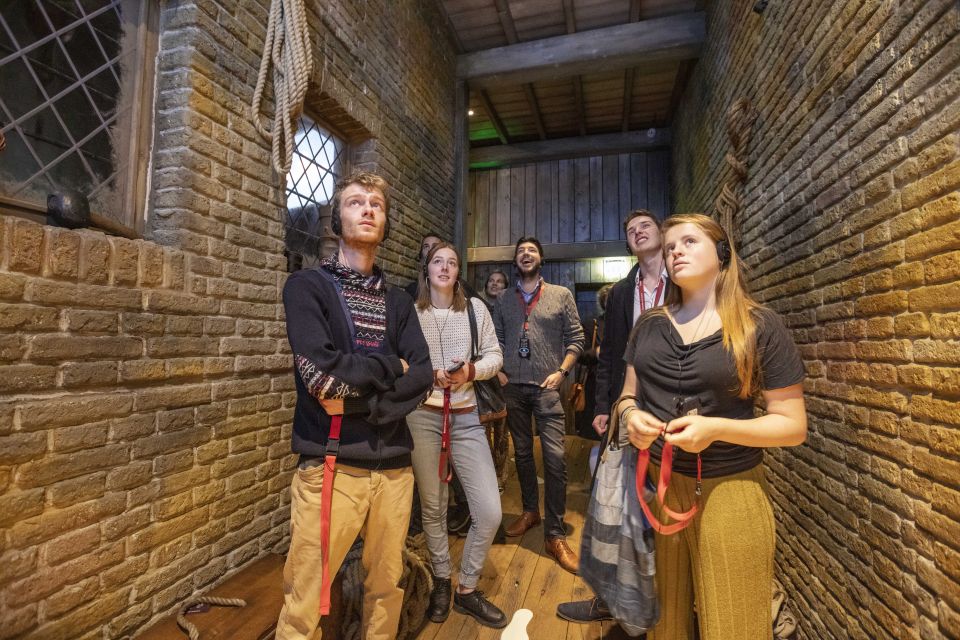
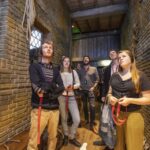
The Historium Story is where the attraction earns its keep. You follow the love story of Jacob, who is connected to Jan van Eyck as his apprentice, and you move through rooms with film, backdrops, and special effects. It’s designed to keep you oriented and curious without turning the whole thing into a dry history lesson.
What I like here is the pacing. You’re not only standing still while listening. You’re guided through a setting, and you’re given enough narrative threads that you remember what you just saw, even after you step back outside into modern Bruges.
You also get a nice balance between “setting the scene” and “showing details.” The Golden Age angle matters because Bruges didn’t become famous overnight—it grew, traded, built, and changed. Historium gives you a human story so the buildings and landmarks feel less like random postcard backdrops.
A small consideration: this part includes interactive and multimedia elements, so if you tend to get overwhelmed by a lot of rooms in a row, plan a calmer pace. You’ll do best if you treat it like a single attraction block, not something you rush between other must-sees.
Historium Exhibition and the Family Trail: learning that doesn’t drag
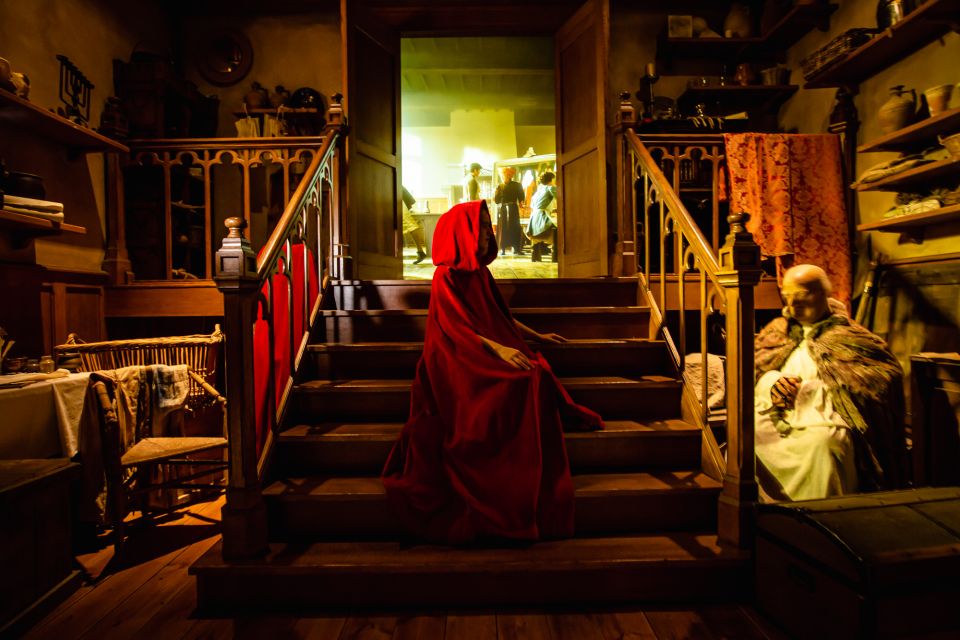
After the story sequence, you enter the Historium Exhibition area. This is where you can slow down and add more context about Mediaeval Bruges. If you want a straightforward way to browse, you can use the interactive information displays. If you’re visiting as a family or you just like hands-on learning, you can also do the Family Trail.
This section tends to work well because it breaks the pattern of many museums: walk, listen, forget. Instead, you’re given multiple ways to engage—information panels, interactive elements, and story links. That’s especially helpful if you have teens who don’t want to read, or adults who want more than a headline-level overview.
One nuance from real-world experience: the tech focus is strongest in the VR part, while other digital elements may feel lighter depending on how you expected them. If you’re the type who wants the biggest wow-factor, keep your anticipation anchored to the VR and treat the exhibition as the “make it make sense” stage.
Historium Virtual Reality: sailing the port and flying Market Square
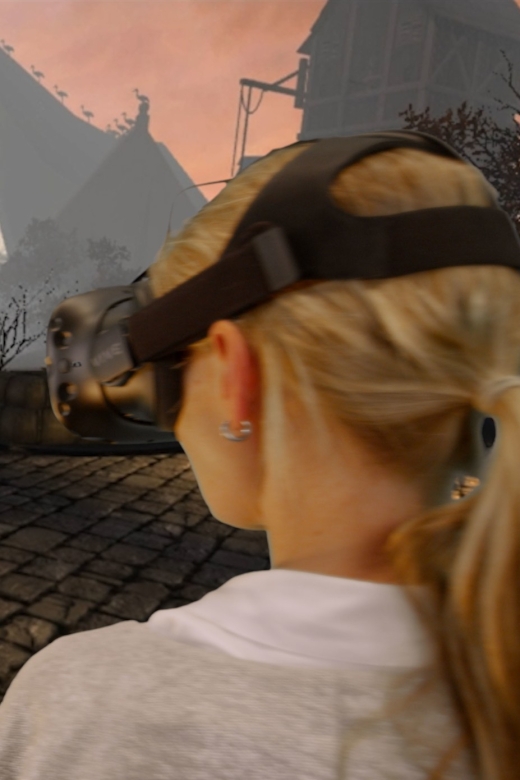
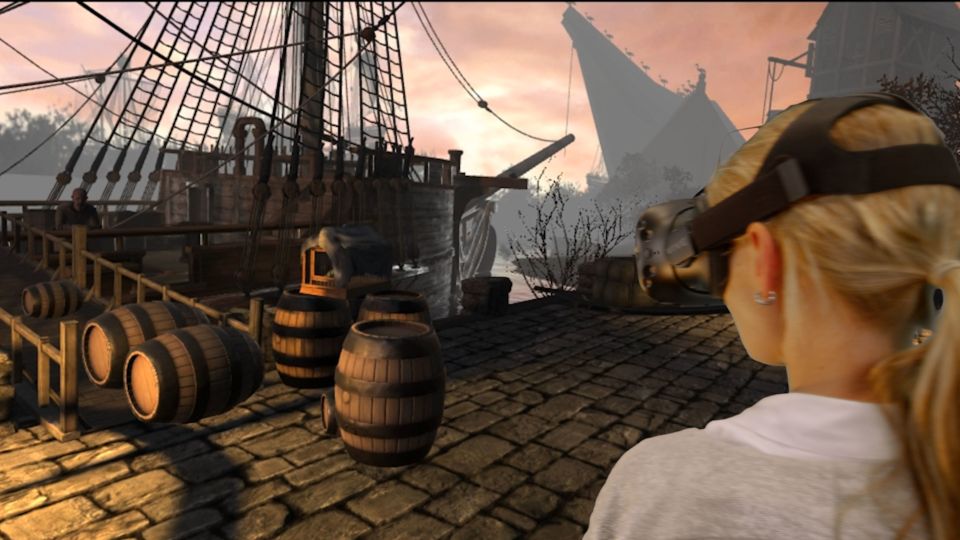
Then comes the highlight for most people: Historium Virtual Reality. You time travel to 1435 and get a virtual sail into the port of Bruges. From there, you can see how key places looked in the past—like the Waterhalle and the Belfort tower—and you can even fly over the Market Square and the former St. Donatian’s Cathedral.
This is where the experience earns its instant usefulness. Even if you’ve never heard the names before, you’ll connect them quickly because the VR shows you what they look like and where they sit relative to each other. Later, walking around Bruges feels more legible: you’re not just seeing brick and stone, you’re seeing a layout with a story.
It’s also why the attraction works on different travel styles. If you like entertainment, the virtual travel feels fun and fast. If you like “why” and “how,” the VR gives you spatial understanding in a way a wall text never will.
Now, the big caution: this is not suitable if you’re afraid of heights. You’re offered flyover views, and that can be a deal-breaker. Also, Historium is not recommended for claustrophobia. If you fit either category, it’s worth talking with staff at the front desk before you commit, as they may be able to advise on what’s realistic for you.
How long to plan, and how to pair it with the rest of Bruges
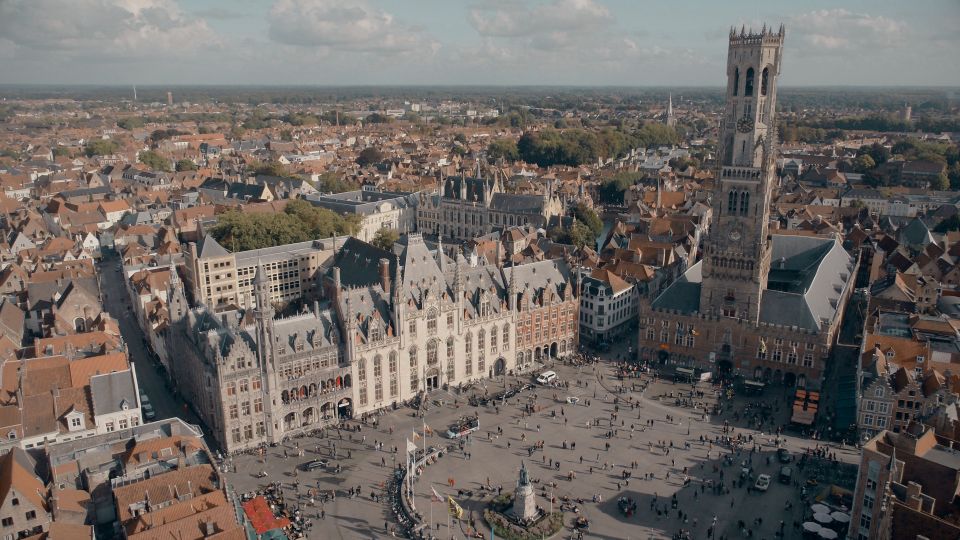
Your ticket is for 1 day, but the practical question is: where does Historium fit in your Bruges day?
I recommend treating it as a “centerpiece” activity, especially because it’s located at 1 Market Square. That central position makes it easy to slot before or after a walk through the town center. You can also use it as your indoor plan if the weather turns. Bruges rain can be polite or annoying; Historium handles either way.
For families and mixed-age groups, it’s also a nice anchor because it’s largely indoor and time-boxed. The experience has a minimum age of 3, but the VR is recommended from 11 (younger visitors can join if accompanied by an adult). So if you’ve got a group with different ages, Historium can be smoother than a long outdoor “loop” that requires everyone to keep walking.





Audio guide languages, lockers, and keeping your day smooth
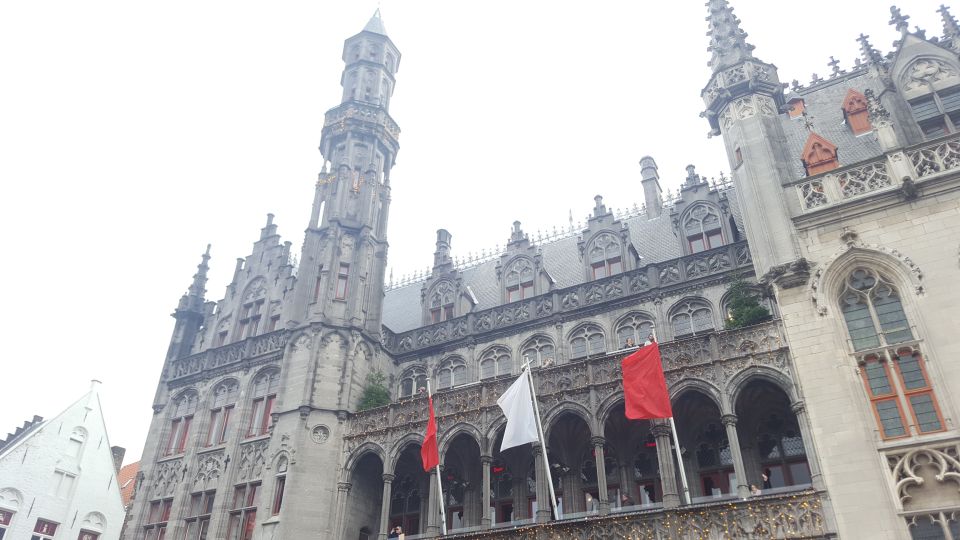
You get an audio guide included, available in a wide list of languages: English, Dutch, French, German, Spanish, Portuguese, Italian, Mandarin, Russian, and Japanese. On top of that, staff are there as hosts or greeters in Spanish, Dutch, English, French, and German.
Why this matters: Bruges is full of small streets and quiet details, and the audio guide helps you stay with the story while you move through rooms. It’s also useful when you want a language that feels natural, rather than relying on a single option.
Also don’t ignore the practical inclusions: lockers are provided, and there’s Wi‑Fi on-site. That means you can store your day bag and stop worrying about phones, maps, and batteries while you’re going room to room.
Rules that affect your visit (and what to bring)
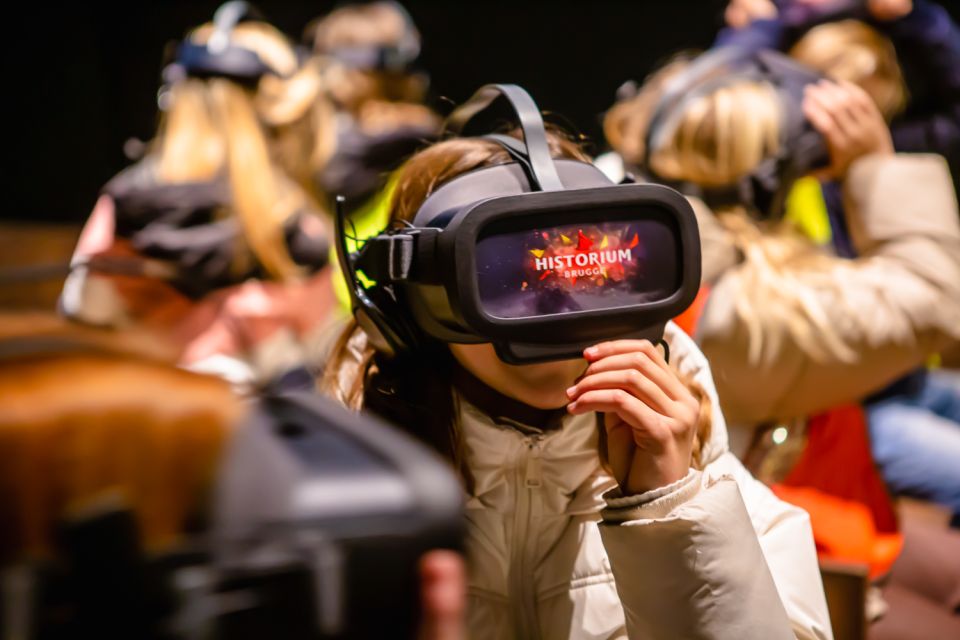
Historium is straightforward, but a few rules can trip people up:
- Pets are not allowed, though assistance dogs are allowed.
- Flash photography is not allowed, and video recording is not allowed.
- If you have a student card, bring it, since it’s listed as something to bring.
On the “know before you go” side, Historium and its facilities are wheelchair accessible, and one wheelchair is available for use at the ticket office free of charge. If you need this, it’s worth planning to arrive with time to pick it up rather than rushing in at the last moment.
Finally, there’s a hygiene and safety reason behind the no-pets rule and the claustrophobia note. The attraction is designed for controlled indoor movement, so it’s best to respect those limits.
Value check: is this better than other indoor Bruges choices?
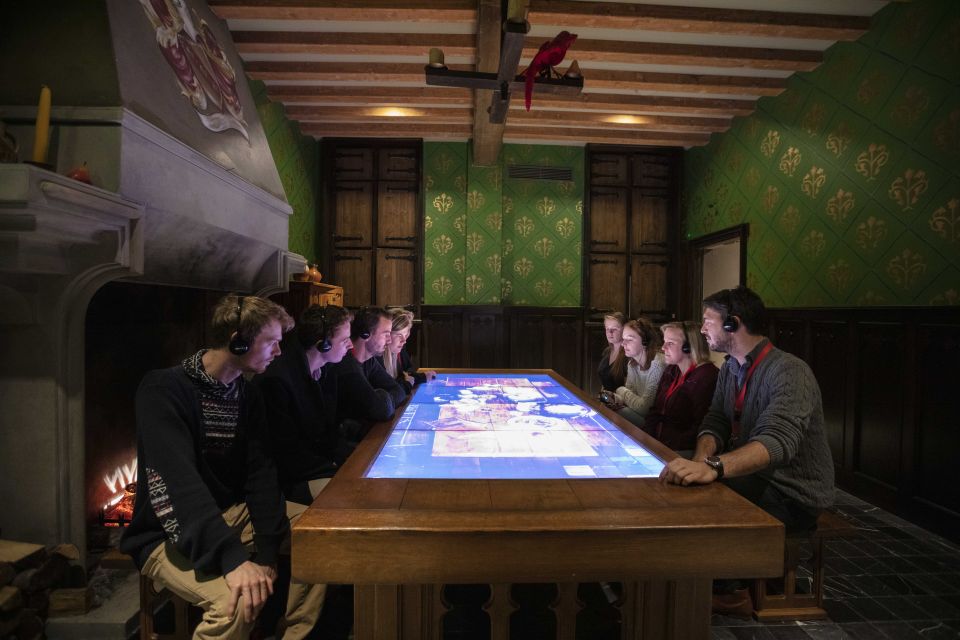
If you’re trying to decide between multiple rainy-day options, Historium gives you three big ingredients in one ticket: story, exhibition, and VR. That combination is why it feels like more than a quick distraction.
You’re also paying for structure. A lot of indoor stops are either mostly guided (and you tune out) or mostly self-guided (and you lose the thread). Historium tries to blend both: narrative storytelling plus interactive learning, topped with a high-tech segment that gives you context fast.
One more value angle: you can skip or add certain experiences on-site depending on your interests. For example, the attraction notes that the Historium Tower is not included in the standard ticket. If you’re tempted by tower views, keep your expectations realistic—some people recommend skipping because the space can feel narrow and you may not love the height aspect.
Should you book Historium Bruges Story and VR?
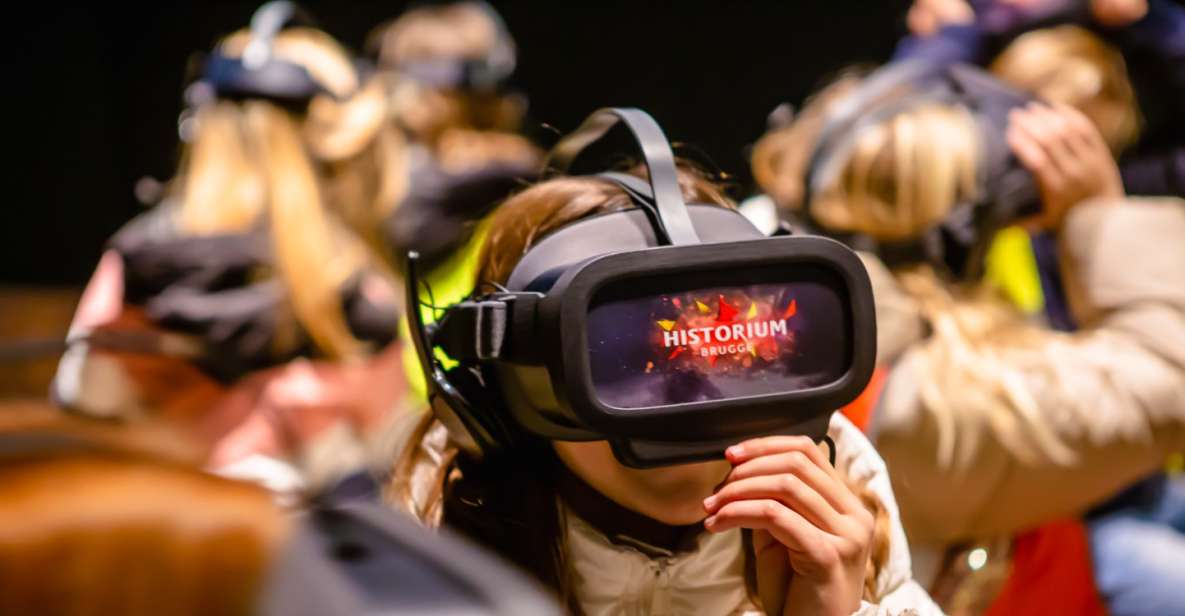
Yes, if you want a high-quality indoor Bruges experience that teaches you faster than reading alone. I’d especially recommend it if you like interactive exhibits, you’re traveling with teens or older kids, or you want a way to understand medieval Bruges before you wander outside.
I’d be more cautious if you have claustrophobia or you strongly dislike heights. The VR includes flyover moments, and Historium’s setup isn’t described as friendly for people who feel trapped in tight spaces.
If your goal is to spend a single day around Market Square while still getting something unique, Historium is a strong pick. It’s central, it’s built for a fixed time window, and it gives you a mental map of medieval landmarks that pays off when you return to the streets.
FAQ
FAQ
What does the ticket include?
The ticket includes the Historium Story, the Historium Exhibition, and the Historium Virtual Reality, plus an audio guide, lockers, and Wi‑Fi.
Where do I redeem my voucher?
Redeem your voucher at the ticket booth at Historium Bruges, 1 Market Square.
How long is the experience?
It’s valid for 1 day. Starting times depend on availability, so check your time slot when you book.
What ages is Historium suitable for?
The minimum age is 3 years. The VR experience has a recommended minimum age of 11 years, though younger visitors are allowed if accompanied by an adult.
Is it wheelchair accessible?
Yes. The Historium Bruges and all its facilities are wheelchair accessible. One wheelchair is available for use at the ticket office for free.
Are pets allowed?
Pets are not allowed. Assistance dogs are allowed.
Are there rules about photos or recording?
Flash photography is not allowed, and video recording is not allowed.
Is the Historium Tower included?
No. Historium Tower is listed as not included.
What languages is the audio guide available in?
The audio guide is available in English, Dutch, French, German, Spanish, Portuguese, Italian, Mandarin, Russian, and Japanese.